

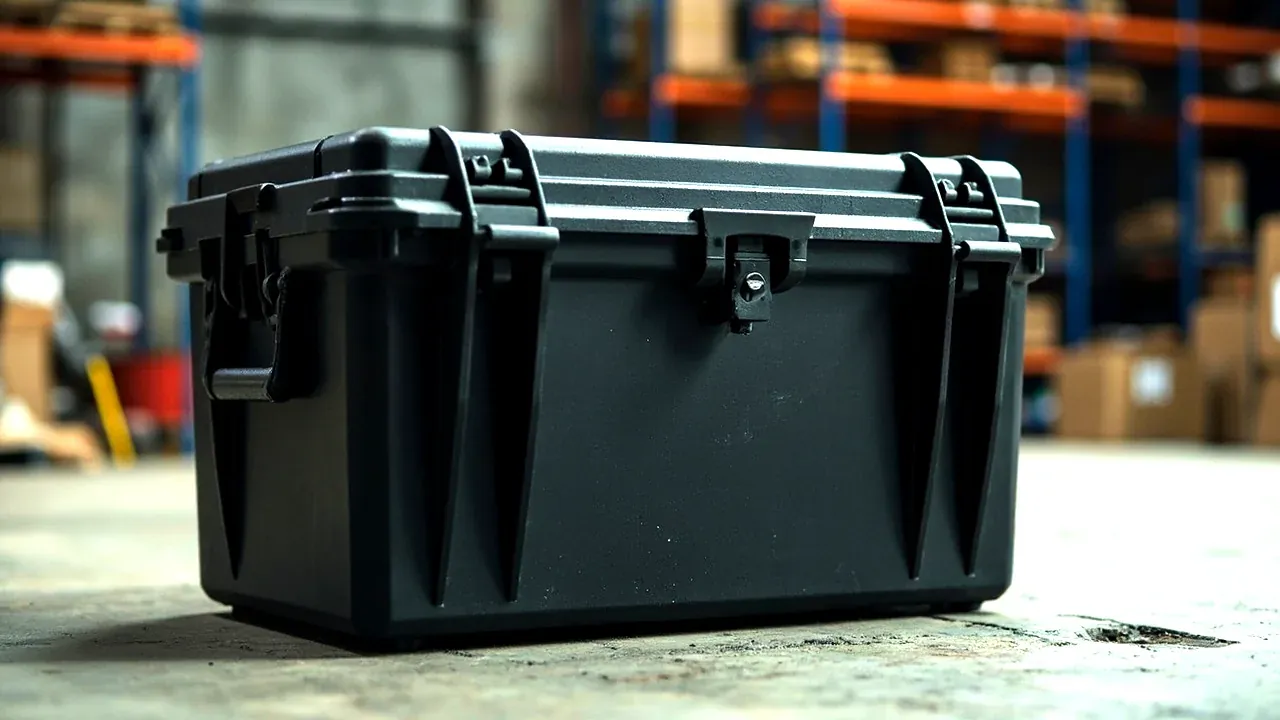
Quick answer: Selection of a weapons consolidated tool kit runs one way: list, cavities, liner, carry, locking. Each step has a test that can be finished before the next begins. Write the list in four columns, because total weight and longest item set the shell size. Fixing the case size first is the costly error: tooling cannot be revised.
Table of contents
- Step one: turn the tool list into a table
- Step two: counting and sizing cavities
- Step three: three liner materials
- Step four: carry method and weight ceiling
- Step five: locking, stacking, acceptance
- FAQ
1. Step one: turn the tool list into a table
Selection of a weapons consolidated tool kit starts not by measuring a case but by writing the list as a table. Four columns suffice: count, outline, weight, and any edge or projection. With them, total weight and longest item appear on their own. The earlier it is frozen, the cheaper the next steps.
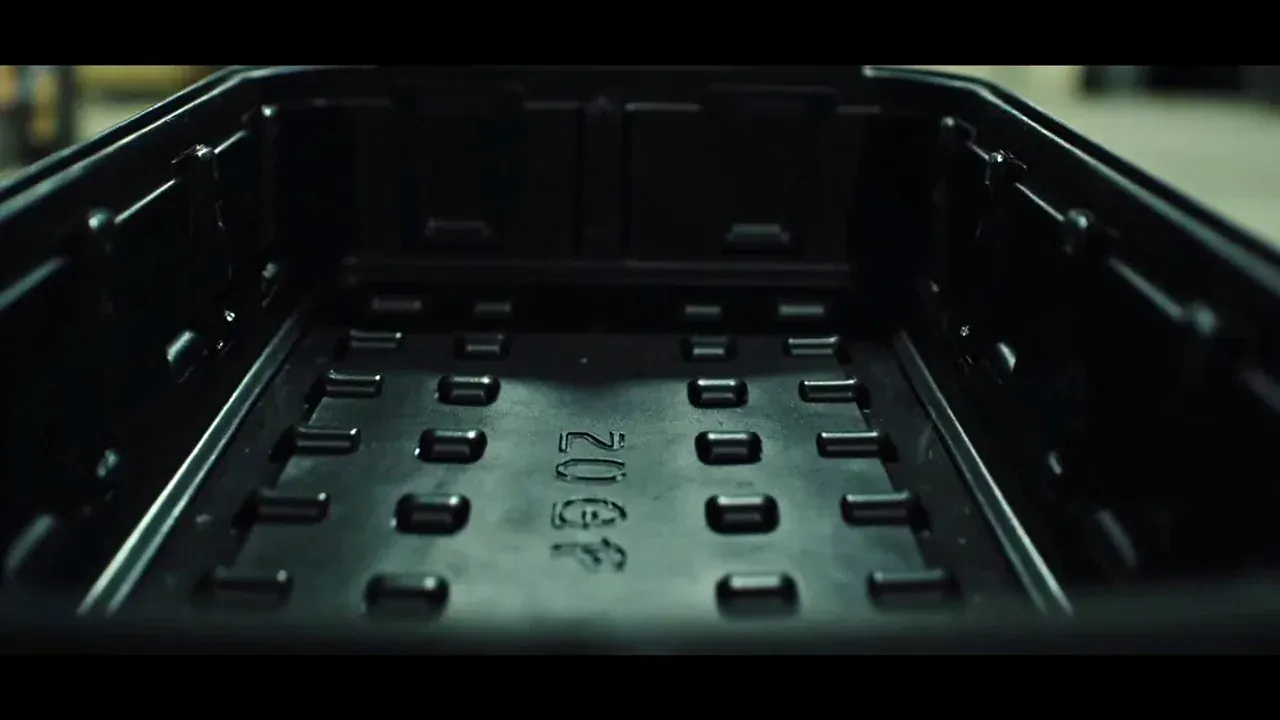
Sort a weapons consolidated tool kit into three bands: under half a kilogram, half to three, above three. The bands set cavity area and the carry method. Mixing bands in one table usually understates total weight. Weigh the tools once; a ten percent gap means missing items, usually accessories.
| Order | Decision | Testable condition | If it fails |
|---|---|---|---|
| One | Tool list | four columns, weighed within 10 percent | add missing items, stop here |
| Two | Cavities | count times 1.15, walls 3 mm or more | revise the liner, not the shell |
| Three | Liner | one item out, neighbour unmoved | change material or add a facing |
| Four | Carry | 18 kg solo, 35 kg for two | add side handles or a trolley case |
| Five | Lock and stack | eye loads alone, two-high stack holds | thicken the lid or drop a tier |
2. Step two: counting and sizing cavities
In a weapons consolidated tool kit, cavity count is item count times 1.15, rounded up for additions. Area follows weight: a heavy item gets 1.2 times its footprint, a light one its own. Depth is height plus five millimetres of foam compression; partitions need three millimetres.
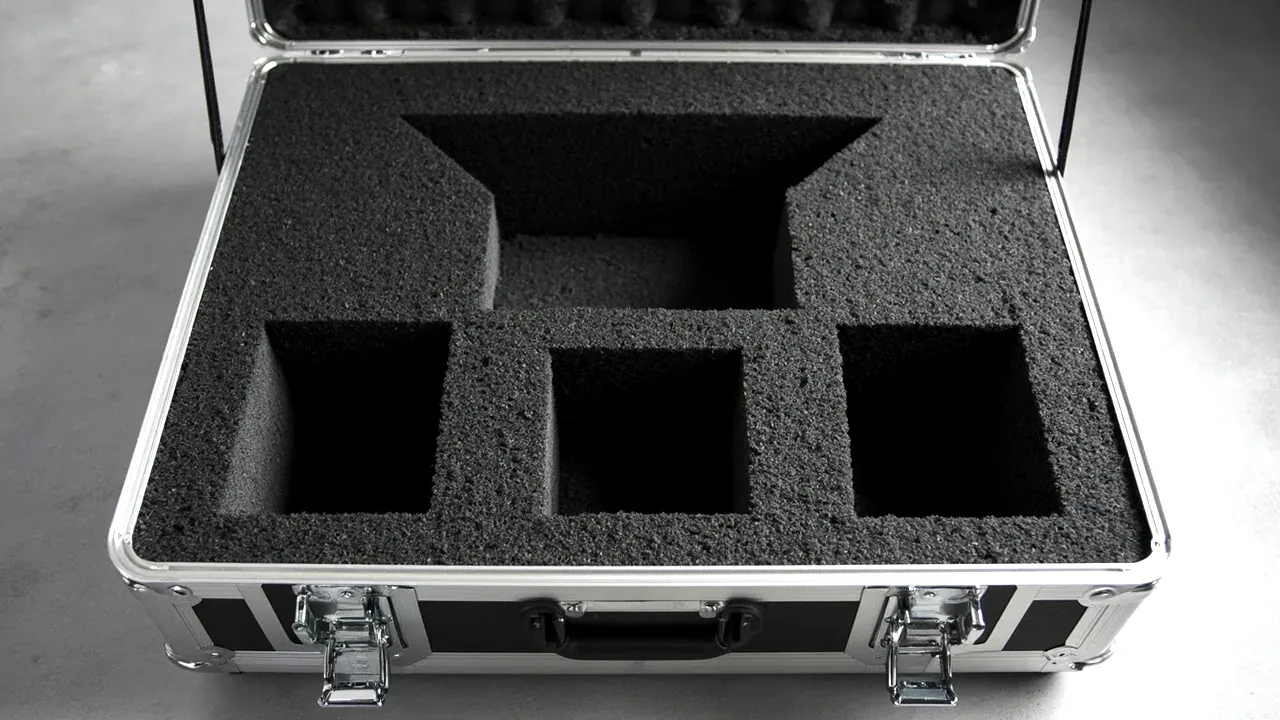
Long items in a weapons consolidated tool kit belong along the long side; a tool over 300 mm placed across forces extra width and shifts weight to one side. Irregular items are cut to their largest outline with two to three millimetres clearance; edged tools get a hard facing plate.
3. Step three: three liner materials
A weapons consolidated tool kit has three realistic liners: closed-cell polyethylene foam, EVA, and a molded polypropylene tray. Foam is cheap, does not absorb water; EVA is harder and more stable at twice the cost; a tray lasts longest, but a revision means a new mold.
Choose for a weapons consolidated tool kit by how stable the set is. Three years unchanged takes a tray; a set that follows tasks takes foam; frequent handling with edged tools takes EVA and a hard facing. The usual compromise puts a tray below and foam above.
4. Step four: carry method and weight ceiling
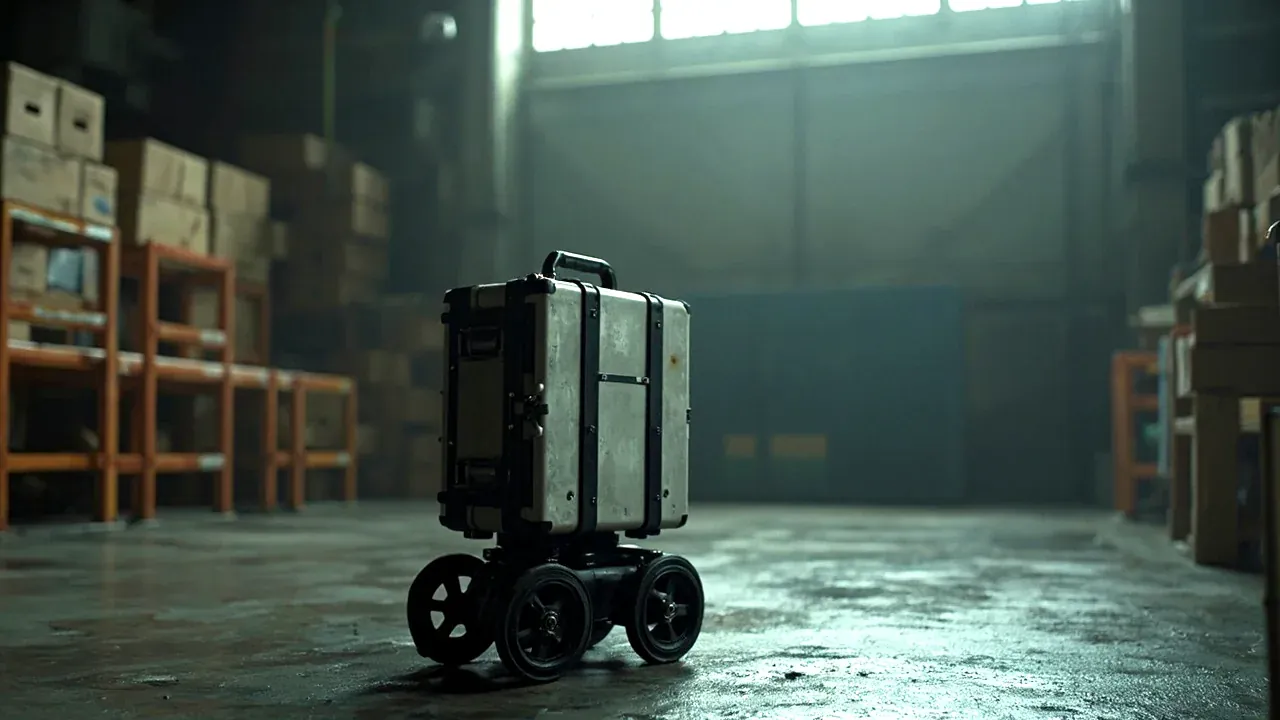
Once the carry method is fixed for a weapons consolidated tool kit, the outline is largely fixed too. One person: 18 kg loaded, 600 mm long side. Two people: 35 kg with molded side handles near shoulder width. Trolley: 60 kg with runners and strap slots.
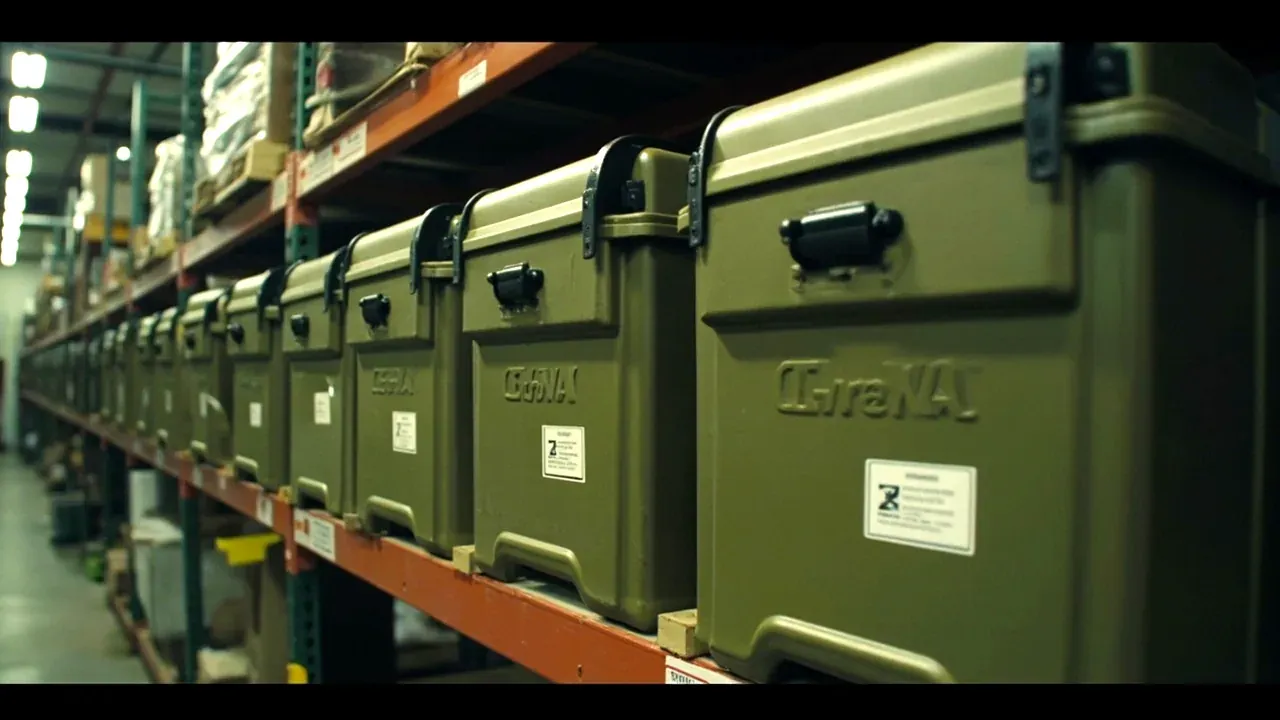
The ceiling in a weapons consolidated tool kit follows the handle-to-shell joint. On a rotomolded part the handle is molded with the shell and fails at its root, so a static test at 1.5 times the load shows a thin wall as whitening. If the list exceeds the ceiling, change the list or the carry method before thickening the shell.
5. Step five: locking, stacking, acceptance
Locking comes last because it changes fittings, not the outline. The latch compresses the gasket, the padlock eye resists theft, and the two must carry load separately. Mold the eye onto the latch and prying the lock pulls the latch open, so sealing fails at once.
Write stacking into the specification: two loaded cases high, the lower lid carrying the load, with lid ribs no more than 150 mm apart. Acceptance of a weapons consolidated tool kit uses five actions: weigh the case, measure three cavities, press the lid, cycle the latches fifty times, run water for ten minutes.
Conclusion
Selection of a weapons consolidated tool kit runs one way: list, cavities, liner, carry, locking. A failed step sends you back one place, and each step is cheaper to change than the one after it. Fix the shell first and tooling locks the mistake in, leaving foam to absorb it. Put the four-column list and the five conditions into the documents for a comparable quotation.
This article covers container-side specifications and design implications only, not the handling, loading or use of the contents.
Related Reading
- What a weapons tool kit is
- List management in a consolidated kit
- Plastic tool boxes versus alternatives
- Tool box lid structure and latches
Related Products
- 8 Series — Gun Cases; Military Equipment Cases; Camera Equipment Cases; Drone Cases; Watch Cases; Knife Cases; First Aid Cases; Electronics Equipment Cases
- WL8-2812 PP Gun Case — model WL8-2812
- All protective cases and toolboxes: 7 series, 158 models