

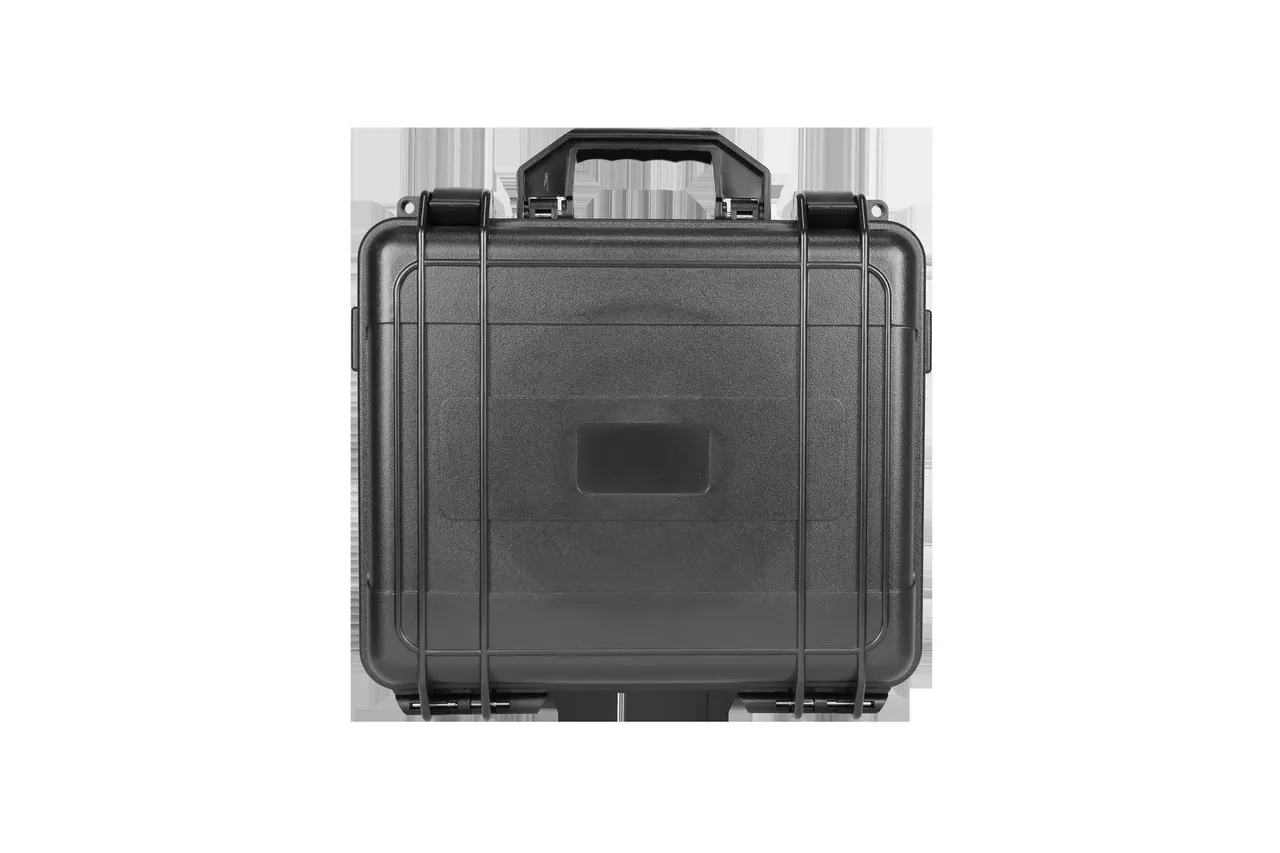
Quick answer: At equal interior volume a fiber container, ammunition, fiber runs about thirty percent lighter than cold-rolled steel, resists salt spray and stays non-magnetic, but it cannot be welded, hammered or point-loaded. A metal case is heavier yet field-modifiable, puncture-resistant and heat-tolerant.
Table of contents
- Where a fiber container, ammunition, fiber parts from metal
- Weight: the gap at equal volume
- Cost: tooling, material, labour
- Protection: impact, corrosion, sealing, static
- Mismatch list: when to go back to metal
- FAQ
1. Where a fiber container, ammunition, fiber parts from metal
The line is inside the wall. A metal case is folded sheet with ribs: isotropic, strength set by gauge and rib height, weldable and hammerable. A fiber container, ammunition, fiber carries load in continuous plies, so ply direction and count set the strength, and local reinforcement is designed into the layup.
Four numbers decide the purchase: finished weight, clear interior, unit cost and permitted repair method. The first three are measured, the fourth is usually forgotten.
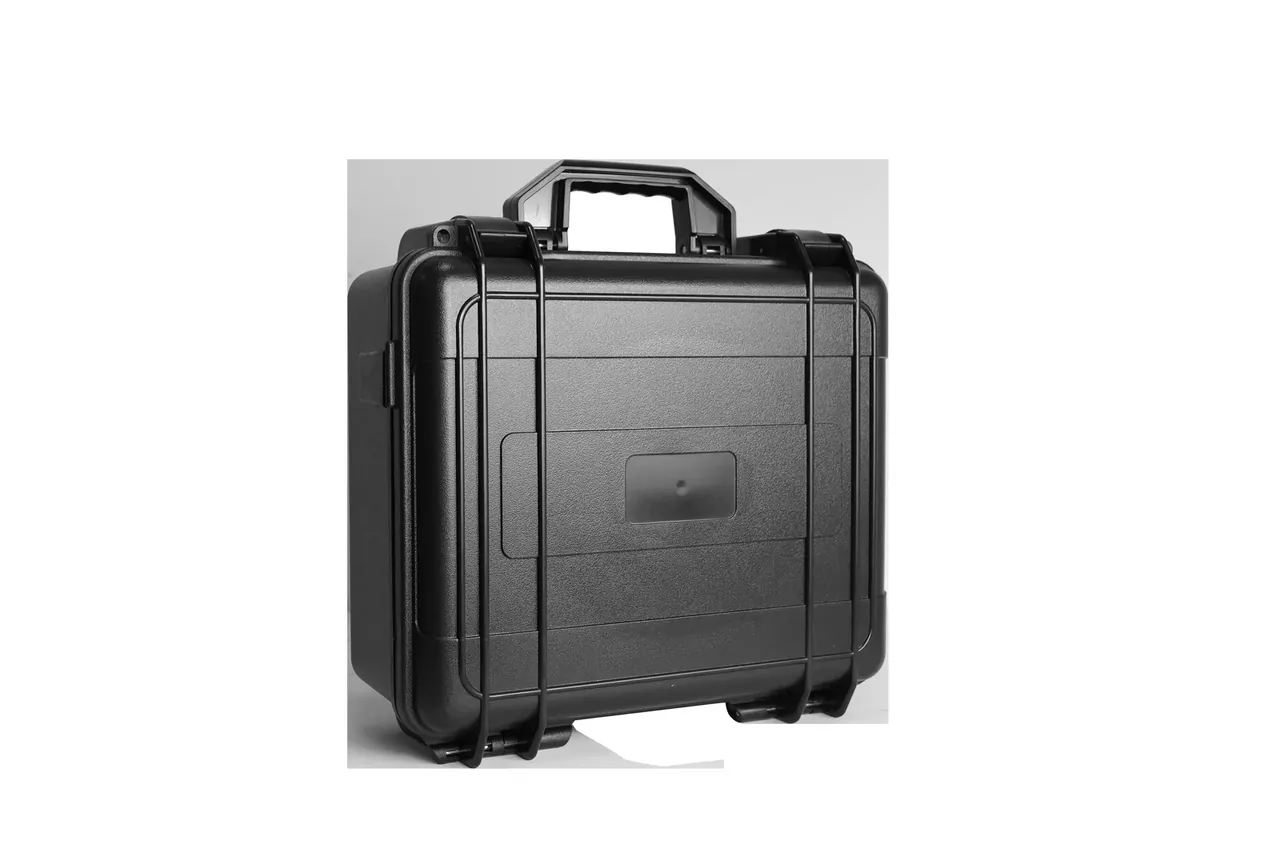
| Item | Metal case | Laminate case |
|---|---|---|
| Load path | Folded sheet and ribs | Continuous plies |
| Local reinforcement | Weld or strap | Extra plies at layup |
| Damage check | Look for dents | Tap for delamination |
| Field modification | Cut and weld | Not possible |
2. Weight: the gap at equal volume
At equal interior, a laminate runs about thirty percent lighter than cold-rolled steel and ten to twenty lighter than aluminium. Half the gap is density; the other half structural efficiency, since steel carries a corrosion allowance and fibre routes into a corner instead of a welded gusset.
Weight only pays where the case moves. Two kilograms saved, lifted two hundred times a day, is four hundred kilograms of effort. There is also a floor: hardware holds twenty to thirty percent of finished weight, so the smaller the interior, the smaller the gain.
3. Cost: tooling, material, labour
Press tooling is expensive and needs a few thousand units to amortise; infusion tooling is mid-priced; metal folds and weld fixtures are cheap, so metal wins small batches outright.
Material price per kilogram favours steel, but a laminate part uses less of it. Labour opens the gap: folding, welding, grinding, coating against one press cycle. Repair belongs in the same ledger: a delaminated shell goes back to the works.
4. Protection: impact, corrosion, sealing, static
Steel yields and dents without cracking, and the damage shows. A laminate absorbs by delamination and matrix cracking, so the skin can look intact while the wall has already separated. Hence the tap test for laminate, a visual check for steel.
Corrosion splits the same way: steel depends on coating and rusts from any break; resin does not corrode. Glass does not conduct, so static bleed needs a conductive layer. Sealing relies on the gasket in both, but the flange decides: steel compresses evenly, laminate needs ribs to spread clamp load.
5. Mismatch list: when to go back to metal
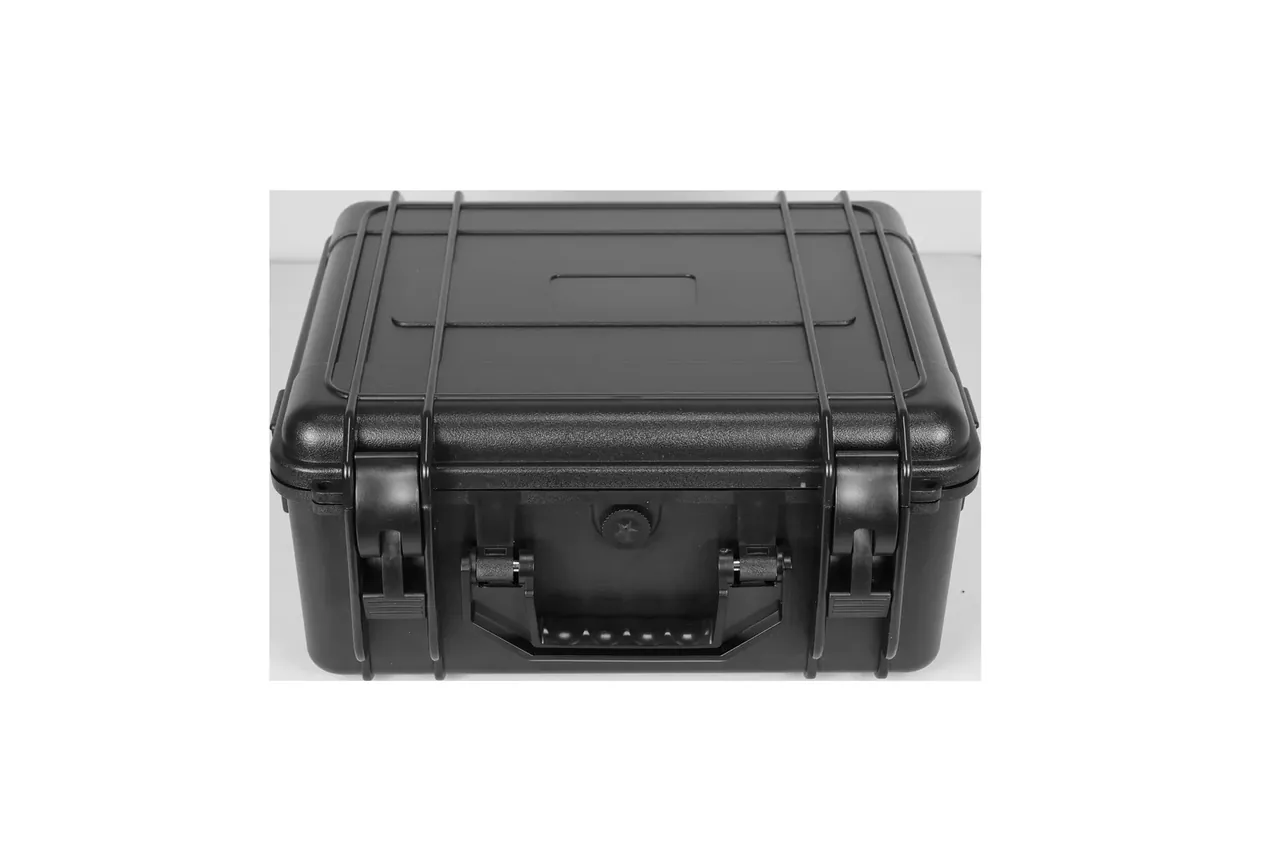
Three duties send you back to metal: field welding, sharp feet, sustained heat. Three send you the other way: repeated air freight, coastal or chemical storage, and anything needing RF transparency or a non-magnetic body.
The other mismatch is habit: crews step on the case, use it as dunnage, or lever the lid. Steel shrugs; a laminate delaminates. Change the material and the habits must change too.
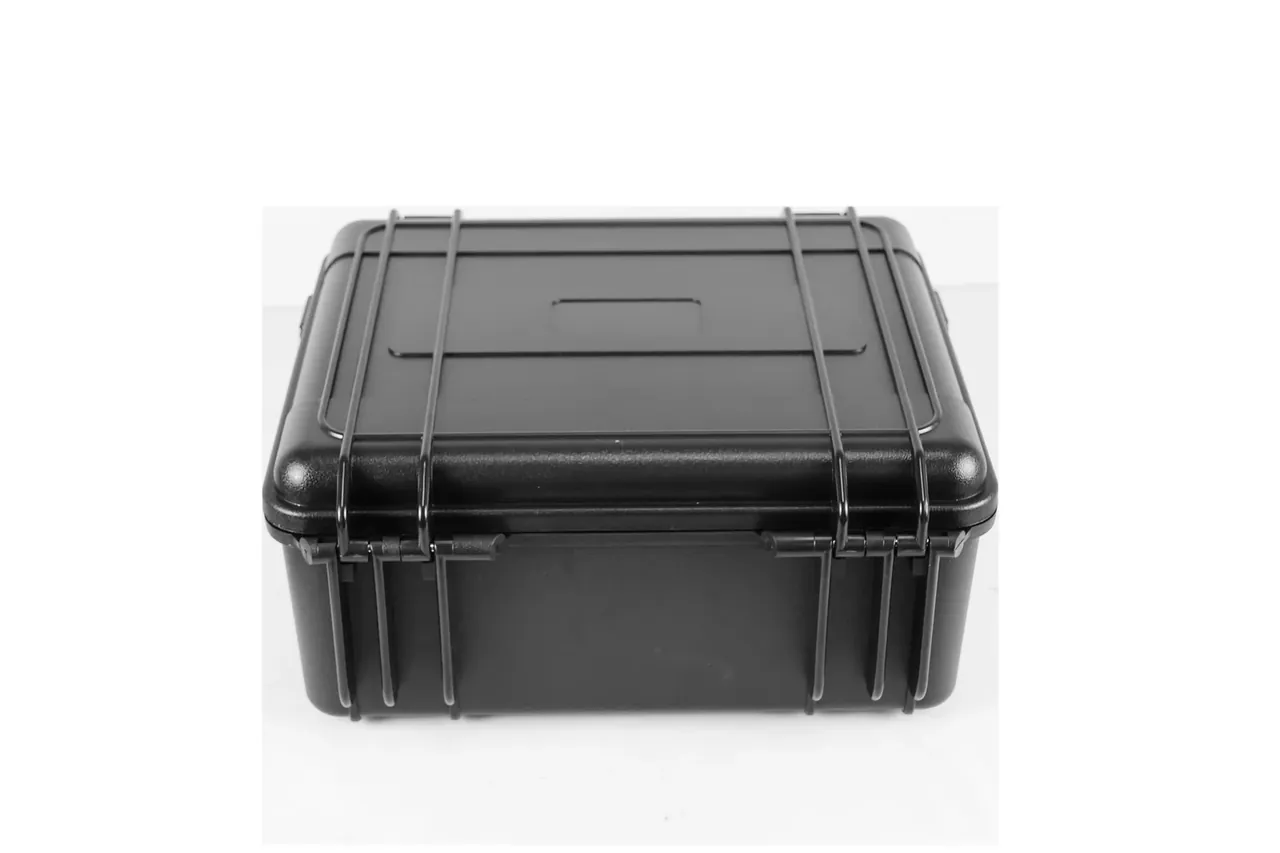
| Duty | Better choice | Reason |
|---|---|---|
| Cutting to size on site | Metal | Weldable |
| Sharp feet, point load | Metal | Puncture resistance |
| Repeated air freight | Laminate | Weight is payload |
| Coastal storage | Laminate | No galvanic corrosion |
Conclusion
Weight favours the laminate, cost depends on volume, protection depends on load type. When they conflict, obey load type first, volume second, weight last — weight can be recovered by trimming interior or fittings, load type cannot. The real question is whether this case has any reason to be a fiber container, ammunition, fiber at all.
This article covers container-side specifications and design implications only, not the handling, loading or use of the contents.
Related Reading
- Moulding routes for fibre-reinforced cases
- Aluminium cases against plastic cases
- How case cost structure breaks down
- Rotomolded Cases: Rotational-Moulded Shell Structure & Pro…
Related Products
- 8 Series — Gun Cases; Military Equipment Cases; Camera Equipment Cases; Drone Cases; Watch Cases; Knife Cases; First Aid Cases; Electronics Equipment Cases
- WL8-2812 PP Gun Case — model WL8-2812
- All protective cases and toolboxes: 7 series, 158 models