

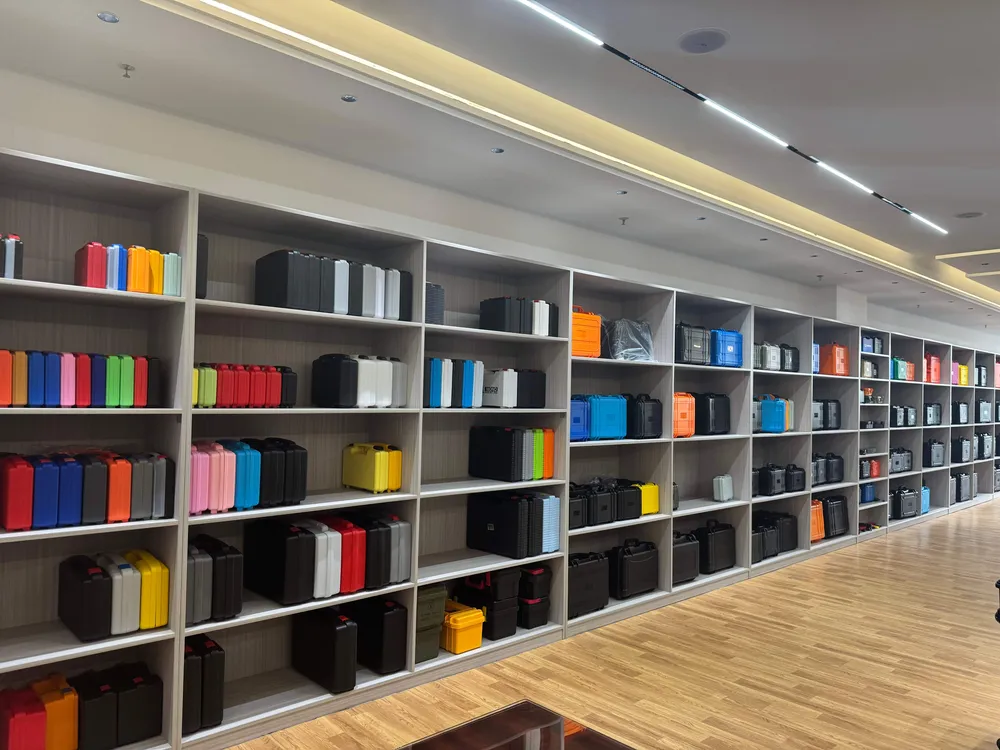
The aluminium-versus-polymer decision is usually argued on impression rather than requirement. Both materials make perfectly good protective cases; they fail in different ways and suit different deployments. Framing the choice around four questions resolves most of it quickly.
The Four Deciding Questions
- How much does the case itself weigh against the payload? Every kilogram of case is a kilogram you pay to move and cannot spend on contents.
- What temperature range must it survive? Metals hold properties over a far wider band than polymers.
- Does the contents need shielding or conductivity? Metal provides a conductive enclosure; polymer does not.
- How will it be handled? Air freight, vehicle mount, manual carry and permanent outdoor installation load a case very differently.
Where Aluminium Wins
| Property | Why it matters |
|---|---|
| Stiffness at low weight | Thin metal panels resist flexing, useful for large spans and heavy payloads |
| Temperature range | Properties stay stable where polymers would stiffen or soften |
| EMI / RF shielding | A conductive enclosure protects sensitive electronics and can be grounded |
| Dimensional stability | Less creep under sustained load than thermoplastics |
The trade-offs are equally real. Aluminium dents permanently and a bent edge can compromise a seal; it conducts heat, so a case left in the sun becomes an oven and one left in the cold becomes a heat sink against the contents; and it is electrically conductive, which is a hazard near live equipment.
Where Moulded Polymer Wins
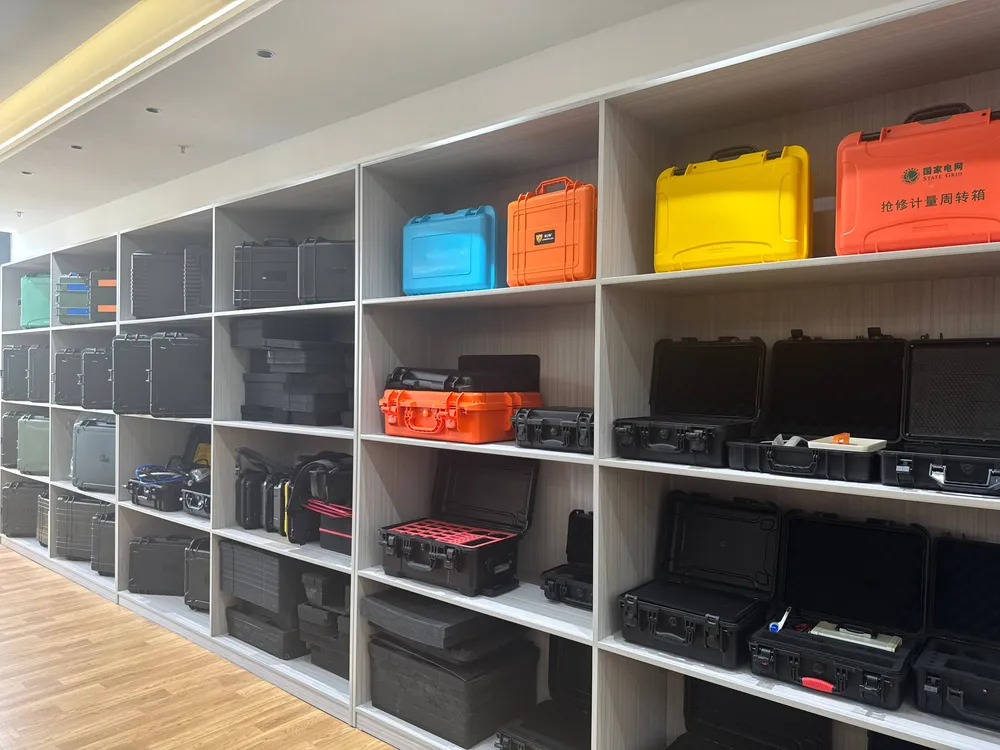
- Elastic recovery. A polymer shell absorbs an impact by flexing and largely returns to shape, where metal takes a permanent dent.
- Weight. For the same volume, a moulded case is typically much lighter, which compounds across a fleet.
- Corrosion. The shell does not rust, which matters in coastal, marine and chemical environments.
- Electrical insulation. Useful around live equipment and for personnel safety.
- Integrated geometry. Ribs, latch recesses, stack features and handle housings are moulded in, reducing part count and fasteners.
- Tooling economics. Once the tool exists, unit cost is low and consistent at volume.
Cost Is Not Just Unit Price
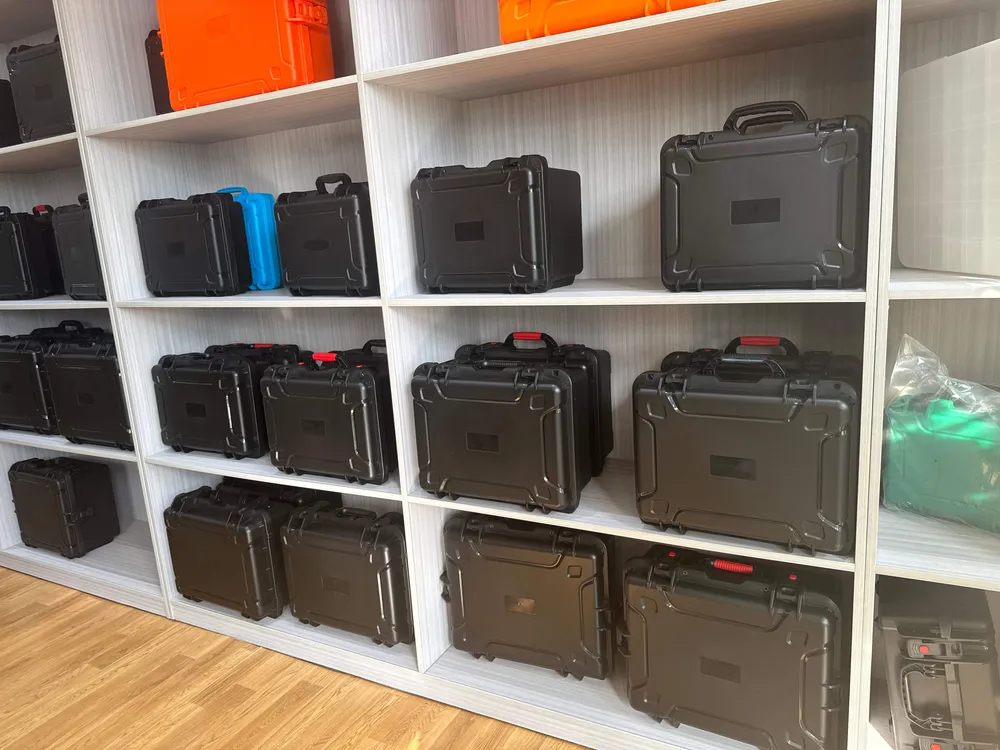
Aluminium cases usually carry a higher unit cost and are more labour-intensive to assemble, but require far lower tooling investment. Injection moulding is the reverse: significant upfront tooling, then low, repeatable unit cost at volume. For a handful of units, fabricated metal often wins on total cost; for hundreds or thousands, moulding usually does.
A Practical Decision Rule
Choose polymer when weight, corrosion, insulation and volume economics dominate — the majority of field, service and shipping applications. Choose aluminium when you need EMI shielding, extreme temperature performance, very large single spans, or a low-volume run where tooling cost cannot be amortised.