

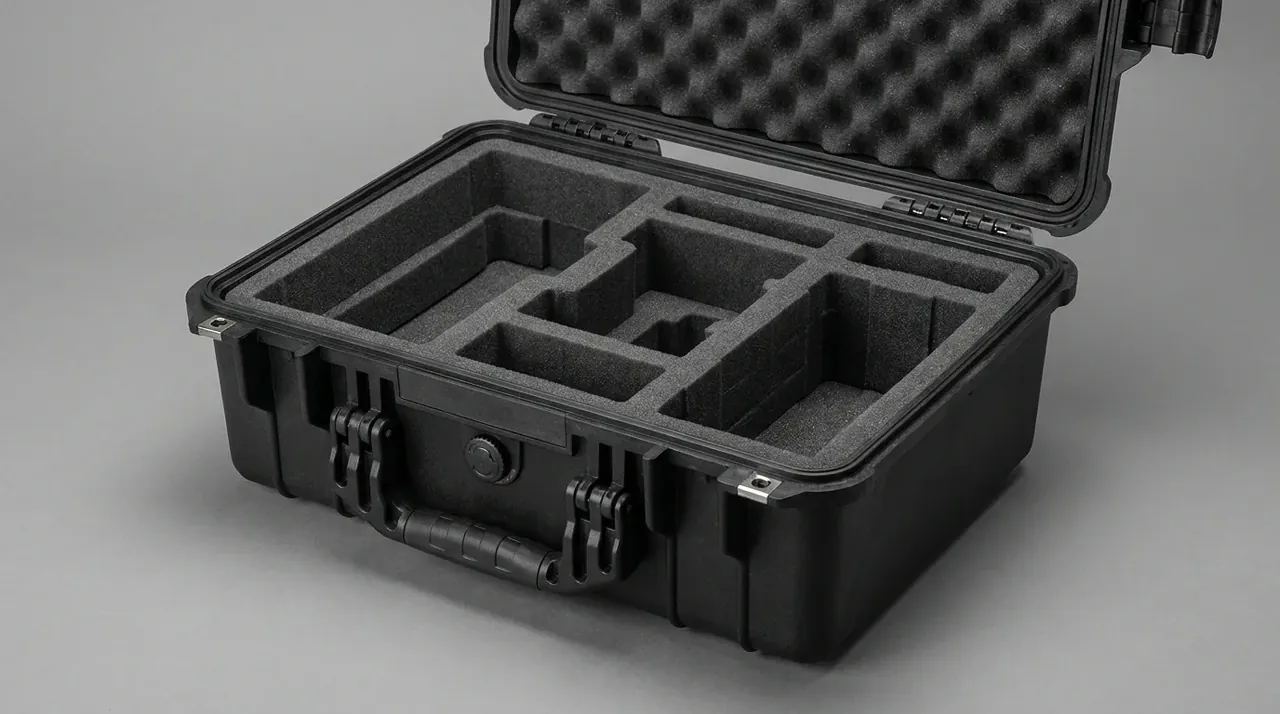
Quick answer: A csa case shares seven enclosure types with UL, but Canada adds a French nameplate line, a seven-digit file number and two to four audits a year.
Table of contents
- One mould, two type numbers
- The seven types, and where 4X earns its price
- A bilingual nameplate six millimetres tall
- cUL and two to four audits a year
- Three dimensions to lock before release
- FAQ
1. One mould, two type numbers
NEMA 250 fixes what Type 1 through Type 13 mean. On the Canadian side, CSA C22.2 No. 94.1 covers non-environmental factors while 94.2 covers environmental ones, where UL 50E lines up. A drawing marked Type 4X carries four characters, yet the bench reads 600 hours of neutral salt spray and a hose test behind them.
Selling one mould into both countries is not about running one extra test. One part number carries two explanations, because the Canadian buyer asks for the type number and the American buyer asks for the UL number plus a seven-digit file number.
| Enclosure type | What it keeps out | Key test | Typical location |
|---|---|---|---|
| Type 1 | Indoor dirt, finger contact | Shell rigidity, opening size | Switch rooms |
| Type 2 | Dirt plus 15° drip | Live parts stay dry | Indoor lines |
| Type 3R | Rain, sleet, ice load | No cracking after ice | Outer walls |
| Type 4 | Windblown dust, hose water | No standing water after hosing | Wash-down bays |
| Type 4X | Type 4 plus corrosion | 600 h salt spray | Coastal plant |
2. The seven types, and where 4X earns its price
Type 1 handles indoor dirt and finger contact only. A 0.5 mm lid gap passes there, because nobody promised water sealing. Type 2 adds a 15° drip requirement, which is why it turns up in plant rooms and warehouses rather than outdoors.
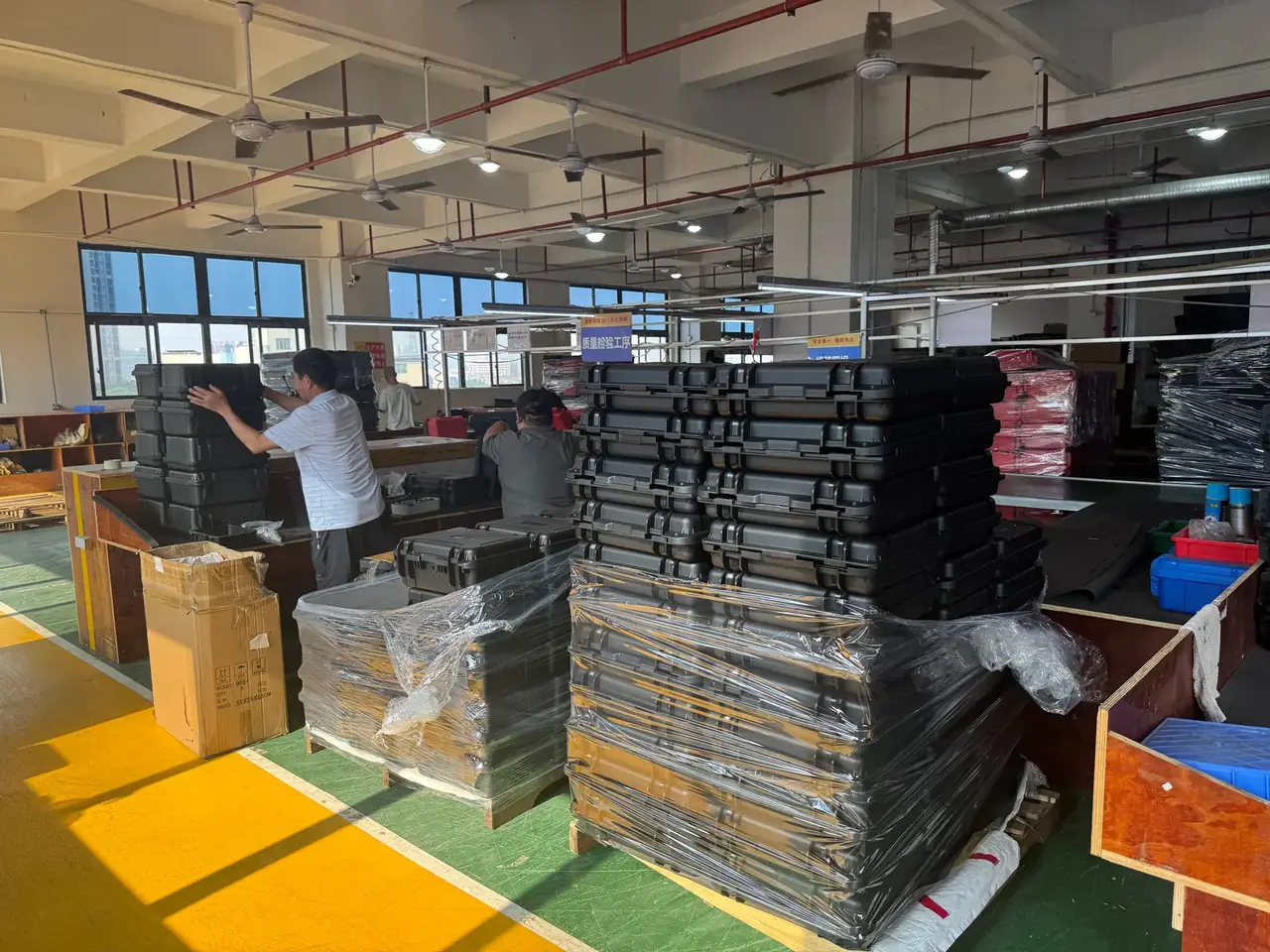
Type 3R is the outdoor entry point: rain and ice without cracking, but no dust sealing and no hose resistance. Type 4 brings windblown dust and hose water into scope, so the lid joint needs a 2.5 mm gasket section and four corner screws.
Type 4X adds corrosion to Type 4. Six hundred hours of salt spray is the gate, and stainless fasteners with a UV-stable colour have to be locked in early, or the hinges rust while the panels still look new. Type 12 returns indoors for dust and dripping non-corrosive liquid; Type 13 adds oil tightness against sprayed cutting fluid.
The expensive step sits between 4 and 4X, where the same size runs about 20 % higher. An indoor distribution board buys nothing from that premium, and a coastal job quoted as 3R comes back as a repair ticket in the first wet season.
3. A bilingual nameplate six millimetres tall
Canada enforces the language on the label. The CSA mark sits beside an English line and a French line, and a missing French line can stop a shipment at goods-in. Characters run 6 mm minimum, legible at 1 m, and the model number shrinks before that floor does.
Five fields are the floor: maker, model, enclosure type, electrical rating, seven-digit file number. The file number is the only index an inspector can match on site, and one wrong digit breaks the link to the shipment record.
| Label field | What it states | Format floor | Language |
|---|---|---|---|
| CSA mark | Certification body graphic | 6 mm minimum height | English and French |
| cUL mark | C and US together | Same height as main mark | English |
| Rating line | Volts, amps, frequency | 6 mm characters | Both languages |
| File number | Seven digits | On the model line | Either |
| Maker and model | Traceable producer data | 3 mm characters | English |
The usual French error is copying the English word Enclosure instead of the glossary term; the second is a lost accent during in-mould printing. Neither fault touches performance, and either one holds a batch at receiving for a week.
4. cUL and two to four audits a year
The cULus mark is the same approval written for two jurisdictions: C for Canada, US for the United States, and both letters mean both rule sets cover the unit. A shell carrying only the C mark reads as under-marked at a US dock, even when the report is identical.
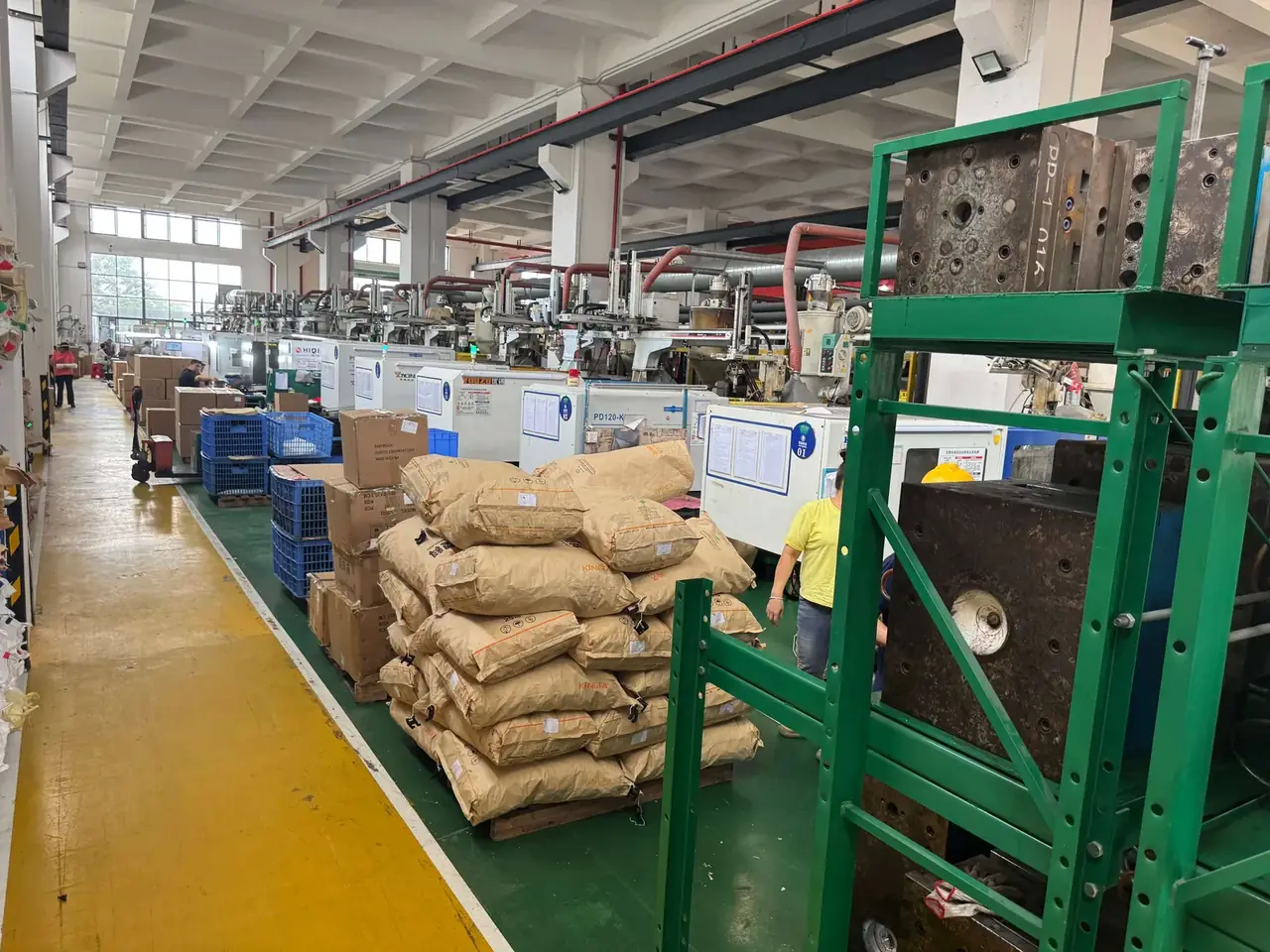
Surveillance usually runs two to four times a year as scheduled, with three finished units per visit. The inspector checks the part number against the certified drawing, the wall thickness, and whether the gasket batch traces to a goods-in note.
Miss the 30-day correction window and the right to apply the mark can be suspended, which means over-labelling units already in transit.
Temperature rise is measured at a 40 °C ambient, so venting and heat-sink positions must be settled before the tool is cut. An inspector who reads 5 K above the report will ask why.
5. Three dimensions to lock before release
Wall thickness first. Types 12 and 13 work at 3.0 mm, outdoor 4 and 4X should start at 4.0 mm, and thinner walls crack in a -40 °C drop. The gasket section is 2.5 mm at about 30 % compression, since a fully crushed seal pushes opening force past 120 N and the crew reaches for a screwdriver.
Then the spacing from a knockout to the wall corner, at least 12 mm, or the corner whitens as the gland is tightened. Then the nameplate area: five lines at 6 mm plus the mark need roughly 60 mm by 40 mm.
Finish those three and a quotation starts to mean something. Two suppliers quoting Type 4X one millimetre apart in wall thickness are 8 s apart in cycle time and around 6 % apart in piece cost.
Conclusion
Most arguments about a csa case end on the type number and the label, not on shell strength. Write the seven types, the bilingual plate and the audit cadence into the technical agreement, and both the compliance boundary and the price gap become arguable rather than assumed. Salt spray and temperature rise can be run to order with a third-party report; no need to pre-print a claim on the sample.
This article covers case-side specifications only and does not address any handling, loading or use of the contents.
Related Reading
- Certification sets for one export unit
- US import certification combinations
- Case export compliance for the US market
- UL94 V-0 and case flammability
- Factory inspection checklist for cases
Related Products
- 8 Series — Gun Cases; Military Equipment Cases; Camera Equipment Cases; Drone Cases; Watch Cases; Knife Cases; First Aid Cases; Electronics Equipment Cases
- WL8-2812 PP Gun Case — model WL8-2812
- All protective cases and toolboxes: 7 series, 158 models