

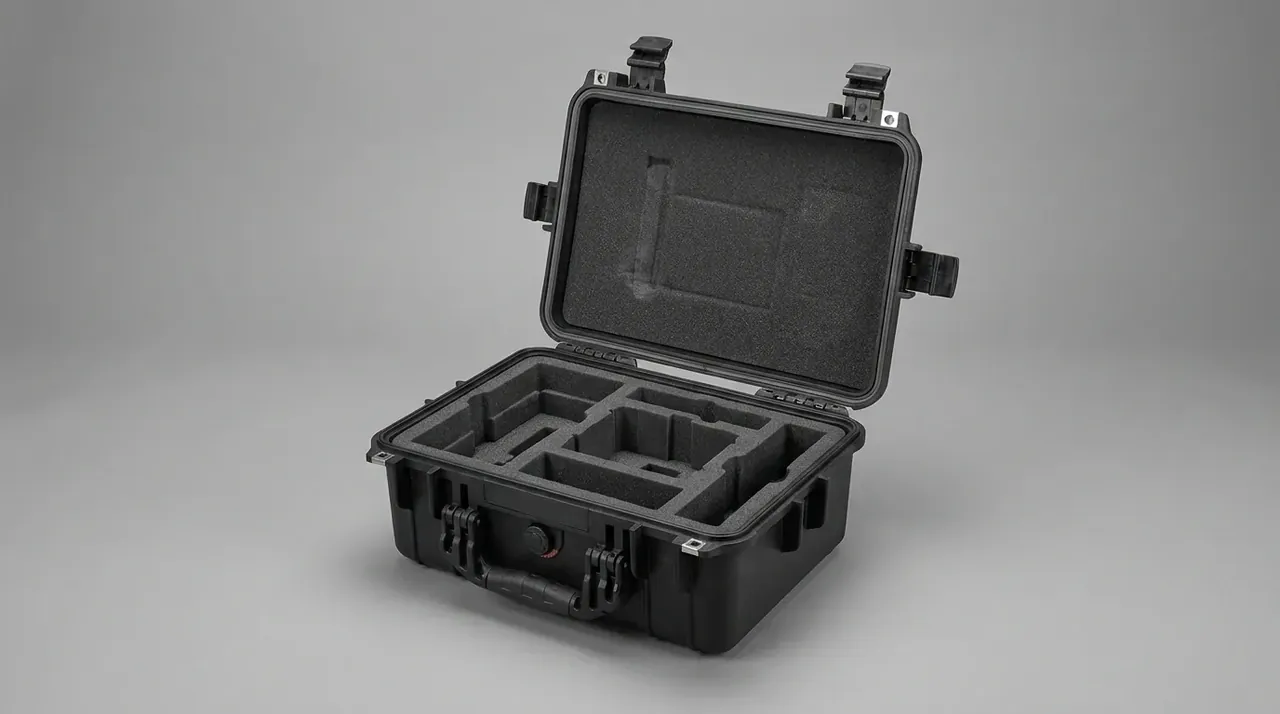
Quick answer: A case damage claim splits liability before it prices the loss: 12 cracked corners and 84 deformed latches in a 480-case lot bill 19,200 USD, less 15% salvage and a 500 USD deductible.
Table of contents
- Liability before money
- The 72-hour window and six photos
- Salvage and the deductible
- Carrier, forwarder and supplier
- Exclusions and the 45-day cycle
- FAQ
1. Liability before money
Five pallets holding 480 cases reached port with 12 cracked corners and 84 latches crushed on one side. The carrier blamed packing strength, the supplier blamed handling, and the forwarder said the stow plan came from the carrier. All three stories hold until evidence appears.
A case damage claim runs in one order: locate the stage, fix the proportion, then price it. Start with the number and the three parties argue about money forever. Here the cracks broke white with radiating marks, a single impact; the latches crushed in one direction across a row, a stacking load. Two defects, two owners.
| Defect pattern | Usual claimant | Test | Who proves it |
|---|---|---|---|
| Cracked corner, white break | Supplier blames handling | Impact mark on one carton corner, liner dented | Carrier files handling record |
| Crushed latches | Carrier blames packing | Deformation runs one way, carton top collapsed | Supplier files stack test |
| Soft, damp shell | Forwarder blames the case | Liner moisture above 12%, carton intact | Forwarder files hold climate log |
The table turns an argument into comparable physical evidence. Break pattern, deformation direction and moisture content can all be read within 24 hours of opening.
2. The 72-hour window and six photos
The 72-hour window is the reporting term in nearly every carrier contract and it starts at signature. File later and the carrier accepts only concealed defects, dropping recovery from 100% to 30%–50%. That clause outweighs any negotiation skill; one late day costs thousands.
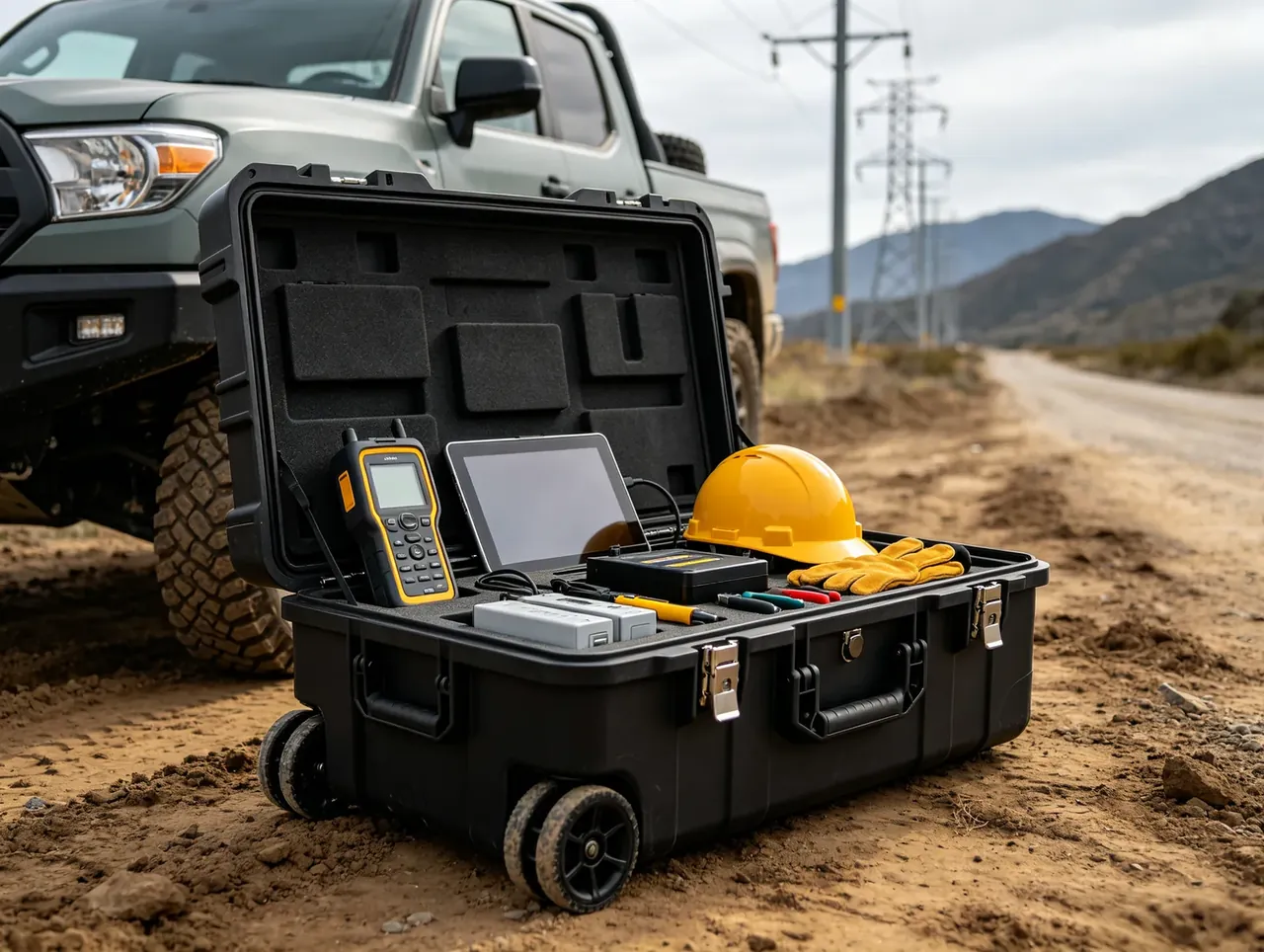
Six photos must cover six angles, and a missing frame returns the file. One: the whole pallet with pallet ID and seal. Two: all six carton faces, especially the crushed side. Three: the defect close up with a ruler against the edge. Four: liner against shell, showing displacement. Five: an intact case from the same lot for comparison. Six: the container door interior or trailer bulkhead, showing how the load sat.
Three rules apply. Use side light, because flash flattens crack shadows. Use the same ruler in every frame, with the scale legible. Keep the timestamp aligned with the filing time. Send original files; compressed JPEGs throw away exactly the pixels along a crack.
Sequence matters too: photograph before moving, seal before counting, because moving widens a crack and counting disturbs pallet positions. Seal the pallet with stretch wrap and a numbered strip, and put that number on the claim form.
3. Salvage and the deductible
The payout is not damage rate times value. It is claim value minus salvage minus deductible: 96 cases at 200 USD make 19,200 USD, 15% salvage takes 2,880 USD, the 500 USD deductible takes the rest, and 15,820 USD is paid.
| Line | USD | Basis |
|---|---|---|
| Claim value | 19,200 | 96 cases × 200 USD |
| Less salvage, 15% | −2,880 | Regrind and hardware recovery |
| Less deductible | −500 | Once per claim, not per case |
| Net payable | 15,820 | Settled in 45 days |
The 15% salvage is negotiated, not calculated. A cracked shell still regrinds and its latches and handles come off for reuse, which prices at roughly 15% of value. Ask for the regrind purchase receipt if the rate is pushed below 15%; a receipt beats a verbal discount.
The deductible applies per claim, not per case. Split one shipment into three filings and 500 USD is deducted three times, which is 1,500 USD against 2.5 cases of value.
The 45-day cycle counts from a complete file; one return restarts it and adds 15 days. Four items are needed: the claim form, six photos, the packing list with invoice, and the salvage disposal receipt.
4. Carrier, forwarder and supplier
Carrier liability starts at loading and ends at discharge, covering the cargo in the hold or on deck. Over-stacked tiers, weak lashing and hold leaks all sit with the carrier; crush from weak packing lets the carrier invoke a poor-packaging exclusion in nearly every contract.
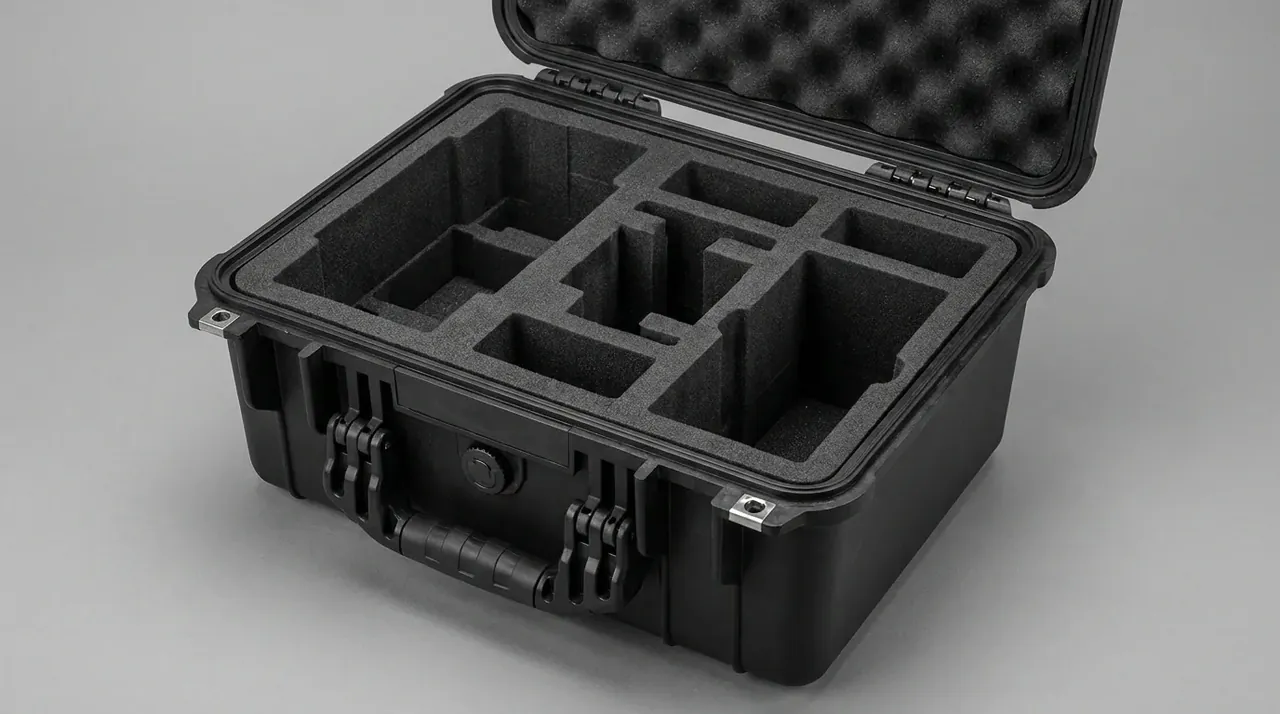
Forwarder liability sits in the handovers: booking, customs, terminal transfer and inland movement. The forwarder never touches the cargo but owns the choice of carrier, slot and transhipment. One transhipment doubles the handling count from 2 to 4 and usually doubles the damage rate.
Supplier liability ends at delivery, but the packing design and the stack test report are its evidence. A 4200 N compression result, a 5-high stack test and a 1.2 m six-face drop keep the poor-packaging charge at bay. Without those reports the supplier usually loses.
The forgotten boundary is acceptance at handover. Skip the check at the terminal and sign the warehouse receipt without a note, and liability lands on the last signature. Inspect at least 5% before signing, which is 5 cases out of a 96-case pallet.
5. Exclusions and the 45-day cycle
Poor packaging has four triggers: insufficient compression, liner displacement, weak sealing and pallet overload. They are also the four standard defences in a case damage claim. Compression shows in stack height, since 5 tiers and above needs five-ply AB board. Displacement shows when foam shifts more than 5 mm. Weak sealing shows as a single tape run. Overload shows above 800 kg gross per pallet.
All four can be self-checked before dispatch at no cost. Photograph the packed pallet at dispatch and compare it with the claim set, and a poor-packaging charge flips into a handling charge. Keep one copy of that dispatch set inside the top layer of the pallet.
The 45 days break into four stages: 3 days to file, 12 to assess, 15 to assign liability and 15 to pay. Assessment drags because surveyors are booked out; sending the six photos and packing list up front pulls it to 7 days.
Restocking after settlement has its own order. Ship the 24 cases the customer line needs first, by air, with freight inside the claim. Then replace 72 cases by LCL. Finally fold the 96-case gap into the next order. Reverse the order and a day of customer downtime usually costs more than the air freight difference.
Conclusion
A case damage claim is mostly decided within 72 hours of opening: photograph before moving, seal before counting, cover six angles with six frames, then apply claim value minus salvage minus deductible. Liability follows evidence, not volume. Cracks point at impact and the carrier, deformation points at stacking and the supplier, moisture points at the hold and the forwarder. Track the 45 days as 3, 12, 15 and 15, and restock 24 cases by air, 72 by sea, with the gap folded into the next order.
| No. | Evidence | What it settles |
|---|---|---|
| 1 | Pallet wide shot with ID and seal | Locks lot and seal integrity |
| 2 | Six carton faces, crushed side first | Separates stacking from impact |
| 3 | Defect close up with ruler | Sizes crack length and position |
| 4 | Liner against shell | Shows whether foam shifted |
| 5 | Intact case from the same lot | Rules out a batch-wide defect |
| 6 | Container door interior | Fixes stow and lashing duty |
This article discusses container-side specifications and design implications only, and does not cover any handling, loading or use of the contents.
Related Reading
- How transit damage rates are measured
- Why cases take on moisture at sea
- Repairing and replacing damaged cases
- Case repair and spare parts supply
Related Products
- 8 Series — Gun Cases; Military Equipment Cases; Camera Equipment Cases; Drone Cases; Watch Cases; Knife Cases; First Aid Cases; Electronics Equipment Cases
- WL8-2812 PP Gun Case — model WL8-2812
- All protective cases and toolboxes: 7 series, 158 models