

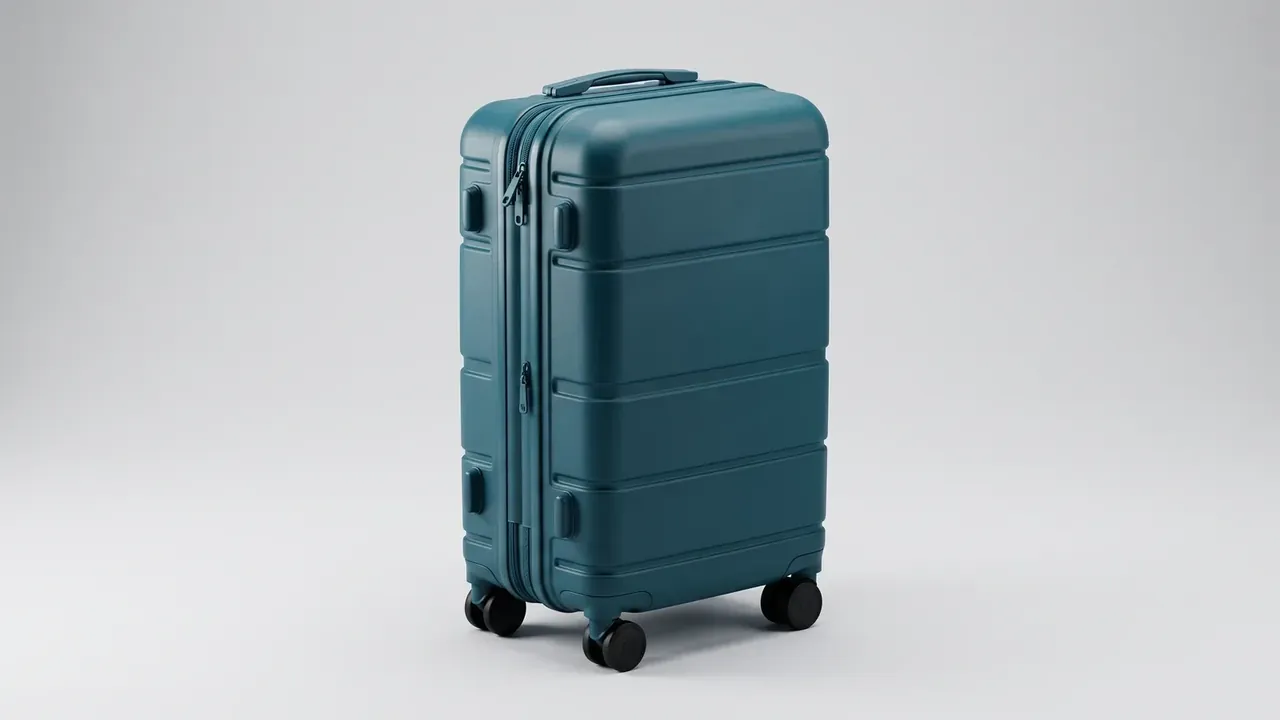
Quick answer: A Data Logger Protective Case keeps port-rim wear below 0.14 mm after 5,000 swings only when the R9 fillet and the 5.8 mm cover edge are set together.
Table of contents
- Cable-Port Fillet on a Data Logger Protective Case
- Width of the Port-Cover Pressing Edge
- Port-Rim Wear After 5,000 Swing Cycles
- Cover Looseness Re-Measured After Removal
- Fixing the Fillet for Wiring Batches
- FAQ
1. Cable-Port Fillet on a Data Logger Protective Case
Swing a harness five thousand times and one profilometer trace around the rim shows both the material lost and whether the cover has worked loose. The fillet on a Data Logger Protective Case is not cosmetic: its radius fixes which arc the jacket bears against at the extreme angle. A tight radius scuffs early, a wider one spreads the wear.
R9 starts this revision. The shell is 515×365×200 mm outside and 450×305×145 mm inside with a 4.1 mm wall, so a wider radius adds rim arc and pushes the pressing-edge landing outward; draw radius, port and edge on one section or they get dimensioned against each other. A Data Logger Protective Case cut with a sharp corner shows the same scuff at every harness diameter.
| Port grade | Fillet and arc | Jacket contact |
|---|---|---|
| Narrow | R7, short arc | Scuffs early |
| Set | R9, medium arc | Wear spread |
| Wide | R11, long arc | Edge pushed outward |
The R7 row scuffs before half the cycles; R11 has arc to spare but drives the edge onto thin wall. Only R9 keeps arc and datum both, so on a Data Logger Protective Case the choice is about clearance left beside the pressing edge.
2. Width of the Port-Cover Pressing Edge
The pressing edge is 5.8 mm of real contact where the lid lip folds over the port, not the plate thickness. A narrow edge concentrates the diagonal pull on one line and the cover lifts; a wider edge spreads it over a ring and holds looseness down.
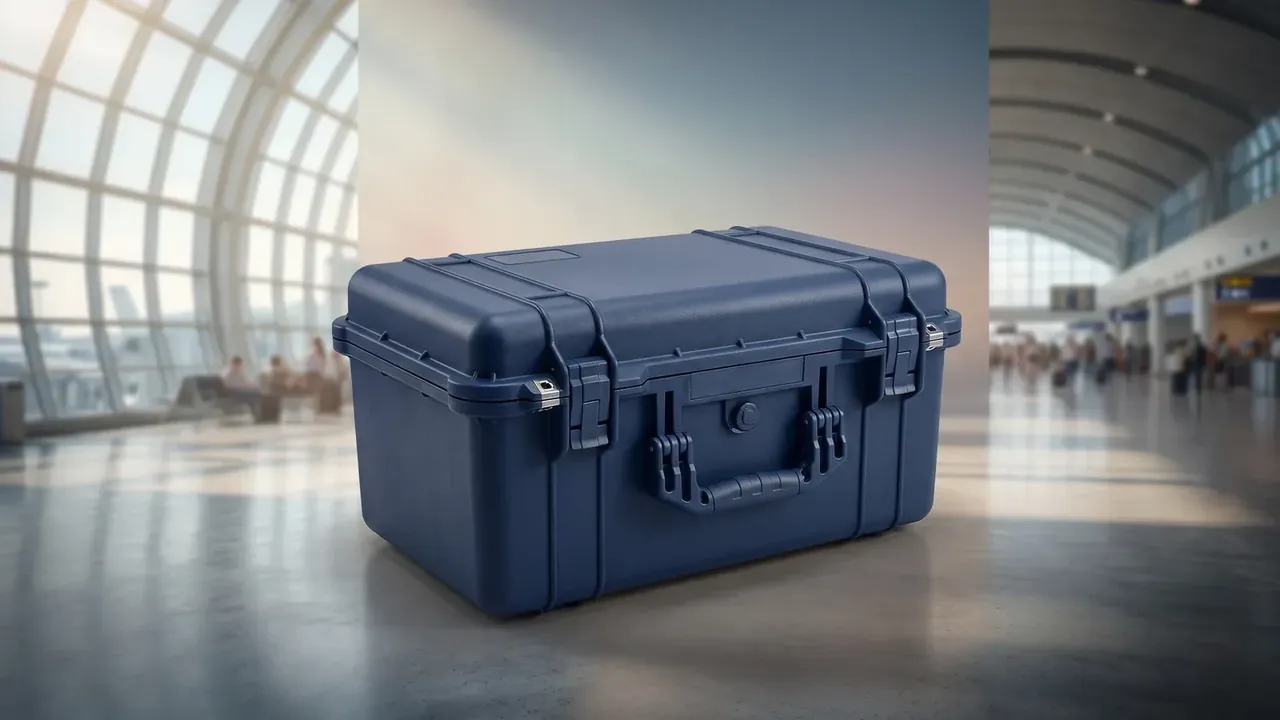
Edge width and fillet radius pull opposite ways: open the radius and the edge must widen, close it and the jacket pays. Setting 5.8 mm against R9 on a Data Logger Protective Case leaves grinding allowance for both in one mould. One gasket at 18% compression seals the port, and the rig reads cover looseness before rim wear.
3. Port-Rim Wear After 5,000 Swing Cycles
The rig folds the harness to 5,000 cycles, then a profilometer trace minus the baseline gives rim wear depth. A Data Logger Protective Case holds it below 0.14 mm; beyond that, fillet or edge has failed to carry the diagonal pull.
| Swing stage | Cumulative cycles | Wear depth and rim |
|---|---|---|
| Early | 1,000 | 0.03 mm, arc unchanged |
| Middle | 3,000 | 0.08 mm, contact polished |
| Final | 5,000 | 0.13 mm, inside 0.14 mm |
Three rising readings that never cross the line mean wear is spread evenly on a Data Logger Protective Case, not bitten from one spot. The 5,000 total leaves margin over the 4,550 open/close cycles, since a harness swings more often than the lid opens. Empty weight is 4.6 kg and loaded weight 10 kg, with 2 latches at 345 N each; latched, the lid carries no port load, so the trace reflects only rim and edge. A Data Logger Protective Case that creeps past 0.14 mm at the final stage is pulled from the batch rather than averaged with the early rows. The feeler gauge is read at three points around the rim, and the largest goes on the record.
4. Cover Looseness Re-Measured After Removal
Refit the port cover after the swing and a feeler gauge gives the cover looseness. A Data Logger Protective Case draws this at 0.19 mm, wider than the 0.14 mm wear, because one refit adds assembly error.
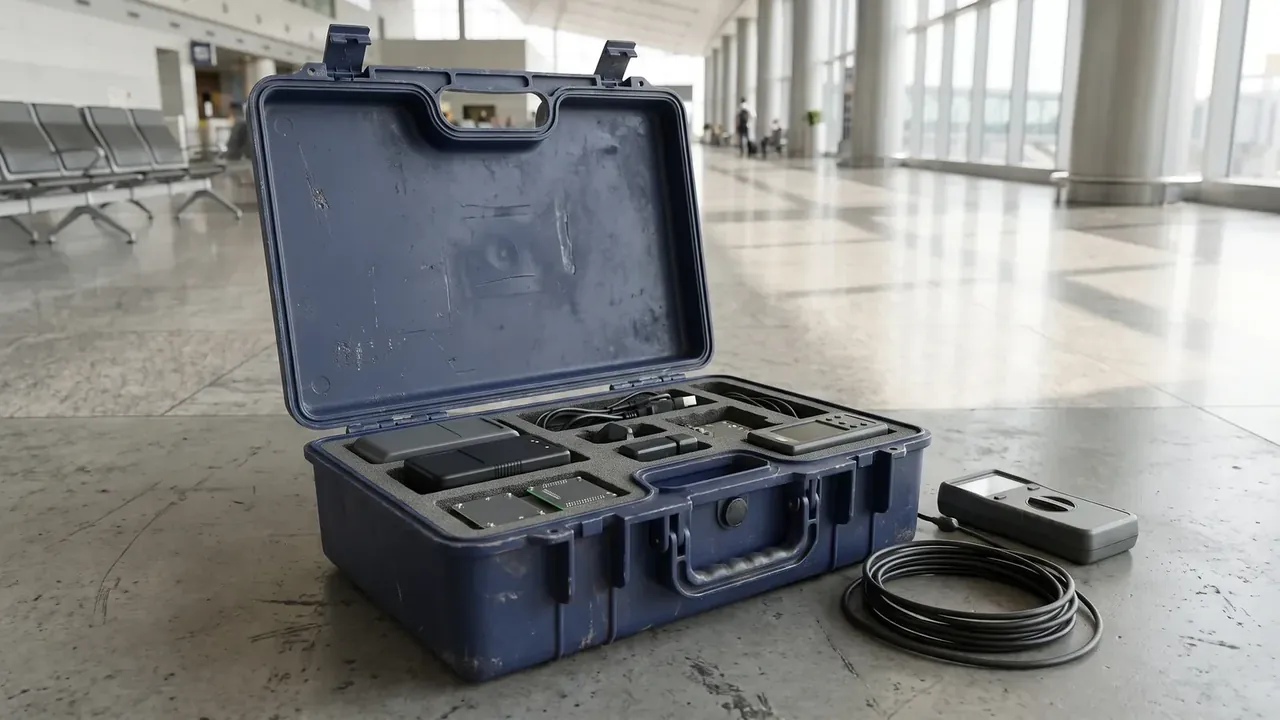
Wait for the cover to settle; an immediate reading hides the stored rebound, and three refits with the largest gap taken expose where the edge was thinned locally. Looseness and wear are different quantities, one about the fit, the other about material lost, so a Data Logger Protective Case logs them apart; wear inside the limit with looseness beyond it points to edge width, not the fillet.
5. Fixing the Fillet for Wiring Batches
The fillet is fixed at the widest grade whose cycle-5,000 rim wear stays below 0.14 mm; smaller ports do not enter the wiring drawing.
Shells from one mould are grouped by grade, three of each onto the rig. At 5,000 cycles wear is read, then the cover is removed for looseness. Only the widest grade passing both is signed onto the drawing; a grade passing one is retested. Once R9 is set, the 5.8 mm edge and 18% gasket compression are locked with it. Later batches check only these three instead of swinging every shell again. Baselines are kept so a material change cannot quietly alter the arc, and JUNZHIJIA signs fillet and edge on one section view.
| Wear reading | Grade | Cycle-5,000 result |
|---|---|---|
| Low | R7 | 0.09 mm, scuffed, rejected |
| Middle | R9 | 0.13 mm, accepted |
| High | R11 | 0.15 mm, edge out, rejected |
Only the middle R9 holds both, at 0.13 mm wear and under 0.19 mm looseness; a Data Logger Protective Case goes out on that grade with the IP66 target, the 515×365×200 mm outer size and the 4.1 mm wall filed alongside. Swap the liner compound and the same R9 drawing is re-run on the rig before any new batch is signed off.
Conclusion
The R9 fillet and the 5.8 mm pressing edge on a Data Logger Protective Case belong in one section view, or the 0.14 mm rim wear and 0.19 mm cover looseness after 5,000 swings cannot both be held. The grade is chosen on the final reading, not the tidy early number. Locking the pair, the 18% gasket compression and the 4.1 mm wall keeps later wiring batches off the rig. That is why the 0.13 mm final figure matters more than a clean first-stage trace.
Related Reading
- Automotive Test Equipment Cases: Protection for Bench Sensors & Data Acquisition
- Instrument Case Design: Damping, Level and Working Height
- Protective Case Foam Thickness: 5, 10, 15 mm
Related Products
- 8 Series — Gun Cases; Military Equipment Cases; Camera Equipment Cases; Drone Cases; Watch Cases; Knife Cases; First Aid Cases; Electronics Equipment Cases
- WL8-2812 PP Gun Case — model WL8-2812
- All protective cases and toolboxes: 7 series, 158 models