

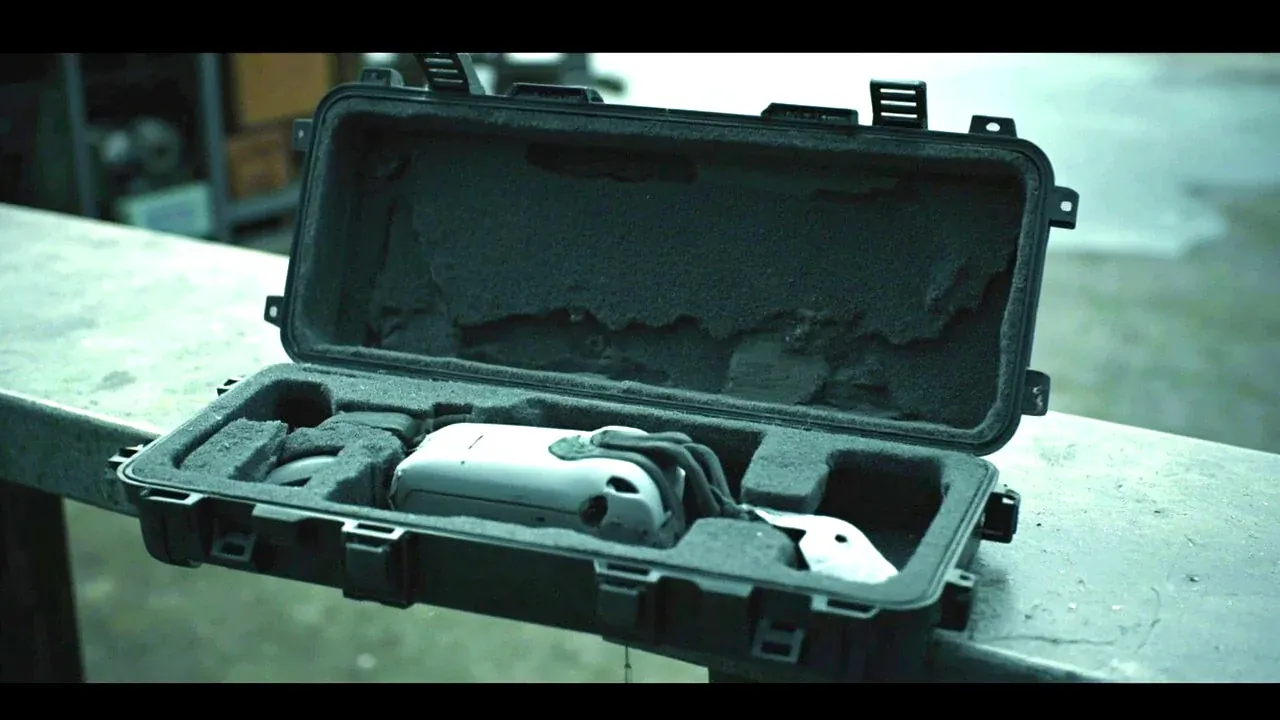
Quick answer: Four problems dominate drone cases: collapsed foam, crushed arms, batteries sharing space, and a lid pressing the gimbal. All appear after about six months, invisible at purchase, and all are answered by inspection and liner rework. One test: close the case and shake it — a shifting sound means the liner has failed.
Table of contents
- The four common drone case problems
- Foam collapse: test, replacement and material
- Crushed arms: separate slots and a supporting face
- Shared batteries: separation, heat and readings
- Rework order and acceptance
- FAQ
1. The four common drone case problems
First, foam collapse: cut foam compresses with every cycle and loses grip within six months. Second, crushed arms, which bend when they lack their own slot. Third, batteries sharing a compartment and heating each other. Fourth, a lid pressing the gimbal and shifting its zero.
All four are gradual — nothing on day one, visible six months later, usually after flight stability has suffered. Maintenance cannot wait for failure; it runs on three checks: shake, look at the slot walls, look at the lid gap.
| Problem | Early sign | Test | Fix |
|---|---|---|---|
| Foam collapse | shifting sound when shaken | slot wall compressed 20 percent | replace insert |
| Crushed arm | bend marks on the arm | impression under the arm | add arm slot |
| Shared batteries | temperature gap before flight | two packs in one bay | add divider |
| Gimbal pressed | zero drift | resistance when closing | relieve or add clearance |
2. Foam collapse: test, replacement and material
The test is slot compression, not appearance: measure the slot with the airframe out and compare with the original width; twenty percent compression means failure. A caliper takes ten seconds and beats judging by feel. Do not shim with cloth or paper — it concentrates load.
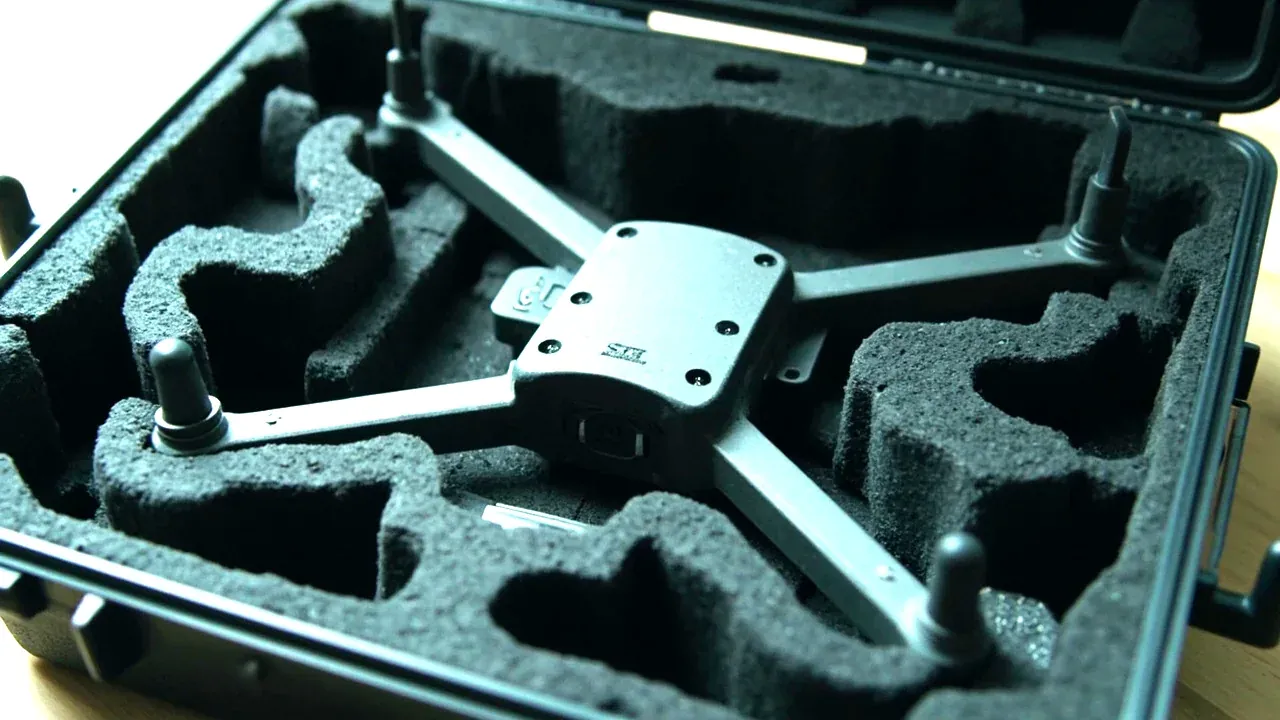
Replace with higher-density polyethylene, or go two-layer: hard foam for shape, soft foam for grip. Two layers typically double service life at about thirty percent more cost and more cutting work.
3. Crushed arms: separate slots and a supporting face
The cause is insufficient bearing area. A thin-walled arm lying in a flat slot touches on one line, and the lid concentrates stress there. Give each arm its own slot with a curved seat, turning line contact into area contact.
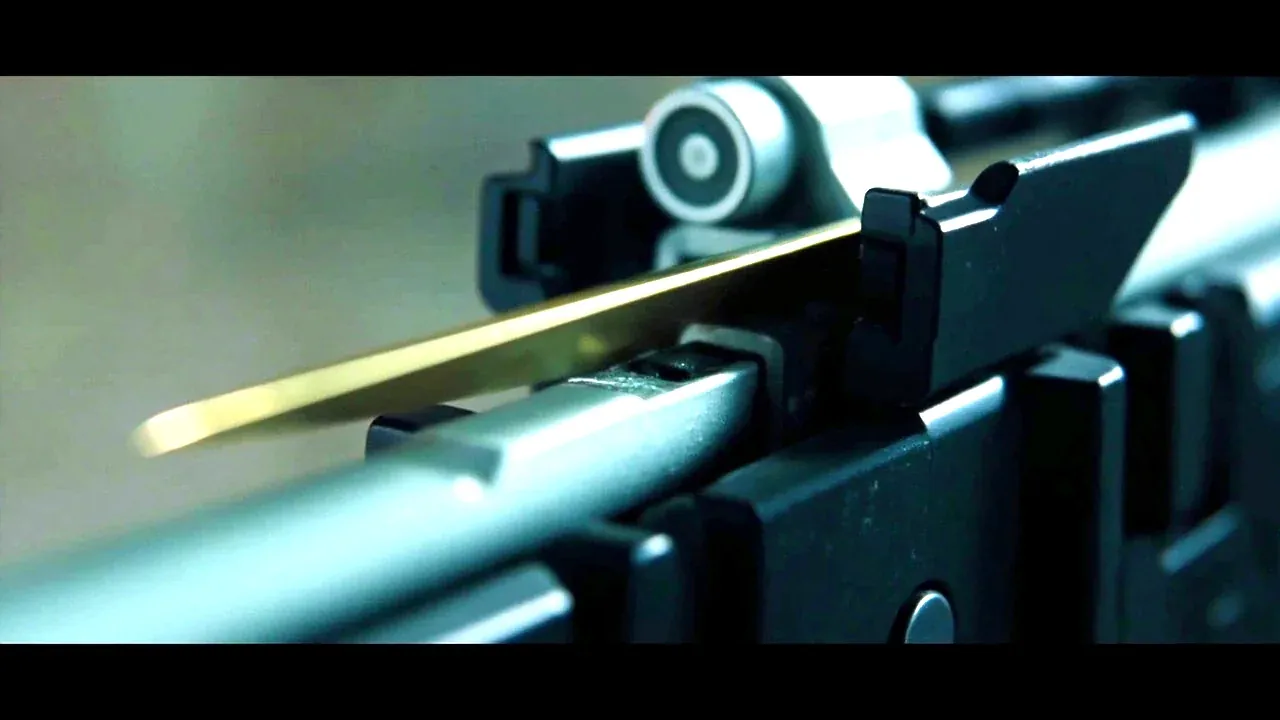
Watch the depth: too deep and it must be dug out, too shallow and the lid still presses. Seventy percent of the arm diameter, with a chamfer at the mouth for fingers.
4. Shared batteries: separation, heat and readings
The first effect of shared batteries is not safety but readings. Strapped together, one warms the other and pre-flight voltage and temperature lie, potentially passing a failing pack. Separated, each reading stands alone.
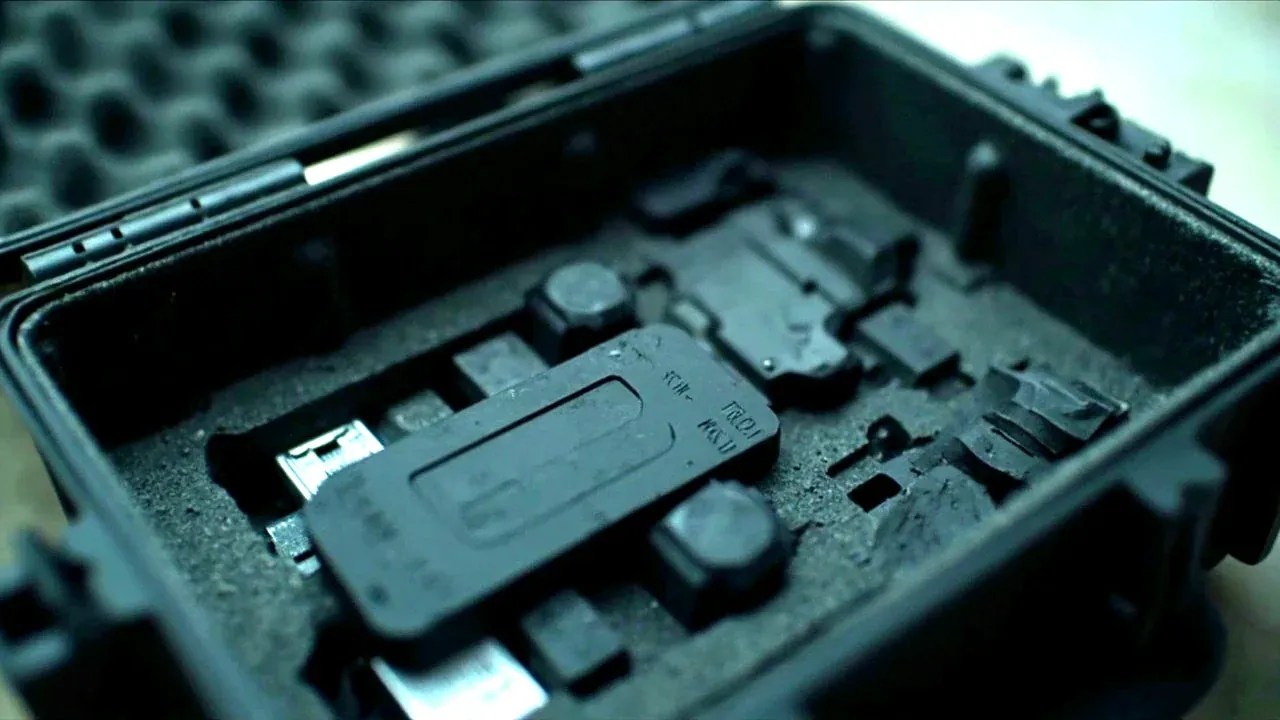
Two fixes: a flame-retardant divider, or a split battery bay. The first is minimal, the second thorough. Leave a cable notch either way, or charging leads end up under the packs.
5. Rework order and acceptance
Rework in the order of lid interference, then grip, then separation. Ignore interference and the others get pressed back; ignore grip and the airframe still moves. Most sites reverse this and end up with a case that still rattles.
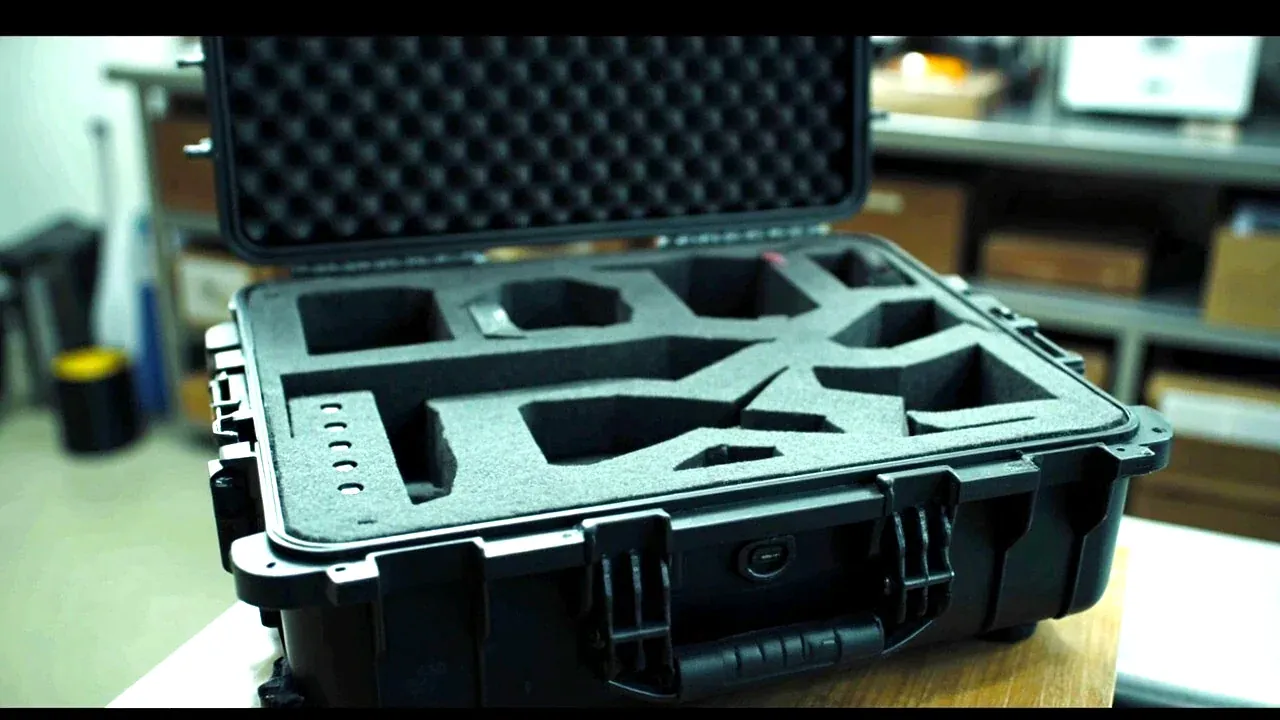
Accept with three actions: shake closed with no shifting sound, lift out without digging, close without resistance. All three pass and the liner is back to design; any failure sends you back one step.
Conclusion
Almost every drone case fault surfaces through three actions: shake, measure the slot walls, look at the lid gap. Foam collapse is the most common, arm crush the most damaging in flight, shared batteries the most misleading, and gimbal pressure the hardest to spot. Rework in the order lid, grip, separation — reversed, it still rattles.
This article covers container-side specifications and design implications only, not the handling, loading or use of the contents.
Related Reading
- Choosing a drone case
- Tool box foam lining selection
- Sealing and pressure equalisation
- Case repair and spare parts
Related Products
- 8 Series — Gun Cases; Military Equipment Cases; Camera Equipment Cases; Drone Cases; Watch Cases; Knife Cases; First Aid Cases; Electronics Equipment Cases
- WL8-2812 PP Gun Case — model WL8-2812
- All protective cases and toolboxes: 7 series, 158 models