

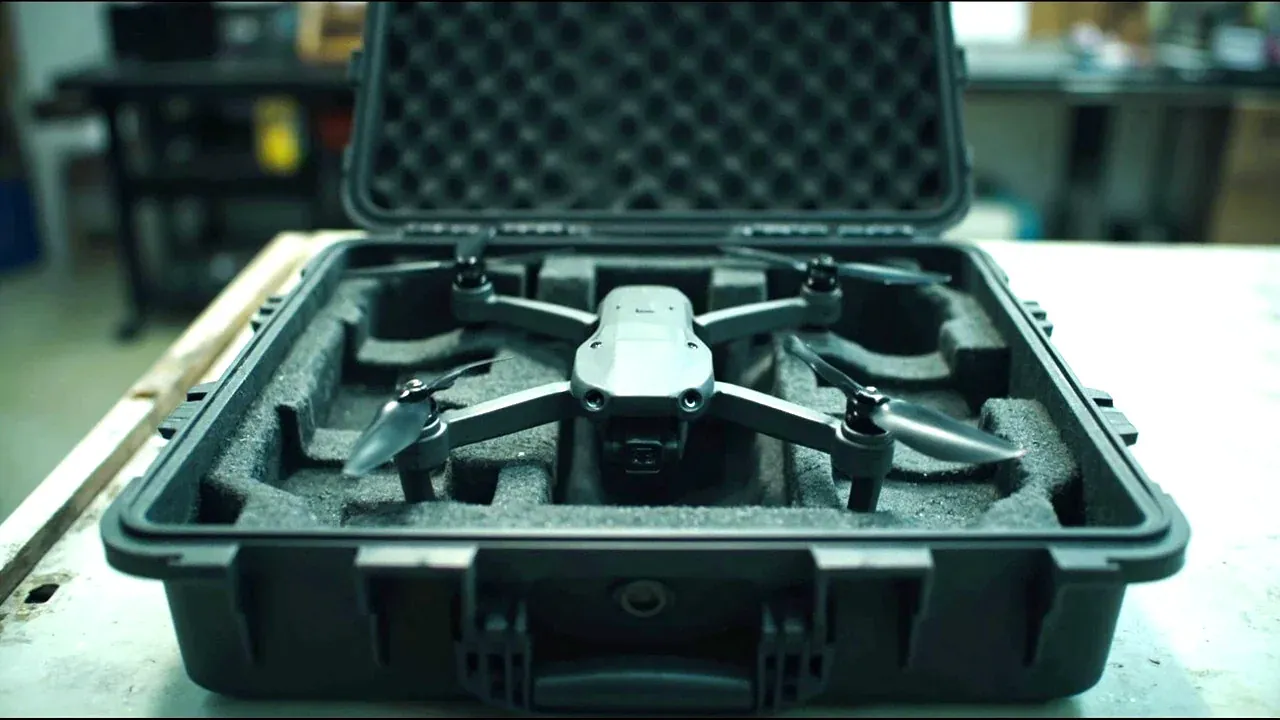
Quick answer: A drone case is chosen by envelope, zoning and pressure — not by picking a size. The airframe envelope sets internal dimensions, prop and gimbal zoning decides how the foam is cut, and pressure equalisation decides whether the case works across altitude and temperature. The third is the one most often missed, and it is why sealed cases fail in the mountains and the cold chain.
Table of contents
- Choosing a drone case: measure the envelope first
- Props and gimbal: separate zones, not one slot
- Batteries: separation and heat
- Opening the case is setting up the station
- Pressure and temperature: the hidden threshold
- FAQ
1. Choosing a drone case: measure the envelope first
The envelope is not the body size but the outermost dimensions with props and gimbal attached. On most airframes the prop diameter exceeds the body diagonal and still overhangs when folded; gimbals and landing gear often run wider than the body. Measure the body and the props press into the liner.
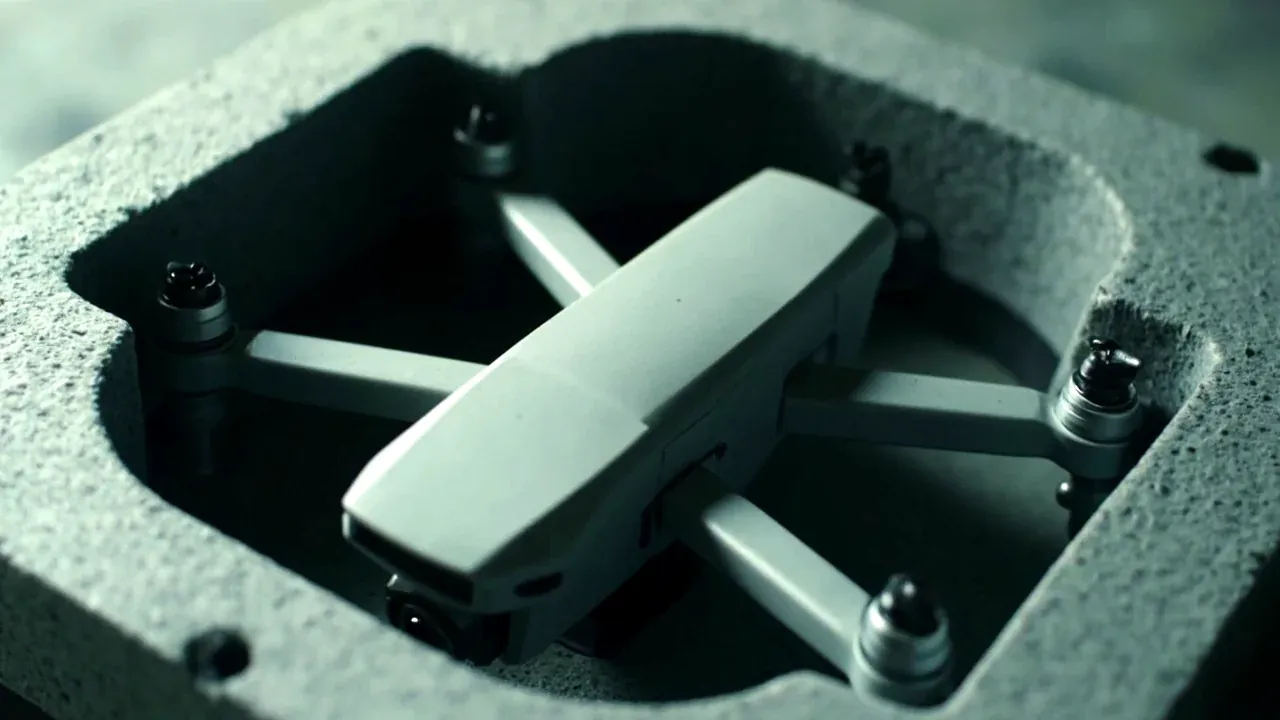
Set the aircraft in its packed attitude and measure length, width and height at their maximum, adding ten millimetres each. That allowance covers liner fit and finger room; less than that and the unit takes force to seat and wears the foam.
| Dimension | How to measure | Allowance | If short |
|---|---|---|---|
| Length | maximum with props out | 10 mm | hard to seat, foam wears |
| Width | including landing gear | 10 mm | body jams on the wall |
| Height | including gimbal and antenna | 15 mm | lid presses the gimbal |
2. Props and gimbal: separate zones, not one slot
Props are the most fragile item in a drone case: thin, elastic and always folded. Sharing one slot with the body means the body presses them, and after a few trips they take a permanent bend that shows up as vibration.
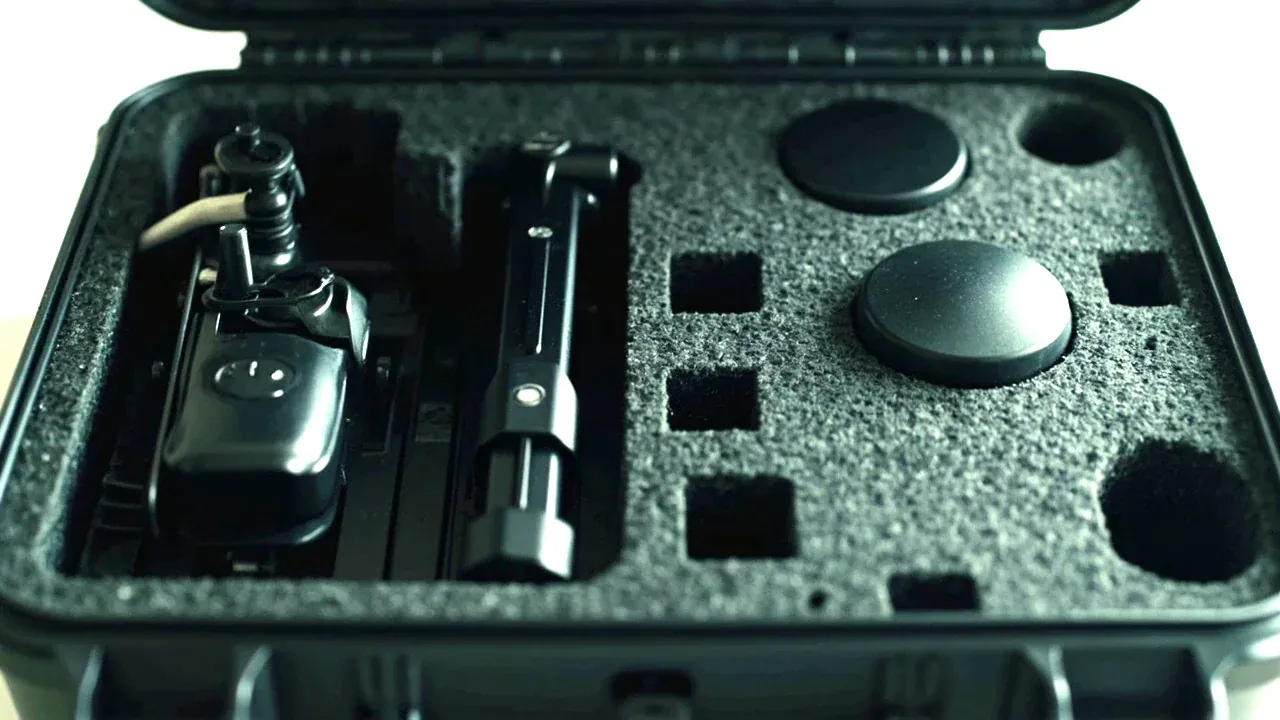
A gimbal needs its own fixing and a supporting face. Being three-axis, pressure from any direction can shift its zero; foam gripping the sides is not enough — it needs a seat below and clearance above.
3. Batteries: separation and heat
Batteries need one compartment each. Beyond short-circuit risk, two packs strapped together share heat: one warms the other and the pre-flight reading lies. Separated, each pack's temperature and voltage stand on their own.
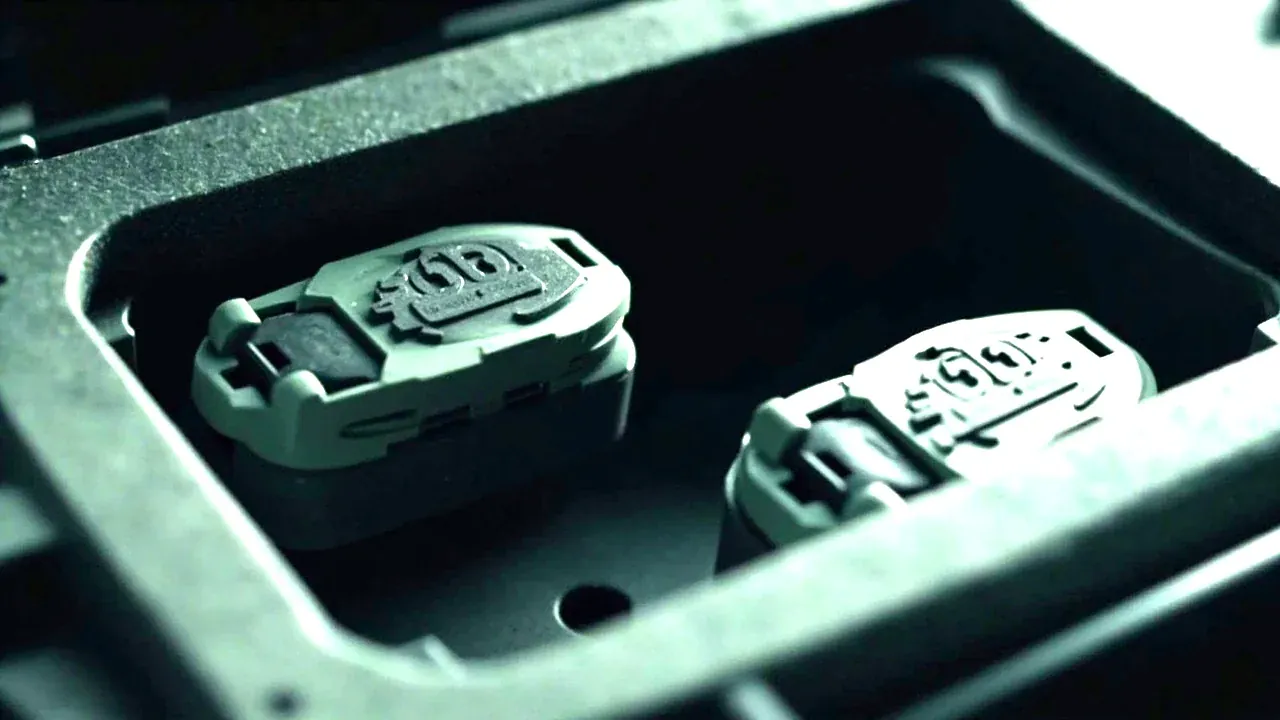
Use flame-retardant foam or an insert between compartments. A sealed case traps heat, and internal temperature can run ten degrees above ambient after a long haul — obvious in a summer vehicle.
4. Opening the case is setting up the station
Field sites rarely have a bench, so the case becomes the station. The lid must hold at an angle without falling, the liner face must be flat enough for small parts, and the order of access should match the pre-flight check: airframe, props, batteries, then controller.
Matching the order removes a search step. Batteries on top are convenient but break the sequence — power goes in after props, and a top-layer battery invites early connection. Layer by procedure, not by weight.
5. Pressure and temperature: the hidden threshold
A sealed case builds a pressure difference across altitude and temperature. It makes the lid hard to open and deforms the gasket through repeated compression. Two answers exist: a self-equalising valve, or manual venting before each opening — one costs money, the other depends on people.
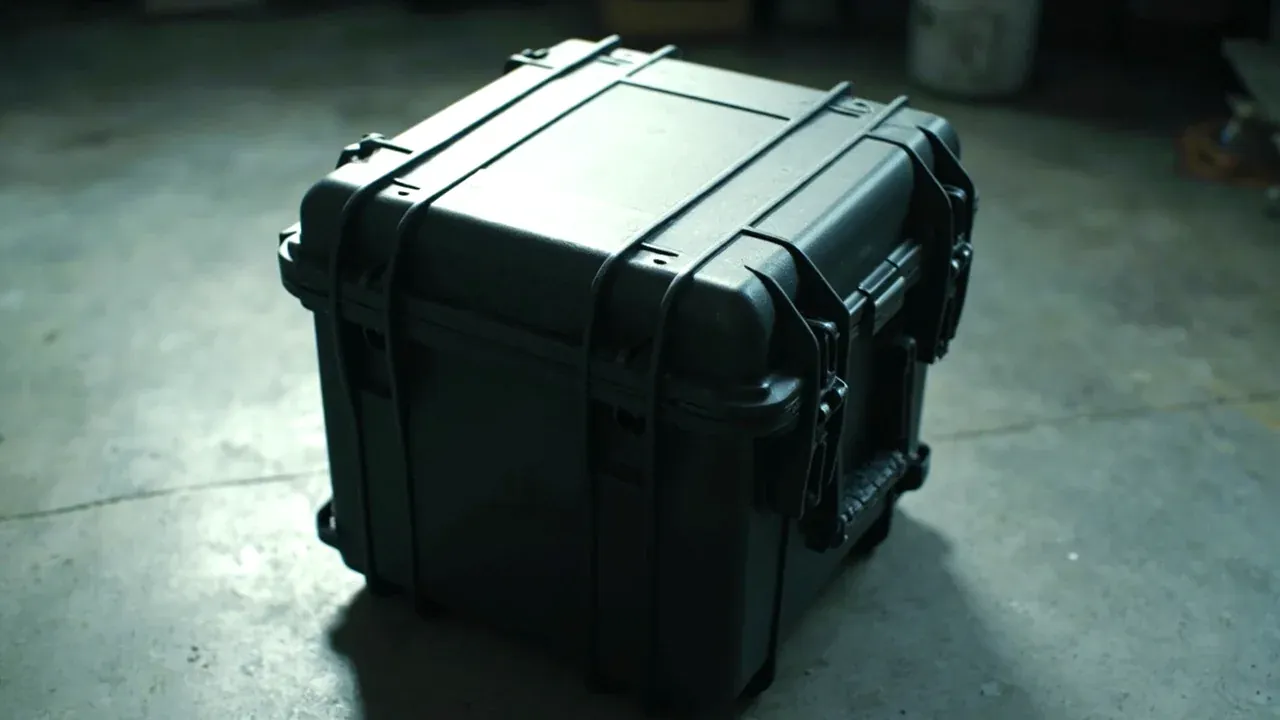
Choose a bidirectional vent with a hydrophobic membrane; a one-way valve cannot draw air in as pressure falls and the case goes negative. This shows up in high-altitude transport and air freight, and explains cases that will not open on site.
Conclusion
Three lines settle a drone case: measure the outermost envelope, zone props and gimbal separately, and give every battery its own compartment. One hidden threshold remains — the pressure valve, absent from the front page and decisive on a plateau or in a cold store.
This article covers container-side specifications and design implications only, not the handling, loading or use of the contents.
Related Reading
- Drone case problems and liner fixes
- Equipment Cases: General Instrument & Gear Transport Prote…
- Tool box foam lining selection
- Sealing and pressure equalisation
Related Products
- 8 Series — Gun Cases; Military Equipment Cases; Camera Equipment Cases; Drone Cases; Watch Cases; Knife Cases; First Aid Cases; Electronics Equipment Cases
- WL8-2812 PP Gun Case — model WL8-2812
- All protective cases and toolboxes: 7 series, 158 models