

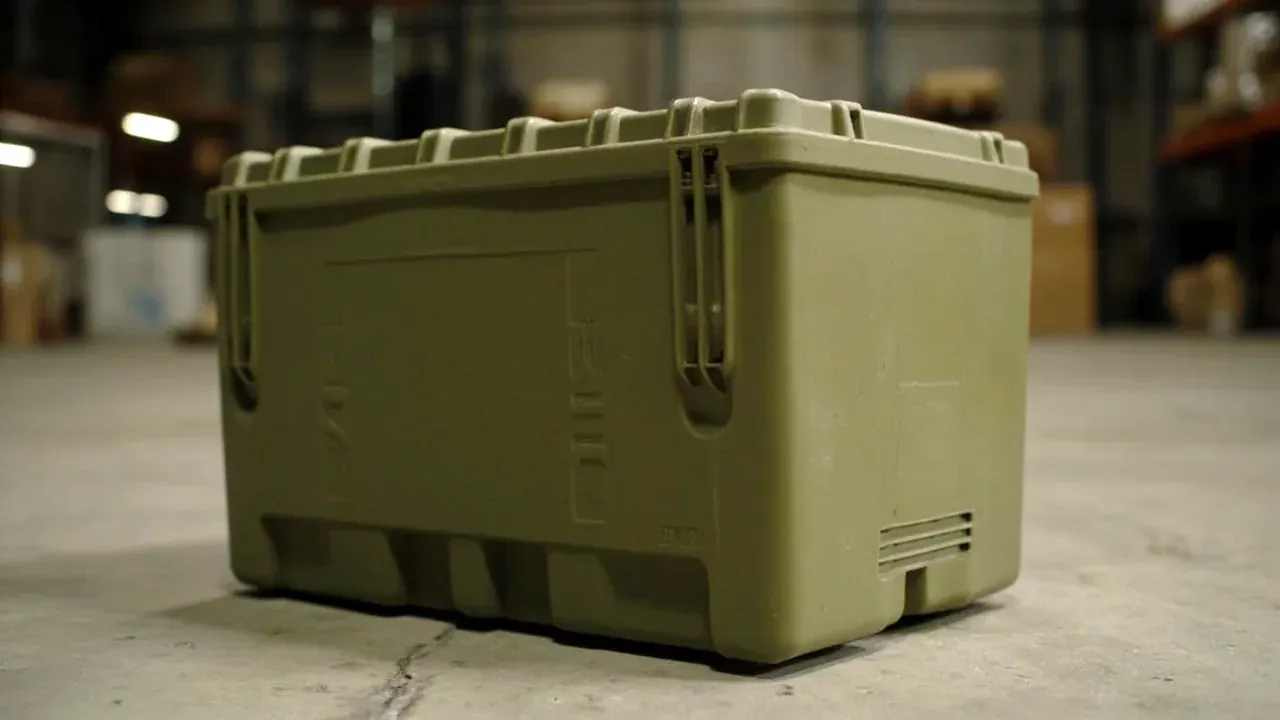
Quick answer: An explosion proof case is a rotomolded shell arranged around pressure from inside, not a sealed box with a heavier lid. Three routes exist: relief, which lets overpressure out through a designated face; containment, which carries the load in thick walls and narrow joints; intrinsic safety, which limits energy before it reaches the shell. Four details carry the design: wall and ribs, vent direction, joint form, fastener spacing. All four can be measured at goods-in.
Table of contents
- Definition: a direction first, an outline second
- Three routes: the load lands in different places
- Four details: wall, vent face, joint, fasteners
- Inspection: four moves at the goods-in desk
- Order of judgement: from duty back to dimensions
- FAQ
1. Definition: a direction first, an outline second
An explosion proof case starts from a direction, not an outline. Three answers come first: which face may vent, where it points, and what sits in that path. Wall, joint and fastener layout follow; the shell shape is only their result.
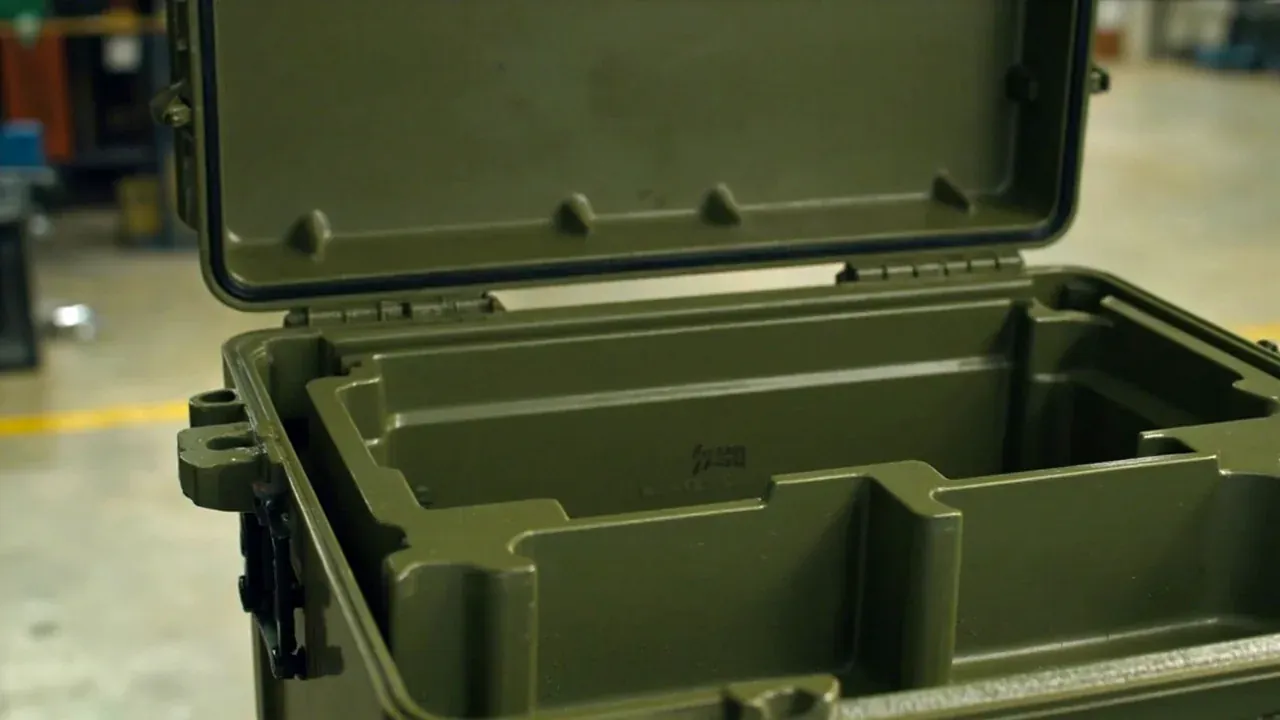
Two cases can share an outline and share nothing else. Look for the vent path: a separate panel, an opening disc, a band of controlled thin wall. An explosion proof case without that path is a thick protective box wearing the name.
| Route | What carries the load | Shell-side focus | Where it fits |
|---|---|---|---|
| Relief | one face opens first | vent area, direction, fasteners | brief pressure, controlled position |
| Containment | shell and joints take all of it | wall, joint length and gap, bolts | flame stays inside |
| Intrinsic safety | the shell carries nothing | isolation, marking, bonding | energy limited upstream |
2. Three routes: the load lands in different places
Relief gives the load to one face that opens near a set value. Containment keeps pressure inside and cools what escapes through narrow joints. Intrinsic safety limits energy upstream, so the shell only isolates. Routes can stack, but they never cancel.
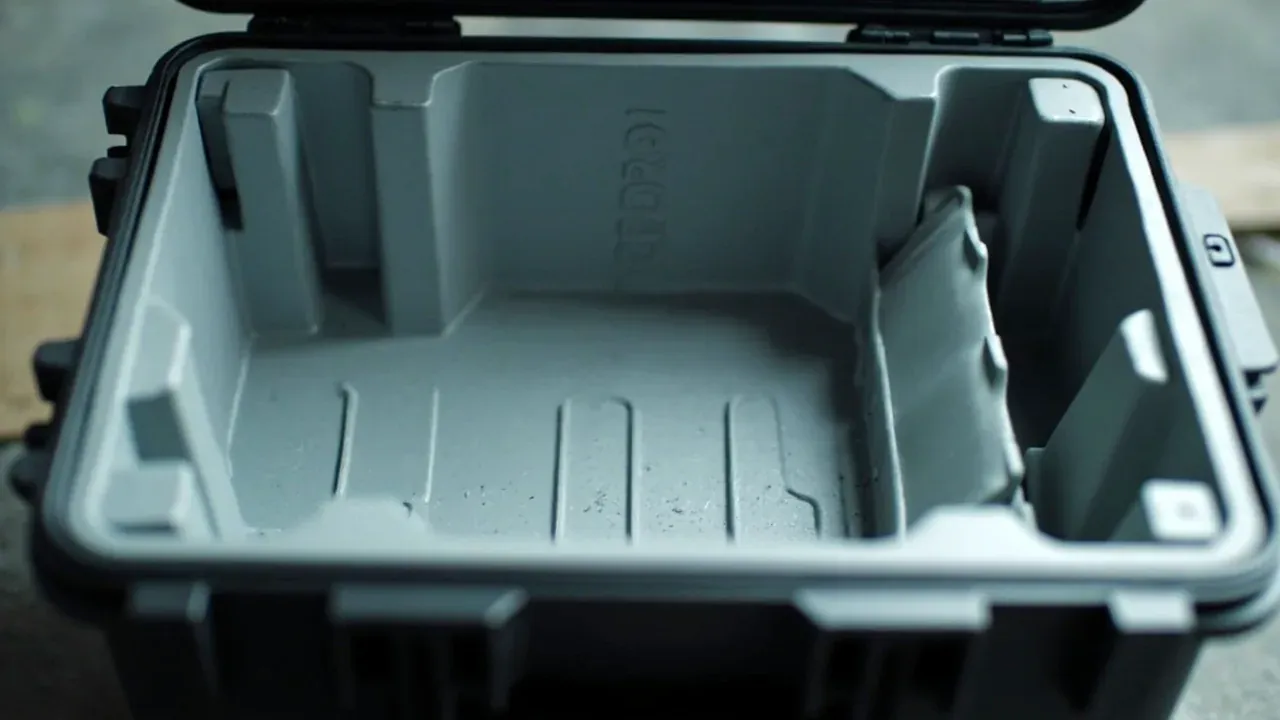
A rotomolded case sits mostly on the first route. Twin polyethylene walls take handling loads well and pressure poorly, so the vent must be hardware, not a drawing note. Block it with a divider and the explosion proof case loses its only exit.
3. Four details: wall, vent face, joint, fasteners
In an explosion proof case, wall and rib set deflection. A twin wall runs 6 to 10 mm, plus a millimetre at rim and base. Ribs stand 15 to 25 mm at 150 to 200 mm centres, roots radiused at 8 mm, because a square root starts the crack.
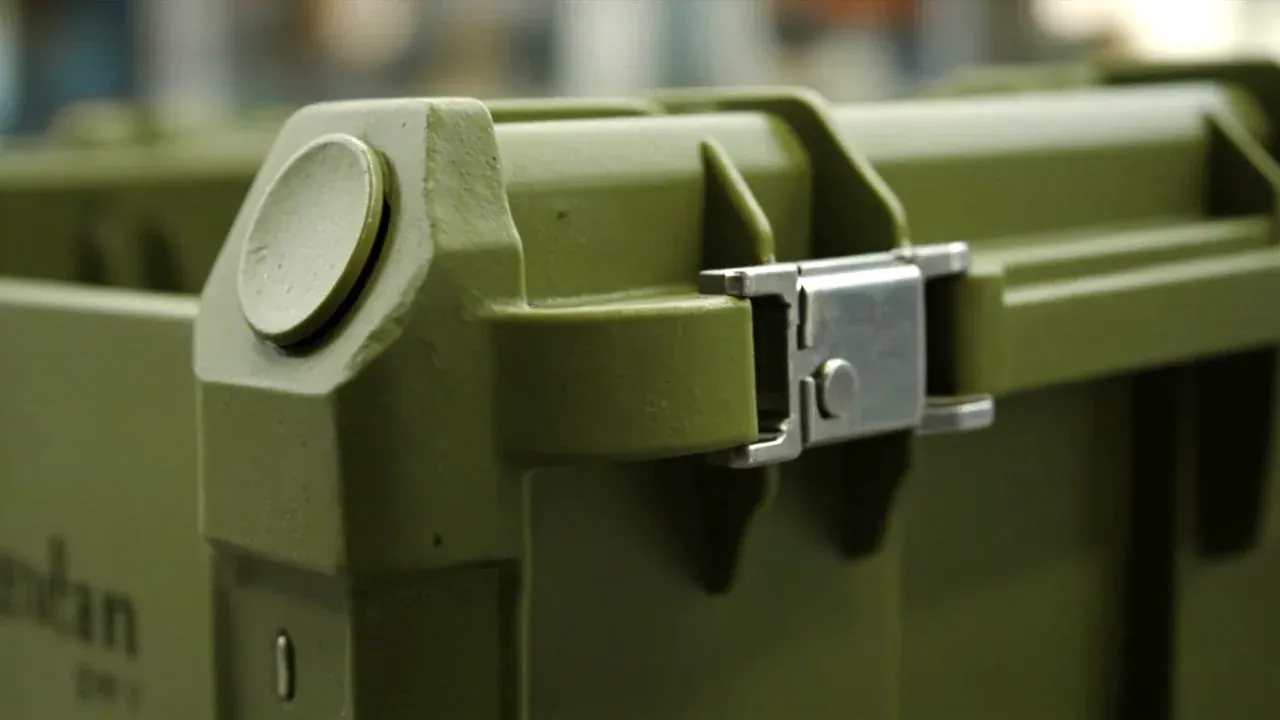
The rest is placement. The vent faces outward or upward, clear of walkways and strap rails, at 15 to 25 percent of the side. Joints are stepped tongue-and-groove, gasket compressed 25 to 35 percent, fasteners every 200 to 300 mm.
4. Inspection: four moves at the goods-in desk
Four checks at goods-in: wall at rim and rib root, fastener spacing, joint gap with the lid shut, vent travel by hand. A wall a millimetre under drawing or a 0.3 mm feeler in the joint sends the explosion proof case back.
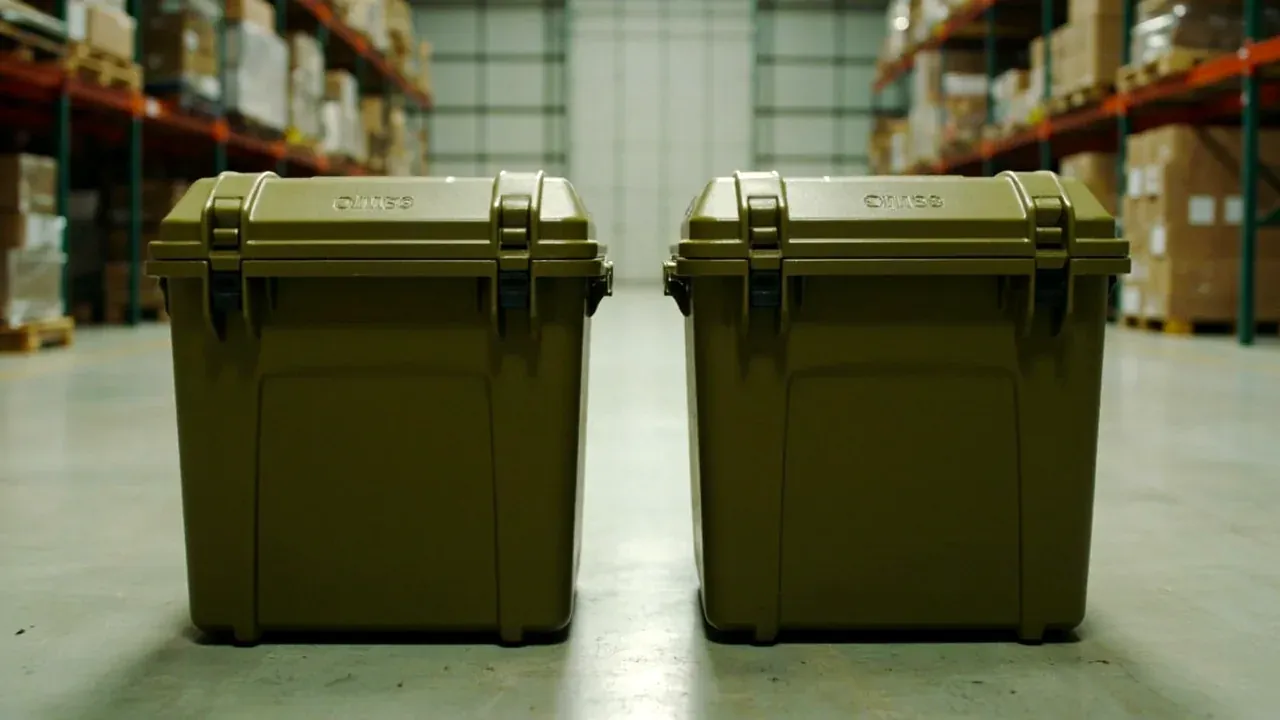
Treat the vent as its own item. It must be separate and never covered by a divider, strap or nameplate. Where a rating matters, the explosion proof case is built to the structure of the relevant level, and the third-party report is the evidence.
5. Order of judgement: from duty back to dimensions
Selection runs backwards. Fix the highest pressure the contents could raise, size the vent from it, place fasteners, then set wall and rib for handling and stacking. Reverse it and the vent faces a wall or sits under another case.
For dust and rain alone, a protective case is lighter and cheaper. Where a short fault can raise pressure and the position is uncontrolled, the explosion proof case needs a relief route. Three tests decide: source, direction, records.
Conclusion
For an explosion proof case, read it in one order: find the vent path, measure wall and fastener spacing, then confirm nothing covers the vent. The order cannot be shuffled. Without a path, thickness is only weight; with the path blocked, tighter spacing has nowhere to push. Leave the rating to the report, and check that the route stays clear. Drawing against sample is the comparison you own.
This article covers container-side specifications and design implications only, not the handling, loading or use of the contents.
Related Reading
- Five dimensions against a protective case
- Rotomolded Cases: Rotational-Moulded Shell Structure & Pro…
- Transit Cases: Reusable Equipment & Instrument Protection
- Sealing and bonding in a shielded case
Related Products
- 8 Series — Gun Cases; Military Equipment Cases; Camera Equipment Cases; Drone Cases; Watch Cases; Knife Cases; First Aid Cases; Electronics Equipment Cases
- WL8-2812 PP Gun Case — model WL8-2812
- All protective cases and toolboxes: 7 series, 158 models