

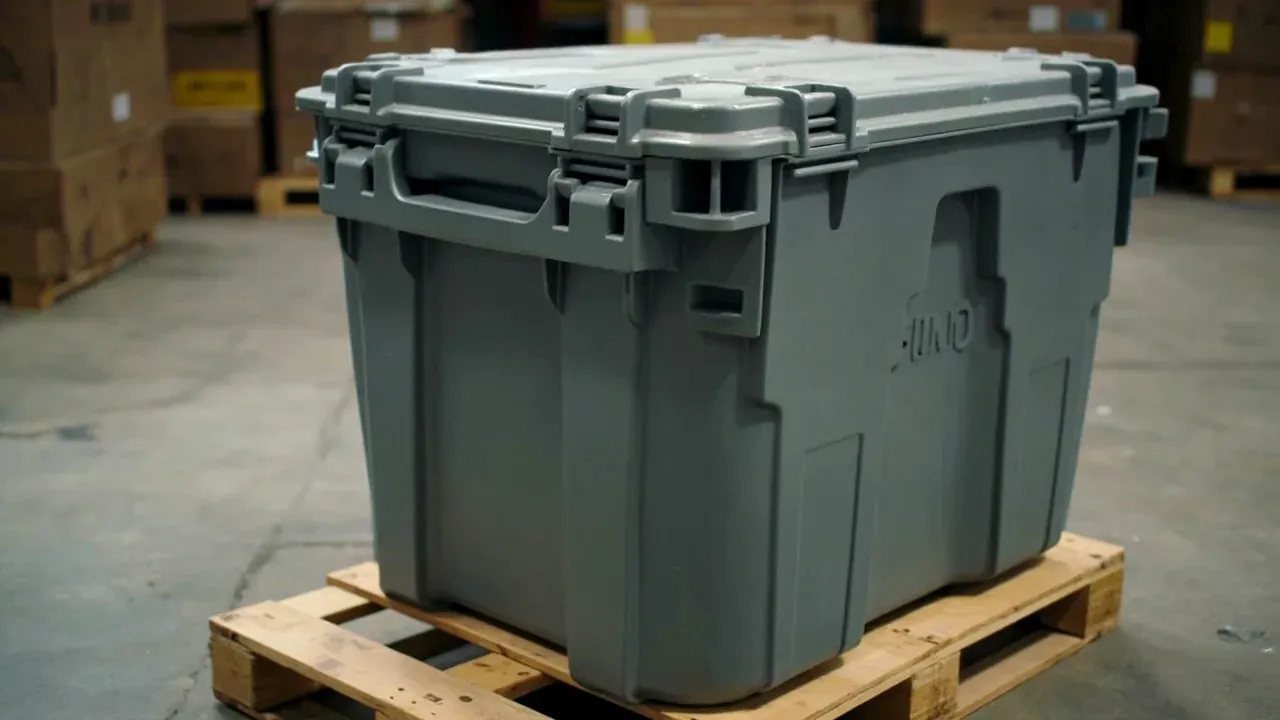
Quick answer: Two cases can look alike and answer different questions. A protective case keeps water, dust and impact out. An explosion proof case handles pressure from inside through a vent whose direction is chosen. Five dimensions separate them: wall, relief, joint, fasteners, inspection. Thicker wall does not replace relief. Three checks settle it: a pressure source, an uncontrolled direction, a record requirement. Where one check fails, a protective case may not stand in, however good the seal.
Table of contents
- Two goals: keep it out, or lead it away
- Five dimensions of margin at one outline
- Wall and relief: thickness is not strength
- Joint and fasteners: where pressure finds a way
- The boundary: three conditions to settle it
- FAQ
1. Two goals: keep it out, or lead it away
A protective case keeps rain, dust and knocks out; its lid closes on a gasket, leaving a fairly tight interior. An explosion proof case handles what leaves, opening a chosen face so the body survives.
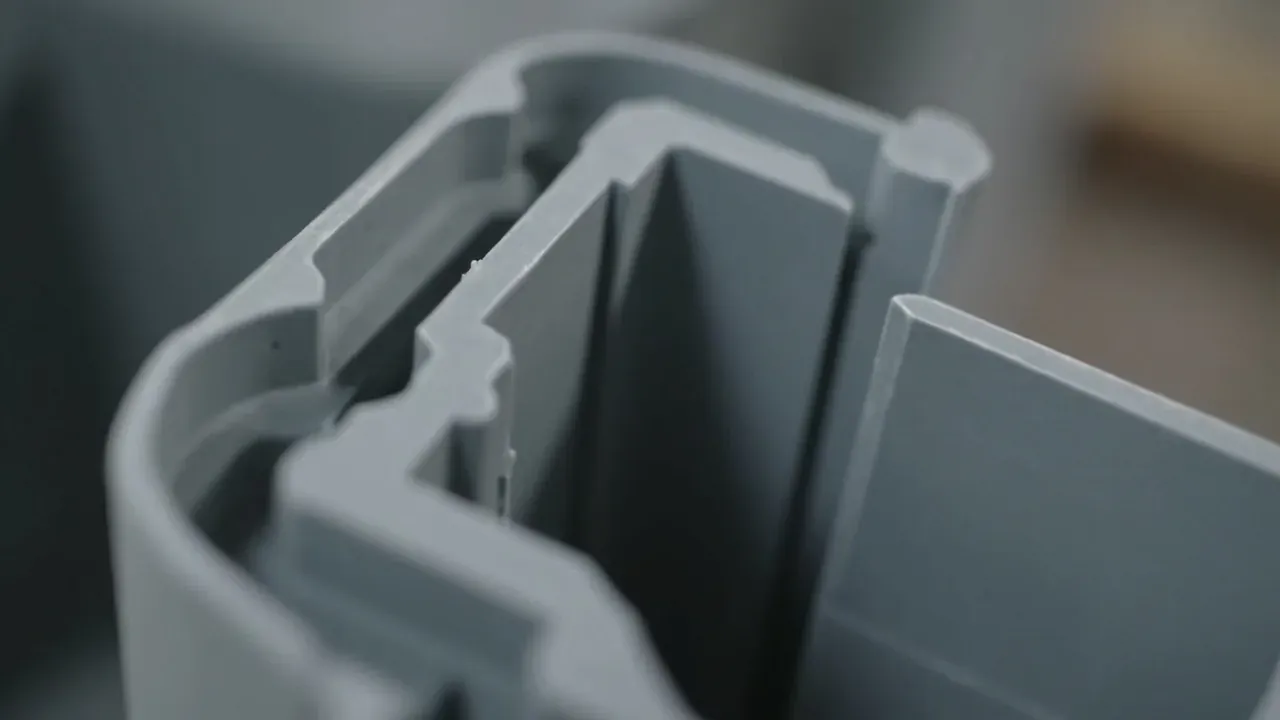
One begins with cavity dimensions, setting wall by drop and stack. The other begins with the vent and arranges wall, joint and fasteners around it. They can share an outline, never an internal structure or inspection sheet.
2. Five dimensions of margin at one outline
Read the table as margin, not pass or fail. A protective case is not zero on any row; it holds less, and the gap shows under pressure. Flatten the relief row and the joint becomes the first thing to fail.
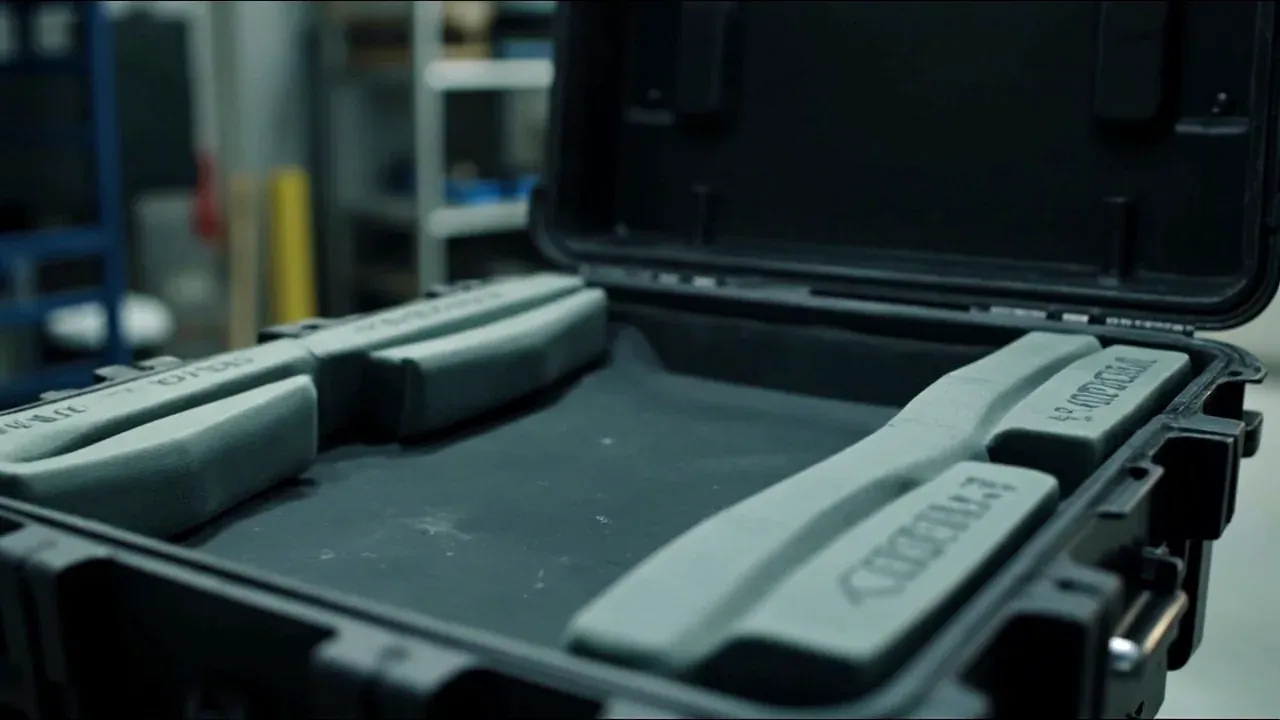
Measure an explosion proof case, do not describe it. Wall at the rim, relief as a separate panel and its direction, joint as a straight seam across the lid line, fasteners as spacing, inspection as a list the supplier can produce.
| Dimension | Protective case | Explosion proof case | How to check |
|---|---|---|---|
| Wall | single, 3 to 5 mm | twin 6 to 10 mm with ribs | calipers at rim and rib root |
| Relief | none; gasket takes it first | separate panel, fixed direction | separate, or easily covered |
| Joint | flat lap, one gasket line | tongue-and-groove, stepped twice | trace the lid line |
| Fasteners | two plastic draw latches | stainless latches, evenly spaced | spacing, material, torque |
| Inspection | appearance and a leak test | wall, gap, vent travel, marking | compare the checklist |
3. Wall and relief: thickness is not strength
Thickness is the easiest number to quote and the least useful. Bending resistance rises with the cube of depth, so a ribbed 7 mm wall beats a flat 10 mm one. Section depth and span decide stiffness.
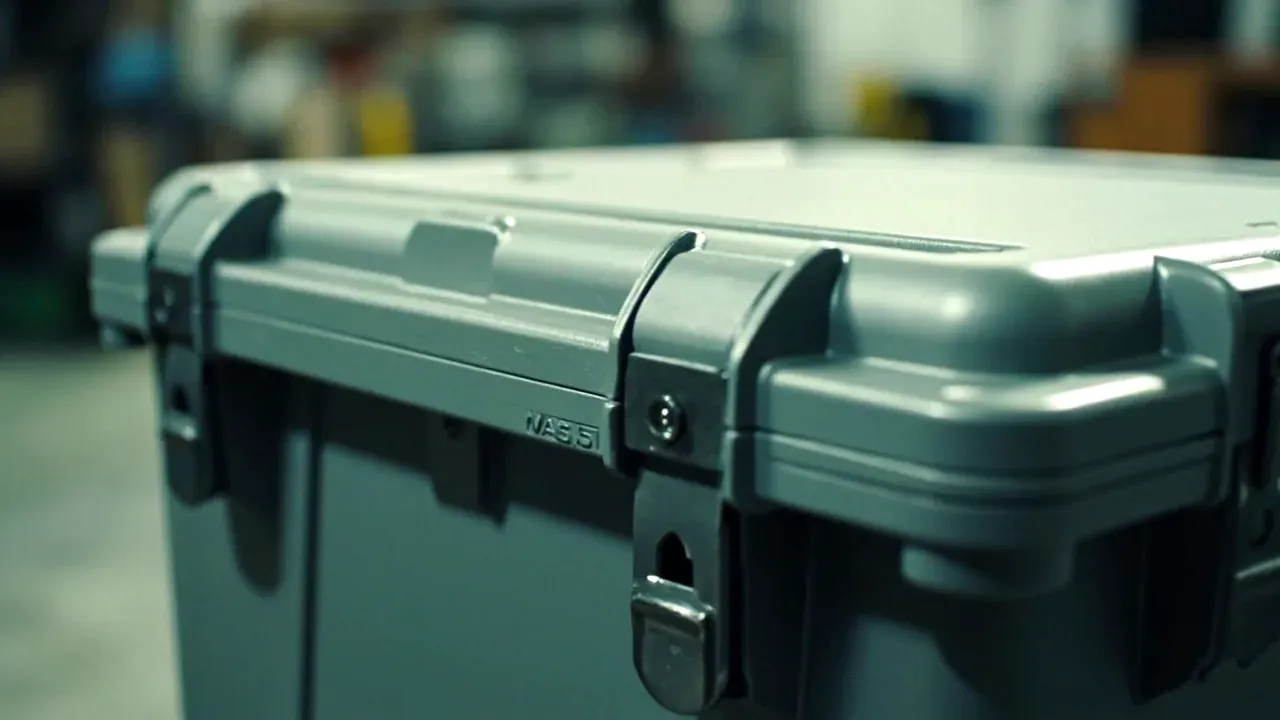
Relief is hardware: an area, an opening value, a direction, each checkable. A moulded thinning line is not relief unless its thickness is controlled and its position kept clear. Here an explosion proof case stops being comparable to a sealed box.
4. Joint and fasteners: where pressure finds a way
In an explosion proof case the joint is the shortest route out. A flat lap leaves a straight seam across the lid line; a stepped tongue-and-groove breaks it twice. Walk the lid line and look for the step at each corner.
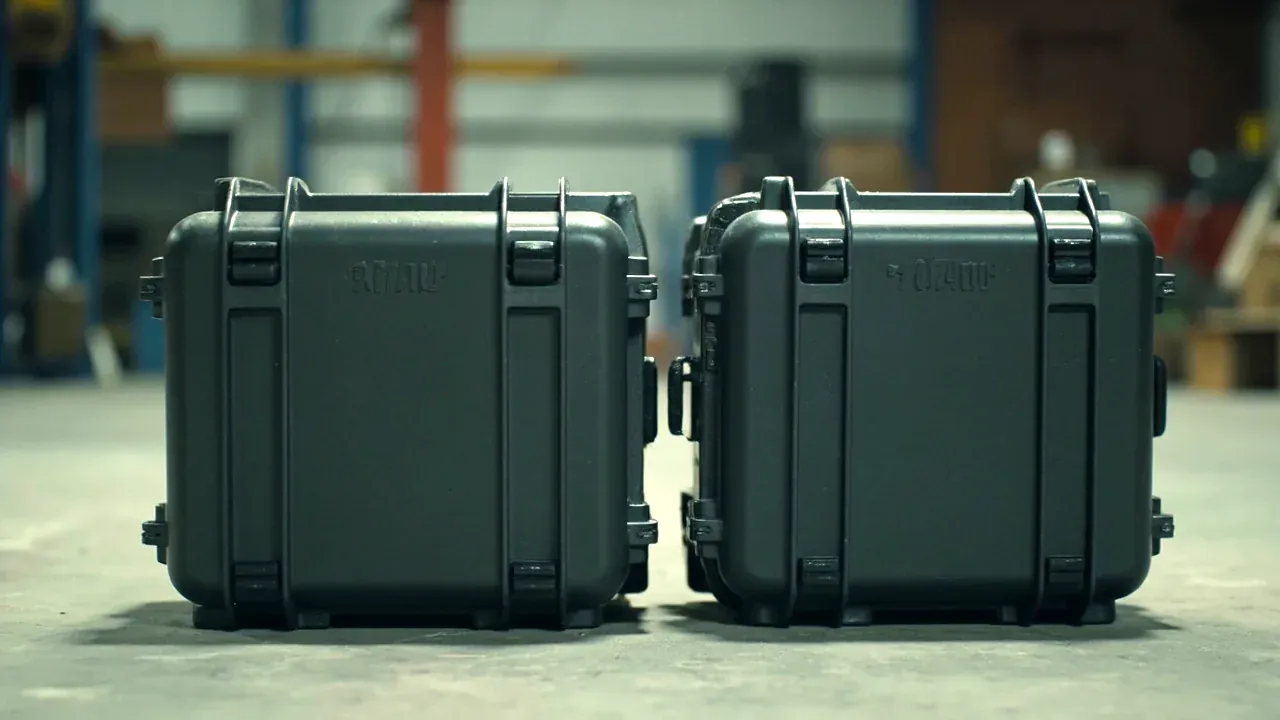
Fasteners hold it closed. Plastic latches suit a gasket; pressure calls for stainless latches or bolts at 200 to 300 mm with a torque mark. An explosion proof case is inspected for gap and vent travel, not appearance alone.
5. The boundary: three conditions to settle it
Three conditions draw the line for an explosion proof case: can anything inside raise pressure, even briefly; can the vent direction stay clear of people and stacked goods; does the buyer need a test record. One yes moves the job to relief.
Where all three are no, a protective case is the honest choice and relief hardware never earns its cost. Where one is yes, it may not substitute. An explosion proof case fails quietly on the day a gasket becomes the vent.
Conclusion
Decide in order: is there a pressure source, can the direction be kept clear, is a record needed. If all three point to a protective case, take the lighter one. If one points to relief, wall and gasket cannot cover for it. An explosion proof case differs not in outline but in having a designated exit, and in keeping that exit clear of people, doors and stacked goods.
This article covers container-side specifications and design implications only, not the handling, loading or use of the contents.
Related Reading
- Relief, containment and shell strength
- Plastic cases against metal ones
- Tactical Hard Case: Protection Ratings and Internal Modules
- Transit Cases: Reusable Equipment & Instrument Protection
Related Products
- 8 Series — Gun Cases; Military Equipment Cases; Camera Equipment Cases; Drone Cases; Watch Cases; Knife Cases; First Aid Cases; Electronics Equipment Cases
- WL8-2812 PP Gun Case — model WL8-2812
- All protective cases and toolboxes: 7 series, 158 models