

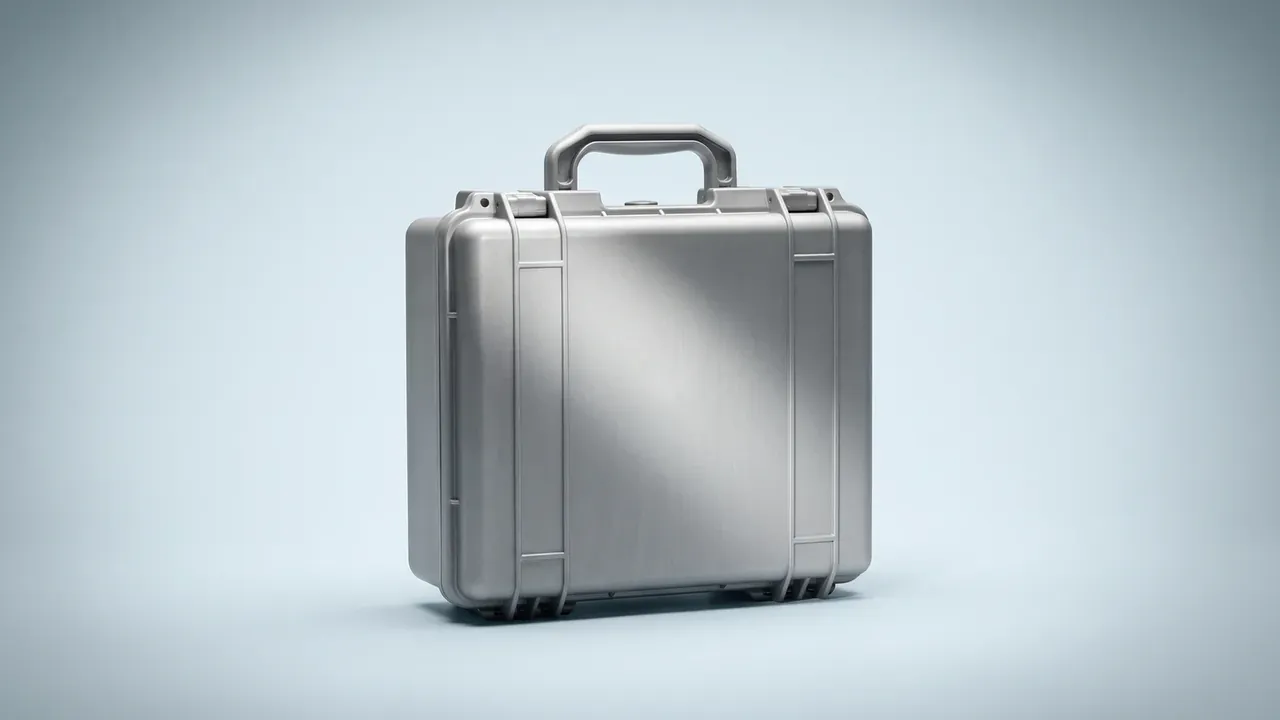
Quick answer: Most of the spread between two quotations for one drawing comes from the clause each supplier quotes, not from shell weight. This article turns IEC 60079-0 impact, IEC 60079-1 flameproof joints, IP66 jets and 480-hour salt fog into four rows on a request for quotation, then sets the order for MOQ, tooling title, lead time and payment terms.
Table of contents
- Four clause rows to fix before you ask for a price
- How MOQ and tooling ownership fold into the unit price
- Lead time and the three sampling rounds
- Five places where a quotation quietly grows
- FAQ
1. Four clause rows to fix before you ask for a price
Send one drawing to two factories and the unit price can differ by forty percent, usually because they quote different clauses: one builds to enclosure impact, the other to flameproof joints, and the two figures were never on the same plane.
| Clause | The row it must occupy on the quotation | Typical treatment and uplift |
|---|---|---|
| IEC 60079-0 enclosure impact | Shell material, impact temperature at -20°C or -30°C | Low-temperature grade adds 6 to 9 percent |
| IEC 60079-1 flameproof joint | Joint length, maximum gap, surface roughness Ra | Second machining pass, about 18 CNY per unit |
| IEC 60529 IP66 | Gasket compound, compression, water-jet test record | Rarely a separate line; cost sits in the tool |
| MIL-STD-810H method 509.6 | 480-hour salt fog, hardware and hinge material | Stainless substitution adds 4 to 7 percent |
Once the four rows are fixed, demand a clause number and a report number after each of them. Skip it and comparisons degrade into comparing adjectives: one claims a flameproof structure, another claims IP66, and between those claims sit a water-jet test and a third-party report. In an Explosion-Proof Case file every adjective needs a number. Put hinge and screw material into the requirement: after 480 hours of salt fog the M5 screws rust before the shell.
A row without a clause number counts as not quoted.
2. How MOQ and tooling ownership fold into the unit price
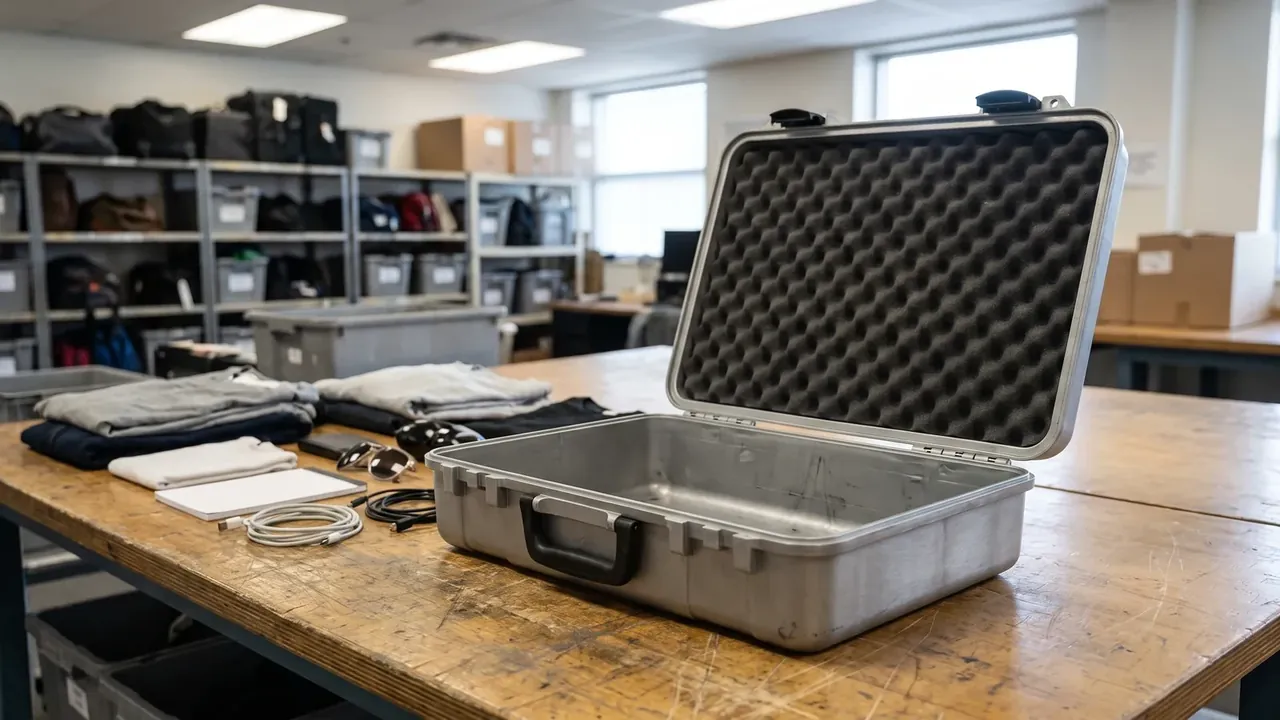
A rotational-moulded steel tool for an Explosion-Proof Case of this size runs about 48,000 CNY.
| Order quantity | Tooling treatment | Amortisation per unit | Lead time |
|---|---|---|---|
| 100 to 299 | Paid in full, non-refundable | 160 to 480 CNY | 42 days |
| 300 to 999 | 30 percent amortised | 60 to 160 CNY | 35 days |
| 1,000 and above | Absorbed into goods value, title to buyer | 0 CNY | 30 days |
Free tooling does not mean the tool is yours.
Three items belong in the contract: title, storage location and transfer. A title clause without a storage location is useless: three years on, the tool may be scrapped to free floor space. Moving a 1,200 kg tool across provinces runs 3,000 to 5,000 CNY. Leave 0.15 mm of rework allowance for the case body's two extra sealing lips and write it into the acceptance condition.
3. Lead time and the three sampling rounds
Thirty-five days counts from drawing freeze, not from the purchase order: 12 days for the T0 first article, 7 days for T1 tool correction, 23 days for T2 pilot batch. The first two rounds eat 19 days of an Explosion-Proof Case schedule, less than half the calendar.
Flameproof joints cause most first-article rework on an Explosion-Proof Case. A gap held at 0.15 mm goes out of tolerance when heat treatment moves the shell by 0.05 mm, which is why T1 should not be trimmed: the seven days saved return as full-batch sorting in week one. Write liquidated damages at 0.3 percent per day and allow split delivery after 15 days of delay.
Payment splits into 30 percent deposit, 60 percent before shipment and 10 percent within 30 days of acceptance; keep that last slice above 5 percent, or nobody closes the punch list.
4. Five places where a quotation quietly grows
Two quotations can show the same unit price for an Explosion-Proof Case and land 12 percent apart. Ask about each:
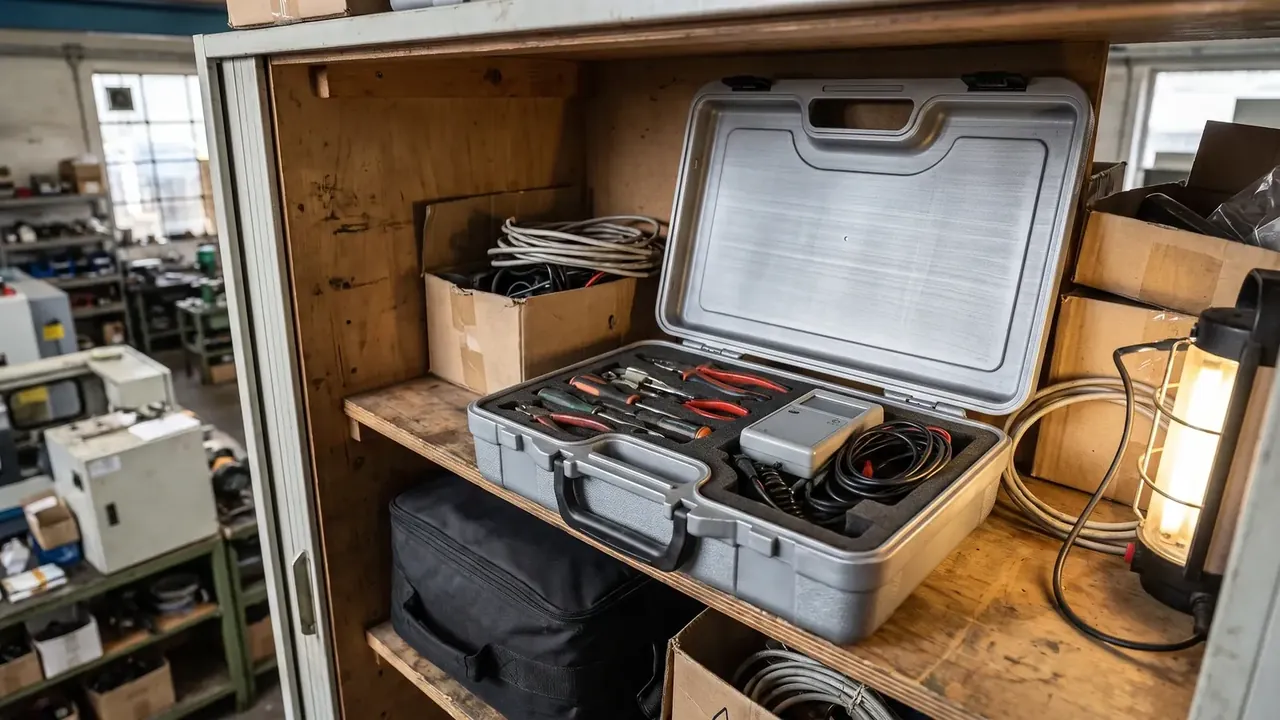
- Insert: 30 mm EVA against 25 mm PU foam, often written as configured to drawing, while the real gap is 22 CNY;
- Hardware: hinges, pressure-equalisation valves and latch springs, included or billed per set;
- Marking: one silkscreen pass and four differ in price, and an aluminium plate is a third;
- Testing: a third-party IEC 60079 report costs 12,000 to 20,000 CNY, so agree who pays and whose name goes on it;
- Packing: export crating and fumigation marks priced per unit or per pallet, plus pallet ownership.
The marking line is the one buyers miss, since silkscreen is nearly free at sample stage. Four print positions add 3 CNY per unit, or 30,000 CNY across ten thousand units.
Conclusion
Buying an Explosion-Proof Case is mostly the work of trading adjectives for clause numbers, dates and figures. Fix four rows on the RFQ, put MOQ and tooling title into the contract, split lead time into sampling and production, then walk the uplift points line by line. Leave it to the final round and a drawing change is already priced in. The cheapest Explosion-Proof Case order is the one whose criteria were fixed before the first enquiry.
This article discusses only the container (case body) side of specifications and design intent, and does not cover any handling, loading or use of the contents.
Related Reading
- How pressure relief and flameproof joints are built
- Six dimensions against alternative designs
- How a supplier scorecard is scored
Related Products
- 8 Series — Gun Cases; Military Equipment Cases; Camera Equipment Cases; Drone Cases; Watch Cases; Knife Cases; First Aid Cases; Electronics Equipment Cases
- WL8-2812 PP Gun Case — model WL8-2812
- All protective cases and toolboxes: 7 series, 158 models