

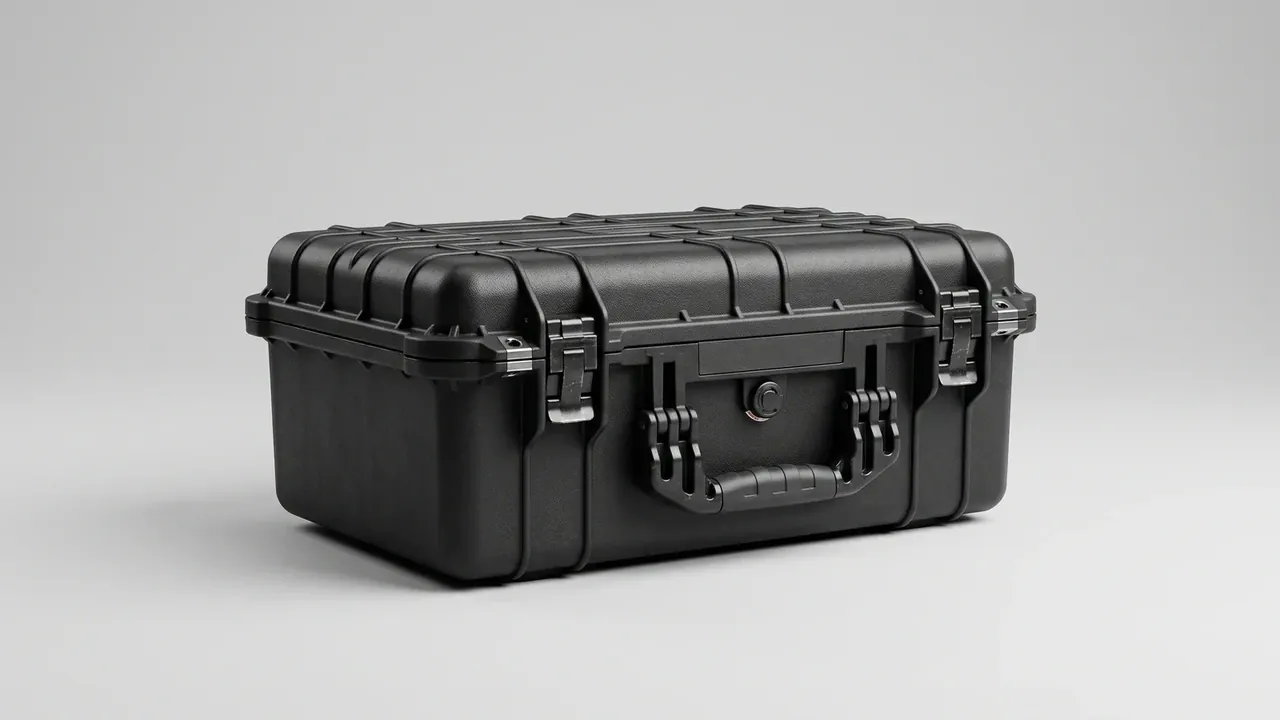
Quick answer: A Field Armoury is configured by site, not by unit: bases want a stay door and 350 mm shelves, checkpoints a dual lock opening in fifteen seconds, border posts a cylinder that turns at minus 25 °C, transit four M12 points.
Table of contents
- Where a Field Armoury Is Deployed
- Forward Bases: Doors and Shelf Layout
- Checkpoints and Border Posts: Locks and Access
- Training Grounds and Repair Points: Dividers and Damp
- Transit: Lifting Points and the Fit-Out Matrix
- FAQ
1. Where a Field Armoury Is Deployed
Site, not unit organisation, sets the fit-out of a Field Armoury: dwell, openings per day, exposure outside.
| Site | Dwell | Opens per day | Primary fit-out |
|---|---|---|---|
| Forward base | 30+ days | 20 to 40 | stay door, shelves |
| Checkpoint | 3-7 days | 80+ | dual lock, trays |
| Border post | year round | under 10 | cold cylinder |
| Training ground | 15-45 days | about 30 | dense shelves |
| Repair point | year round | about 60 | bench |
| Transit | up to 2 days | none | four M12 points |
Weighting is uneven. A checkpoint opened eighty times a day on stacked shelves makes staff move three items to reach one, and picking climbs from 15 s to 50 s. Past thirty days it anchors; under a week it rolls on castors.
2. Forward Bases: Doors and Shelf Layout
A gravel tent floor with 20 mm steps is normal, so the door runs a 110 degree stay hinge and a 90 degree stop against wind. Leaf width stays at 620 mm; past 700 mm the hinge sags 3 mm in a month.
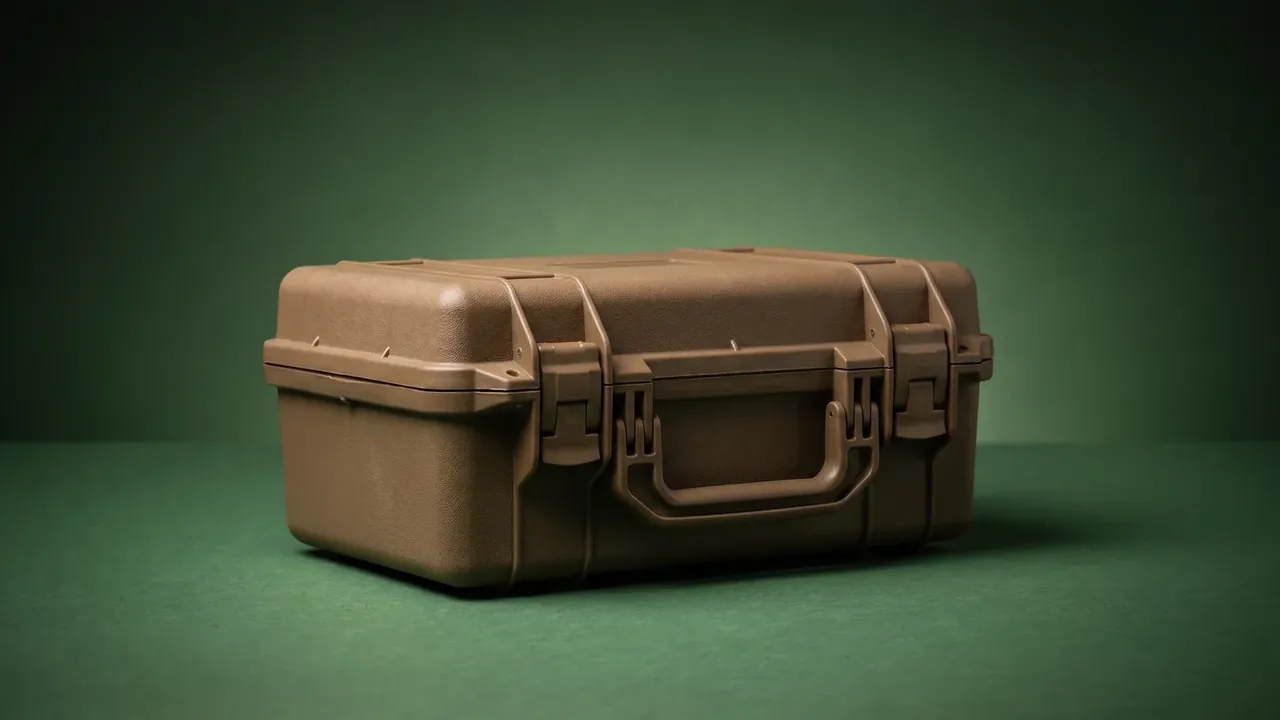
Posts sit on 32 mm pitch, shelves at 350 mm, and a 40 mm sill keeps water off the joint. Leave 900 mm in front; at 600 mm the bottom tier needs a sideways reach.
3. Checkpoints and Border Posts: Locks and Access
At a checkpoint the governing figure is time to pick: fifteen seconds from unlocking to item in hand. Past that, staff leave the common items outside and the lock turns decorative, so the internals become tiered trays.
A dual-cylinder lock needs two keys held by different people. A single cylinder with an 11 mm hasp suits shift handover; below 9 mm the hasp cuts in one bite of a bolt cutter.
Border posts add cold: at minus 25 °C tumbler grease thickens and the key will not turn, so a Field Armoury there runs a minus 40 °C pour point.
4. Training Grounds and Repair Points: Dividers and Damp
Dust and the day-night swing do the damage: at 35 °C by day and 10 °C at night the wall condenses, so 0.02 m² of louvre, a 40-mesh screen and 1.2 kg of silica gel per 1.5 m³ hold 45 percent.
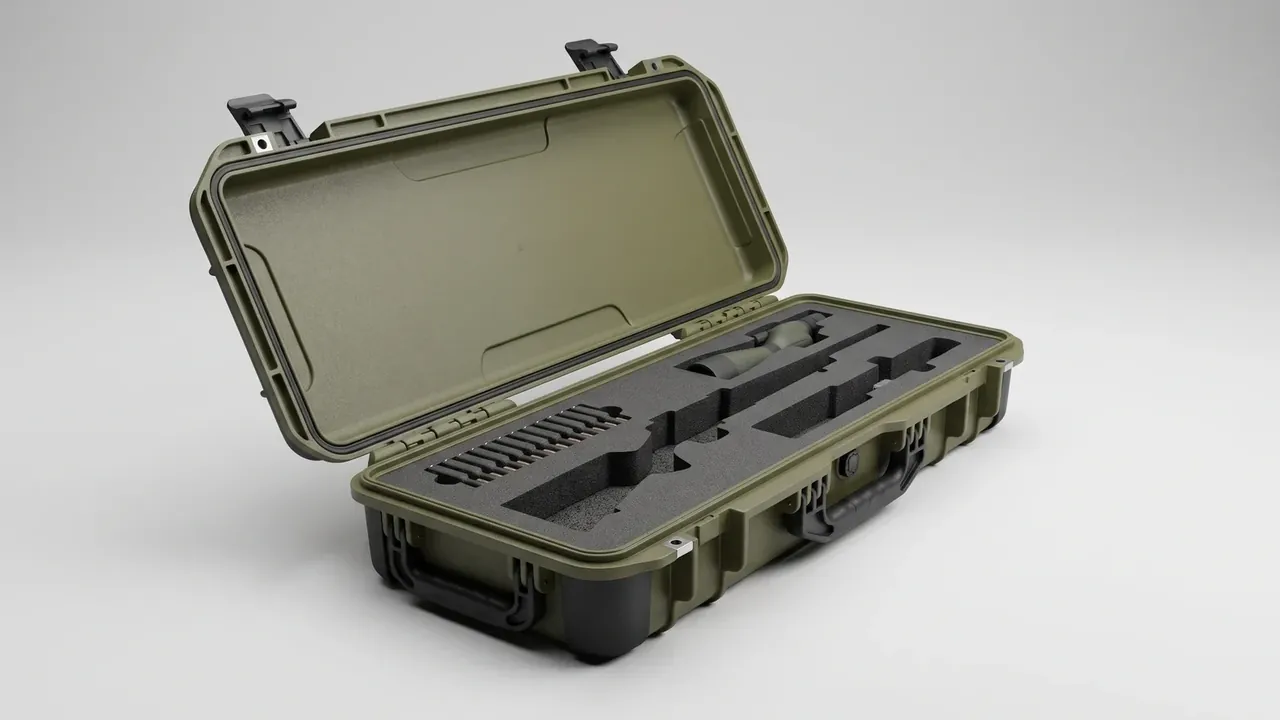
Sealing alone fails: a sealed Field Armoury condenses more on the wall, an open one takes dust within two days. Repair points add a 450 mm bench rated 25 kg and clips rated 40 kg.
5. Transit: Lifting Points and the Fit-Out Matrix
Transit is skipped most and return-repaired most: shelves shipped in place ovalise the post holes. Four M12 points at 800 kg take 2500 daN webbing inside a 60 degree angle; two high on 90 mm bearers.
| Line item | Forward base | Checkpoint | Border post | Training ground | Repair point | Transit |
|---|---|---|---|---|---|---|
| Door | 110° stay | tiered trays | 90° stop | 110° | double 180° | latched shut |
| Internals | shelves 350 mm | class a tier | board, box | denser | bench, board | removed |
| Lock | dual cylinder | dual plus hasp | cold cylinder | single, padlock | single | transport catch |
| Damp | 1.2 kg desiccant | ventilation | dehumidify | louvre, 40 mesh | ventilation | sealed |
| Handling | feet | braked castors | anchors | castors | fixed | four-point lift |
Read it across for one site, down for one line: a dual lock is mandatory at a checkpoint and a nuisance at a repair point. Capacity is absent, since it follows the item mix.
Conclusion
Site sets the fit-out, which then limits the site: leaf width fixes the space in front, lock type the crew, lifting points the handling. Settle dwell, daily openings and exposure first, and a Field Armoury is not misconfigured wherever it stands.
This article discusses only the container (case body) side of specifications and design intent, and does not cover any handling, loading or use of the contents.
Related Reading
- What a field armoury is and how it sits on site
- Choosing a field armoury by capacity, locking and mobility
- How weapon cabinets are installed in fixed locations
- Military supply cases in field use
Related Products
- 8 Series — Gun Cases; Military Equipment Cases; Camera Equipment Cases; Drone Cases; Watch Cases; Knife Cases; First Aid Cases; Electronics Equipment Cases
- WL8-2812 PP Gun Case — model WL8-2812
- All protective cases and toolboxes: 7 series, 158 models