

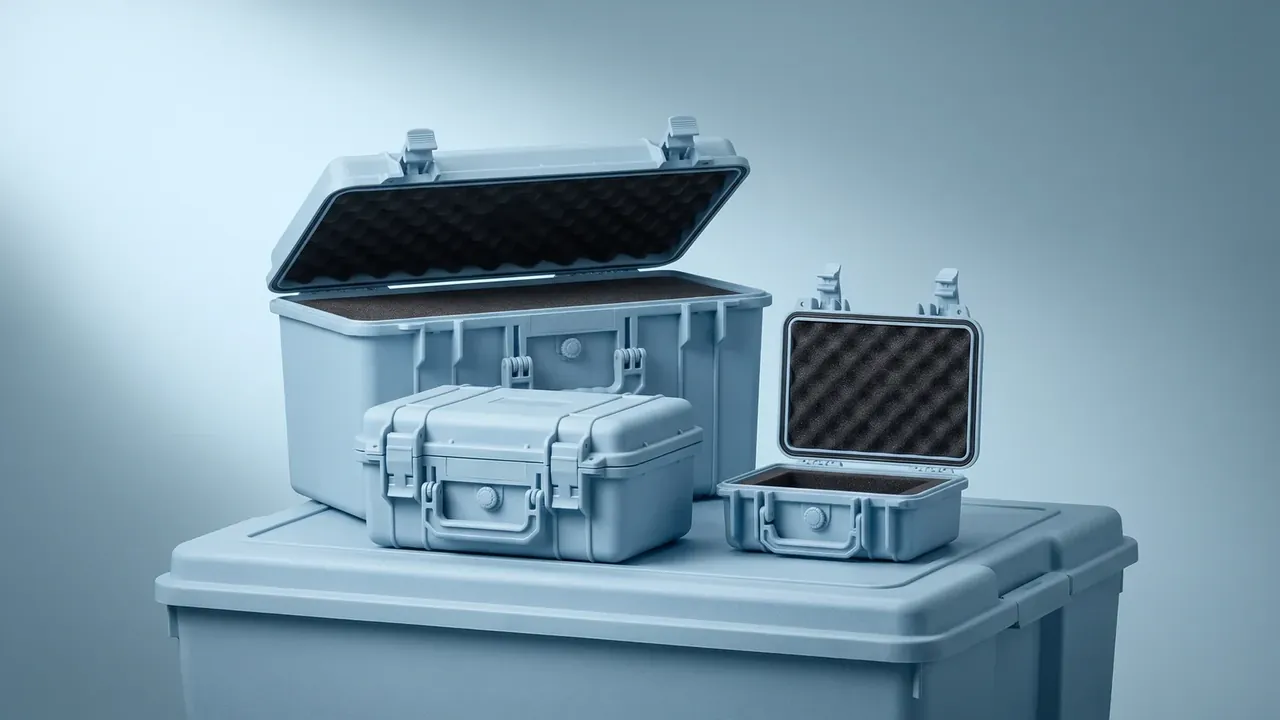
Quick answer: Pick a firearm transport case by route, not by weapon: range work needs four-second access, escort needs seals and three-high stacking, air freight a valve at 0.15 bar, sea freight 304 hardware and salt fog, turnaround a 90-second count.
Table of contents
- How Firearm Transport Case Duties Split by Route
- Range Trips: Fast Access Comes First
- Road Escort and Air Freight: Two Sets of Rules
- Sea Freight: Salt Fog and Condensation
- Training Ground Turnaround: Counting and Stacking
- FAQ
1. How Firearm Transport Case Duties Split by Route
Routes, not weapons, set the specification: duration, handling steps, mode of carriage, exposure, and one owner accountability.
| Route | One way | Trips a year | Main stress | Setup |
|---|---|---|---|---|
| Range trips | 40 to 80 km | about 120 | Opening, short knocks | Fast insert, wide latch |
| Road escort | 800 to 1500 km | 12 to 24 | Stacking, temperature swing | Two-point lock, 6 mm seal hole |
| Air freight | 2 to 6 hour legs | by batch | Pressure, cold | Relief valve, seal groove |
| Sea freight | 20 to 40 days | quarterly | Salt fog, condensation | 304 hardware, desiccant bay |
| Training ground | 1 to 3 days | 2 to 4 a month | Rain, foot traffic, counting | Divided insert, raised feet |
Two errors follow: a sea-spec firearm transport case on range duty is over-specified, a range unit on escort work under-specified. Where a handover happens, add a record slot.
2. Range Trips: Fast Access Comes First
Range work is short and handling-heavy: 40 to 80 km each way, eight loading steps, about 120 trips a year.
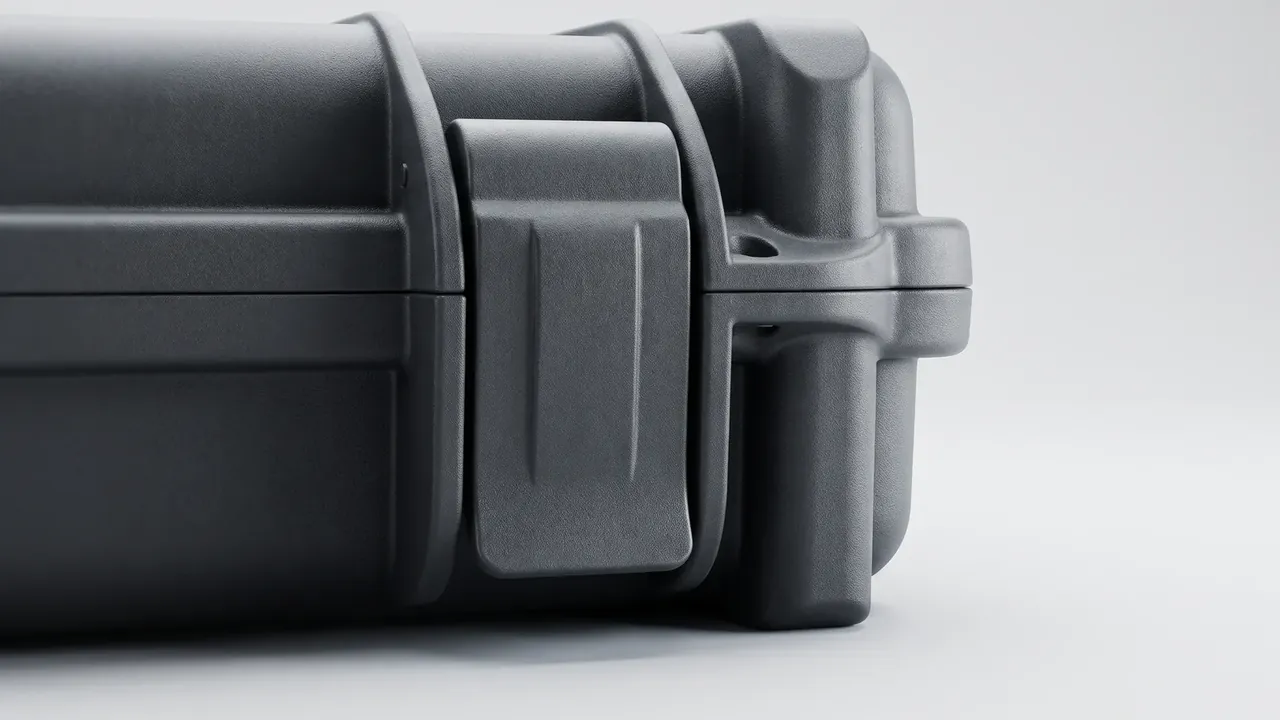
Cut pockets 3 mm shallower than the profile and line the lid with 20 mm egg-crate foam; the lid presses contents down and access stays under four seconds.
One wide latch per side beats four-point locking: four points cost 20 seconds per opening, over twenty hours a year, and the firearm transport case still rates IP54. Retention is accepted at 80 percent after 2,000 cycles.
3. Road Escort and Air Freight: Two Sets of Rules
Both are closed transport, split by pressure and temperature. Escort runs 800 to 1500 km at minus 5 to 45 degrees Celsius, three high; air freight sees 0.75 atmospheres at minus 20 degrees.
| Item | Road escort | Air freight |
|---|---|---|
| Locking | Two-point lock, 6 mm seal hole | Single lock, seal groove |
| Stacking | Three high, 66 kg on the base | Two high, per pallet limit |
| Pressure | Ambient | Valve opens at 0.15 bar |
| Temperature | Minus 5 to 45 Celsius | Minus 20 to 25 Celsius |
The seal hole is 6 mm because wire runs 2 to 3 mm: enough for a doubled strand and a visible cut, not enough to pull through.
A relief valve earns its place only under a pressure difference: ambient work gains a leak path, air freight needs it to open at 0.15 bar and reseat after a five-minute vacuum hold.
4. Sea Freight: Salt Fog and Condensation
Sea freight runs 20 to 40 days: deck boxes hit 60 degrees Celsius by day, fall below 10 at night, hold 85 percent humidity, and face 96 hours of salt spray.
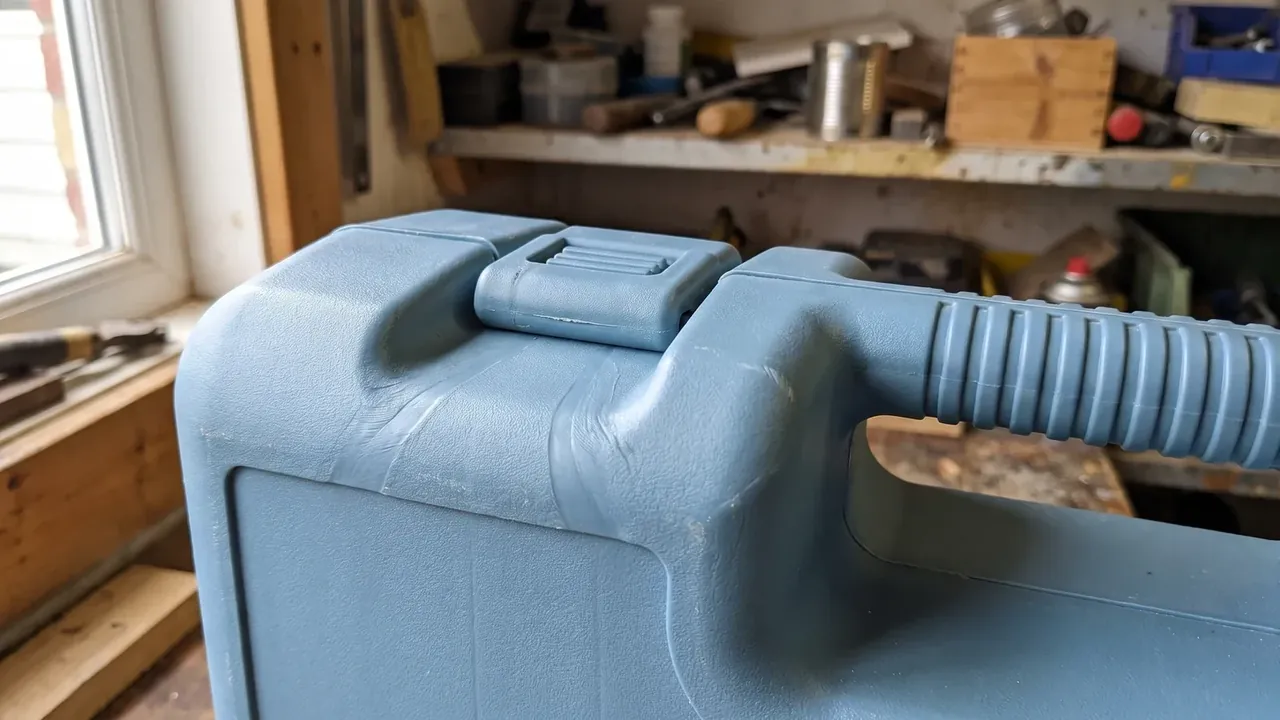
Hardware goes to 304 stainless: pins, hinges, rivets. Carbon steel rusts at 96 hours and stains the gasket.
Gaskets are EPDM, not PVC: PVC hardens in 30 days at 60 degrees and takes over 30 percent compression set, EPDM near 12 percent. Condensation is handled by 200 g of silica gel per 60 litres.
Stack four high at 22 kg, base load 88 kg; ribs belong at the corners, where creep stays minimal.
5. Training Ground Turnaround: Counting and Stacking
Turnaround is measured in hours, not days.
A 90-second count needs one item per pocket, so an empty pocket is the missing item; numbering pocket floors catches misfiled ones.
Lift the base 15 mm on four feet, mould a 2 degree lid fall, and fit two 3 mm wear strips. Route choice lands on four numbers: pocket depth, latch count with ingress rating, relief valve, stacking height. Fill those in and the firearm transport case question stops being about strength.
Conclusion
The route sets the setup, and the setup limits where the case can go. Range work wants four-second access, escort wants a seal and three-high stacking, air freight a valve at 0.15 bar, sea freight 304 hardware, turnaround a 90-second count. Write the route down first, and the firearm transport case stops being bought for the hardest job and used for the easiest.
This article discusses only the container (case body) side of specifications and design intent, and does not cover any handling, loading or use of the contents.
Related Reading
- Transport compliance and marking rules
- Why contents shift and knock in transit
- Specification limits for military flight cases
- Rotomolded cases in field use
Related Products
- 8 Series — Gun Cases; Military Equipment Cases; Camera Equipment Cases; Drone Cases; Watch Cases; Knife Cases; First Aid Cases; Electronics Equipment Cases
- WL8-2812 PP Gun Case — model WL8-2812
- All protective cases and toolboxes: 7 series, 158 models