

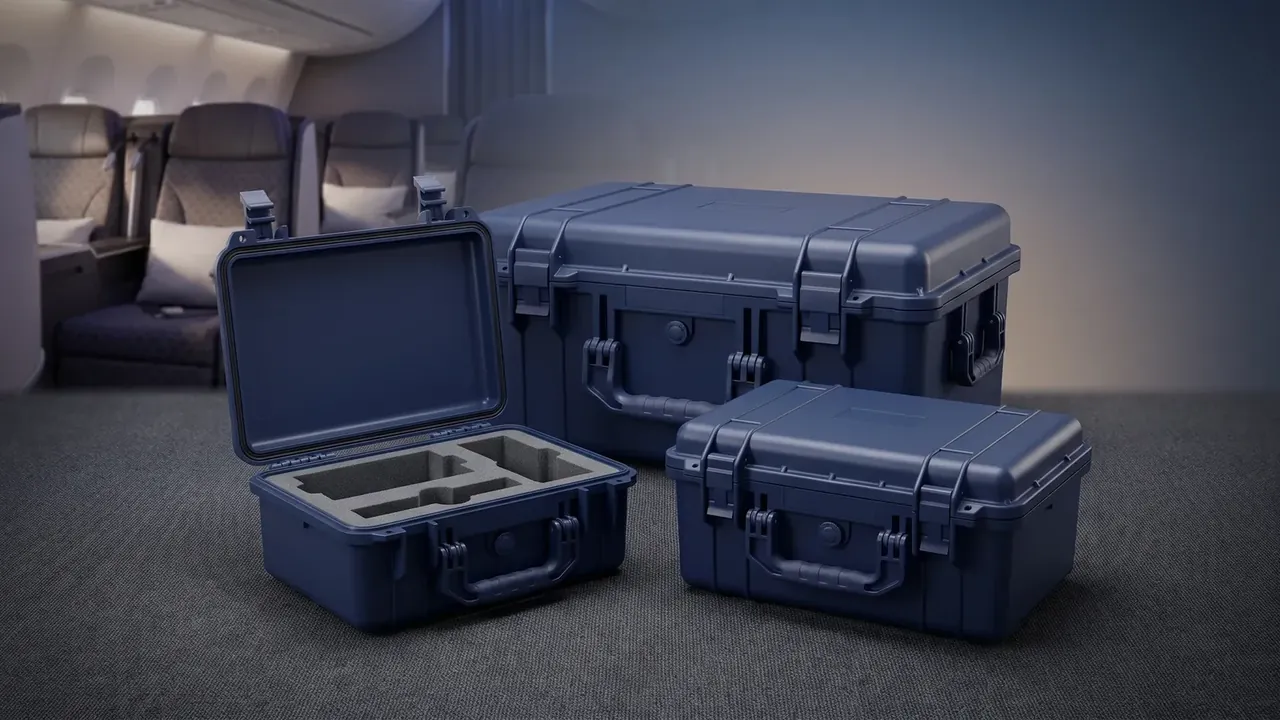
Quick answer: Judge a first aid kit case by five value lines — volume, weight per litre, seconds to first item, latch cycles, gasket life — not by age. One line over: change the layout; two or more: change the case.
Table of contents
- Five value lines for a first aid kit case
- When not to choose a first aid kit case
- Three substitutes compared
- Why a hard-shell trolley case cannot replace it
- Five-year cost of ownership
- FAQ
1. Five value lines for a first aid kit case
Debating which case is tougher has no exit. Five measurable values end it, each mapping to one failure mode.
| Value line | Typical range | Test | If crossed |
|---|---|---|---|
| Interior volume | 8 to 20 litres | items divided by litres | over 20 L, medical case |
| Weight per litre | 0.18 to 0.30 kg | case weight over litres | below 0.15 kg, thin walls |
| Seconds to first item | 4 to 11 | time three attempts | over 8, relayout the interior |
| Latch cycles a year | 800 to 2200 | shifts times openings | over 1500, metal detent hinges |
| Gasket life | 18 to 24 months | press and watch rebound | under 18, check storage heat |
The second line is the one most often skipped. At 0.15 kg per litre wall and ribs have been shaved, so the case lifts light and the rim arches with temperature, letting the seal fail from a corner.
Volume must match item count. Twenty items in 12 litres gives each 0.6 litres and forces a search; in 20 litres they fit, but weight and footprint grow and vehicle stowage gets harder.
2. When not to choose a first aid kit case
A case usually fails because it was sent to do the wrong job, not because it was weak. Three situations are fixed by changing the plan.
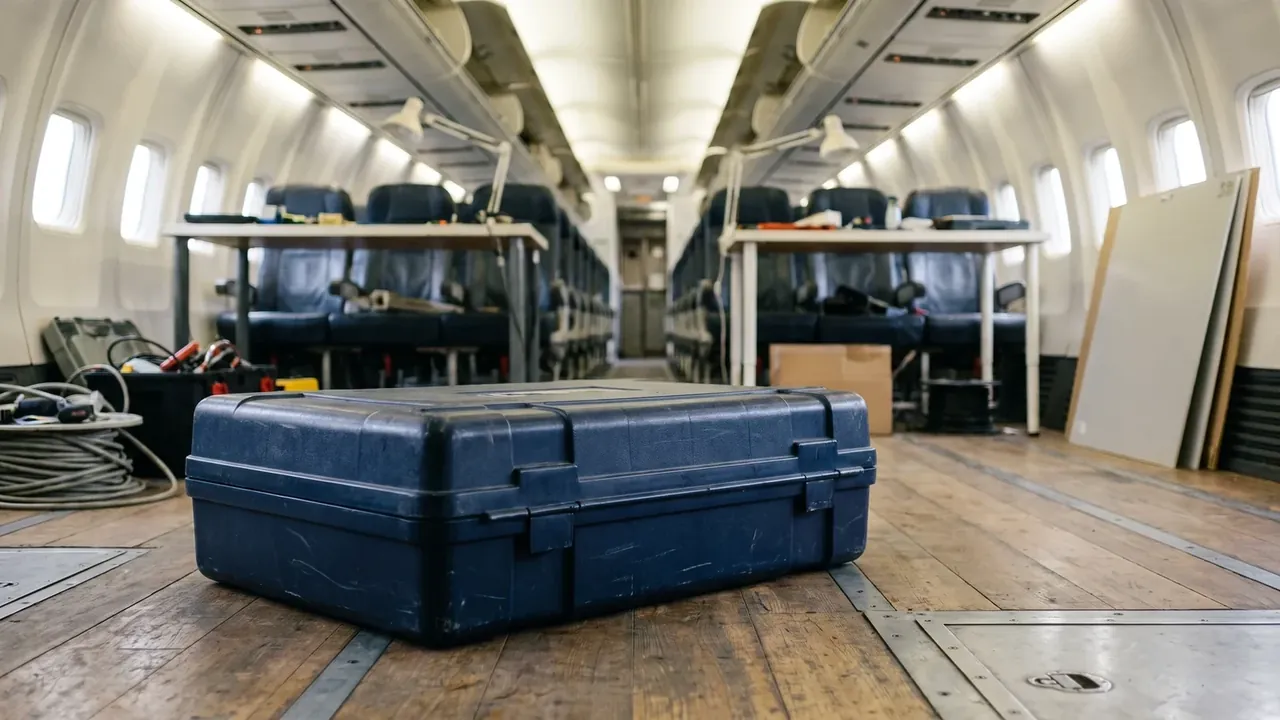
The first is high cycle count. Six openings a shift, over 2,200 a year, wears the hinge detent first: plastic teeth round off, the lid stops holding, knees pin it. Specify metal detent plates both sides, or move frequent items outside.
The second is dragging. The handle is built for static load, not towing; after 8 km the load path through handle root and latches changes structure.
The third is using it as a cupboard. Over 40 items means continuous treatment stock, which belongs in a medical case or tool chest; load that in and every layer fills.
3. Three substitutes compared
Substitutes are not better, they are different trades. Naming what each gives up beats ranking them.
- Soft pouch: 0.9 kg, lightest to carry; no seal, dressings soften in six months of humid air, replaced whole at 18 months.
- Hard-shell trolley: 38 litres, four wheels, 3.9 kg; 62 per cent volume efficiency, the rest lost to wheel wells; good for transport, poor for one-hand access.
- Rotomoulded tool chest: 45 litres, walls to 4 mm, towable; weight and footprint rule out carrying, so it lives in a vehicle or behind a bay door.
Pouch and trolley solve carrying, the chest solves capacity, the first aid case solves reaching an item in ten seconds; substitution holds only along one axis.
4. Why a hard-shell trolley case cannot replace it
The usual failure is opening geometry, not volume. A trolley opens toward the standing user, so the body must lie flat before the lid clears, and on a slope it slides.
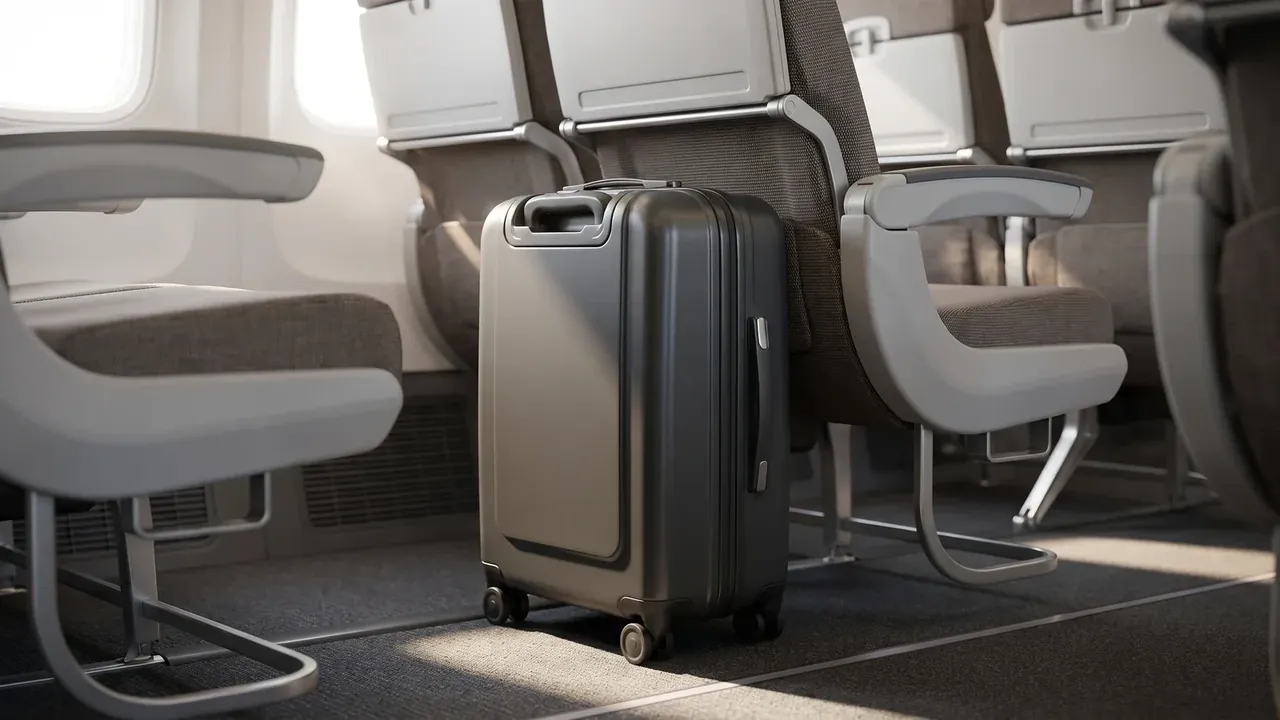
Wall thickness is the second gap: trolley shells run around 1.6 mm and hold shape through frame and zip, resisting puncture by curvature, while a 2.8 mm ribbed wall deforms far less under point load. The third is wheels: 50 mm wheels dragged 8 km over carpet wear flats. The fourth is the opening sequence — lay flat, unzip, lift: two hands, against one hand on two latches. The fifth is internal: the handle tube cuts a channel out of the interior and forces stepped foam. Together, the trolley wins on transport and loses badly on access.
The right place for a trolley is carrying the case to the site, not standing in for it. Run them in sequence.
5. Five-year cost of ownership
Unit prices alone guarantee the wrong answer. Over five years at 2,200 openings a year, the options diverge.
| Option | Unit price | Replacement | Units in five years | Five-year total |
|---|---|---|---|---|
| Moulded case | 260 | 5 years | 1 | 260 |
| Soft pouch | 45 | 18 months | 4 | 180 |
| Trolley case | 380 | 5 years | 1 | 440 |
| Wheel set | 60 | 24 months | 2 | in the row above |
440 is 380 of shell plus two wheel sets. The pouch looks cheapest but is replaced three times in four years, and each swap means restocking and relabelling.
The real gap is time: 4 to 11 seconds costs seven seconds an opening, over four hours a year. The value sits in those seconds, not on the price tag.
Conclusion
A first aid kit case is not a thing that gets better by being tougher; it is a tool bounded by five value lines — volume against item count, weight against wall, seconds against access path, cycles against hinge, gasket life against storage. Each substitute fits one axis and none replaces reaching an item in ten seconds. Measure the five lines first, then decide whether to change the layout or the first aid kit case.
This article discusses only the container (case body) side of specifications and design intent, and does not cover any handling, loading or use of the contents.
Related Reading
- How to set layers, sealing and marking
- First aid case and medical case: separate jobs
- Where industry requirements diverge
- Shell materials for hard-shell trolley cases
Related Products
- 8 Series — Gun Cases; Military Equipment Cases; Camera Equipment Cases; Drone Cases; Watch Cases; Knife Cases; First Aid Cases; Electronics Equipment Cases
- WL8-2812 PP Gun Case — model WL8-2812
- All protective cases and toolboxes: 7 series, 158 models