

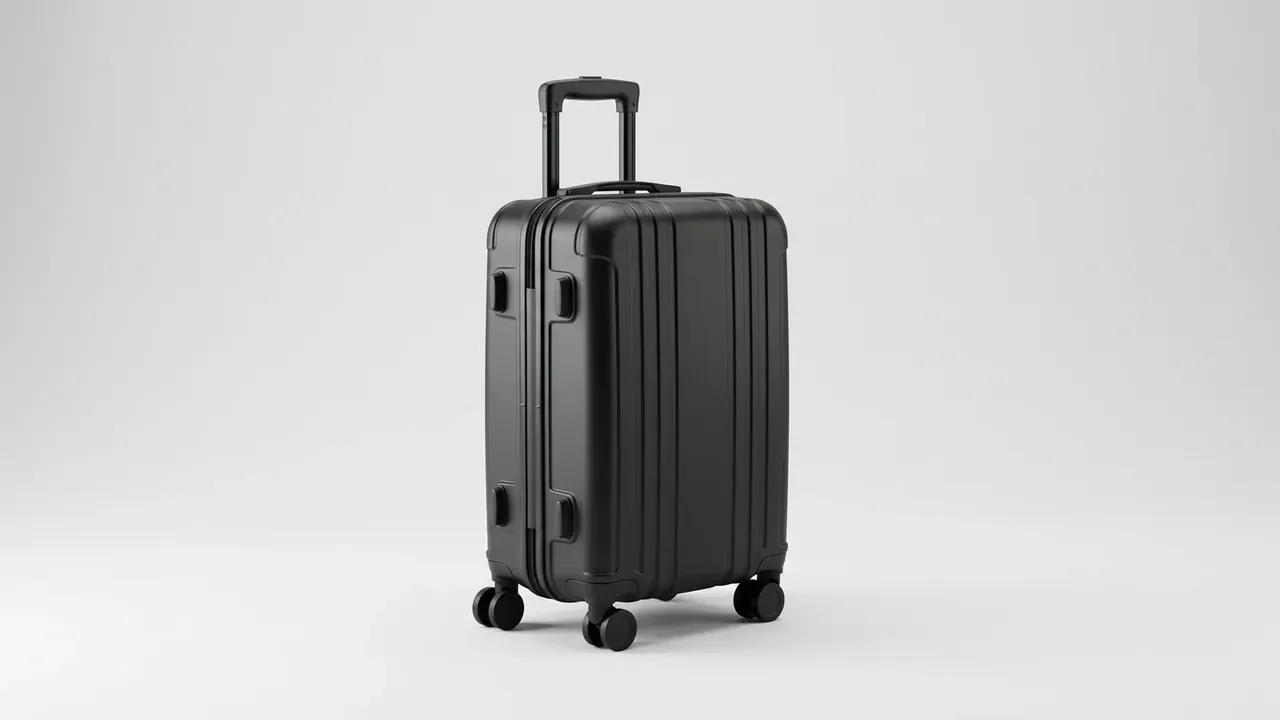
Quick answer: Quotes for a First Aid Kit Case usually spread about thirty units per case, and the gap sits in resin, liner and labour while a single rework batch can cost several times the saving. Three tools and three measurements show which price is real.
Table of contents
- Where the Cost Actually Sits in a Quote
- Three Numbers You Can Measure on Site
- Rework Cost Hides in Marking and Liner
- Batch Consistency: Sample Three of Fifty
- Five Clauses to Put in the Contract
- FAQ
1. Where the Cost Actually Sits in a Quote
Two suppliers quote the same drawing and land thirty units apart. The gap does not evaporate; it sits on one line of the quotation.
A First Aid Kit Case quote breaks into six blocks: shell resin, tooling, liner, hardware, assembly labour and packaging. The first two take more than half.
| Cost block | Share | Room to cut | Cost of cutting |
|---|---|---|---|
| Shell resin | 45%–55% | Regrind ratio | Brittle in cold, root cracks |
| Tooling | 8%–15% | Larger batch | Higher minimum order |
| Liner | 10%–18% | Lower density | Collapse within a season |
| Hardware | 6%–10% | Thinner material | Halved open-close life |
| Assembly | 8%–12% | Skip visual checks | Defects reach the customer |
| Packaging | 4%–7% | Fewer plies | More damage in transit |
Only tooling can be trimmed without touching function, and only at volume.
2. Three Numbers You Can Measure on Site
No laboratory is needed. A caliper, a spring scale and a feeler gauge give three numbers in half an hour: lip thickness spread, latch release force, liner gap.

Measure the lip at four sides, two points each. A spread above 0.3mm means uneven mold temperature, and that case loads its seal unevenly.
Hook the spring scale on a latch. Between 55N and 70N is normal: below 40N it pops open on rough roads, above 90N a gloved hand struggles.
Slide the feeler gauge between liner and wall. A gap over 2mm lets dividers tilt, and the case arrives with its slots scrambled.
Only when all three pass is price worth discussing.
3. Rework Cost Hides in Marking and Liner
A marking 1mm off looks trivial until it meets a batch. On 500 units it means relabelling the run; at 12 minutes per case that is 100 hours of labour before adhesive residue and repacking. The liner problem is quieter: with a wide gap, contents slide sideways on a long haul and the slots arrive disordered. The user concludes the case is unusable, not that it needs tidying. Neither defect touches shell strength, which is why a first-article check that stops at outer dimensions and lid feel misses both. The fix is unglamorous: put marking tolerance and liner gap on the sign-off sheet, so the problem stops at batch one rather than at the customer's warehouse.
Paper is cheaper than after-sales.
4. Batch Consistency: Sample Three of Fifty
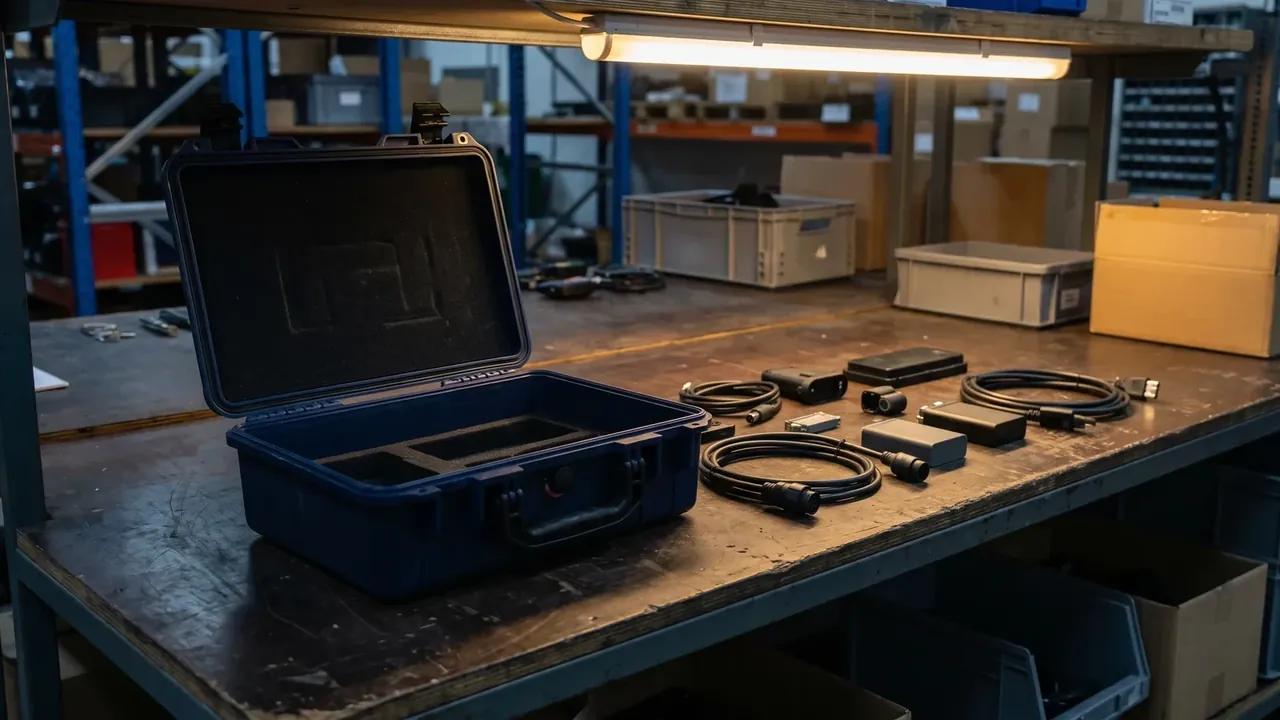
A perfect sample proves nothing about a run. Pull three First Aid Kit Case units, measure the same wall location, compare the spread: above 0.25mm means the process is drifting and the remaining forty-seven will be wider.
| Check | Limit | Cost if it fails |
|---|---|---|
| Wall spread | ≤0.25mm | Batch renegotiated or returned |
| Lip flatness | ≤1.5mm | Hand trimming, double labour |
| Latch cycles | 3000 without failure | Latches replaced on site |
| Liner fit | Gap ≤2mm | Liner remade for the batch |
| Colour match | Not visible side by side | Repaint or concession |
Wall spread and lip flatness are the source; the other three follow from them.
Sampling is not fault-finding. It is how the next batch gets priced.
5. Five Clauses to Put in the Contract
A quotation states a total; a contract states a limit. Copy these five into the technical annex:
- Main wall no thinner than 2.6mm, batch spread within 0.25mm, sectioned first shot supplied
- Latch release 55N to 70N, still locking after 3000 cycles, no permanent set
- Liner gap no more than 2mm, dividers seated in molded slots, never glued
- Marking within 1mm, adhesion verified by tape pull
- Minimum 300 units, tooling of 26,000 amortised, 25-day lead time, sample at 800 in seven days
None need extra equipment; the buyer can verify each one. At 300 units, only the supplier willing to write the 0.25mm spread is quoting a real price.
A clause you cannot test is not a clause.
Conclusion
Choosing a First Aid Kit Case is not about the cheapest unit but about the batch least likely to come back. The thirty-unit gap settles on site with three tools; rework only surfaces at the customer's warehouse. Five written limits beat five units of discount. A First Aid Kit Case should be expensive where the price can be verified.
This article discusses only the container (case body) side of specifications and design intent, and does not cover any handling, loading or use of the contents.
Related Reading
- First Aid Kit Case dimensions: layers, sealing and marking
- First Aid Kit Case vs medical case: layout and order of use
- Choosing a gun cabinet: capacity, layers and lock control
- Choosing a weapons tool kit: inventory, slots and handover
Related Products
- 8 Series — Gun Cases; Military Equipment Cases; Camera Equipment Cases; Drone Cases; Watch Cases; Knife Cases; First Aid Cases; Electronics Equipment Cases
- WL8-2812 PP Gun Case — model WL8-2812
- All protective cases and toolboxes: 7 series, 158 models