

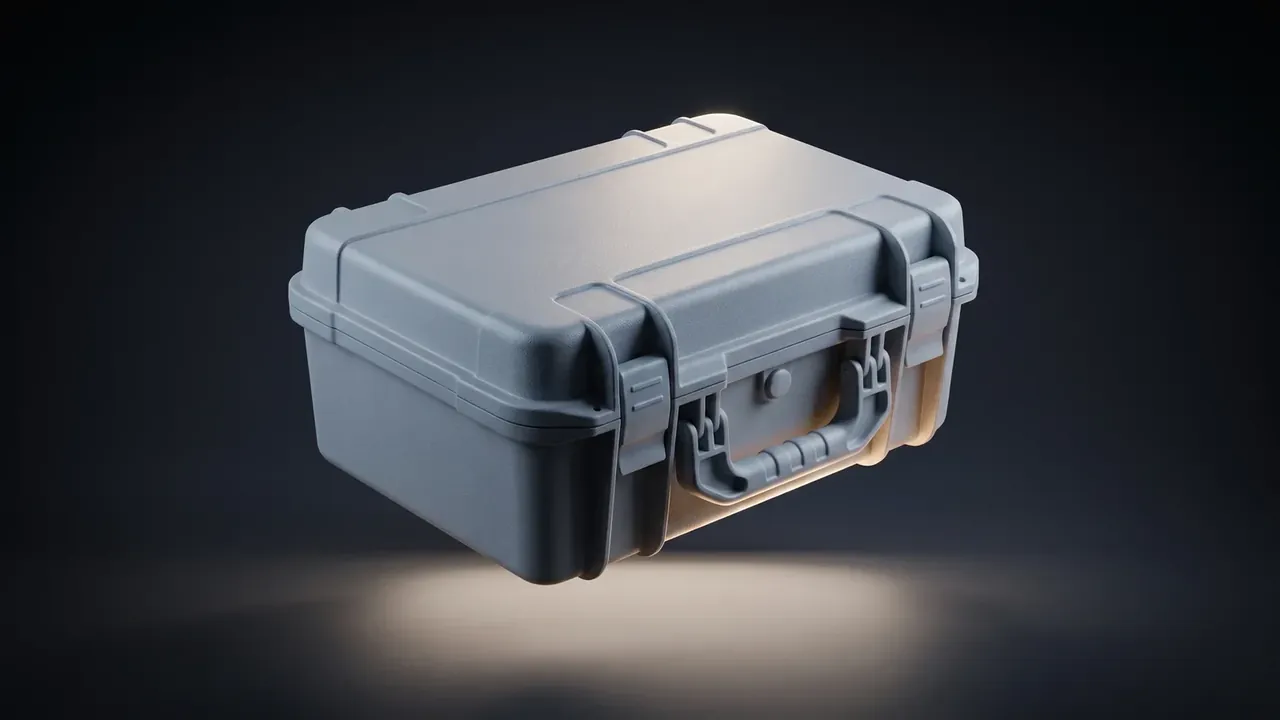
Quick answer: A flight case alternative plastic box is judged on weight, sealing, latch and wheels, certification and lead time. At a 600 x 400 x 300 mm cavity the plywood case weighs about 12 kg, the rotomoulded box 5.8 kg, and 4 to 6 mm walls still survive a 1.2 m drop.
Table of contents
- Where the Trade-Off Starts for a Flight Case Alternative Plastic Box
- Criterion One on Weight and Stiffness
- Criterion Two on Sealing and Pressure Relief
- Criterion Three on Wheels and Carrying Posture
- Criteria Four and Five on Certification and Lead Time
- FAQ
1. Where the Trade-Off Starts for a Flight Case Alternative Plastic Box
A flight case alternative plastic box is not a like-for-like swap: one is an assembly, the other a moulded shell. The case carries 9 mm plywood, 0.8 mm aluminium extrusion and rivets every 100 mm; the box leaves a rotomould or a press in one shot.
Read the handling chain first: who lifts it, how many stack in the truck, how often the lid opens. Lift often and weight decides, stack high and stiffness decides, open often and the latch decides. Past eight years, price the replacement rate, not the unit price.
| Item | Flight case | Plastic box |
|---|---|---|
| Skin | 9 mm plywood | 4 to 6 mm moulded |
| Seal | Gasket on panel edge | Twin lip with latch |
| Repair | Panel by panel | Whole shell |
2. Criterion One on Weight and Stiffness
Weight does not scale evenly: at a 600 x 400 x 300 mm cavity a plywood case lands near 12 kg, a rotomoulded box 5.8 kg, an injection version 4.6 kg. Six kilos become 1.2 tonnes across 200 units.
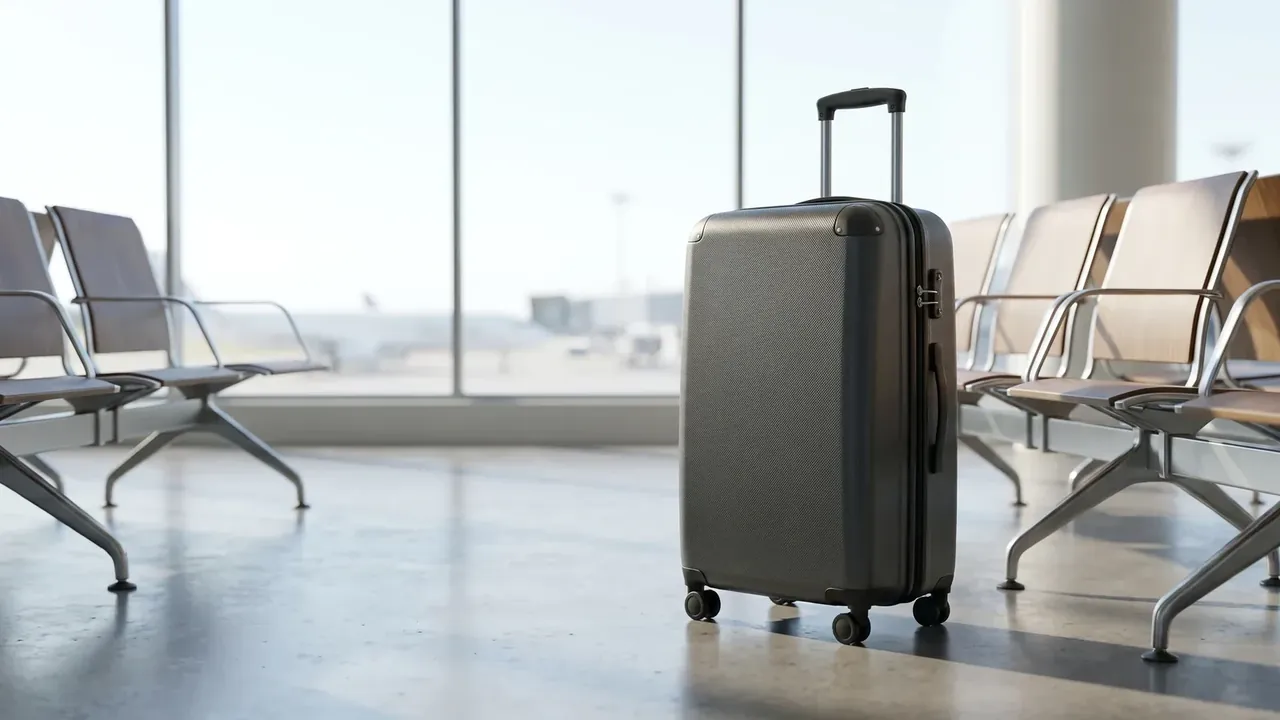
Stiffness comes from geometry: a 4 to 6 mm wall recovers rigidity through lid ribs, corner radii and a base grid. Press a closed lid and keep deflection under 3 mm; stack 150 kg for 72 hours, residual under 1.5 mm after 30 minutes.
Injection is a press question: above a 500 mm cavity the clamp force needs 800 to 1300 tonnes; undersized presses show a 0.6 mm wall spread and corners that crack first. Rotomoulding runs 1:4 rotation, 280 degrees Celsius, 18 to 25 minutes.
3. Criterion Two on Sealing and Pressure Relief
Sealing is the strongest argument for a flight case alternative plastic box. A twin-lip gasket under latch preload holds a 1.5 kPa drop from 20 kPa over 60 seconds, the hardware that also passes IP67 at one metre for 30 minutes. Plywood edges drift with moisture.
The relief valve is the first part cut from a quotation: a cargo hold presents 0.6 bar, an unvalved shell lands sealed shut, so set cracking pressure at 0.35 bar.
Foam follows: 25 mm EVA in a flight case, 15 mm in a flat-walled box, fixed with adhesive plus pins.
4. Criterion Three on Wheels and Carrying Posture
Hardware fails first. Steel ball corners take repeated impact; on a moulded box the latch boss is part of the shell, so load concentrates. Ask for a boss pad, a 3.5 mm root wall and 60 to 140 N of opening force.
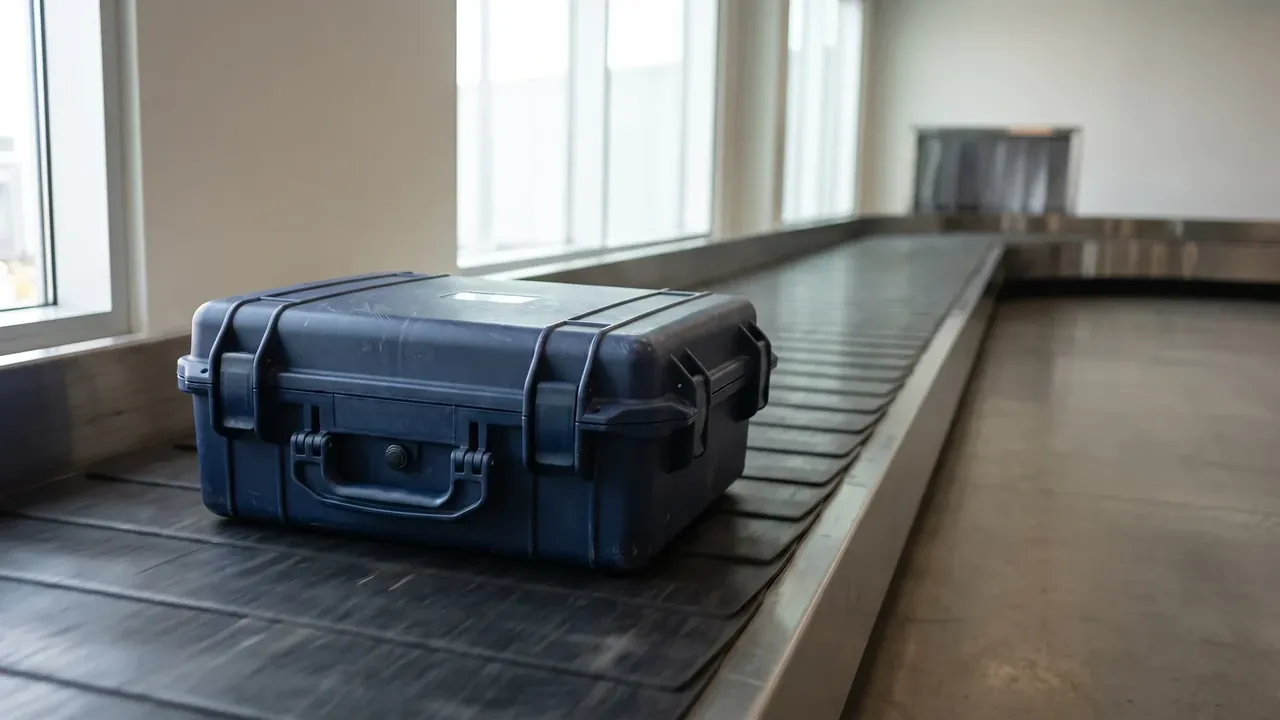
Match wheels to distance: 50 mm under 200 metres a day, 75 mm with a TPU tyre on asphalt, 30 kg per wheel, axle play under 0.3 mm after 50 km.
Past 30 degrees of tilt the load turns into bending and a 1.2 mm tube cracks at the second joint, so stairs call for twin grips.
5. Criteria Four and Five on Certification and Lead Time
Certification has to name clauses: an IP67 immersion report, a 1.2 m drop across six faces, three edges and one corner, and 48 hours of neutral salt spray. ATA 300 covers air transport suitability, IP covers enclosure protection, and neither proves the other.
Lead time follows tooling: 25 to 35 days for a rotomould at 30 to 40 units a day, 35 to 45 days for an injection tool at 300 units daily on a 1300 tonne press. Minimums sit at 200 and 500 units, with 8 to 12 kg purged on a colour change.
| Item | Verdict | Document |
|---|---|---|
| Immersion | IP67, 1 m for 30 min | Third-party report |
| Drop | 1.2 m, six faces one corner | Third-party report |
| Salt spray | 48 h neutral | Third-party report |
Conclusion
A flight case alternative plastic box trades repairability for consistency and lower mass, and once the five criteria enter an acceptance clause the risk becomes measurable. For long routes and frequent opening, a valved shell with twin grips is the steadiest flight case alternative plastic box.
This article discusses only the container (case body) side of specifications and design intent, and does not cover any handling, loading or use of the contents.
Related Reading
- How military flight cases are used in the field
- Air transport cases against the alternatives
- Setting specifications for instrument cases
- Selection logic for wheeled protective cases
Related Products
- 8 Series — Gun Cases; Military Equipment Cases; Camera Equipment Cases; Drone Cases; Watch Cases; Knife Cases; First Aid Cases; Electronics Equipment Cases
- WL8-2812 PP Gun Case — model WL8-2812
- All protective cases and toolboxes: 7 series, 158 models