

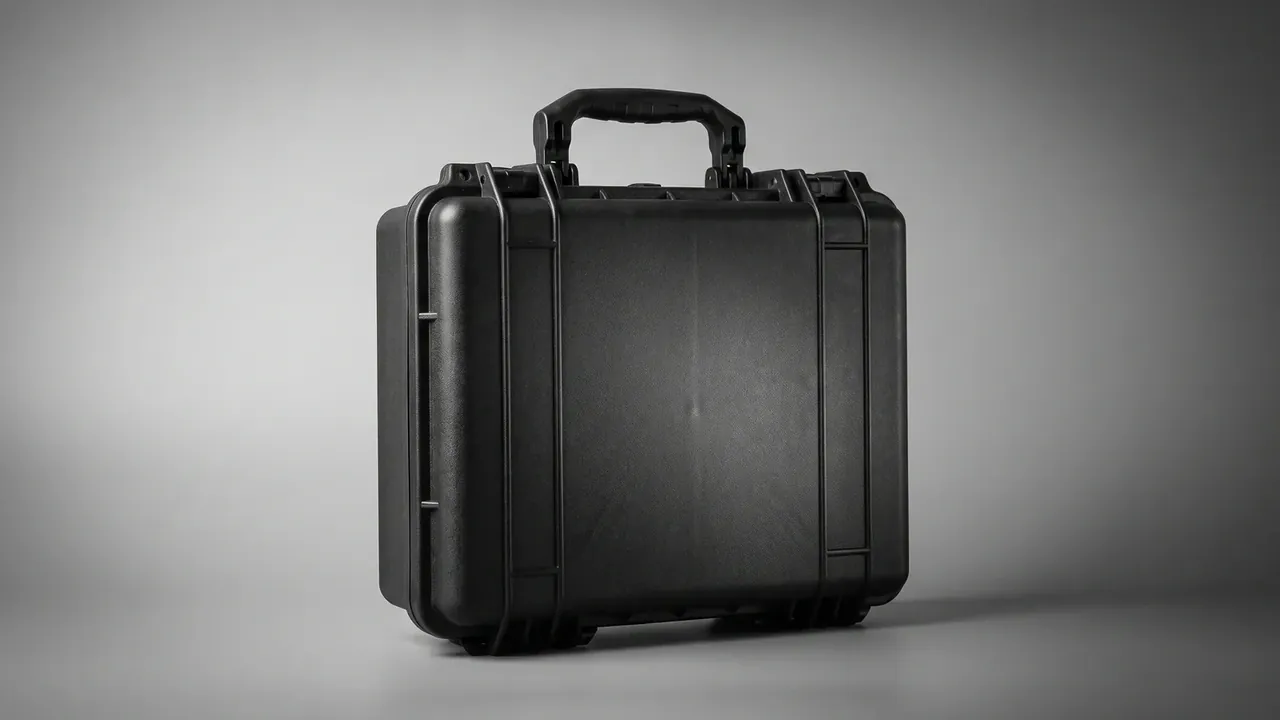
Quick answer: Foam inventory management rests on three documents, a sample that follows lot size from 8 to 32 sheets, and bench tests for density and compression set; put all three into the receiving form and returns fall from about 30 percent to under 5 percent.
Table of contents
- Where foam inventory management standards actually come from
- Sampling: how many sheets a lot size earns
- Thickness and density: the numbers that decide pass or fail
- Rebound first, compression set second
- Three routes for a failed lot
- Writing the verdict back into the register
- FAQ
1. Where foam inventory management standards actually come from
Nine EVA lots came back last winter with scattered reasons: sheets called thin, sheets called dead under the thumb, one slip that read nothing but a smell. Laid across a long table, they told one story. Nobody had agreed which document governed the inspection.
Foam inventory management leans on three papers. The part drawing owns length, width, thickness and slot position; the incoming spec owns density, hardness and compression set; the supplier report is a self-description and cannot release a lot.
Conflict is normal. The drawing says 20 mm, the spec says 20 mm plus or minus 1 mm, the report reads 20.4 mm; each is defensible alone. When drawing and spec disagree the tighter number wins, and that belongs in the contract annex.
2. Sampling: how many sheets a lot size earns
A 500-sheet lot of 600 by 400 mm board at inspection level II and AQL 2.5 means 13 sheets and an acceptance number of 1. One bad sheet in 13 passes; two send the lot back.
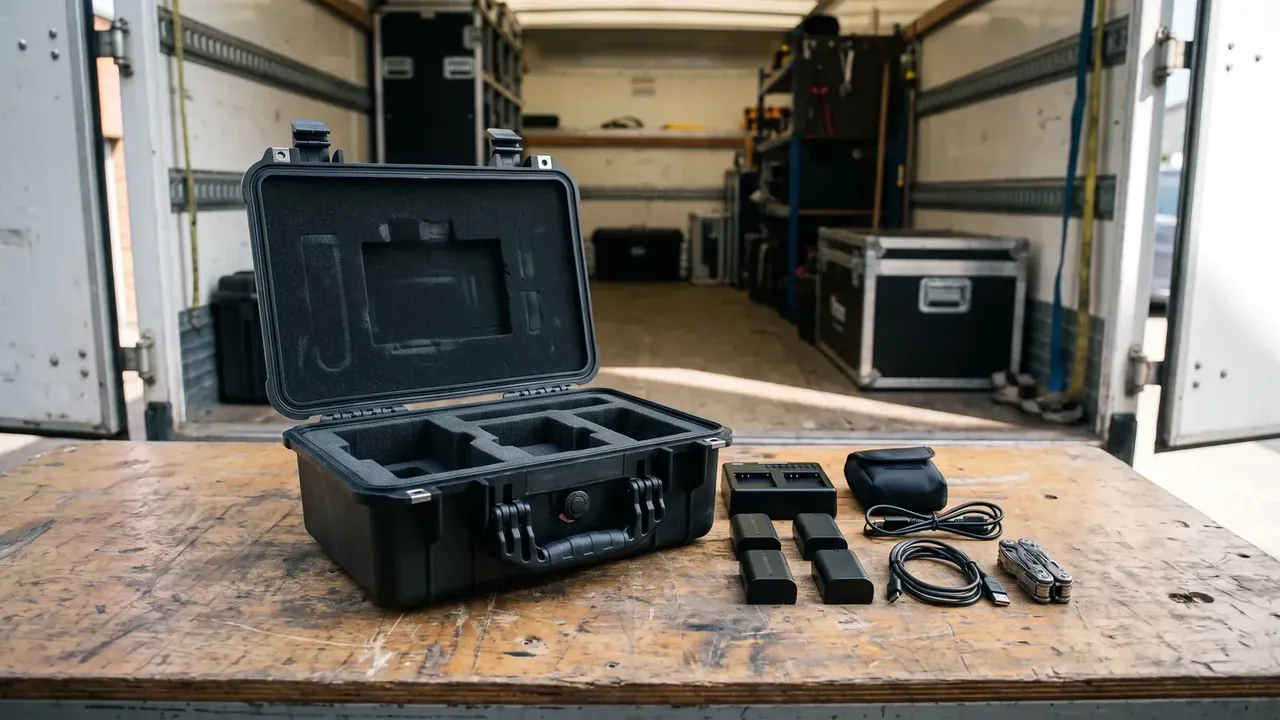
The step people skip is stratification. Deliveries arrive on three pallets, and drawing from the top stack judges the lot by its dampest corner. Go layer by layer instead, one or two sheets per pallet.
Larger lots earn a smaller percentage. Thirteen of 500 is 2.6 percent; twenty of 1200 is 1.7 percent.
| Lot size | Sheets drawn | Acceptance number | If exceeded |
|---|---|---|---|
| 1–150 | 8 | 0 | Double the sample |
| 151–500 | 13 | 1 | Draw 26, re-judge |
| 501–1200 | 20 | 2 | Reject the lot |
| Above 1201 | 32 | 3 | Sample per pallet |
Keep the sheets 12 months with lot number and date in marker; they are the only witnesses when a supplier argues.
3. Thickness and density: the numbers that decide pass or fail
Thickness is read with a digital caliper at four corners and the centre, five points averaged. On a 20 mm board allowing plus or minus 0.8 mm, two points out reject the lot.
Length and width run to plus or minus 2 mm, and a 600 by 400 mm sheet keeps a 0.3 mm burr after cutting, so scrape the edge before measuring.
Density is the easiest property to fake. Drop 38 kg/m³ stock to 36 and a cubic metre loses 2 kg; one 20 mm sheet loses 32 g, which no hand detects. Weigh a 100 by 100 mm coupon, divide by volume, and 35.4 kg/m³ has nowhere to hide.
| Check | Instrument | Cut-off | Beyond it |
|---|---|---|---|
| Thickness | Caliper, 5 points | 20 mm, ±0.8 mm | One point retested, two rejected |
| Length and width | Steel tape | 600 by 400 mm, ±2 mm | Trimmed and rechecked |
| Density | Balance plus volume | 38 kg/m³, floor 36 | Below 36 rejected |
| Compression set | Compression jig | 5 percent, retest to 6 | Above 6 rejects |
Softness has a second cause: past 12 months in store the blowing agent escapes and hardness falls 3 to 5 points.
4. Rebound first, compression set second
Measure rebound before compression set, or the second figure reads about a tenth low.
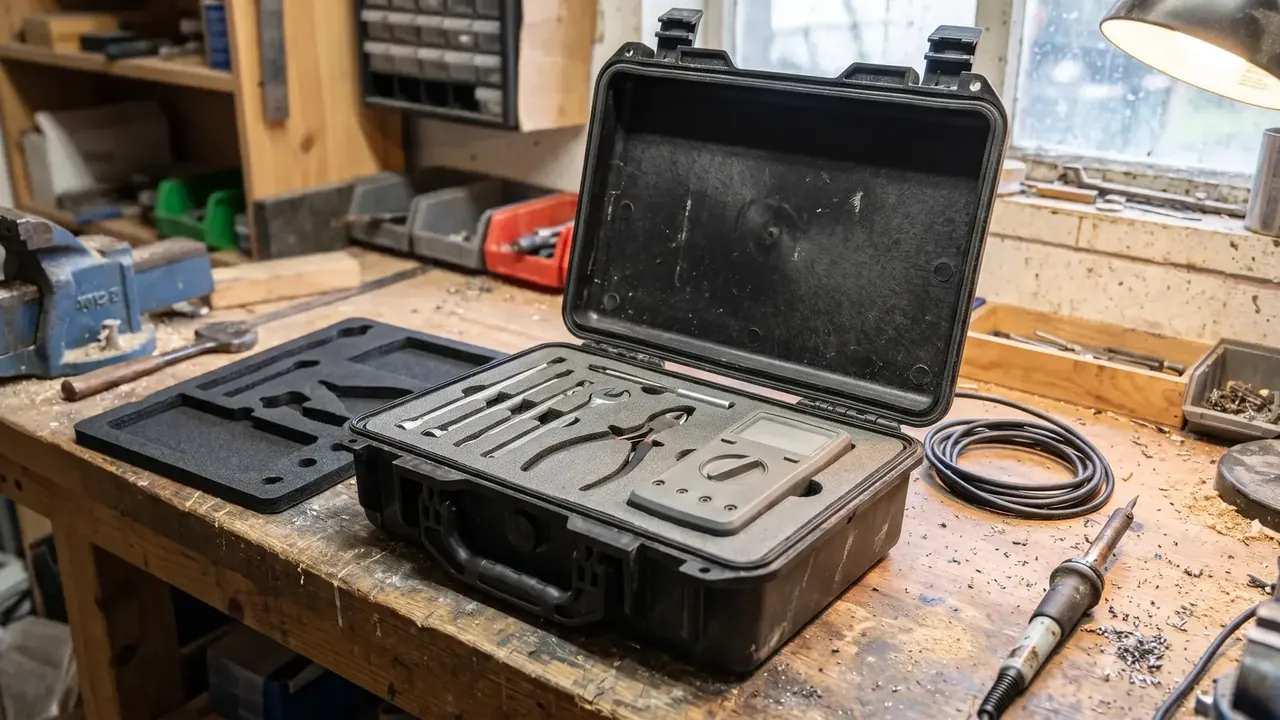
The rebound test is crude on purpose. Press a 10 mm coupon flat, release, and pass it if it returns to 95 percent of its thickness within 2 seconds. A sheet that misses becomes a liner that sags into its cavity within 3 months.
Compression set runs at 50 percent deflection, 23℃, for 22 hours. Rest the coupon 30 minutes, measure residual thickness, and pass anything at 5 percent or below. The same material at 35℃ in July often reaches 7 percent; the foam is fine, the conditions are not.
One sheet forces an order. Rest the delivery 24 hours so crushed sheets recover, read initial thickness, run rebound and hold failures out of the jig, clamp survivors at 50 percent, rest them 30 minutes, then divide residual by initial. That is 2 working days for 13 sheets, against 13,000 yuan to return 500 sheets at 26 yuan each.
5. Three routes for a failed lot
Concession, rework and return carry different thresholds, and different people should sign each.
| Route | When it applies | Who signs | What follows |
|---|---|---|---|
| Concession | One item out by 10 percent or less | Process and quality | 5 percent cut, segregated |
| Rework | Size correctable, density fine | Quality supervisor | Repaired on site, recheck in 2 days |
| Return | Density under 36 or set above 6 percent | Purchasing | Replacement in 8 working days |
Concession runs away. Let one slip and the next lot arrives the same way, and by the third it is the default. Cap it at 3 per supplier per year. Rework depends on what is fixed: trimming and deburring recover, while low density and high set live in the core where no tool reaches.
A return needs a paper trail: sampling record, measured values, photographs, a signature. Miss one and the supplier blames your warehouse.
6. Writing the verdict back into the register
A register that says pass tells you nothing. Five fields carry the value: lot number, sample size, measured range, the person who judged, the disposition. Leave density as a range, because 37.2 to 38.6 kg/m³ says more than a single 37.9.
Twelve months of rows expose drift. One supplier averaged 38.4 kg/m³ in the first half year and 37.1 in the second, inside the limit but sliding. Read the register quarterly; foam inventory management closes its loop there, not at the dock.
Conclusion
However scattered the return slips look, the floor argues over four numbers: thickness, density, rebound and compression set. Sample by lot size, test in order, dispose by threshold, and inspection stops depending on feel. Foam inventory management is less about one lot being right than about the same cut-off line holding for 12 months.
This article discusses only the container (case body) side of specifications and design intent, and does not cover any handling, loading or use of the contents.
Related Reading
- Stacking rules when foam and cases share a store
- How foam moves from goods-in to the line
- Salt spray and drop items in an ammunition box audit
Related Products
- 8 Series — Gun Cases; Military Equipment Cases; Camera Equipment Cases; Drone Cases; Watch Cases; Knife Cases; First Aid Cases; Electronics Equipment Cases
- WL8-2812 PP Gun Case — model WL8-2812
- All protective cases and toolboxes: 7 series, 158 models