

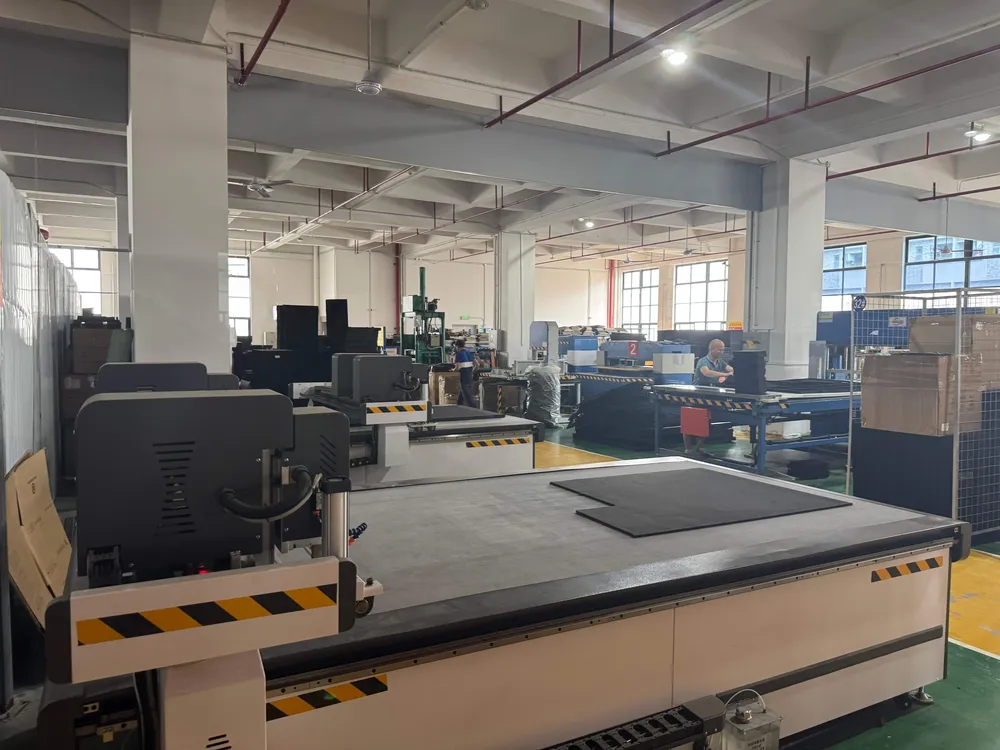
Foam is the consumable part of a protective case. Shells survive for years; liners compress, tear and shed long before. The practical skill is knowing which failures can be cut around and which mean the liner is finished.
Repair or Replace?
| Condition | Verdict | Reason |
|---|---|---|
| Payload changed, foam otherwise sound | Re-cut | Material still has its cushioning properties |
| Local tear or a cavity slightly too large | Patch or insert a shim | Isolated damage does not justify a full liner |
| Compression: foam no longer springs back | Replace | Cushioning is gone; it will not protect on impact |
| Widespread shedding or crumbling | Replace | Particles contaminate contents and material is degrading |
| Soft, crumbling edges around many cavities | Replace | Cavities will no longer hold shape or grip the item |
The test for compression is simple: press firmly and watch. Material that stays compressed after a few seconds has lost the ability to absorb an impact.
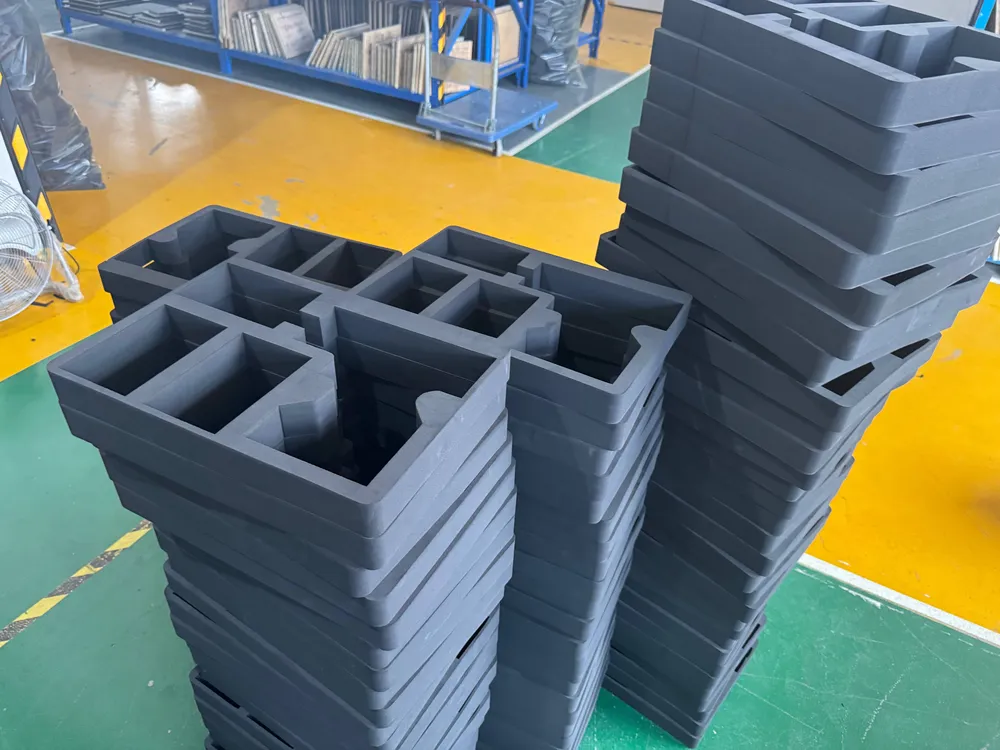
Cutting a Clean Cavity by Hand
- Mark from the item, not from a tape measure. Trace the actual payload, then add clearance.
- Cut slightly undersized first and ease the fit — you can always remove more material.
- Use a long, sharp blade and cut vertically; a short blade tears and leaves a ragged wall.
- Keep walls vertical. Undercut walls let the item drop through; tapered walls let it work loose.
- Leave enough base material beneath the item — the cushioning depth is what protects it.
- Provide a finger notch or pull ribbon so the item can be removed without digging into the foam.
Mistakes That Weaken Support
- Cutting cavities too close together, leaving thin walls that tear under load.
- Removing too much base depth so the payload can bottom out on the shell.
- Mixing densities in one liner without understanding how load transfers.
- Re-cutting repeatedly in the same area, which turns a cavity into a hole.
- Using the wrong adhesive, which can degrade foam or fail under temperature cycling.
Specifying a Replacement
When ordering a new liner, specify the payload, its weight, the drop height to survive and the case model — not just cavity dimensions. Density and hardness have to suit the load, and the same outline in a different density performs very differently. Our guide to custom foam inserts covers material selection, and pick-and-pluck foam explains why that format is the least durable under repeated rework.