

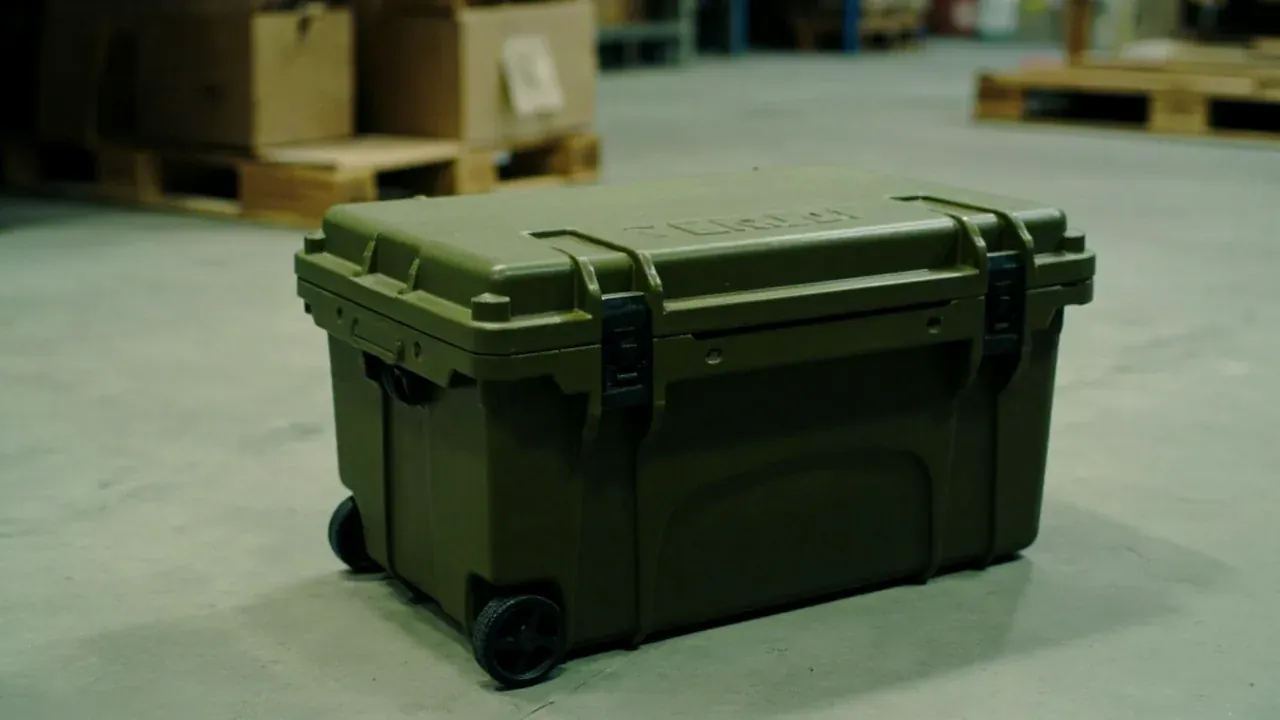
Quick answer: A fuze packaging assembly is four layers working as one unit: a rotomoulded outer case, a foam liner, locating parts and cushioning parts. The case takes impact and stack load, the liner divides the cavity, the locating parts stop movement, and the cushioning absorbs shock before it reaches a unit. The duties do not overlap, and acceptance follows the same order: closure and stacking, liner fit, locating tightness, cushion travel. Skip a layer and the rest fail early.
Table of contents
- A fuze packaging assembly is a set, not a single case
- The outer case of a fuze packaging assembly
- Liner and locating parts in a fuze packaging assembly
- Cushioning: absorbing energy, limiting travel, springing back
- The acceptance order, layer by layer
- FAQ
1. A fuze packaging assembly is a set, not a single case
In structure a fuze packaging assembly is four layers, not one thick case: a rotomoulded case for shape and stacking, a liner cutting the cavity into cells, locating parts holding a unit in its cell, and cushioning leaving a gap to the wall.
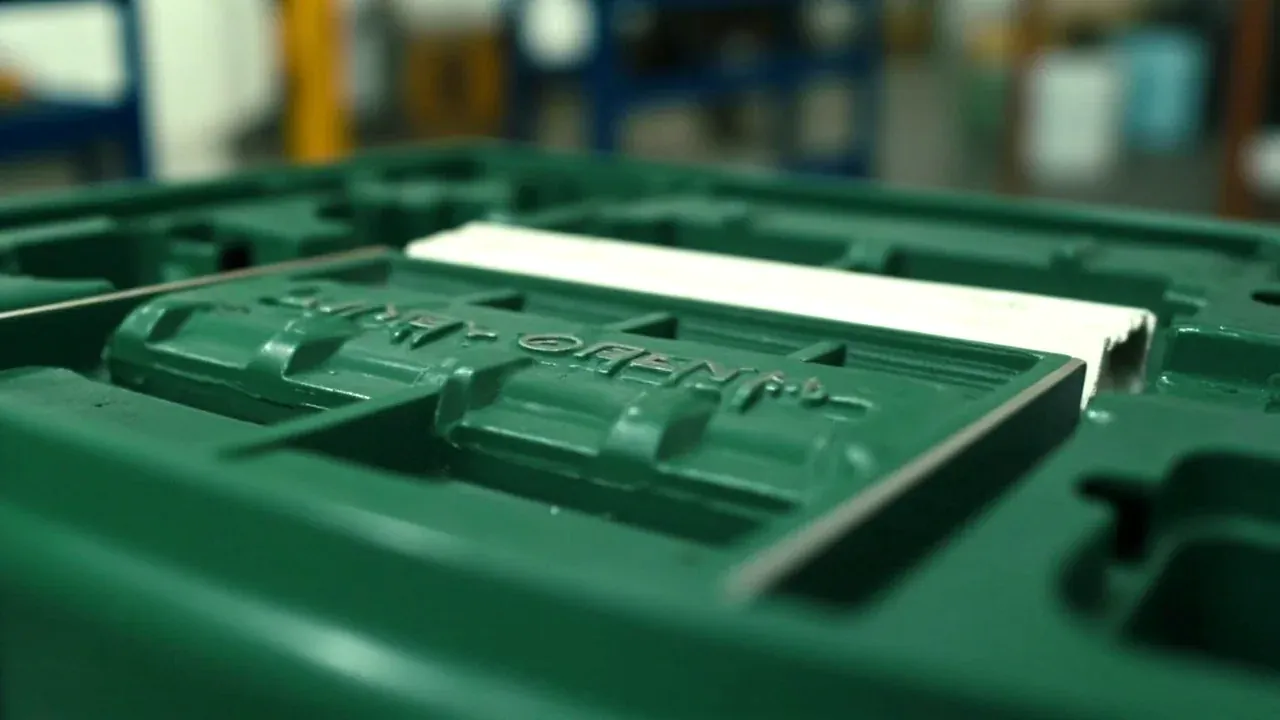
Thickening the case alone does not stop movement inside. Impact at a corner deflects the wall and springs back; without cushioning the cells crush, and with loose locators a unit still strikes the cell wall. Four layers, not one shell, decide the outcome.
2. The outer case of a fuze packaging assembly
The outer case is the only layer of a fuze packaging assembly that meets the outside world. Its task is to spread impact over a wider area, not stop it at the door; moulded in one piece, wall, floor and rim have no seam.
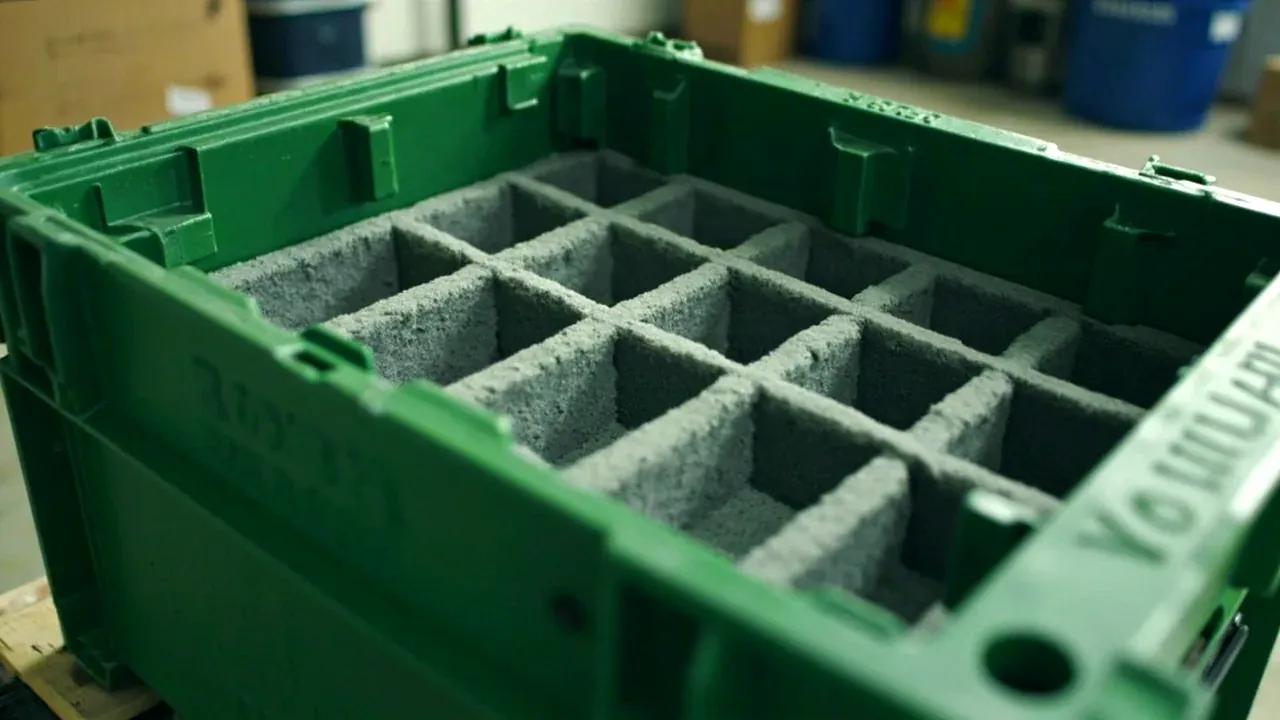
Wall thickness and ribbing are the two variables. More wall buys stiffness and costs weight, so ribs leading stack load into four corner posts are the better trade. The rim needs a land wide enough for gasket and pad, or the lid lifts at the latches.
3. Liner and locating parts in a fuze packaging assembly
The liner sets the cells, the locating parts decide whether a unit stays put. EPE has a fine skin and slow rebound; EPP holds stiffness under repeated load. Leave two to three millimetres between liner and wall, or mould flash shaves the liner and every cell grows.
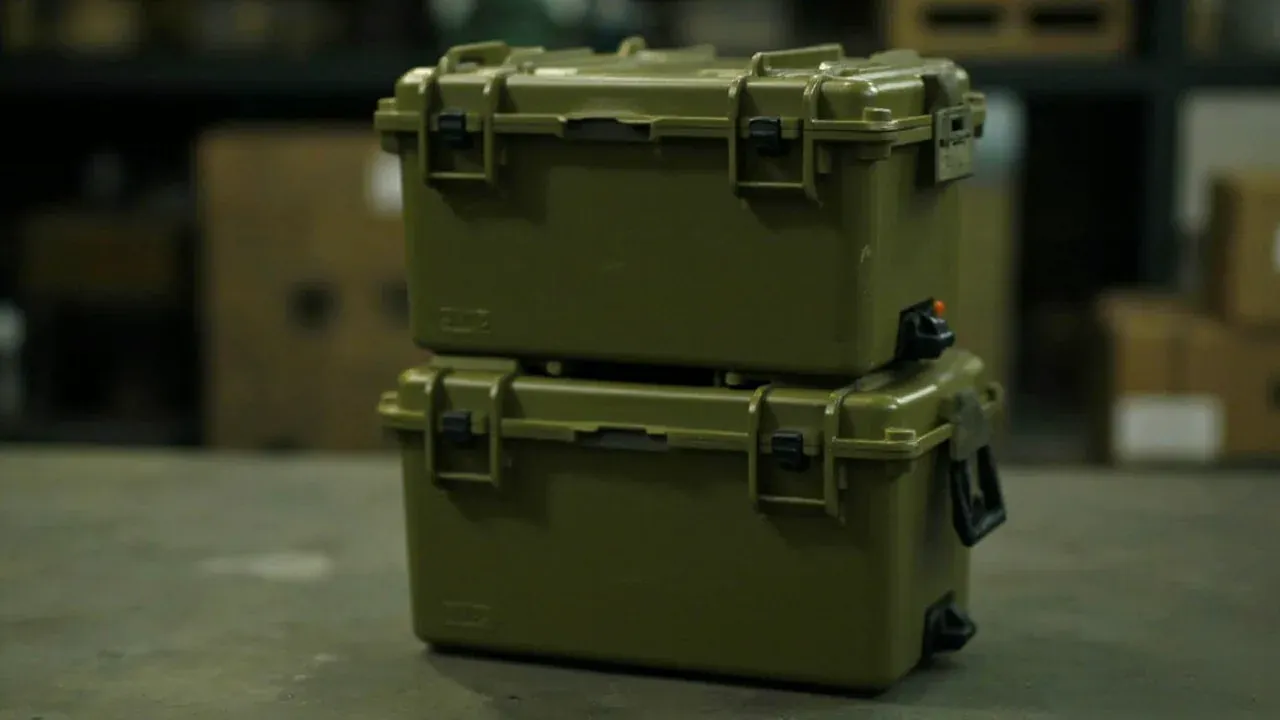
A saddle carries weight, a bar limits lift, a pin in a groove stops rotation. Run the pin 0.3 to 0.5 mm under its groove: tighter scores the surface, looser does nothing.
4. Cushioning: absorbing energy, limiting travel, springing back
Cushioning in a fuze packaging assembly works by compression, not bulk. Foam stiffens sharply past a knee that sets how much energy a block takes. Design for 20 to 30 percent static compression so travel remains for a drop; a block crushed to half has nothing left.
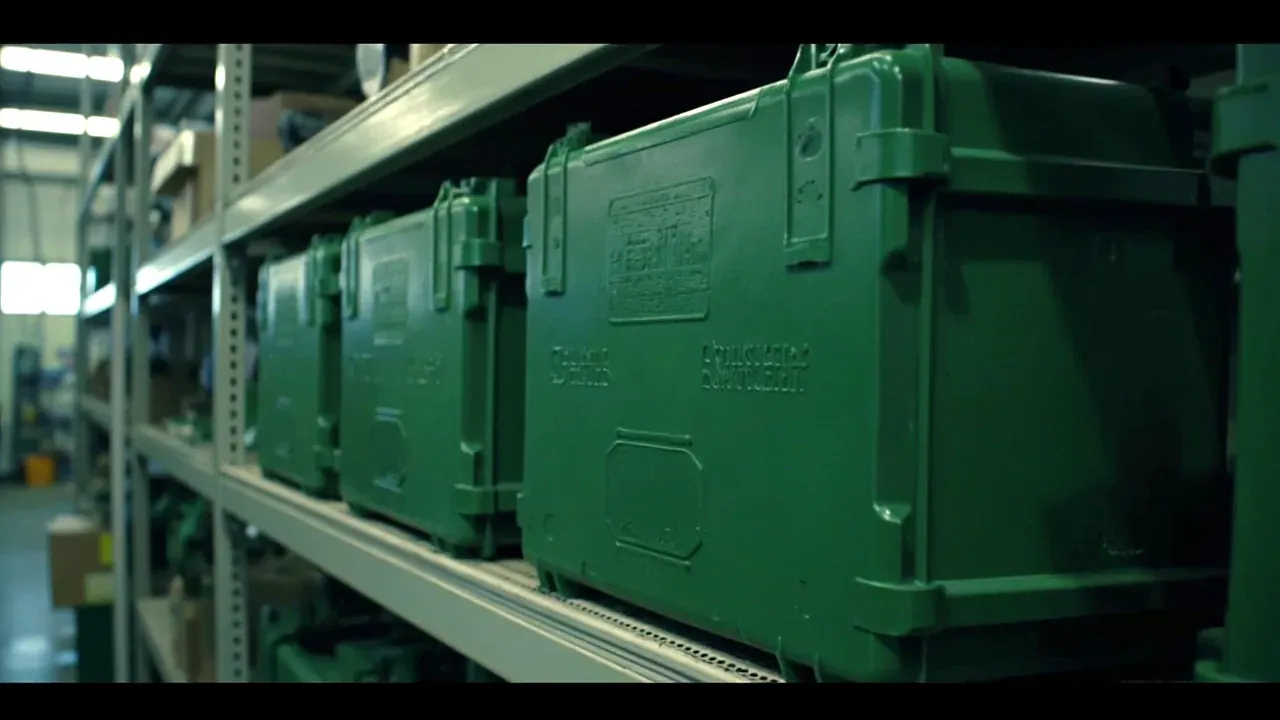
Place blocks thickest at corners, thinner on faces, each seated against the case radius. Leave a gap to the locator so foam compresses first; butted together, the locator breaks on the first drop.
5. The acceptance order, layer by layer
Acceptance of a fuze packaging assembly runs outside in. Close an empty case and run a hand round the rim for lift or light gaps, then sight the corners from inside. If the case fails here, the rest proves nothing.
Then liner fit on a flat table, four edges touching; then a loaded case inverted and shaken; then caliper the corner blocks and log residuals on the lid.
| Layer | Load it answers | Typical failure | Check on the floor |
|---|---|---|---|
| Outer case | stack load, knocks on edges | lid lifts, pale corners | hand round the rim, sight corners |
| Liner | cell division, side support | crushed cells, warped liner | set it flat, watch four edges |
| Locating parts | sliding and rotation | loose pin, cracked saddle | close, invert, shake for a knock |
| Cushioning | shock absorption, travel | low residual, crush lines | caliper blocks, log on label |
Conclusion
Judge a fuze packaging assembly from the outside in: case, liner, locators, cushioning, and stop at the first layer that fails. Case and liner are fixed parts, where a wrong choice means a rebuild. Locators and cushioning are service parts and can be swapped on their own. Record original dimensions inside the lid, since comparing residuals beats judging by feel and shows which layer is ageing first.
This article covers container-side specifications and design implications only, not the handling, loading or use of the contents.
Related Reading
- Cushioning and locating design for the same pack
- Rotomolded Cases: Rotational-Moulded Shell Structure & Pro…
- Transit Cases: Reusable Equipment & Instrument Protection
- Load, sealing and cushioning for shipping containers
Related Products
- 8 Series — Gun Cases; Military Equipment Cases; Camera Equipment Cases; Drone Cases; Watch Cases; Knife Cases; First Aid Cases; Electronics Equipment Cases
- WL8-2812 PP Gun Case — model WL8-2812
- All protective cases and toolboxes: 7 series, 158 models