

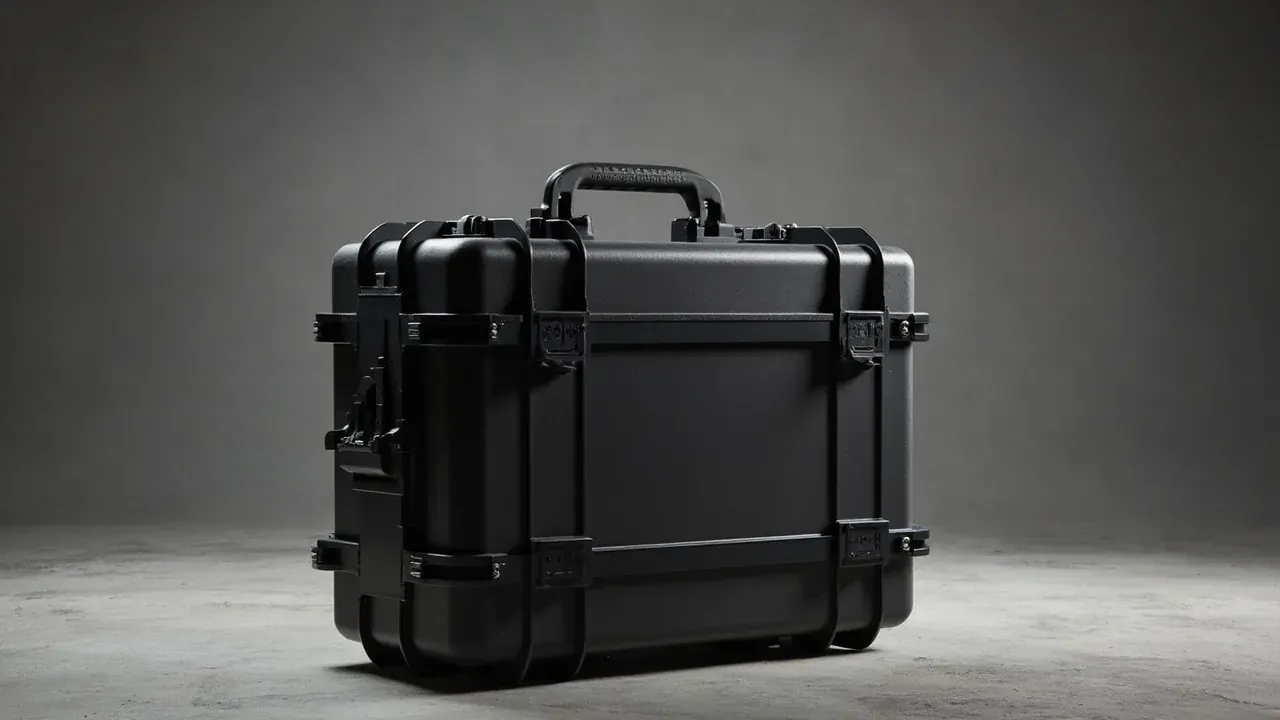
Quick answer: A gear case and an equipment case are treated as synonyms on purchase orders, yet they follow different logic. A gear case carries one item per position; an equipment case stores a class of items and opens many times a day. The confusion produces three mismatches: volume compared against load rating, a tool box seal spec applied elsewhere, and tenders written by name rather than by the actual working condition.
Table of contents
- One name, three objects: gear case, equipment case, toolbox
- Three figures that cannot be compared
- Five differences on one table
- What mismatch costs later
- Locking the terms before quoting
- FAQ
1. One name, three objects: gear case, equipment case, toolbox
Gear case, equipment case and tool box get used interchangeably in catalogues and tenders, yet they are three objects: one carries a single item, one stores a class in bulk, one opens on the spot. Without a shared name, a specification has no common basis.
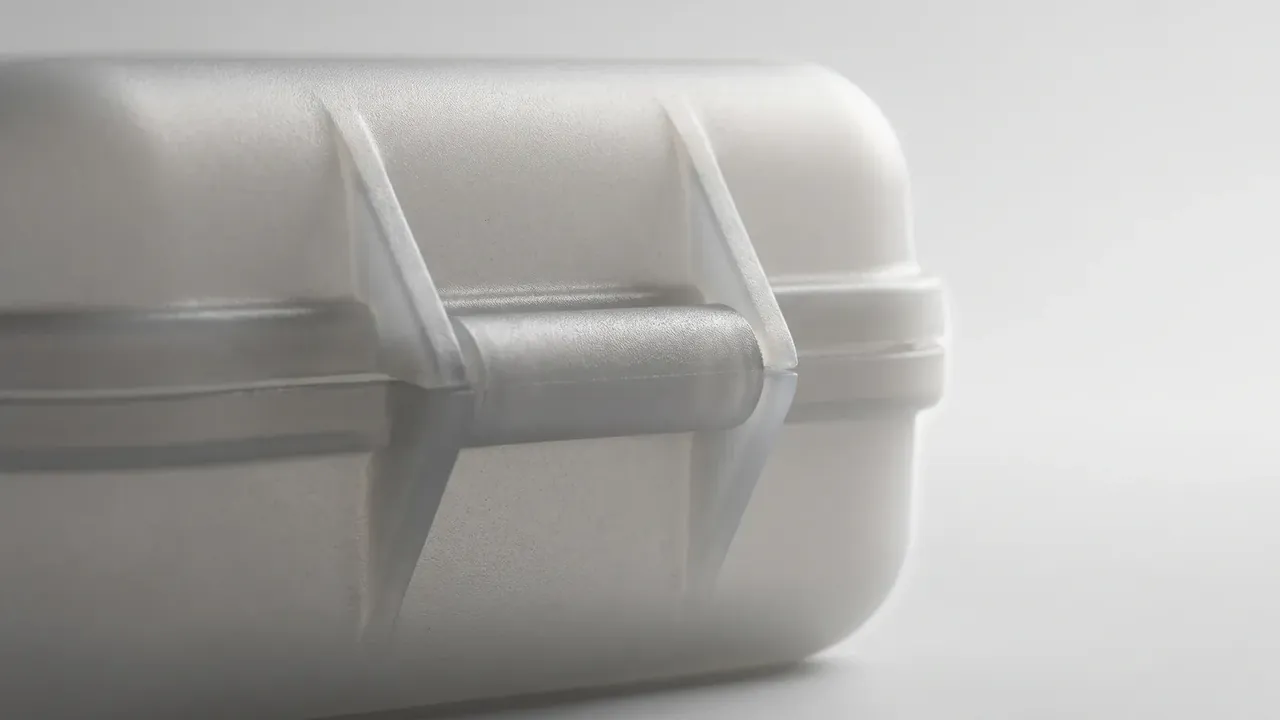
The white shell above shows gussets bracing a ledge, lid seam just above. Ribs like these show the load path: lid load enters the side wall, not the panel alone. Categorise by asking whether the structure answers carrying shock or static stacking, and how the liner is cut.
2. Three figures that cannot be compared
The three figures compared most often on a quotation are the least comparable: volume, load rating and ingress grade. Volume may be gross or usable, a rating static or dynamic, a grade may describe the shell or the closed box.
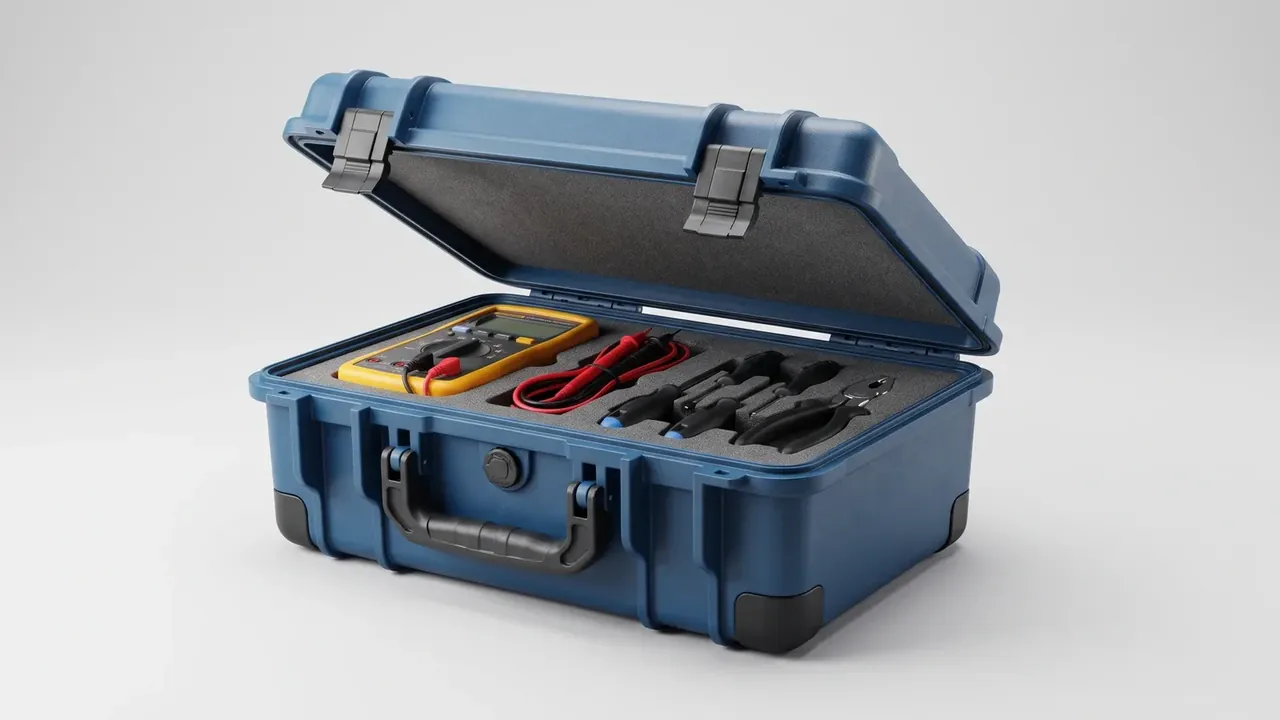
The blue case above is half open, grey foam in the lid, black foam routed around a multimeter and probes. Foam displaces volume: a box quoted at forty litres may offer twenty-something once pockets are cut. Load rating follows suit: carrying load lands on handle rivets and corners.
3. Five differences on one table
On one table the differences narrow to five, each checkable on a sample.
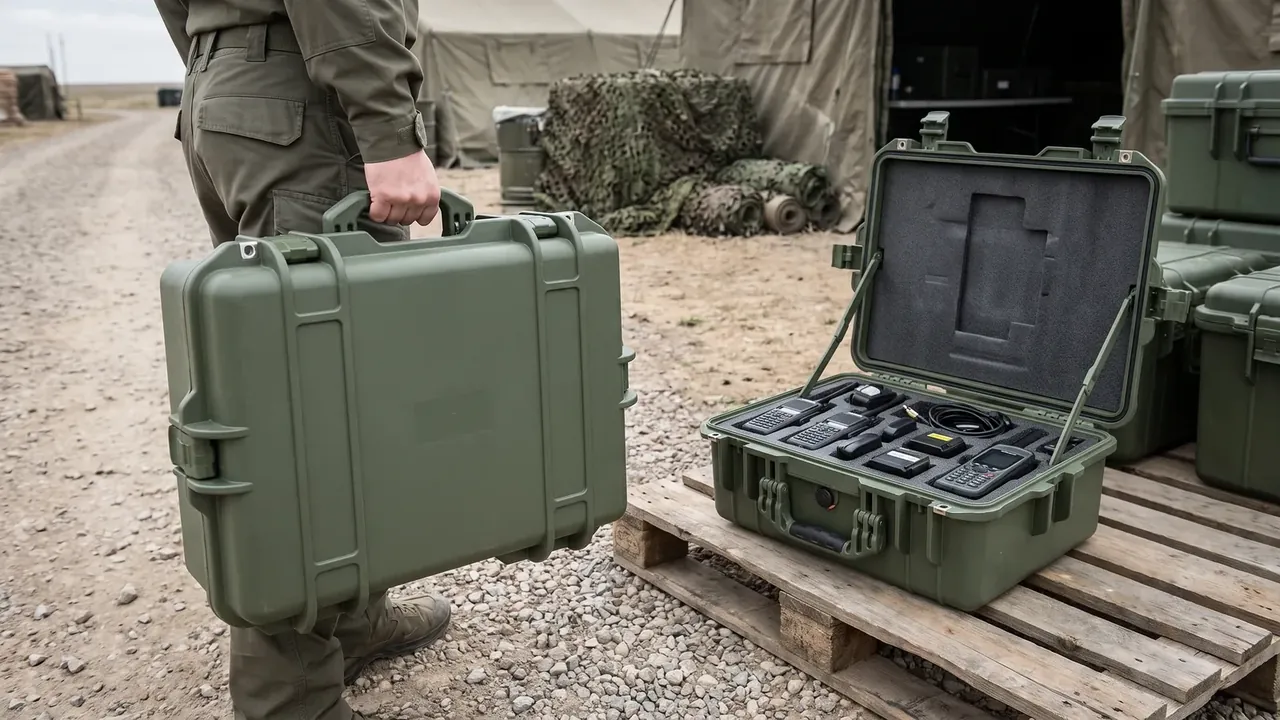
The figure above carries a closed olive case across gravel while a second lies open on a pallet, foam holding a radio and batteries. One site, two patterns: carried by hand, or opened where it stands, the line the table draws.
| Aspect | Gear case | Equipment case |
|---|---|---|
| Unit | One item or set | A class in bulk |
| Liner | Pocket per item | Divided by class |
| Opening | Once per task | Many times a day |
| Carrying | By handle, short legs | Pallet or cart |
| Acceptance | Carry drop, hardware life | Static load, stack stability |
The last row sets the test: judge a gear case by stacking and the handle is never checked.
4. What mismatch costs later
Mismatch rarely appears at acceptance; it shows up in the third month, in four shapes.
- An equipment case carried like a gear case: rivets loosen, corners crack.
- A gear case used for bulk storage: per-item foam slows access, so users remove it.
- A tender written by name: two quotes match on paper, liners differ, the gap reads as margin.
- A tool box seal spec forced onto an equipment case: a thicker gasket raises opening force.
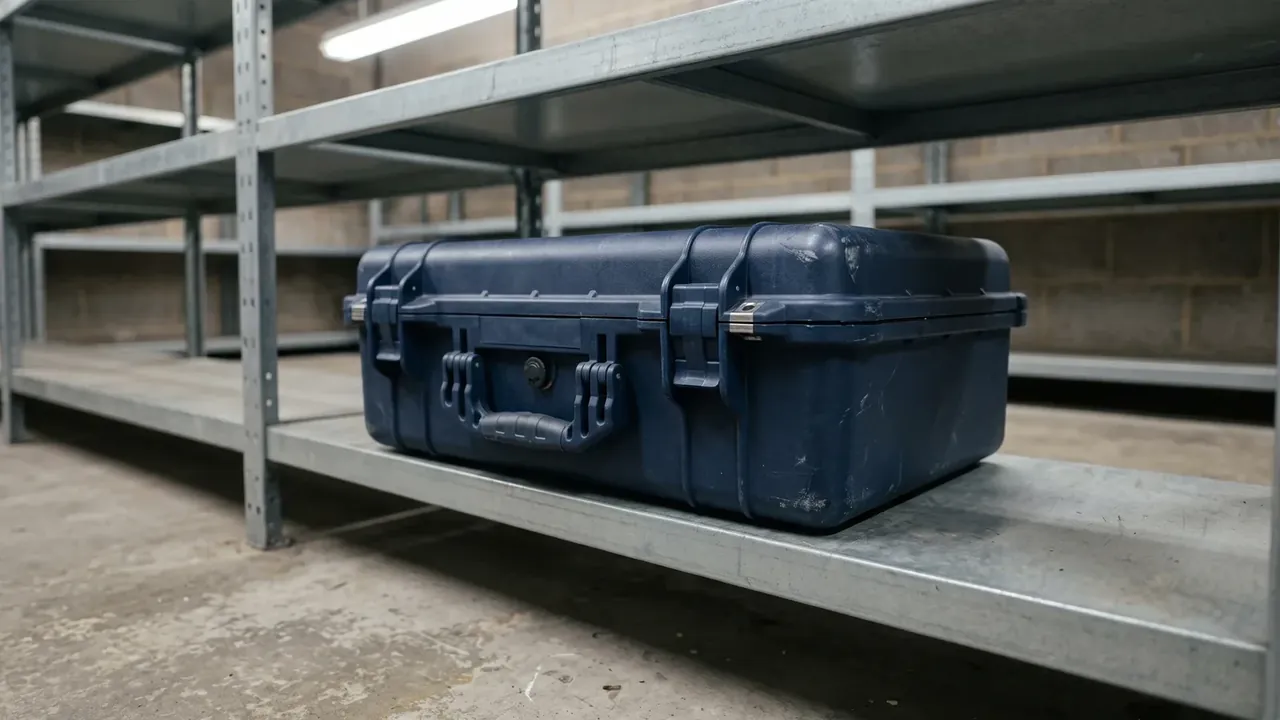
The navy case above sits on a galvanised shelf, paint scuffed white. Wear like that comes from work the box was not meant for: a tote one shift, a shelf fixture the next.
5. Locking the terms before quoting
The fix is six questions, answered on one basis by every supplier.
- Who carries it, how far, how many hands
- Items per trip, liner per item or divided
- Shelf or stack, how high, how long
- Must it open into a work surface
- Acceptance by carry drop or static stack
- Ingress grade for the box or the seam
Once the six are answered the name stops mattering: same answers, comparable; same name, different answers, not.
Conclusion
Three steps decide it: carried or stored, items shared, acceptance by carrying or stacking. The label is an outcome, not an input. A gear case or an equipment case goes wrong when its name reaches the requirement before the working condition does.
This article covers container-side specifications and design implications only.
Related Reading
- What a gear case is, and how it differs from a tool box
- Choosing an equipment case from the item type backwards
- Equipment cases in industrial inspection and field work
- Selecting a tactical hard case: load, stacking and handling
Related Products
- 8 Series — Gun Cases; Military Equipment Cases; Camera Equipment Cases; Drone Cases; Watch Cases; Knife Cases; First Aid Cases; Electronics Equipment Cases
- WL8-2812 PP Gun Case — model WL8-2812
- All protective cases and toolboxes: 7 series, 158 models