

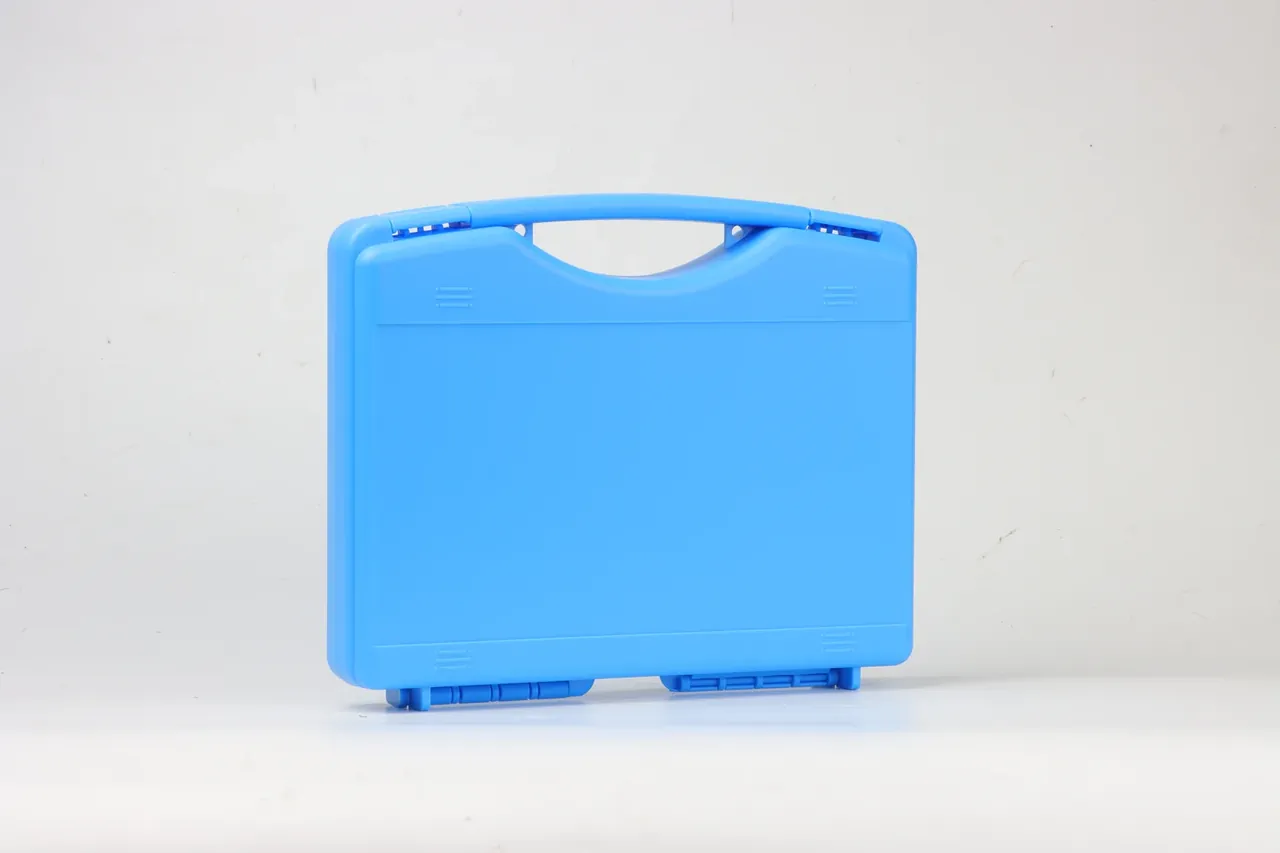
Quick answer: Choose between a hard case and a soft bag by asking whether the route includes stacking, tossing and rain, because a 12 kg kit rides at 17.8 kg in a 5.8 kg shell and at 13.9 kg in a 1.9 kg bag, and those 3.9 kg buy measurable results.
Table of contents
- Where a hard case stops and a soft bag starts
- Weight and stacking: adding up the loaded kit
- Water: IP67 immersion against a water repellent
- Shock transfer: bringing peak acceleration down
- Volume, access time and repairability
- Air freight, vehicle and on-foot routes
- FAQ
1. Where a hard case stops and a soft bag starts
Start with the load: two bodies and three lenses with batteries and hoods come to about 12 kg, the figure every comparison uses. A hard case with a 560 × 350 × 215 mm interior, 42 L of volume and 3.2 mm polypropylene walls weighs 5.8 kg empty, while a soft bag of the same volume weighs 1.9 kg. That 3.9 kg pays for lid stiffness in bending, latch preload and a compressible sealing lip.
Three questions draw the boundary. Does the route involve stacking, where pallets and tail lifts put other freight on your case at 60 to 80 kg? Is the case thrown, since a 1.2 m sorting-line drop arrives as a 6 ms pulse peaking near 50 g? Does it sit in rain for over 30 minutes? Two yeses out of three and the extra weight earns its place.
2. Weight and stacking: adding up the loaded kit
Weigh the loaded kit, not the shell. The 12 kg load becomes 17.8 kg in a hard case and 13.9 kg in a soft bag, both inside a 20 kg carry limit, and ten trips turn the 3.9 kg gap into 39 kg of cumulative load.
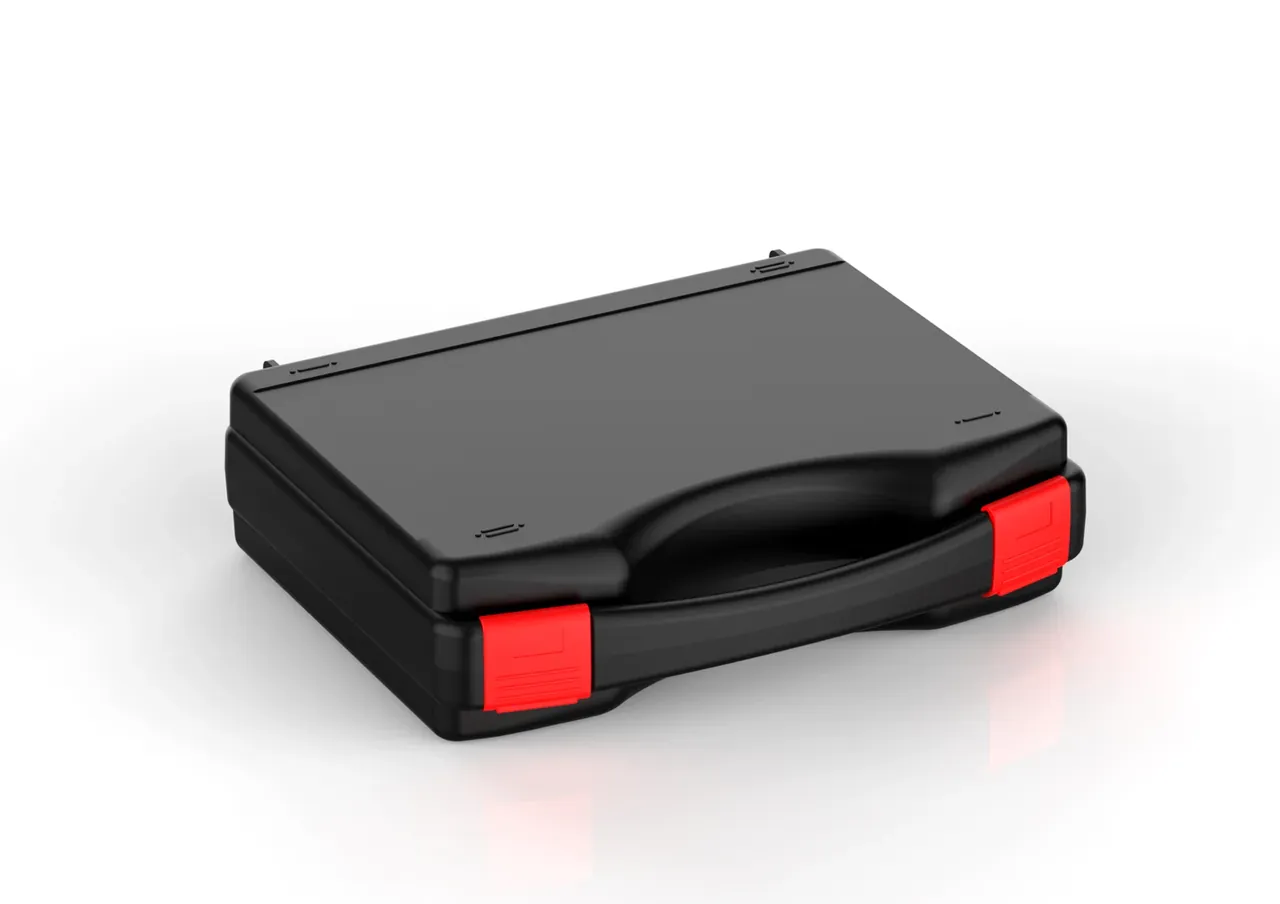
Stacking is the real divider. Under 80 kg for 24 hours the hard case lid deflects no more than 2 mm and recovers to under 0.5 mm of set an hour after unloading. A soft bag compresses 18 mm, dropping interior height from 215 mm to 197 mm, and still shows 6 mm of set after 30 minutes.
Four layers come from the corner blocks: each carries a solid 8 mm pad, and one corner holds 30 kg without cracking, putting 120 kg on four. A bag spreads load through fabric, so a third layer crushes the bottom one.
3. Water: IP67 immersion against a water repellent
IP67 means 1 m of still water for 30 minutes, which the hard case reaches with a double-lip silicone gasket of 3.5 mm cord at 30% compression, two latches and a pressure valve. After the soak the case is weighed open, and a change of 0.5 g or less passes. A soft bag takes another route: 900D polyester with a PU coating holds about 1500 mm of water column, and a DWR finish at grade 4 makes rain bead, which stops 30 minutes of steady rain and not immersion, because water works through coil teeth and stitch holes.
So split the question: rain, or submersion. A flooded hard case fails visibly, since a continuous film across the gasket groove is enough to call it, while a leaking bag wets one corner and announces itself when fog forms on a lens barrel.
4. Shock transfer: bringing peak acceleration down
Drop damage follows peak acceleration, not height: a 1.2 m fall lasts about 6 ms and a rigid impact peaks near 50 g, while a precision body is rated to roughly 15 g.
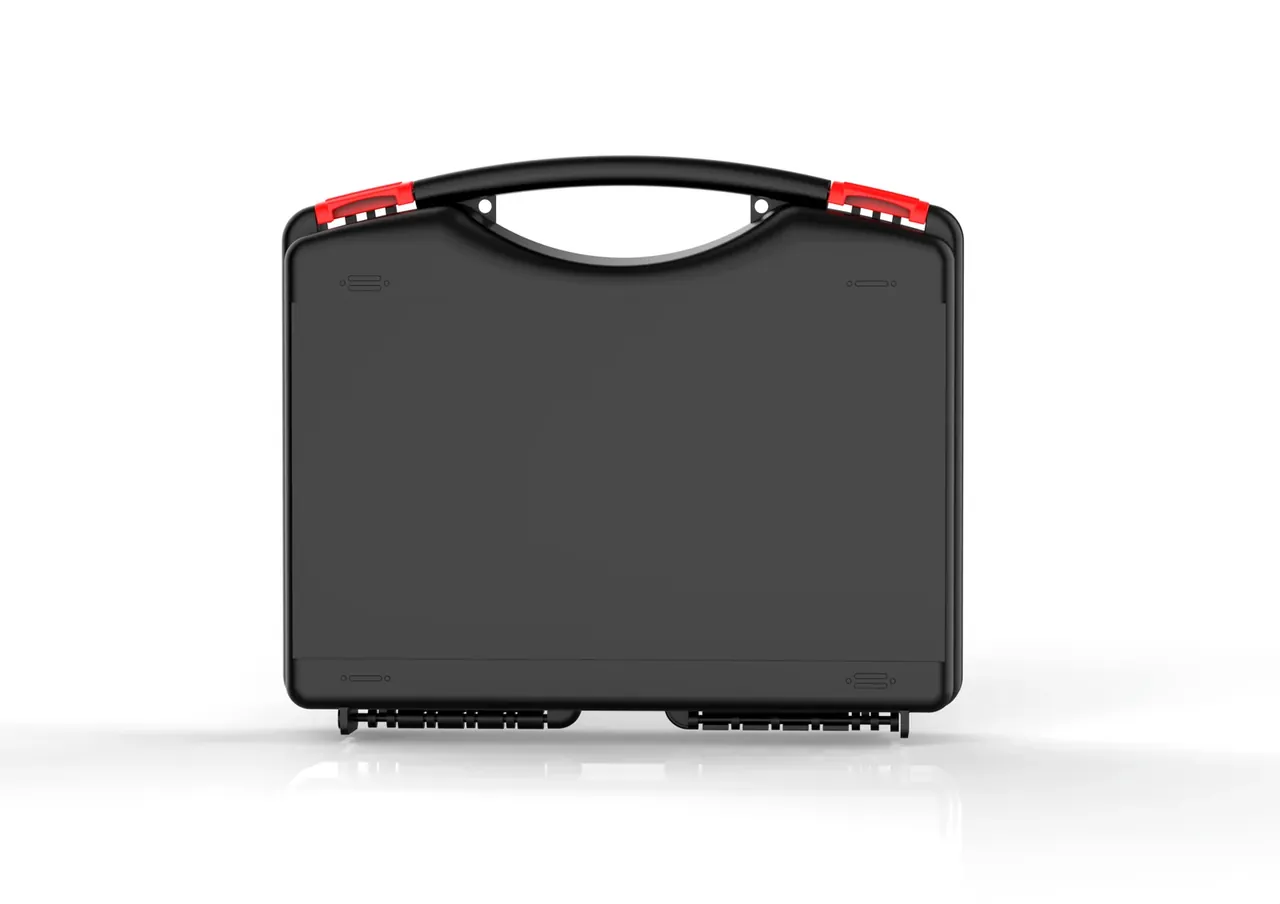
A hard case flattens that curve in two steps: the shell deforms and absorbs energy, then 30 kg/m³ polyethylene foam at 25 mm spreads the rest, taking the interior peak below 15 g; the same load in a bag with a 10 mm EVA divider peaks at 35 g.
| Configuration | Peak at the payload |
|---|---|
| Rigid contact, no liner | 50 g |
| Hard case, 25 mm PE foam | under 15 g |
| Soft bag, 10 mm EVA | 35 g |
Direction matters as much. R8 corner radii and internal ribs make the corner block land first and carry force into the wall section, while a bag has no frame and the impact point pushes fabric straight onto the equipment.
5. Volume, access time and repairability
The outside measures 585 × 375 × 240 mm, or 0.053 m³, against 0.035 m³ for a bag flattened to 520 × 320 × 210 mm. That 0.018 m³ gap is visible in a five-seat car: the case takes a third of the boot floor, the bag slides behind a seat.
Access favours the bag. Two latches and a lifted lid take 12 seconds, a 30 cm zip takes 4, and 20 accesses a day add up to 160 seconds that matter in rain. Repairability runs the other way: latches, hinge pins and O-rings are field-replaceable in 3 minutes, while a bag with a broken coil tooth goes back to the maker. A hard case also keeps a 60 × 40 mm label readable for three years, where woven tags rub white by the third transfer.
6. Air freight, vehicle and on-foot routes
Compress the first five sections and the decision becomes a lookup, since the routes differ less in equipment than in who carries it.
| Route | Main risk | Recommendation |
|---|---|---|
| Air freight | 1.2 m drops, stacking, rain | Hard case, locked |
| Vehicle shuttle | Crushing, frequent access | Soft bag |
| On foot | Weight, volume | Soft bag |
| Vessel and site work | Immersion, salt spray | Hard case |
Most crews mix the two: case checked, bag carried. Split the 12 kg so bodies and long lenses go in the case and a backup body, plates and cleaning kit travel in the bag. The checked leg gets IP67 and 1.2 m drop protection, and nobody walks 8 km with a 5.8 kg empty shell. A bag is not luggage, though: on a checked leg it rides as a sleeve around the case, because a consigned bag leaves the zip as the weakest link.
Conclusion
The hard case versus soft bag question is a question about your route, split into stacking, throwing, rain and access, each with a frequency. A 12 kg kit, 80 kg of static load for 24 hours, a 50 g peak brought under 15 g and 1 m of water for 30 minutes are conditions a 5.8 kg shell answers; 20 accesses a day, an 8 km walk and no stacking are conditions where a 1.9 kg bag is right.
This article discusses only the container (case body) side of specifications and design intent, and does not cover any handling, loading or use of the contents.
Related Reading
- Foam layouts inside camera hard cases
- Where moulded camera cases fit
- How a deployable hard case is built
Related Products
- 8 Series — Gun Cases; Military Equipment Cases; Camera Equipment Cases; Drone Cases; Watch Cases; Knife Cases; First Aid Cases; Electronics Equipment Cases
- WL8-2812 PP Gun Case — model WL8-2812
- All protective cases and toolboxes: 7 series, 158 models