

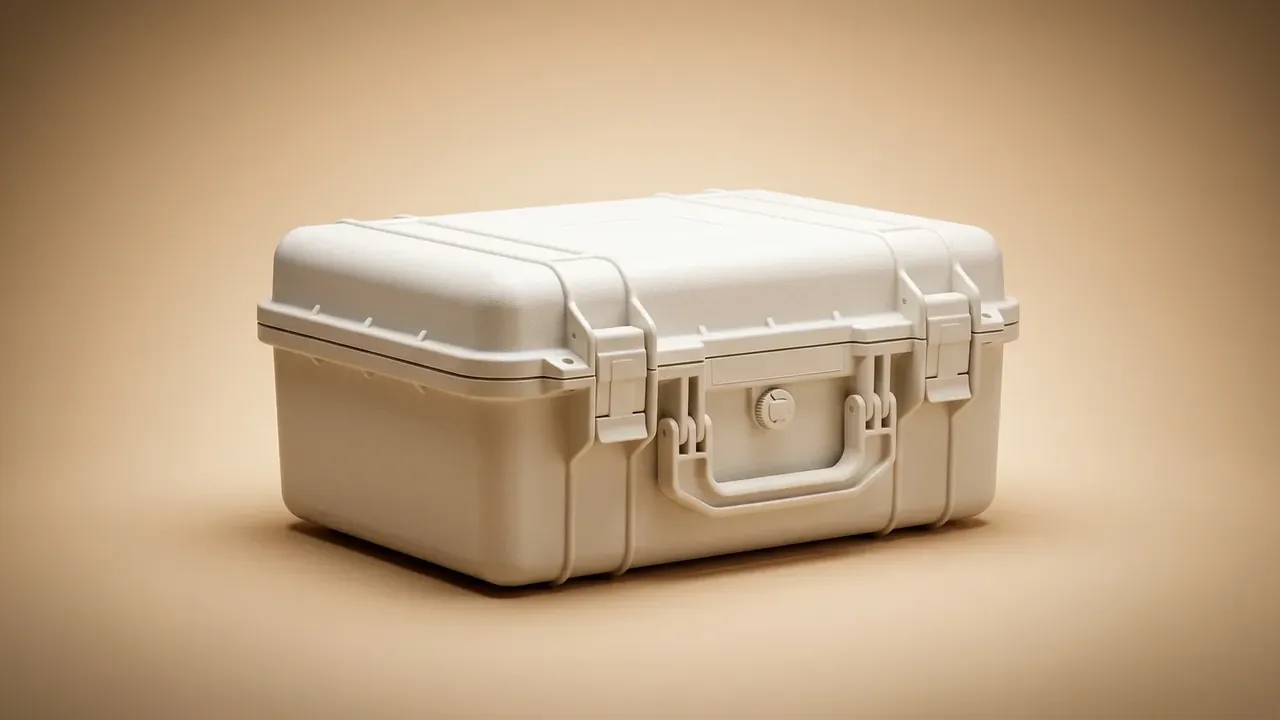
Quick answer: Maintenance is an order, not a repair list: wheels first, then the seal, then the trolley and latches, and the shell last. A scratch only changes appearance, while a seized wheel makes you drag the case and grind through its base. Five minutes before and after each trip covers most of it.
Table of contents
- A fixed inspection order
- Scratches: grading surface damage
- Wheels: the part replaced most
- Trolley and grip: reading the play
- Seals and latches
- FAQ
1. A fixed inspection order
Maintenance has a fixed order: wheels, seal, trolley, latches, shell. The order follows consequence, not probability. A seized wheel makes you drag the case and grind through the base; a failed seal lets water in on one trip.
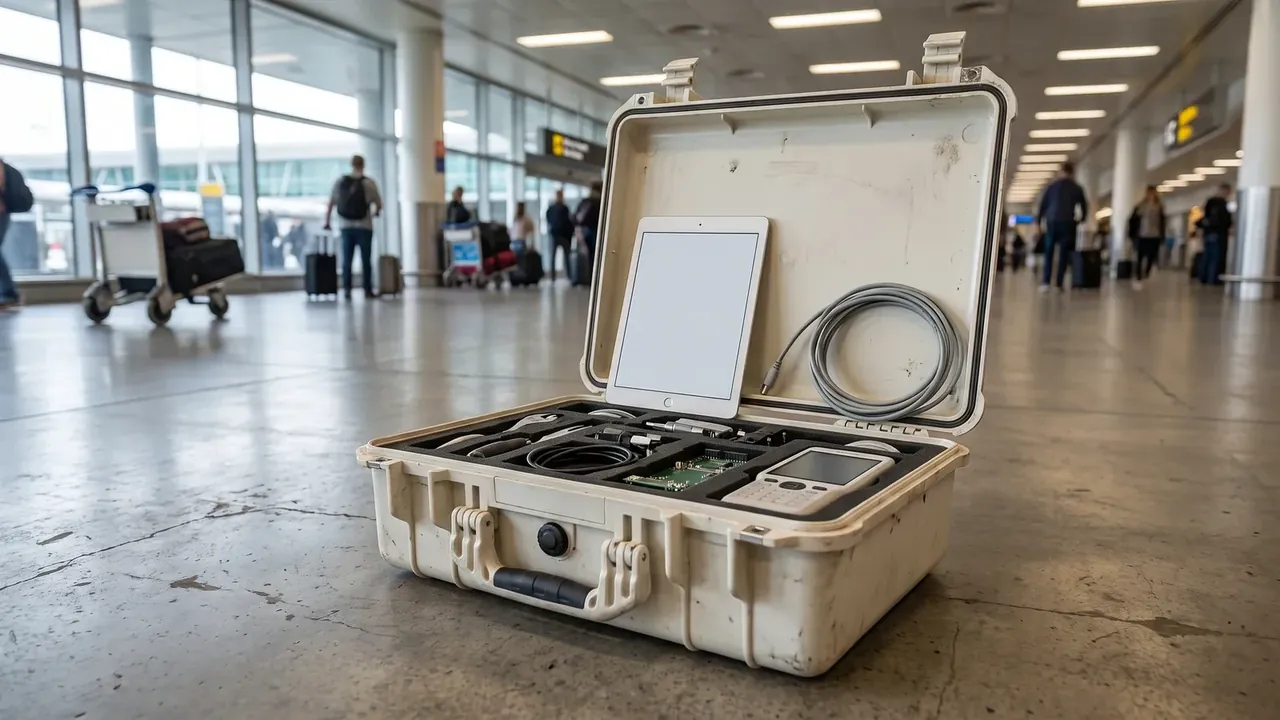
Check twice: before a trip for function, after for condition. Five minutes covers most faults: spin four wheels, extend the trolley, feel the seam, inspect the corners.
| Part | Check | Interval | Reject line |
|---|---|---|---|
| Wheels | notch, wobble | every trip | over 2 mm wobble |
| Seal | imprint continuity | quarterly | imprint breaks |
| Trolley | side play at the top | monthly | over 5 mm |
| Shell | cracks at corners | every trip | crack over 10 mm |
2. Scratches: grading surface damage
Grade scratches in three levels: level one whitens without catching a nail and takes a touch-up pen; level two catches a nail and needs filling; level three radiates from a corner or wheel mount, and the case is out of service.
Direction tells the source: lateral marks from belts, long marks from dragging, radial marks from shell torsion, so check the wheel mount.
Do not polish: the moulded texture flattens into a bright patch.
| Level | Sign | Action | Structural |
|---|---|---|---|
| One | whitened, no nail catch | touch-up pen | no |
| Two | groove, catches a nail | fill, then colour | no |
| Three | radial cracks | stop use, replace | yes |
3. Wheels: the part replaced most
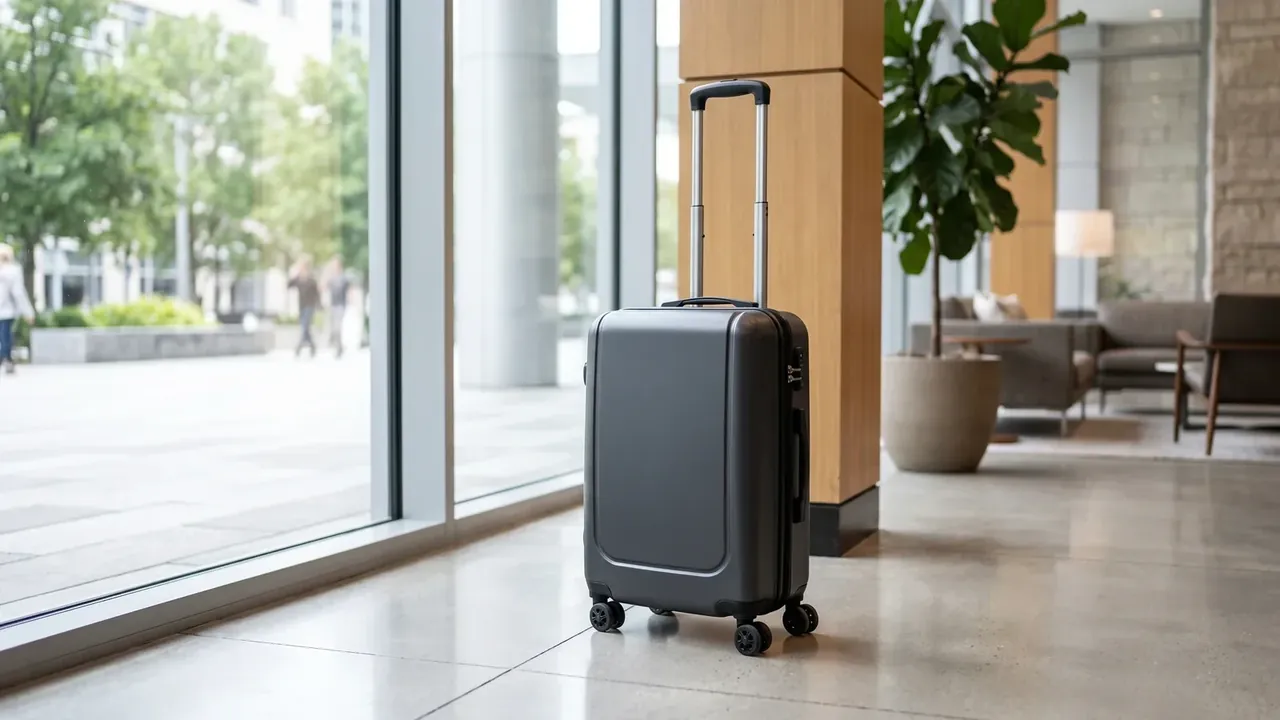
The two wheels on the trolley side wear first, because the load sits there and steering pushes them sideways. Turn the carry-on over and spin each: a notch, over 2 mm of wobble, or a flattened tread means replacement.
A screw-fixed mount takes four screws; a riveted one needs the rivets drilled out. Look for screw holes on the base before buying.
Never use solvent spray on bearings: it strips the grease and collects grit. Blow out dust, add silicone oil, and replace all four wheels together, since 1 mm steers the case.
4. Trolley and grip: reading the play
Measure play at the top: extend fully, hold the shell, push the head 10 mm each way. Over 5 mm means worn nylon bushings.
Sticking starts with salt and sand. Blow out the tube mouth, add silicone oil, work the trolley ten times. Engine oil holds grit.
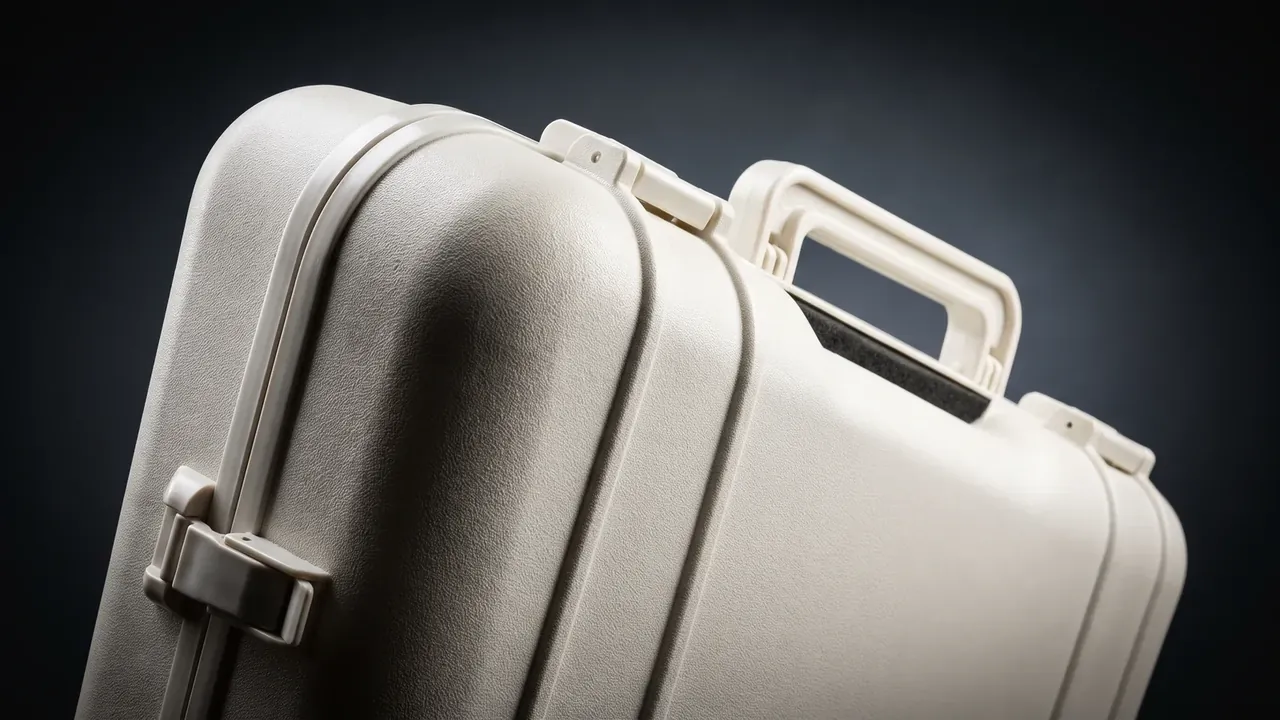
Check grips at the rivets: a riveted side grip whitens the shell first, and whitening past 10 mm means stop lifting by it. A moulded grip gives no warning and cannot be replaced.
5. Seals and latches
Framed hard shells seal on a continuous gasket. Close the carry-on and follow the seam: an even imprint means contact, a gap is the leak, usually opposite the hinge.
The gasket is TPE or silicone; clean it with a damp cloth only, since alcohol and chlorine harden it. Silicone grease every six months extends life; petroleum jelly swells the rubber.
Replacement comes by the metre, 4–6 mm wide. Lift a corner with a plastic card, pull the strip out, clean the groove, press in the new one, joint at the bottom edge.
Latches stop accidental opening, not prying. A TSA lock lets customs open the case without breaking it. Graphite frees a stiff latch; oil collects dust.
Conclusion
Hard shell suitcase maintenance is an order sorted by consequence: wheels first, because a failure strands you two kilometres out; the seal second, because a failure ends waterproofing; scratches last. Five minutes then replaces a year of repairs.
This article covers container-side specifications and design implications only, not the handling, loading or use of the contents.
Related Reading
- Repairing a cracked case shell
- Case seal ageing and replacement
- How to clean a protective case
- Case repair and spare parts
Related Products
- 8 Series — Gun Cases; Military Equipment Cases; Camera Equipment Cases; Drone Cases; Watch Cases; Knife Cases; First Aid Cases; Electronics Equipment Cases
- WL8-2812 PP Gun Case — model WL8-2812
- All protective cases and toolboxes: 7 series, 158 models