

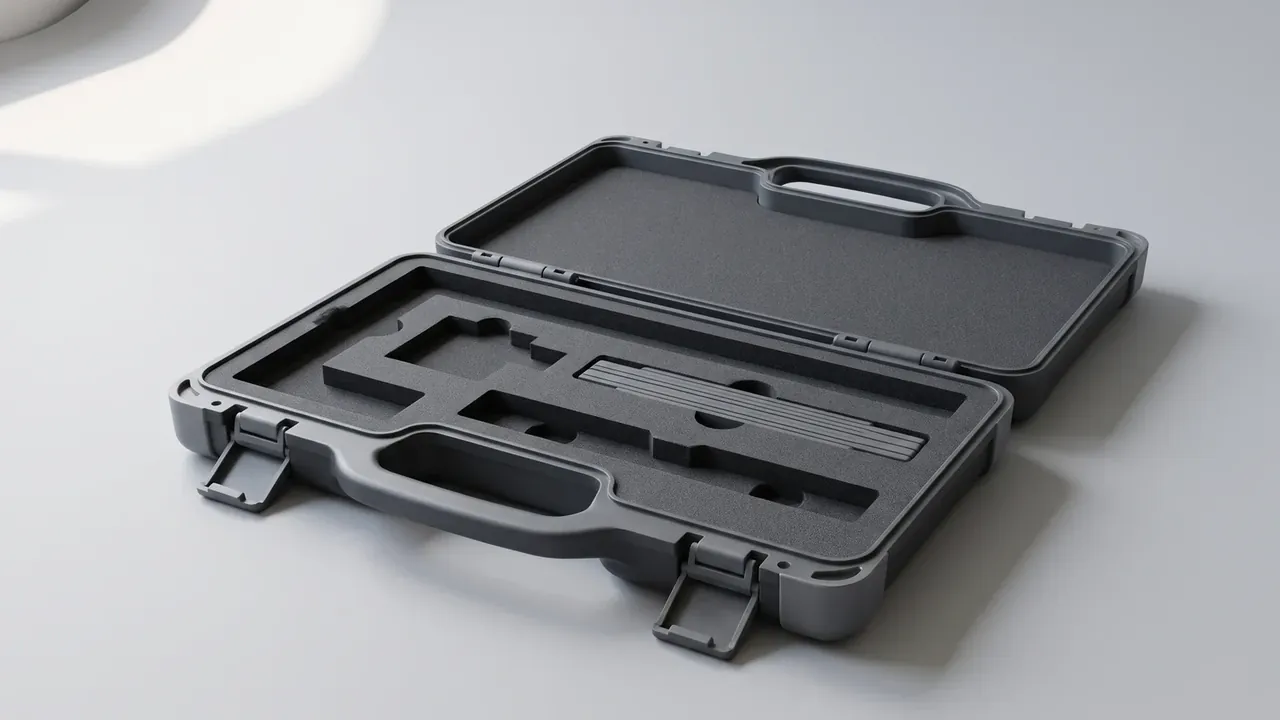
Quick answer: Quotes for a Hardware Tool Box rarely differ in the few cents of moulding time. They differ in how MOQ is counted, who owns the tool, and when the lead time starts. Fix those four figures before you compare unit prices.
Table of contents
- Four Numbers on a Hardware Tool Box Quote
- MOQ, Tooling and Who Pays for the Mould
- Lead Time from Sample to Loading
- Payment Terms and Inspection Release
- Six Hidden Phrases in a Quotation
- FAQ
1. Four Numbers on a Hardware Tool Box Quote
Send one drawing to three suppliers and unit prices often spread twenty percent. The gap sits in four fields: liner included or not, how tooling is charged, whether sample costs come off the bulk order, and who pays freight.
If any one field is vague, two quotes cannot be compared.
| Field | Usual wording | Ask instead |
|---|---|---|
| Unit price | USD 1.80, tax included | Does it cover liner, packing, factory test |
| Tooling | USD 3,900 | One-off or amortised, refund at what volume |
| Sampling | USD 180 | How many units, deducted from bulk |
| Packing and freight | Extra | One per bag or ten per carton, FOB or landed |
Only the unit price travels; the rest are conditions to flatten.
2. MOQ, Tooling and Who Pays for the Mould
An MOQ is not a round number picked at random; three constraints push it up. Machine tonnage and cavity count set the cycle output, the colour masterbatch has a minimum batch, and the liner die cuts a fixed number per pass.
A 250-tonne press with a four-cavity tool runs about 900 cases a shift, but a colour change stops the machine. Masterbatch comes in 30 kg lots, enough for roughly 420 dark cases, and the foam die is cheapest at 500. Take the largest and the MOQ lands near 420; a quote of 300 usually steers you to a colour already running.
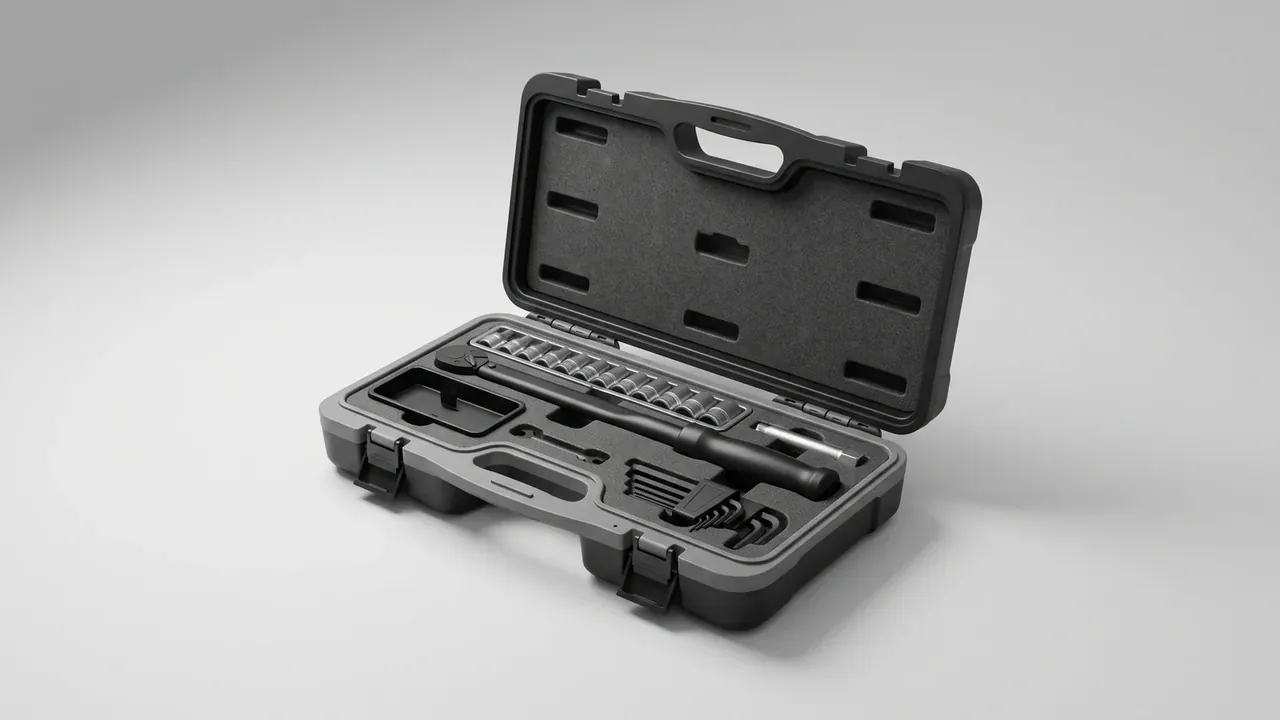
Tool ownership comes in three shapes, and the price moves with each.
- Buyer-exclusive: the buyer pays and owns the tool, which stays on the supplier floor.
- Supplier-owned: tooling is amortised into the unit price and the buyer gets no exclusivity.
- Shared: two customers split one tool and queue for machine time.
All three are workable, but the contract needs one sentence: whose name the tool is in, where it is stored, how much notice to collect, and at what volume the fee is refunded.
3. Lead Time from Sample to Loading
Lead time is four stages added together, not one promise.
- Sampling: 9 days after drawing sign-off, including the first liner cut.
- Tool correction: 6 days, covering colour match and latch feel.
- Production: 18 working days, in lots of 420.
- Inspection and loading: 5 days, with third-party inspection.
The four add to about 40 days from sign-off to on-board, not from purchase order. Fix the starting point, not just the total; in peak season only a written slot date carries weight.
4. Payment Terms and Inspection Release
Payment structure decides your place in the queue: 35 percent deposit, 55 percent against the bill of lading copy, 10 percent thirty days after acceptance. A deposit under thirty percent pushes the run back.
Longer terms are not free: 45 days typically carries a price about 2 percent above cash, which is borrowing at a double-digit annual rate. Keep the two ledgers apart.
Tie one release to inspection: functional sampling at AQL 1.0, latch retention and handle load tested on site, signed, then paid.
5. Six Hidden Phrases in a Quotation
The fewer words on the quote, the more charges appear later.
| Wording | What it means | What to do |
|---|---|---|
| Tax included, freight extra | A 40HQ can differ by USD 600 | Ask for a landed price |
| Tooling refundable | Usually only past 50,000 pieces | Fix the threshold and method |
| MOQ 300 | Same colour and size, two colours becomes 600 | Recalculate per colour |
| Lead time 25 days | Counted from start-up, not from queue | Demand a slot date |
| Liner to drawing | Foam die billed separately at USD 550 | Include die and first article |
| One-year warranty | Covers appearance, not latches | List latches, handle, hinge |
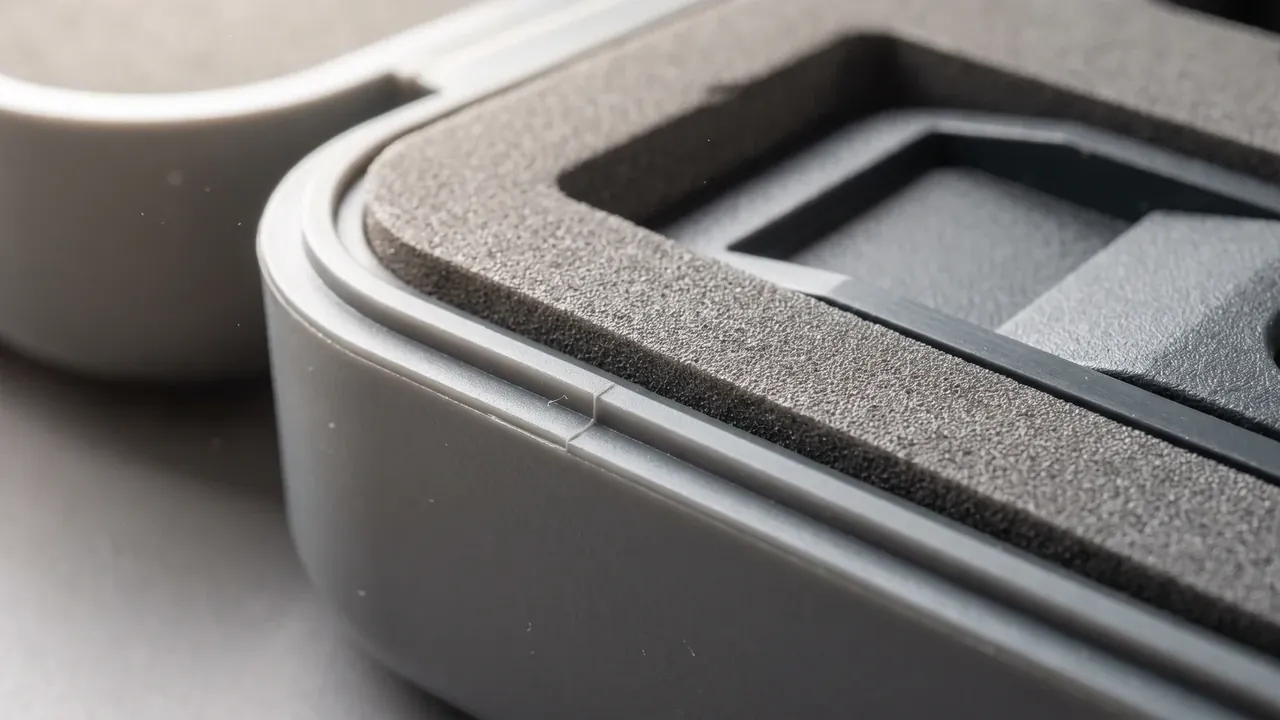
The warranty line is most often missed. Covering appearance only turns a broken latch into a spare part purchase, and a few dollars a year eats the price difference. List latch, handle and hinge with separate terms.
Conclusion
Buying a Hardware Tool Box is not a unit price comparison but one landed price after four figures are flattened. Fix the MOQ calculation, name the tool owner, start the clock at the slot date and convert terms into cash. Then a Hardware Tool Box negotiation becomes arithmetic.
This article discusses only the container (case body) side of specifications and design intent, and does not cover any handling, loading or use of the contents.
Related Reading
- How a Hardware Tool Box Is Used on the Shop Floor
- Choosing a Hardware Tool Box: Capacity, Compartments, Load
- What a Tool Box Is Made Of: Body, Lid and Liner
- Supplier Scorecard: Lead Time, Defect Rate, Response
Related Products
- 8 Series — Gun Cases; Military Equipment Cases; Camera Equipment Cases; Drone Cases; Watch Cases; Knife Cases; First Aid Cases; Electronics Equipment Cases
- WL8-2812 PP Gun Case — model WL8-2812
- All protective cases and toolboxes: 7 series, 158 models