

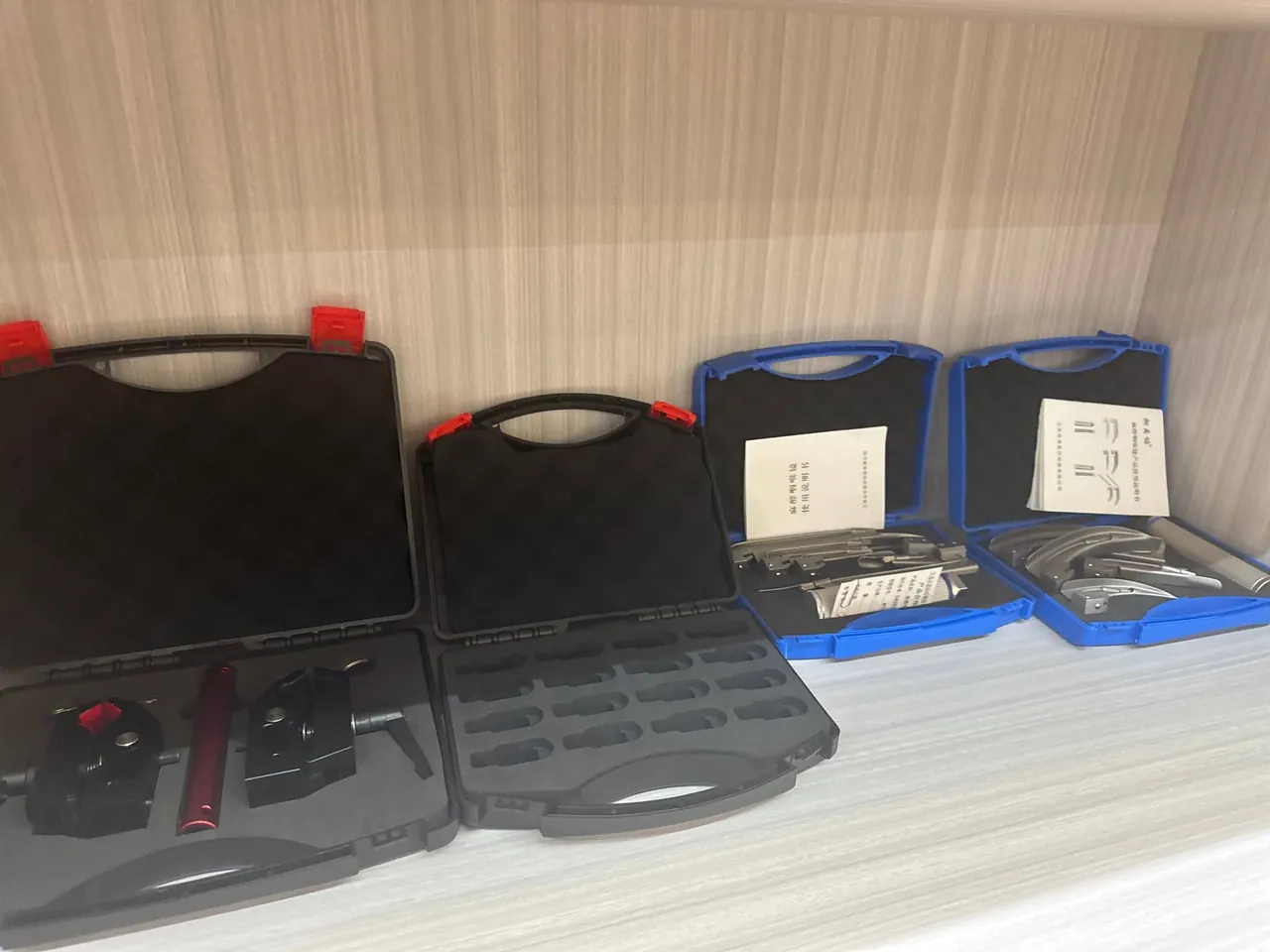
Quick answer: A hardware tool box is sized by three figures that never convert into one another: rated litres times 0.7 for usable volume, the longest tool for compartment count, and the load case for base, handle or wall. Carry it daily and the handle decides; stack it in a store and the walls decide.
Table of contents
- Three yardsticks for a hardware tool box
- Rated capacity versus usable volume
- Compartments: dividers, inserts, trays
- Load rating in three places
- Three tiers and a decision table
- FAQ
1. Three yardsticks for a hardware tool box
Every hardware tool box carries three printed numbers: litres, compartments and load. They come from different calculations. Volume is taken from the outer envelope, compartments from divider slots, load from a platen pressed on the base.
Read capacity as usable inner space, compartments as divider travel, load as which of three cases the figure covers. Load is most often printed large for only one case. Order matters: longest tool, compartments, then load.
| Yardstick | Label | Ask | Typical gap |
|---|---|---|---|
| Capacity | 22 litres | Inner size? | 14.8 litres |
| Compartments | 12 slots | Dividers move? | 3 positions |
| Load | 40 kilograms | Even or point? | handle 15 |
2. Rated capacity versus usable volume
A case of 470 by 360 by 210 millimetres encloses 35.5 litres, yet the label says 22. A 3.2 millimetre wall and a 1 degree draft pull the cavity down to 430 by 320 by 170 millimetres, or 23.4 litres, and the label rounds down.
Nor is 22 litres usable. Ribs and the handle boss take about 30 millimetres of height, and a 30 millimetre insert another layer. Usable volume is 14.8 litres, about 67 percent of the label. Treat 0.7 as the factor: for 20 litres of tools, buy 28 or more.
3. Compartments: dividers, inserts, trays
A divider is a 2 millimetre sheet dropped into slots spaced 25 millimetres apart, and a 12 slot case offers only 5 movable positions. An insert is 30 millimetres of milled EVA, one pocket per tool, held to plus or minus 0.5 millimetres.
| Option | Cell | Fits | Pick |
|---|---|---|---|
| Dividers | 96 by 58 mm | spanners flat | 4 s |
| Plus tray | 45 mm deep | small parts | 6 s |
| Insert | cut per tool | torque wrenches | 3 s |
One rule settles layout: a 300 millimetre wrench spans three cells and eats three 96 millimetre positions.
4. Load rating in three places
A single load number cannot be true. The base carries 40 kilograms evenly, yet whitens at 12 kilograms on a 100 by 100 millimetre block, where four feet give under 600 square millimetres.
A handle printed at 25 kilograms is accepted at 15 kilograms in repeated lifting: the hole edge concentrates stress and cracks appear after 2000 lifts. Walls stack five empty, three loaded, putting 40 kilograms of bending on the bottom case.
| Load point | Printed | Usable | Failure |
|---|---|---|---|
| Base, even | 40 kg | 40 kg | feet crush |
| Base, point | not stated | 12 kg | whitening |
| Handle | 25 kg | 15 kg | edge cracks |
| Walls | 5 empty | 3 loaded | bulge |
5. Three tiers and a decision table
Tier one travels: 8 to 12 litres, 6 to 8 compartments, handle at 15 kilograms. Tier two stays put: 22 to 30 litres, 12 to 16, base at 40 kilograms. Tier three stacks: 40 litres and up, walls at three layers.
| Tier | Volume | Slots | Load | Use |
|---|---|---|---|---|
| Travel | 8 to 12 litres | 6 to 8 | handle 15 kg | site calls |
| Station | 22 to 30 litres | 12 to 16 | base 40 kg | repair bay |
| Store | 40 litres up | 20 or more | 3 layers | tool room |
Decide in three steps: longest tool, item count, total weight. Fail a step and move up a tier, not to an insert.
Conclusion
The three figures stand independently: usable volume is inner space times 0.7, compartment count comes from the longest tool, load is accepted separately at base, handle and wall. Take one from the printed headline and the case fails exactly there. Put all three on the purchase sheet, and the hardware tool box will match the work.
This article discusses only the container (case body) side of specifications and design intent, and does not cover any handling, loading or use of the contents.
Related Reading
- How to calculate tool box capacity
- Tool box internal compartment design
- Tool box durability and load testing
- Four parameters of tool box selection
Related Products
- 8 Series — Gun Cases; Military Equipment Cases; Camera Equipment Cases; Drone Cases; Watch Cases; Knife Cases; First Aid Cases; Electronics Equipment Cases
- WL8-2812 PP Gun Case — model WL8-2812
- All protective cases and toolboxes: 7 series, 158 models