

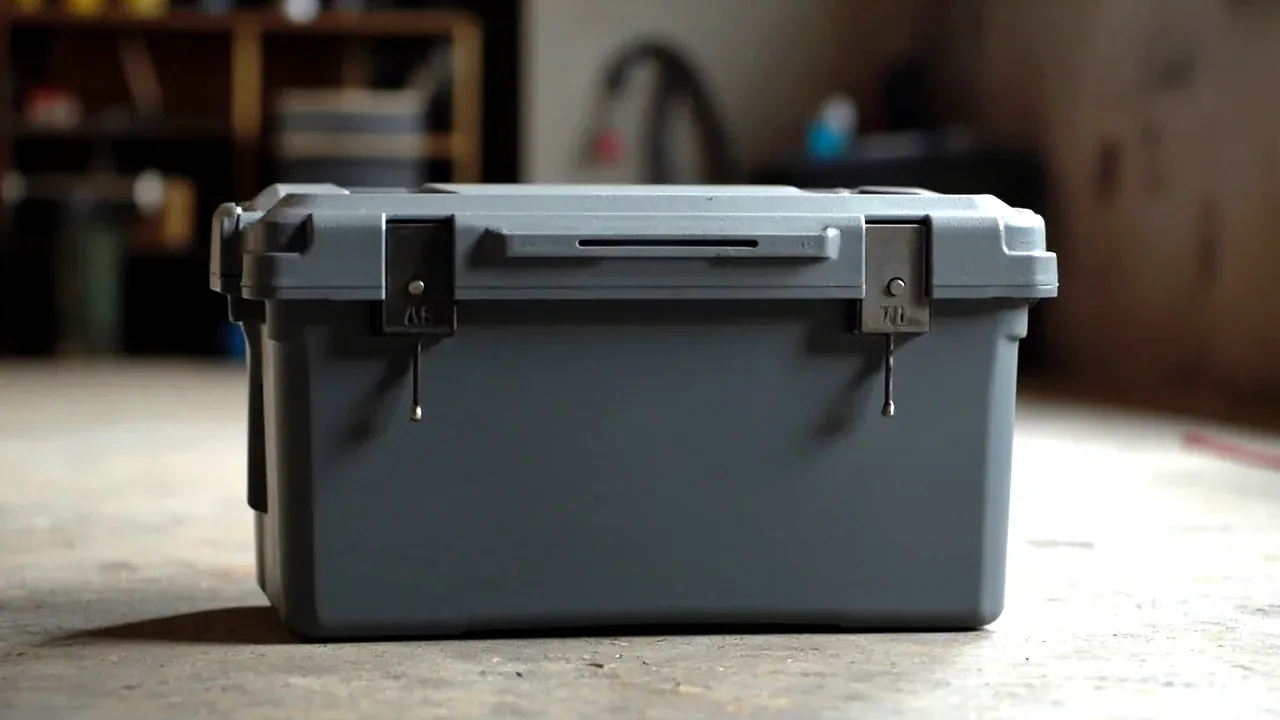
Quick answer: A tool box is not one product but four forms under one name: the hand box, the drawer chest, the rolling box and the fixed cabinet. They divide by who carries them, how far, and whether they must lock. Pick the wrong form and price comparison is meaningless.
Table of contents
- Defining a tool box: how the four forms divide
- The hand box: keeping weight inside one hand
- Rolling box and drawer chest: two answers to moving a set
- The fixed cabinet: trading position for capacity
- The order in which to choose a tool box
- FAQ
1. Defining a tool box: how the four forms divide
On a purchase order the term covers four different things: a hand box, a drawer chest worked layer by layer, a rolling box that travels with the crew, and a fixed cabinet bolted down. Their structures, load ratings and acceptance criteria differ, so treating them as one category picks the wrong form at the comparison stage.
Three actions separate them: who carries it, how far, and whether it locks. A hand box answers short single-person carries, a rolling box moves a whole set, a chest serves people walking to tools, and a cabinet keeps tools that never move.
| Form | Carried by | Typical use | How it fails |
|---|---|---|---|
| Hand box | one person | inspection, call-outs | handle mount tears out |
| Rolling box | one person pushing | between workstations | castors and handle first |
| Drawer chest | nobody | fixed bay, machine shop | slides distort, unit tips |
| Fixed cabinet | nobody | store, line side | lock and hinge fail |
2. The hand box: keeping weight inside one hand
A hand box has three parameters: its own weight, handle position and lid angle. Empty weight under three kilograms keeps a loaded box carryable. A lid-centred handle lowers the centre of gravity but forces the box flat; a front-face handle loads one side and twists long boxes.
The first failure is the handle mount, not the shell: repeated full-load lifting cracks the bolt holes or weld points. A thickened boss and metal inserts say more than wall thickness.
3. Rolling box and drawer chest: two answers to moving a set
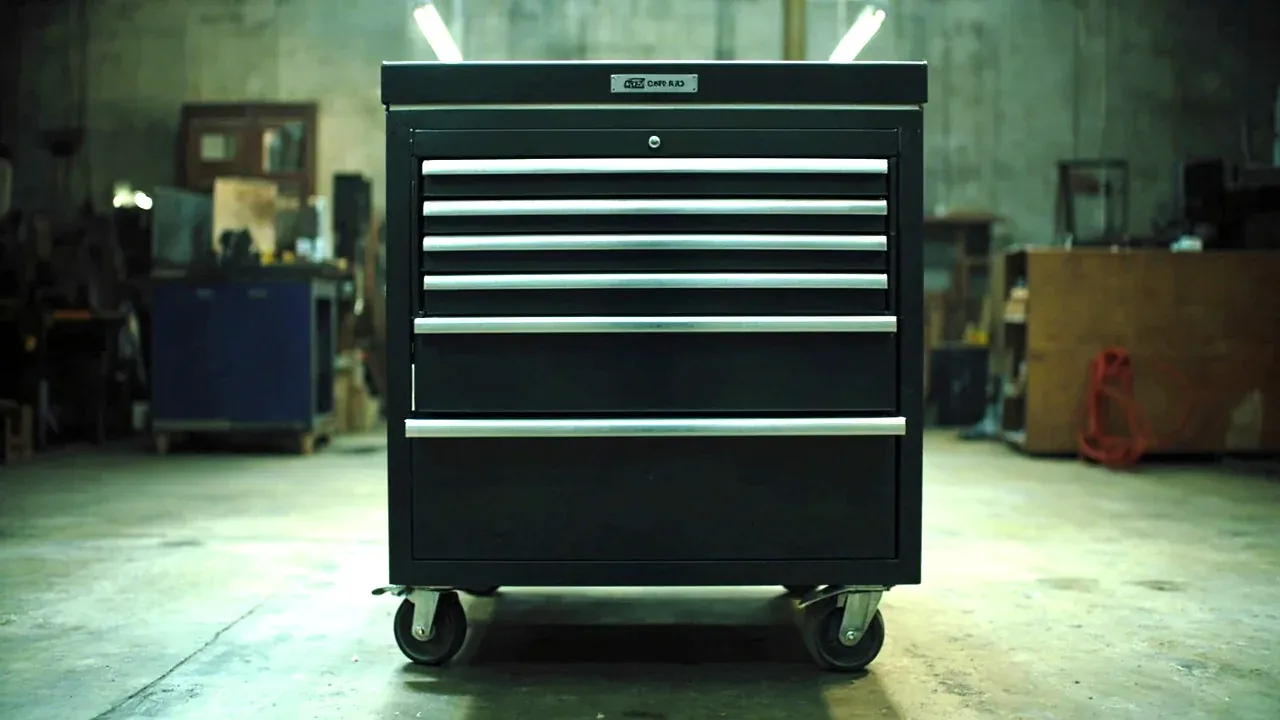
Moving a whole set takes two routes: push a rolling box, or keep tools in a chest and walk to them. The rolling box pays in a high centre of gravity, and castor diameter decides whether it clears thresholds; the chest pays in floor area, a six-drawer unit covering about two workstations.
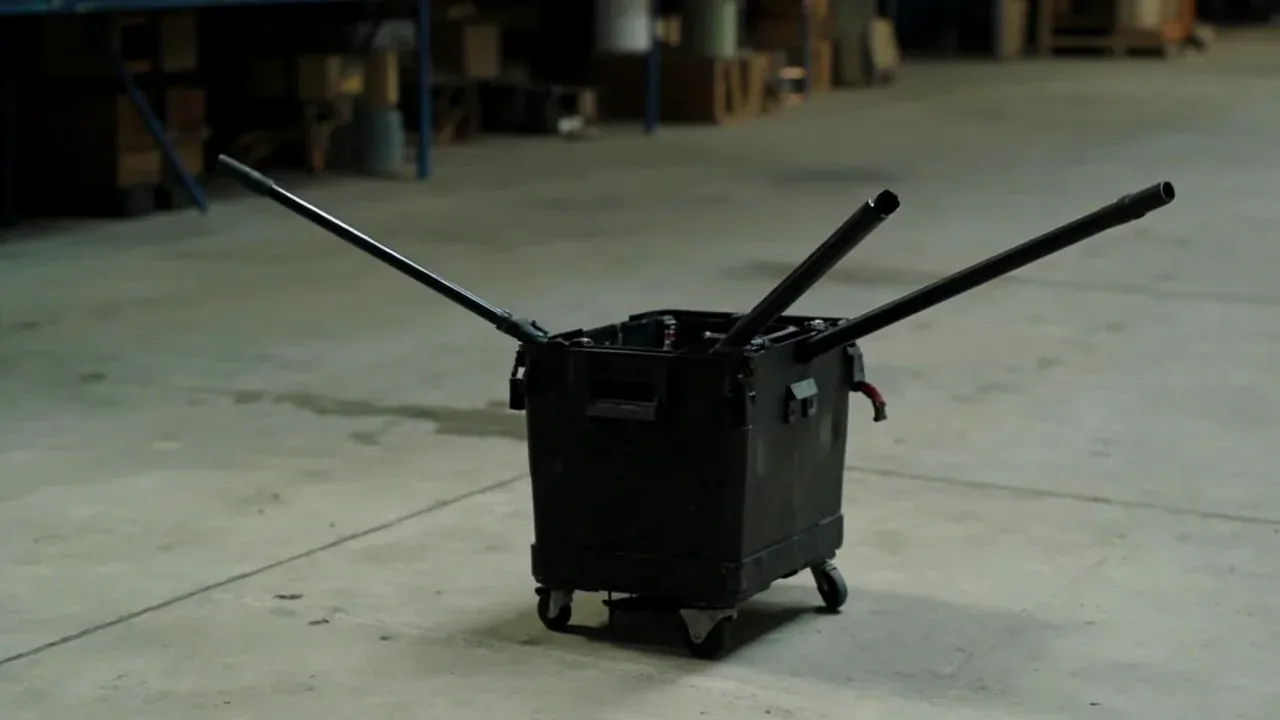
Acceptance checks three things on a rolling box — tracking when loaded, brake holding on a slope, handle wobble fully extended — and two on a chest: tipping with a drawer open, and full travel under load. Sample photos never answer any of them.
4. The fixed cabinet: trading position for capacity
A fixed cabinet trades movement for capacity: the same floor area gives six tiers instead of three, plus mesh doors and hooks. The cost is frozen positions — every crew change resets the access route.
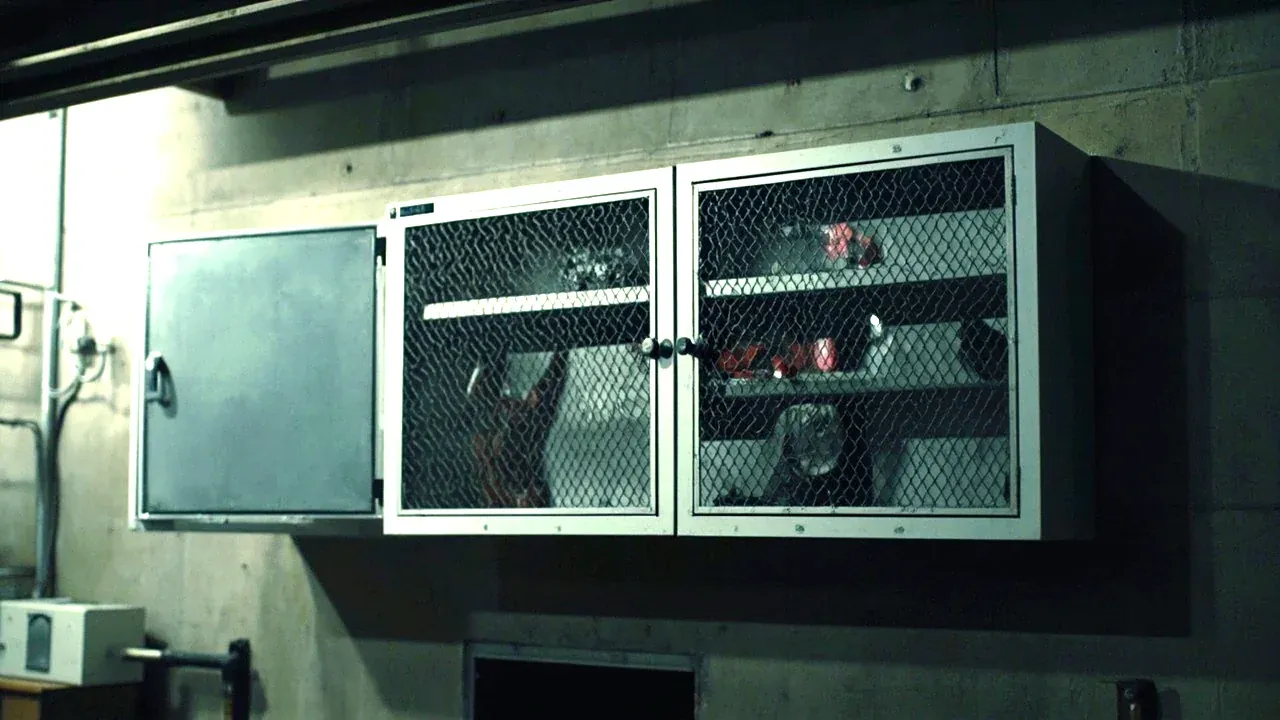
What matters is the access radius: with everything in one place, a crew within fifty metres can walk three kilometres a day. Two smaller units beside the workstations halve the route.
5. The order in which to choose a tool box
Choose in the order of form, capacity, liner, then lock. Who carries it and how far fixes the form; the largest item and total count fix capacity; locating needs fix the liner; management rules fix the lock last.
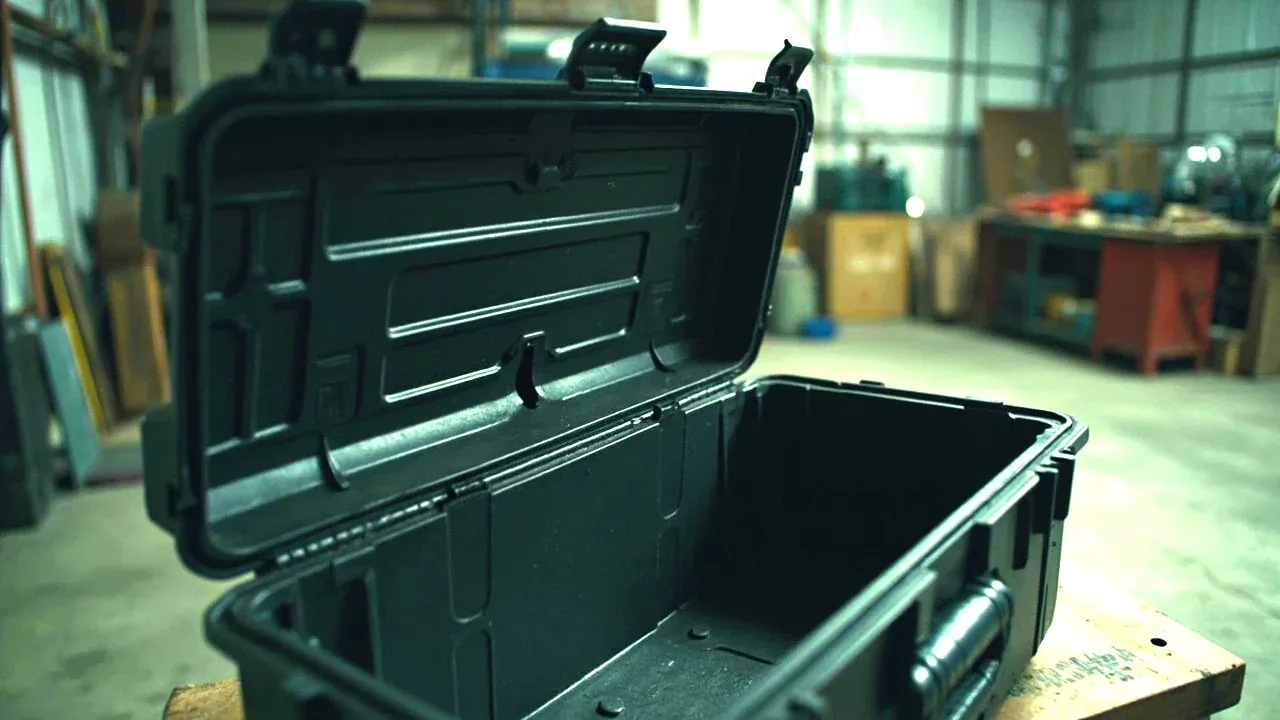
One closing condition is often missed: will it stack or be loaded with others? Stacking needs a defined top face and load rating; loading needs feet or fork pockets. Only rolling boxes and some hard cases ever join a stack.
Conclusion
The four forms each do one job: the hand box covers short single-person carries, the rolling box moves a whole set, the chest serves people walking to tools, and the cabinet keeps tools that never move. Fix who carries it, how far and whether it locks before discussing capacity and liner; start from price and the box that arrives cannot do its own job.
This article covers container-side specifications and design implications only, not the handling, loading or use of the contents.
Related Reading
- Tool box, bag and chest compared
- Choosing a portable tool box
- Tool chest specifications
- Tool box foam lining selection
Related Products
- 8 Series — Gun Cases; Military Equipment Cases; Camera Equipment Cases; Drone Cases; Watch Cases; Knife Cases; First Aid Cases; Electronics Equipment Cases
- WL8-2812 PP Gun Case — model WL8-2812
- All protective cases and toolboxes: 7 series, 158 models