


Quick answer: Choose a portable tool box by working back from use conditions, not product pages. First set the one-person carry limit; it decides how much the box holds and whether it splits. Then set the liner positioning method; it decides whether tools keep their places and count by list. Last set the handle and grip; they decide how the seat is fixed against pull-out.
Table of contents
- Portable tool box selection: work back from use conditions
- Weight: carry limit before tare weight
- Liner: positioning drives access and counting
- Handle: grip style drives seat and fold structure
- Lockable or not: add-on and a checklist
- FAQ
1. Portable tool box selection: work back from use conditions
Two ways to pick a portable tool box: browse product pages and shortlist what looks well specified, or settle the use conditions first and check parameters against them. The second costs effort up front but gives every parameter a source.
- The carry limit sets who moves the box and how far, deciding loaded weight and splits;
- The liner positioning method sets whether tools keep fixed places and count by list;
- The handle and grip sets whether the box is carried, hugged or slung, deciding seat and fold.
2. Weight: carry limit before tare weight
The carry limit is the hardest condition on a portable tool box: it caps payload and tare. A one-handed carry stays under twelve to fifteen kilograms loaded, two-handed fifteen to twenty; beyond twenty, split. Loaded weight is tare plus tools plus liner, so a kilogram of tare is a kilogram less tooling.
| Carry mode | Loaded weight | Selection |
|---|---|---|
| One-handed | 12 to 15 kg | Small box, lowest tare |
| Two-handed | 15 to 20 kg | Mid box, centred handle |
| Stairs | Lower bound | Weight before tools |
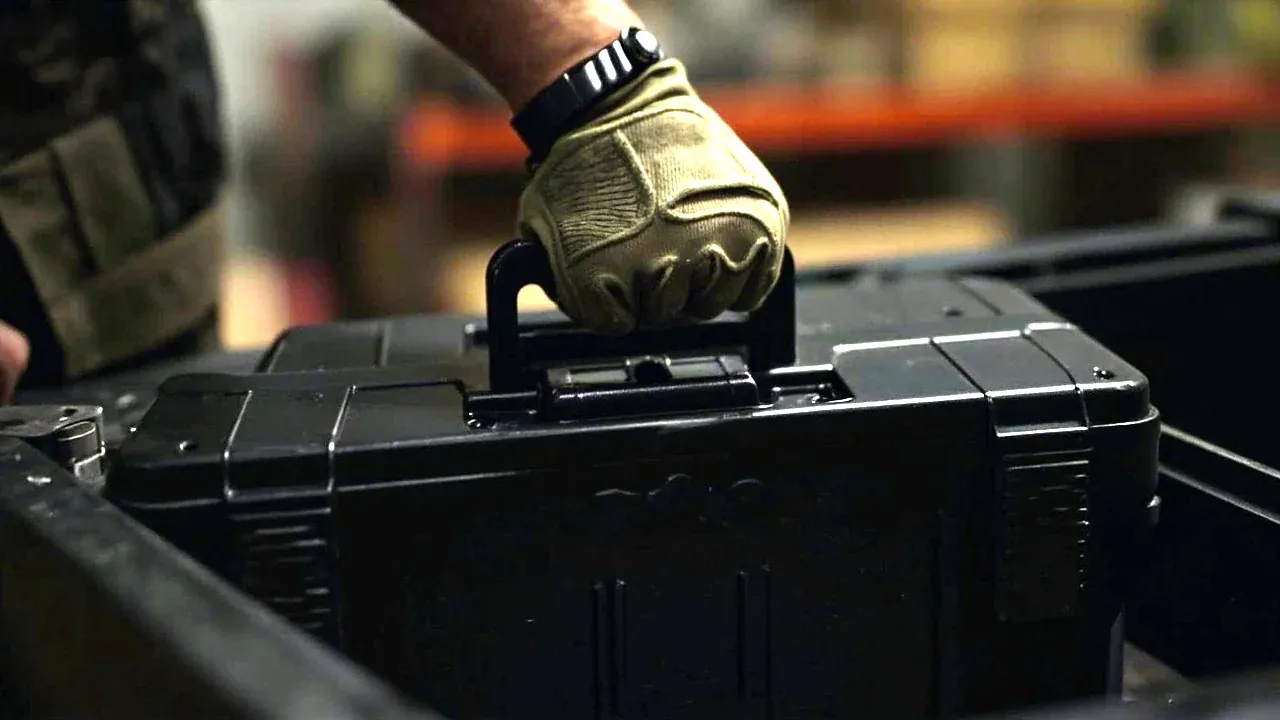
When the load runs over, drop tools first, downsize second, add wheels last; wheels turn a carried box into a pulled one.
3. Liner: positioning drives access and counting
The liner is set by how tools are organised, not by the box. Complete sets counted against a list take full-cavity foam; mixed, changing tools take divider grids; high-turnover use, with the liner a consumable, takes a replaceable folded liner.
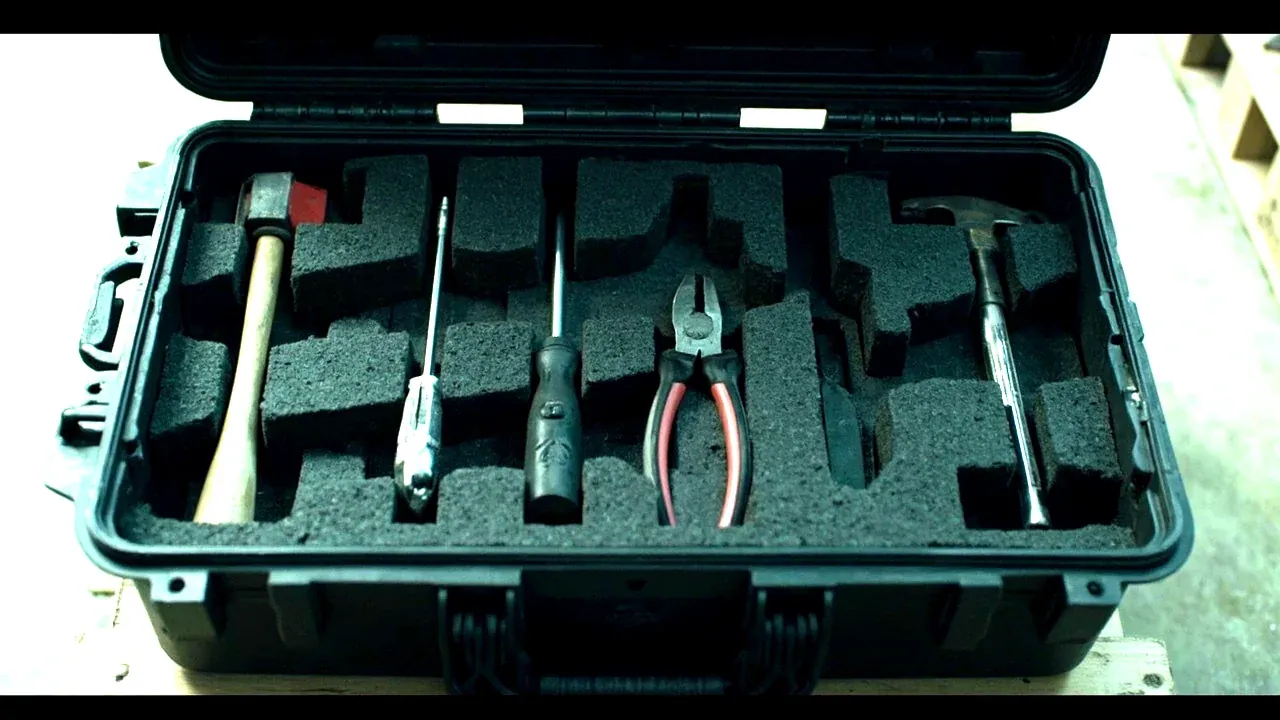
- Full-cavity foam: one pocket per tool, so a missing item shows at a glance; re-cut on change;
- Divider grid: movable partitions, coarser positioning;
- Replaceable folded liner: swapped as a unit, never retired with the box.
Judge a stock liner in transit: tools never strike each other, and every item sits held by foam.
4. Handle: grip style drives seat and fold structure
The handle touches the user directly and fails first. Look past grip shape to the seat fixing: bolts through the wall with a backing plate are strongest, self-tapping screws into bosses next.
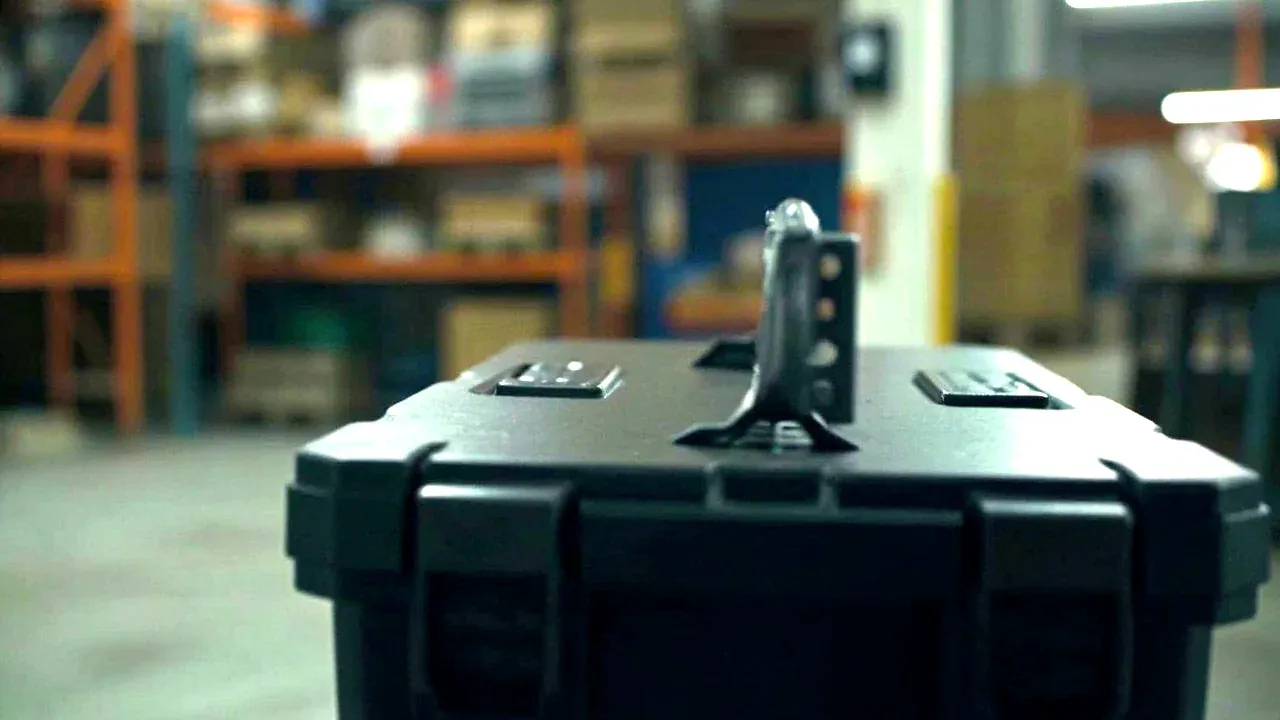
Grip style constrains the structure: a one-handed box takes a narrow handle so the wrist stays straight, a two-handed box a wide handle gripped both sides. Folding handles need lid clearance: folded flat, the gap must admit a gloved palm.
Wrist angle is the quickest check: a straight wrist means handle and centre of mass agree; a hooked wrist means the handle sits off or the load is lopsided.
5. Lockable or not: add-on and a checklist
Locking is a hard condition only when tools are shared, carried off site or signed over; a fixed station under one keeper needs only a standard latch.
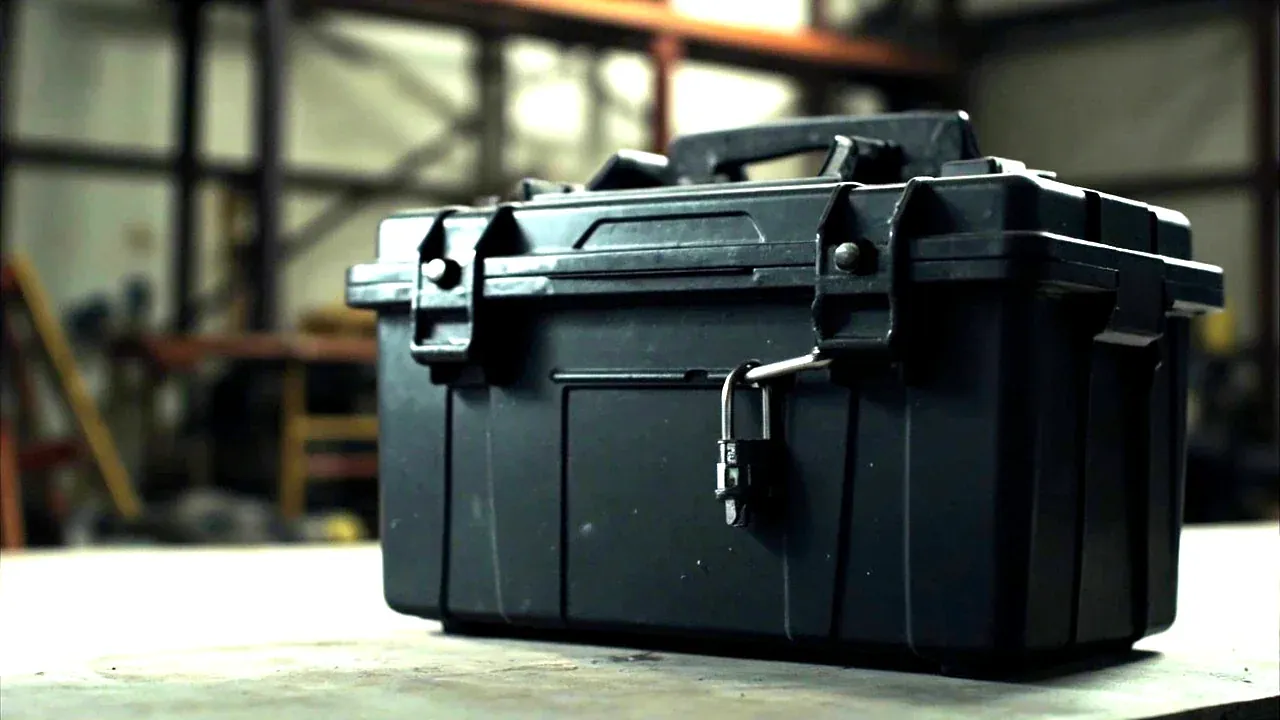
The lock point is the shackle: latches with a shackle take a padlock directly; boxes without one need a lock bar, a wear part, so ask about supply. Beyond the three priorities, tick six items:
- Carry limit set as a number, split plan fixed
- Tare leaves margin for the tool list
- Liner form matches tool organisation and counting
- Handle seat bolted through or plate-backed, lid clearance when folded
- Locking need settled, shackle or lock bar decided
- Wrist stays straight under loaded hold
Conclusion
The order for a portable tool box is carry limit first, liner positioning second, handle and grip third, with locking as an add-on. Every parameter has a source, so price comparisons hold; reverse the order and the gaps hide until after sampling. Choosing a portable tool box this way stops being guesswork.
The scope here is the container (case body) alone: its geometry, structure and configuration. Nothing about how items inside are handled, loaded or used falls within it.
Related Reading
- Portable tool box buying basics
- Sizing a portable tool box
- Choosing toolbox liner foam
- Handle balance and grip design
Related Products
- 8 Series — Gun Cases; Military Equipment Cases; Camera Equipment Cases; Drone Cases; Watch Cases; Knife Cases; First Aid Cases; Electronics Equipment Cases
- WL8-2812 PP Gun Case — model WL8-2812
- All protective cases and toolboxes: 7 series, 158 models