

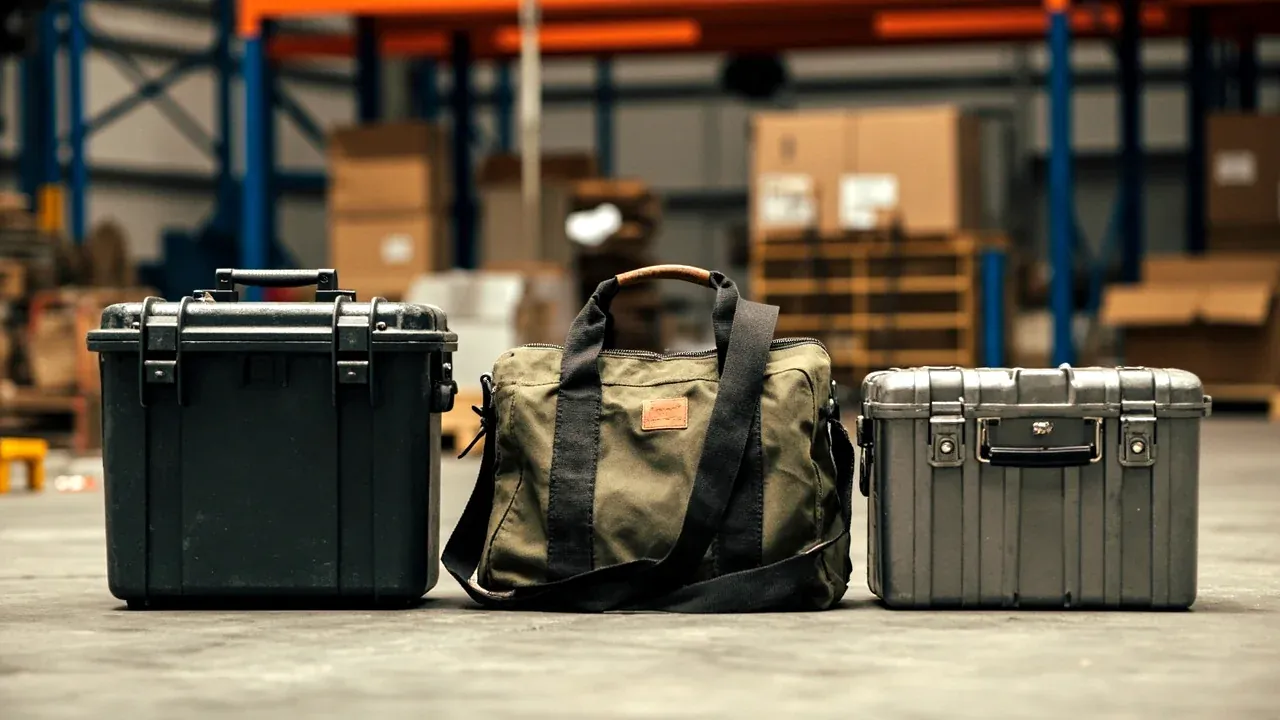
Quick answer: A tool box, a tool bag and a tool chest are not substitutes but three ways of reaching tools: a box opens, a bag travels on a person, a chest pulls out layer by layer. Three criteria decide between them: item locating, moving a whole set, and locking. Get one wrong and the cost returns as overtime, losses or a second purchase.
Table of contents
- How a tool box, a bag and a chest divide: three criteria
- Locating: by piece, by layer, loose
- Moving a set: who carries it, how far
- Locking: from loss prevention to access control
- Three costs of a mismatch: time, space, replacement
- FAQ
1. How a tool box, a bag and a chest divide: three criteria
Comparing a tool box, a bag and a chest by price is the usual mistake. They solve different problems: a box stores and opens to reach, a bag travels on a person, a chest manages volume in layers. Price ranges overlap, so price separates nothing.
Three criteria do: item locating, moving a whole set, and locking. Locating decides whether the liner can be cut, moving decides castors and handles, locking decides hasps. Three yes-or-no answers give eight combinations; four cover most sites.
| Criterion | Tool box | Tool bag | Tool chest |
|---|---|---|---|
| Item locating | cut foam | loose | layer by layer |
| Moving a set | carry or wheel | worn on body | does not move |
| Locking | lock point or hasp | zip lock hole | three-point or cabinet lock |
2. Locating: by piece, by layer, loose
A box locates by cut foam, so a missing item shows at once. A chest locates by layer, one category per drawer. A bag locates nothing: tools overlap and a missing piece appears only when everything is tipped out. Counting time differs three to five fold.
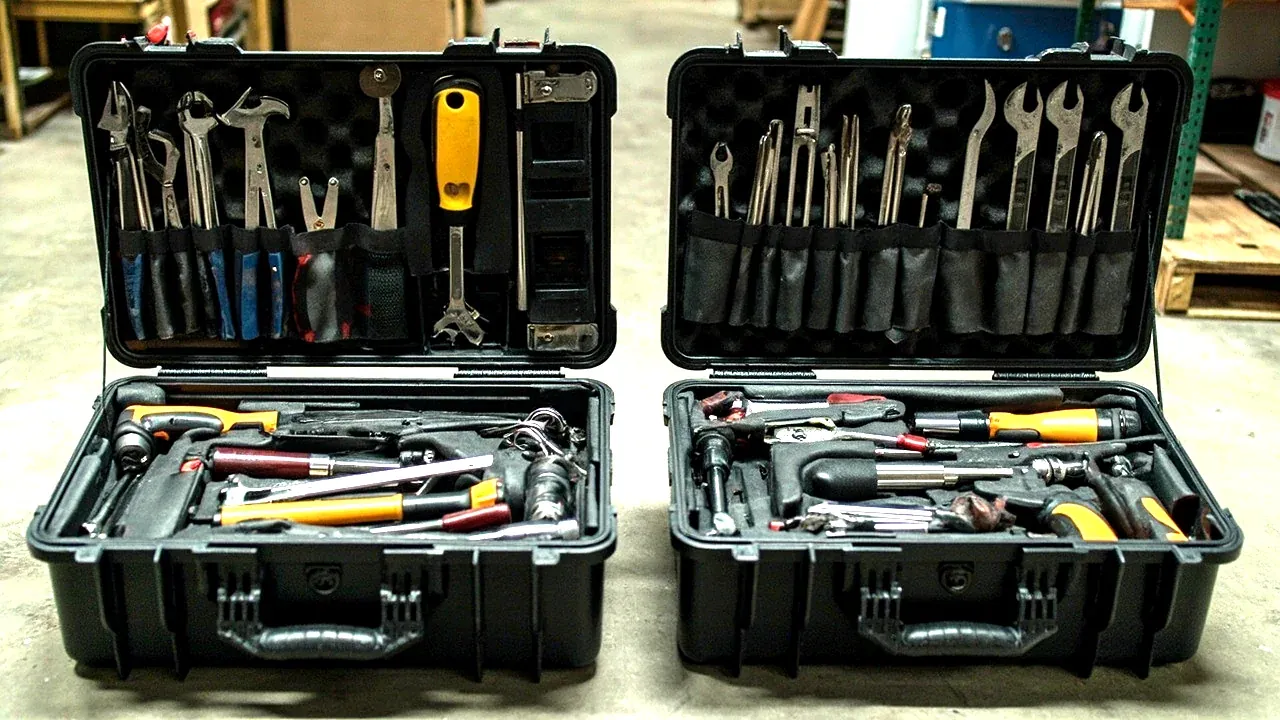
More precision is not always better. Cut foam demands every tool goes back. A bag has no stowing threshold, which suits high-frequency, low-count use: where the product of pick-ups and pieces is small, precision is a burden.
3. Moving a set: who carries it, how far
Moving covers three distances: between workstations, across a workshop, out to site. A rolling box wins the first, castor diameter and brakes decide the second, and a bag wins the third.
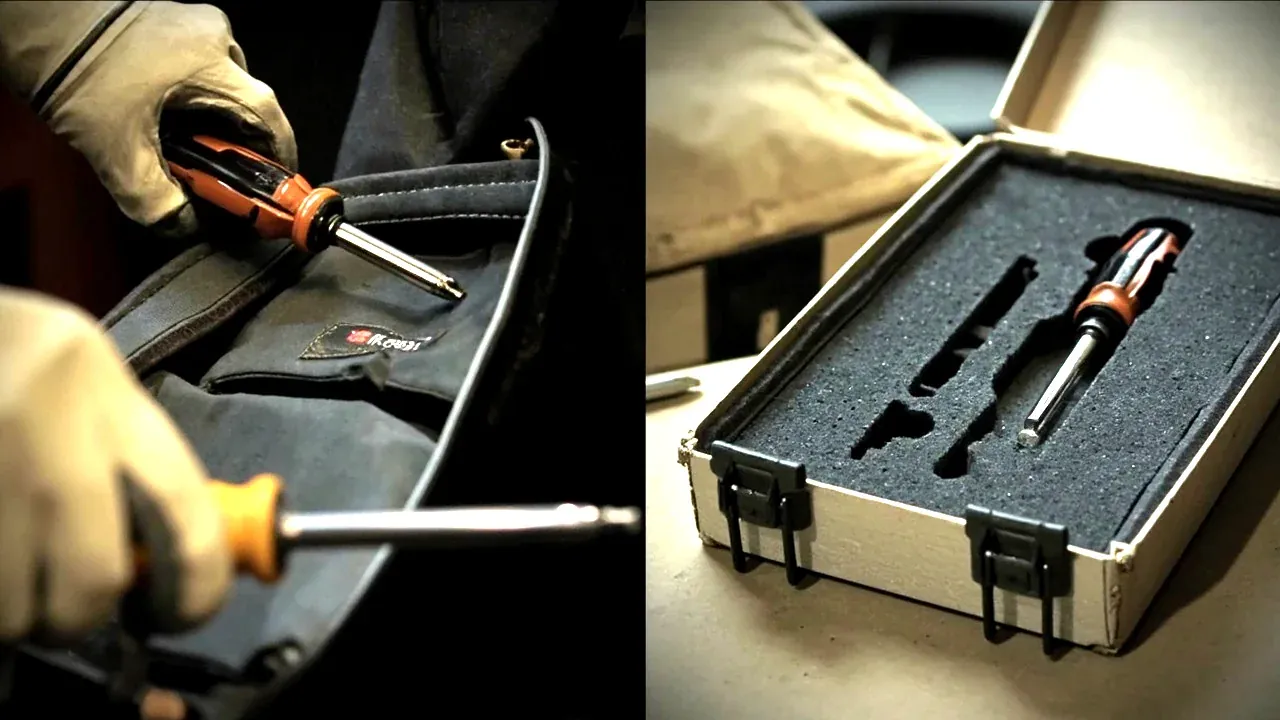
Distance changes the weight budget: a hand box carries about fifteen kilograms before wheels are needed, a bag skews past ten on one shoulder, and a chest does not move at all — relocating one takes a day.
4. Locking: from loss prevention to access control
All three can lock for different reasons: a box lock stops loss and accidental opening with one padlock, a bag lock is symbolic, and a chest lock is management — three-point locking with key tiers.
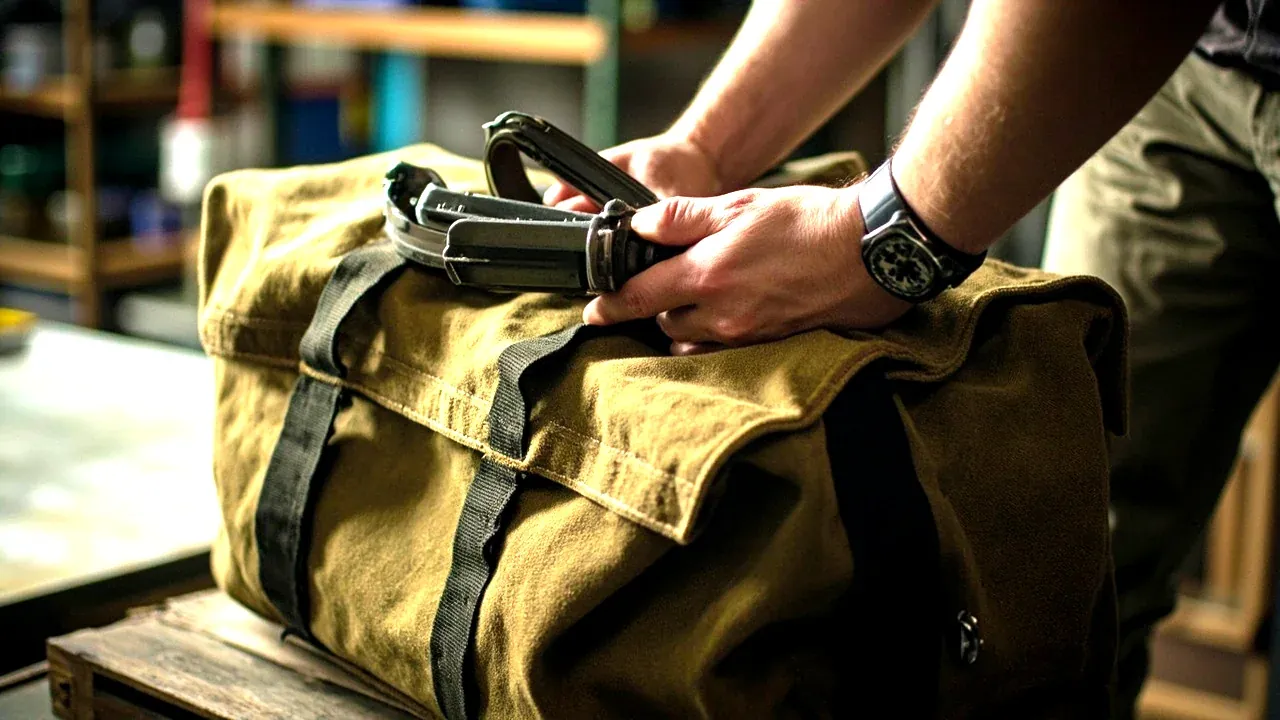
Lock grade should match management: without handover rules a three-point lock only adds time, and with them a padlock leaves no record. The common pattern is padlocks on boxes, tiered keys on chests, no lock on bags.
5. Three costs of a mismatch: time, space, replacement
The first cost is time. Using a bag for locating means ten extra minutes per count; using a box for carrying means ten extra metres per pick-up. Both repeat daily, and over a month they usually exceed the price difference that decided the purchase.
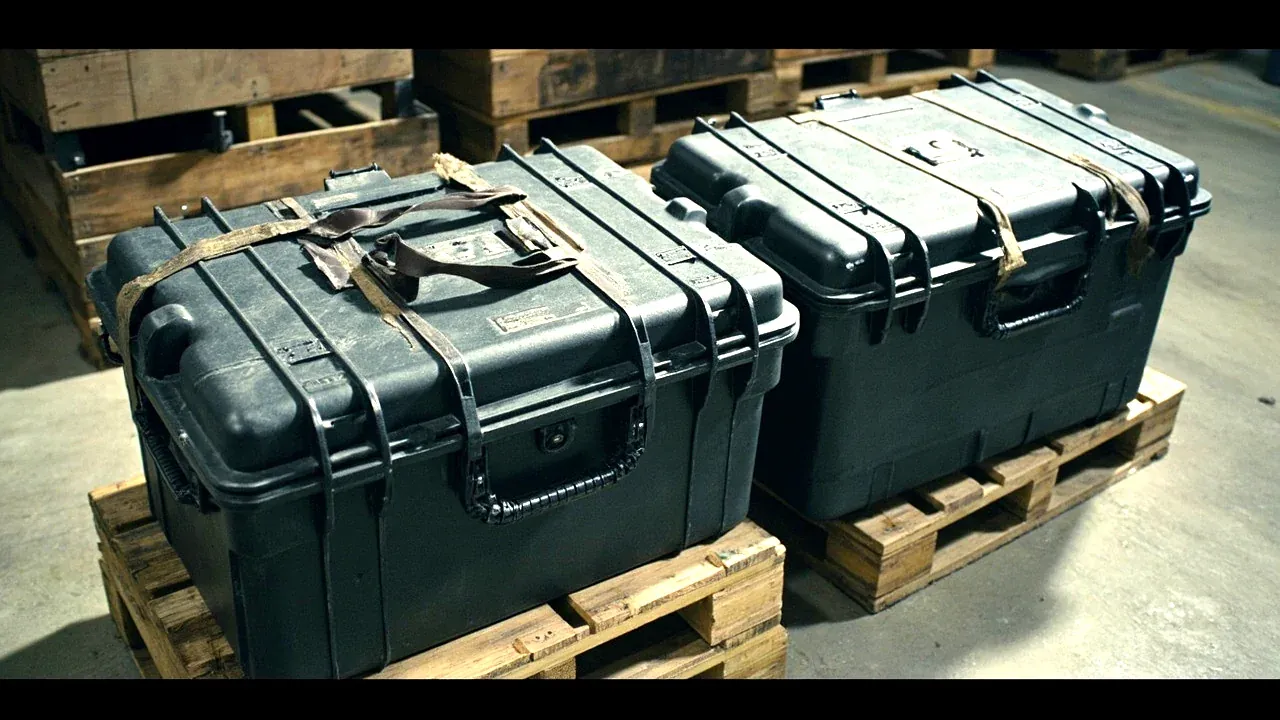
The second is space. A chest occupies a fixed footprint — a six-drawer unit about two workstations — while boxes stack on racks and grow with the count, and bags take no floor but take a person. A chest bought for carrying a few tools swaps two square metres for a backpack.
The third is replacement: a bag lasts one to two years, a box five to eight, a chest ten or more. Put heavy daily work into a bag and the cycle drops to six months.
Conclusion
Three criteria fix the division: locate pieces and take a box, carry on the body and take a bag, manage layers and lock and take a chest. A mismatch does not cost more at purchase; it costs time, floor space and replacement cycles — all three worth costing before the order, not on the spares list two years later.
This article covers container-side specifications and design implications only, not the handling, loading or use of the contents.
Related Reading
- What a tool box is
- Choosing a portable tool box
- Tool chest specifications
- Tool box foam lining selection
Related Products
- 8 Series — Gun Cases; Military Equipment Cases; Camera Equipment Cases; Drone Cases; Watch Cases; Knife Cases; First Aid Cases; Electronics Equipment Cases
- WL8-2812 PP Gun Case — model WL8-2812
- All protective cases and toolboxes: 7 series, 158 models