

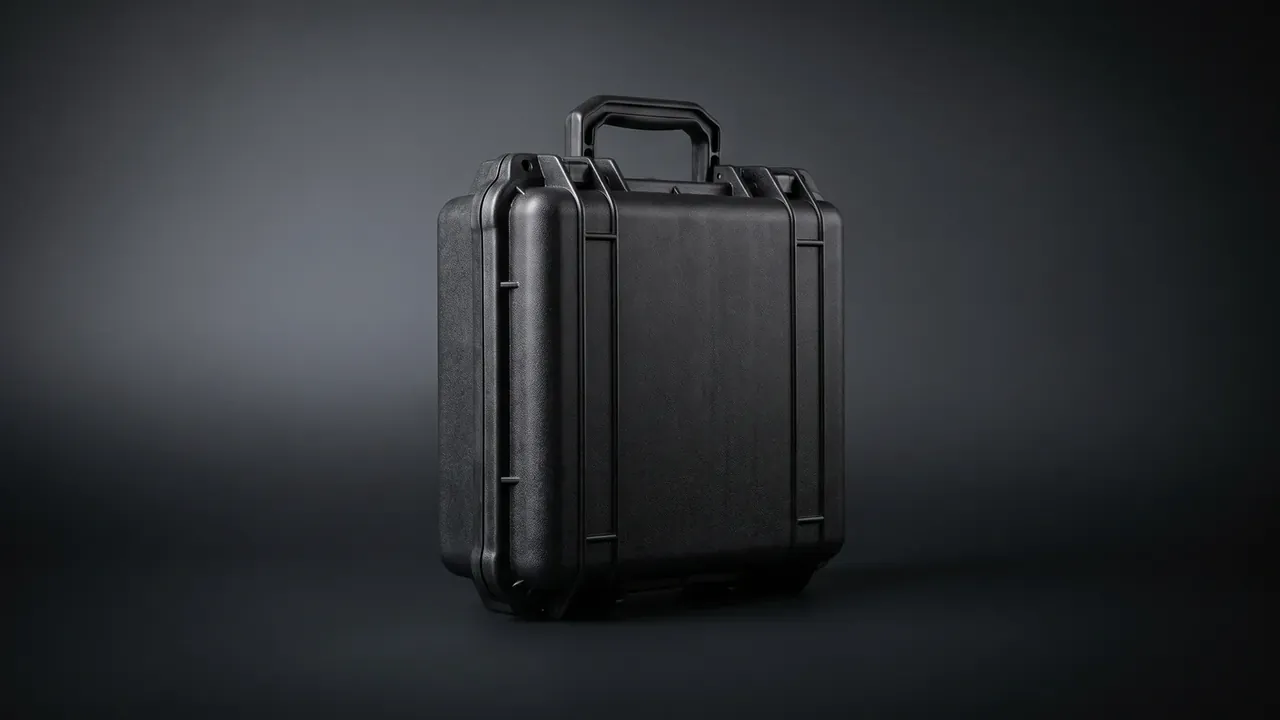
Quick answer: An instrument case serves six settings, four of them common: laboratory, vehicle inspection, field survey, offshore platform. The setting decides the insert, the ingress rating, and whether the case is carried by handle or in pairs.
Table of contents
- Six Field Settings and What They Share
- Laboratory and Metrology Room: Level, Clean, Reach
- Vehicle and Field: Vibration, Temperature Swing, Condensation
- Offshore and Salt Air: Sealing and Hardware
- Trading Off When One Case Covers Several Sites
- FAQ
1. Six Field Settings and What They Share
An instrument case ends up in fewer places than a tool box: lab and metrology room, vehicle inspection, field survey, offshore platform, clean line, emergency repair. The kit differs; four demands do not — vibration, level, moisture, and handling.
Rank them by site and the build follows: lab puts level first, vehicle puts vibration first, offshore puts sealing first. Where one case serves two sites, accessories close the gap.
| Setting | Site conditions | Structural focus |
|---|---|---|
| Laboratory | Bench work, frequent opening | Base flatness, insert grip |
| Vehicle inspection | Gravel roads, constant shaking | Anchors, fastener locking |
| Field survey | Long manual carries | Handle and strap paths |
| Offshore platform | Humid, salty, rolling | Sealing, stainless hardware |
| Clean line | Wiped down, low dust | Smooth outer surface |
| Emergency repair | Night work, one hand | Latch opening force |
2. Laboratory and Metrology Room: Level, Clean, Reach
On a bench the case sits open all day, so its floor becomes the working surface. Base flatness holds 0.3 mm/m, checked with a level after the four feet are set; 0.5 mm of warp shifts a reading.
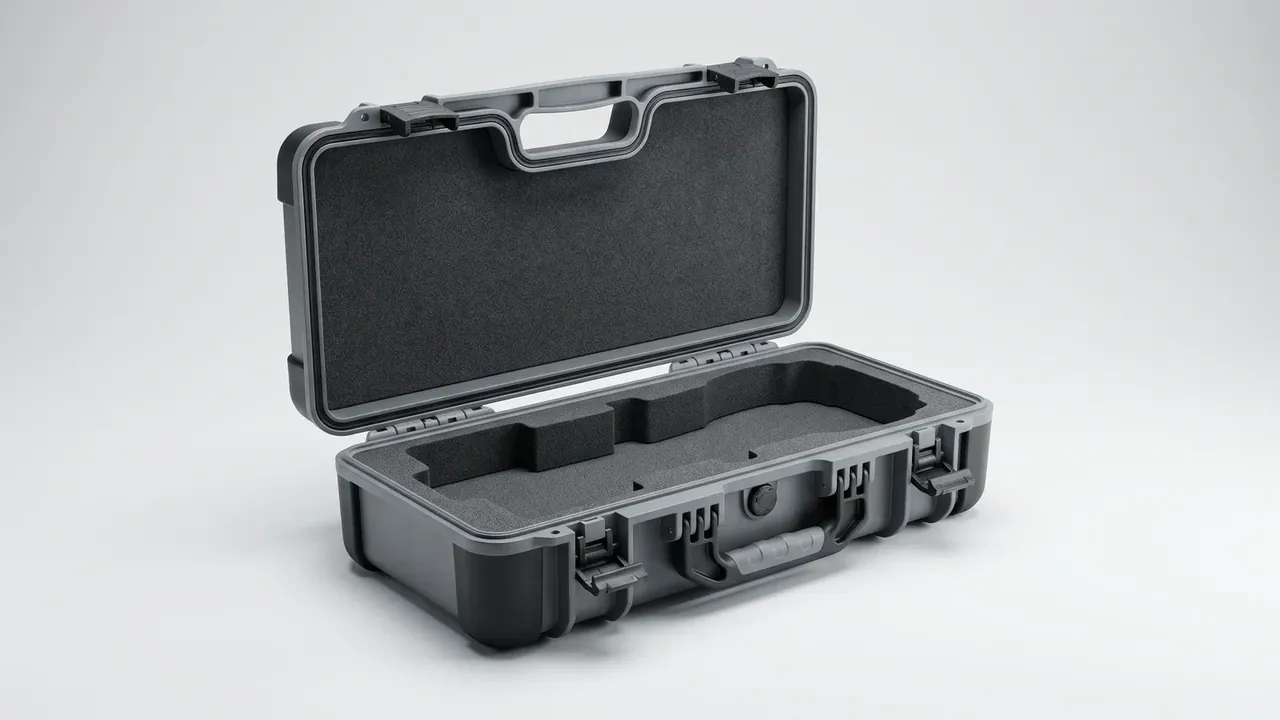
Height follows a 900 mm bench: case under 200 mm tall, lid below eye level so compartments stay visible. Clean lines need a wipeable skin — no texture, no seam, and 50 alcohol wipes without blooming.
A milled EVA block beats foam strips: 2 mm of interference at the cavity walls, 1 mm in bays opened all day.
3. Vehicle and Field: Vibration, Temperature Swing, Condensation
Floor vibration runs 5 to 500 Hz, a gravel road pushes 1.5 g RMS, and 200 km of it backs out fasteners. Strap the case with 25 mm webbing to a floor anchor; weight alone will not hold it under braking.
Four hours at −25 °C, then a room at 25 °C and 85% RH, and water beads outside within two hours. Sealing keeps the inside dry, but moisture swaps as the lid opens, so let it stand indoors.
Field carries pass 500 m, so handle and strap need separate paths: lift points 400 mm apart, 150 mm clear under the base, strap 30 mm above the centre of gravity.
4. Offshore and Salt Air: Sealing and Hardware
Offshore means 90% RH, salt and motion. Seal from IP67, 30 minutes at 1 m, with 316 stainless latches and hinges that show no red rust after 96 hours of salt spray.
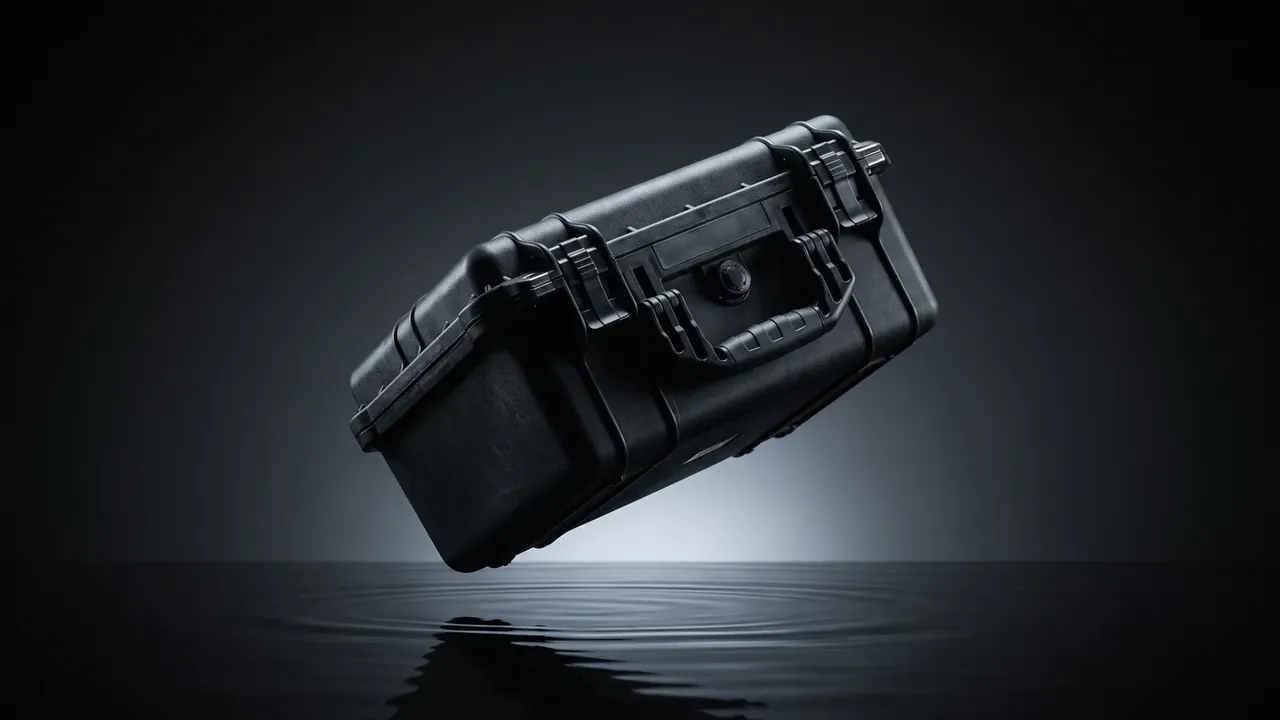
A pressure valve is not optional. A temperature drop pulls a vacuum, and a valved case opens near 60 N where an unvalved one needs 120 N.
Check latch springs and hinge pins every 30 days, rinse white spotting with fresh water, and renew the gasket at 12 months.
5. Trading Off When One Case Covers Several Sites
Buyers want one instrument case for four settings; two or three can often share. Body and seal go to the harshest site, insert to the most frequent, carrying hardware to the farthest, with accessories filling the rest.
Reverse it and both ends suffer: a hard-duty insert slows daily work, a soft-duty shell fails on site. Build the parent case to the hardest setting, then cut one insert per setting.
| Setting | Body | Insert | Seal |
|---|---|---|---|
| Laboratory | Flat, levelling feet | Milled EVA | IP54 |
| Vehicle | Mid height, anchor holes | Divided, with trays | IP65 |
| Field survey | Tall, thick corners | Full wrap foam | IP67 |
| Offshore | Low centre, rounded | Barrier bag on tray | IP67 |
Conclusion
An instrument case earns its place by translating a site into build decisions: level becomes feet and base flatness, vibration becomes straps and slot interference, moisture becomes a rating and a valve, carrying becomes handles and lifting points. Each setting ranks those four its own way, so the shell stays common and the insert carries the difference. A well matched instrument case crosses three sites without changing bodies.
This article discusses only the container (case body) side of specifications and design intent, and does not cover any handling, loading or use of the contents.
Related Reading
- Vibration, level and working height in three parts
- How to read an instrument case datasheet
- Camera case setups for field work
- Outdoor protection for electronic equipment cases
Related Products
- 8 Series — Gun Cases; Military Equipment Cases; Camera Equipment Cases; Drone Cases; Watch Cases; Knife Cases; First Aid Cases; Electronics Equipment Cases
- WL8-2812 PP Gun Case — model WL8-2812
- All protective cases and toolboxes: 7 series, 158 models