

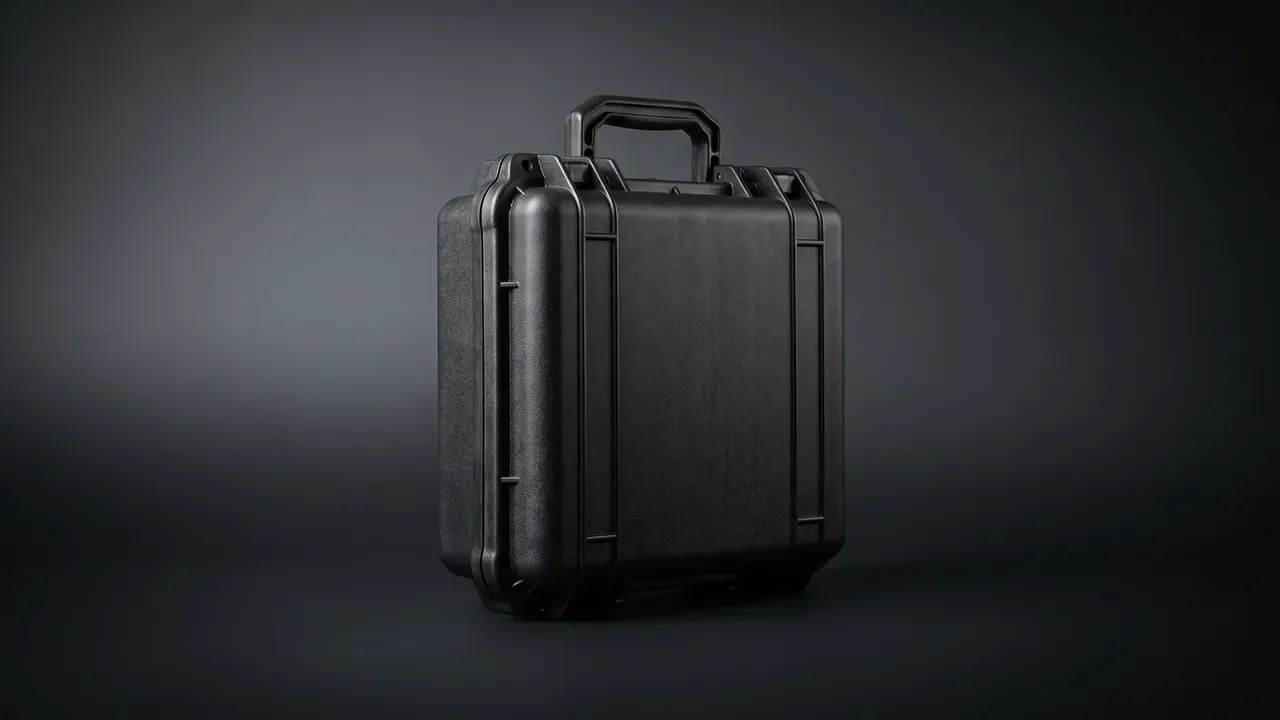
Quick answer: An Instrument Protection Case appears in four settings: field protection for process instruments, transport of transmitters and flow meters, calibration-room turnaround, and chemical or offshore process areas. Differences sit in two places: whether the window lets you read the value, and whether the shell survives salt spray and sunlight. Fix the window and viewing distance first, then fasteners.
Table of contents
- Four Sites for an Instrument Protection Case
- Viewing Windows: Light, Reading and Fogging
- Chemical Plants and Offshore: Corrosion and Weathering
- Brackets, Fixing and Vibration
- Inspection Rounds: Placement and Turnaround
- FAQ
1. Four Sites for an Instrument Protection Case
The instrument usually carries a decent ingress rating; what spoils the reading is the layer around it. Sunlight yellows the window, salt spray seizes fasteners, and a hand cannot reach inside.
| Setting | Conditions | Design focus |
|---|---|---|
| Field protection | Open pipe racks, sun and rain | Window clarity, UV stability, drain |
| Transmitter transport | Repeated loading, short hauls | Dividers, handles, stacking |
| Calibration room | Indoors, opened constantly | Low weight, shelves, labels |
| Chemical and offshore | Salt spray, hydrogen sulphide | 316L fasteners, 480 h salt spray |
All four ask for the same three things: readable, removable, returnable. Let any one slip and the crew stops closing the lid.
The order is window, then shell, then bracket: window size sets the cut-out, which sets door stiffness, which limits bracket cantilever.
2. Viewing Windows: Light, Reading and Fogging
For an Instrument Protection Case, transmittance is the first number. Five-millimetre acrylic starts near 88 percent, polycarbonate near 85, and anti-fog coating costs three to five points. Judge it with the yellowing after two years, since that hurts reading more than scratches.
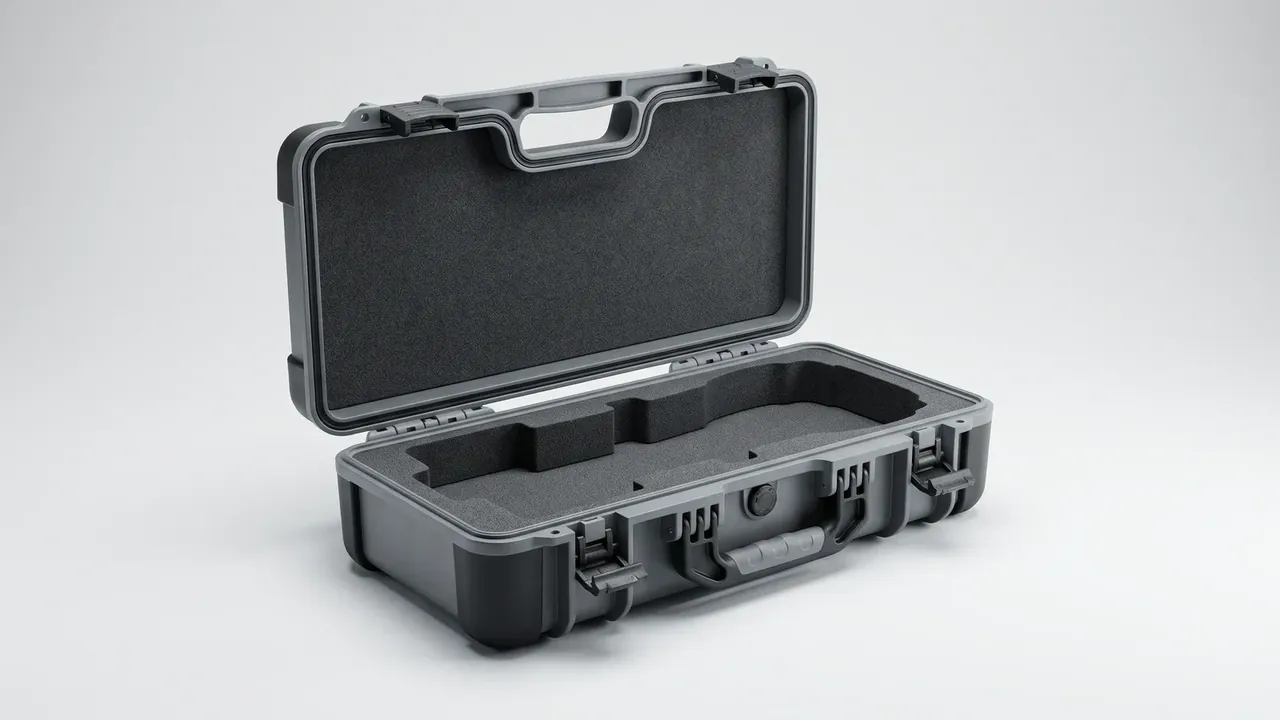
Viewing distance sets the window: 20 mm digits at 1.5 m need at least 320 by 220 mm, and digits near a corner shift the opening. Space frame screws at 80 mm, or water creeps under the gasket.
Fogging is handled two ways: anti-fog film inside, or a slight outward tilt. At five degrees condensate runs to the frame and leaves by the drain.
3. Chemical Plants and Offshore: Corrosion and Weathering
Salt spray hours are the easiest item to leave vague. Neutral salt spray of 480 hours without red rust covers most onshore chemical areas; platforms and jetties need 720 hours and 316L fasteners, since carbon screws seize within six months.
| Item | Onshore chemical | Offshore |
|---|---|---|
| Neutral salt spray | 480 hours | 720 hours |
| Fasteners | 304 stainless | 316L stainless |
| Gasket | EPDM | Silicone or fluoroelastomer |
Gasket material follows the medium. EPDM resists weather and general acids cheaply; with hydrogen sulphide, silicone and fluoroelastomer are safer, and silicone stays flexible at minus 40 °C.
Drainage belongs in the same drawing: a 6 mm drain at the lower edge with an insect screen, plus a lip inside the door near a scrubber.
4. Brackets, Fixing and Vibration
Bracket stiffness decides whether the reading on an Instrument Protection Case stays steady. Pipe-rack columns are mostly 48 mm tube, clamped at two points with U-bolts at 2.5 N·m; one clamp lets the case rotate.
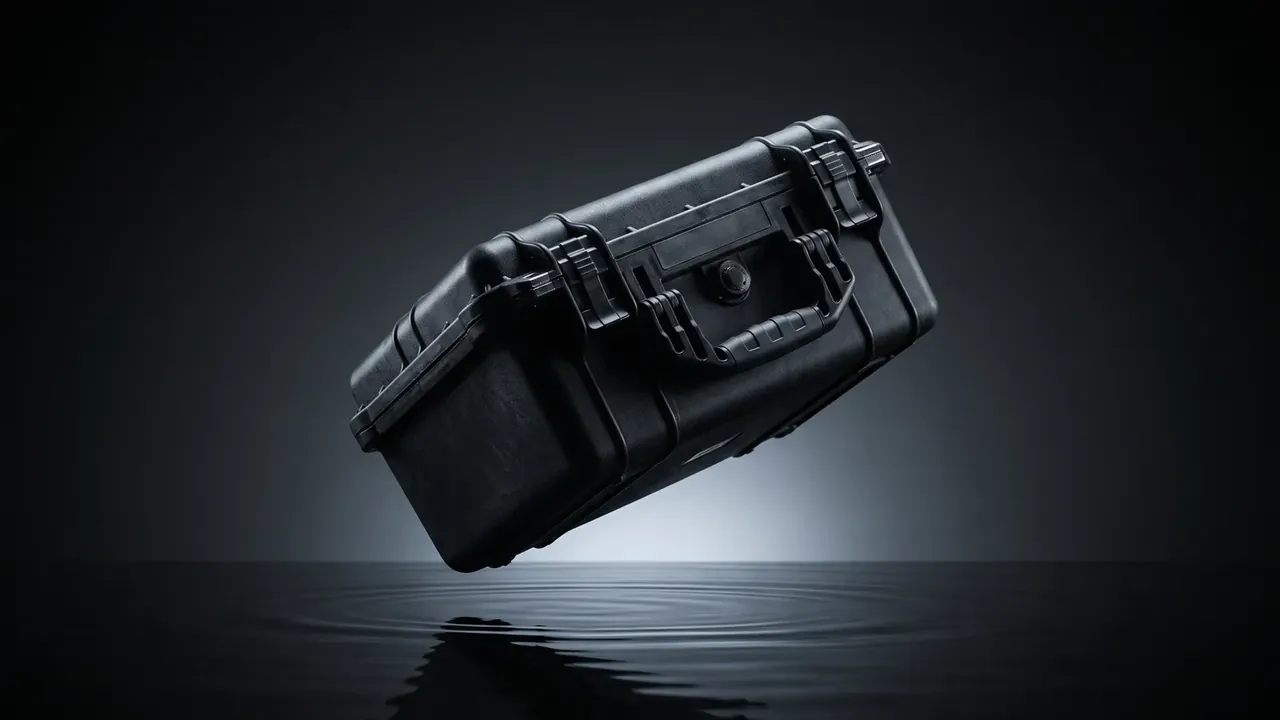
Vibration is judged by a sweep. Near pump discharges, 10 to 500 Hz at 1.5 g is common, and the first mode must avoid 25 Hz or a pointer gauge reads nothing.
Wall fixing uses four M8 anchors with a 3 mm rubber pad. The pad is not damping; it keeps dissimilar metals apart and blocks galvanic corrosion, which matters on coastal sites.
5. Inspection Rounds: Placement and Turnaround
Retrieval time can be measured. Walk up, open, take out, write down, put back, close: a practised operator needs about eight seconds. Past twelve, rounds get shortened and the lid stays open.
The fix is placement, not the case. Face the opening to the walkway, fit two shelves at 180 mm pitch, and give each instrument a 60 by 30 mm label matching its register number.
A trolley carrying four cases is usual, with a stacking recess so layers do not slide. Strap the Instrument Protection Case across its middle, not the handle, which fatigues first.
Conclusion
The four settings come down to the window, the shell and the locating features. The window decides whether a reading can be trusted, the shell how many years it lasts, and the placement whether the crew follows the procedure. Rank them against the site and one Instrument Protection Case covers reading, transport and turnaround.
This article discusses only the container (case body) side of specifications and design intent, and does not cover any handling, loading or use of the contents.
Related Reading
- Damping, levelling and access height for instrument cases
- Size and internal configuration of instrument cases
- Partition layouts and fixing methods inside a case
- Cushioning structure and test conditions for shockproof cases
Related Products
- 8 Series — Gun Cases; Military Equipment Cases; Camera Equipment Cases; Drone Cases; Watch Cases; Knife Cases; First Aid Cases; Electronics Equipment Cases
- WL8-2812 PP Gun Case — model WL8-2812
- All protective cases and toolboxes: 7 series, 158 models