

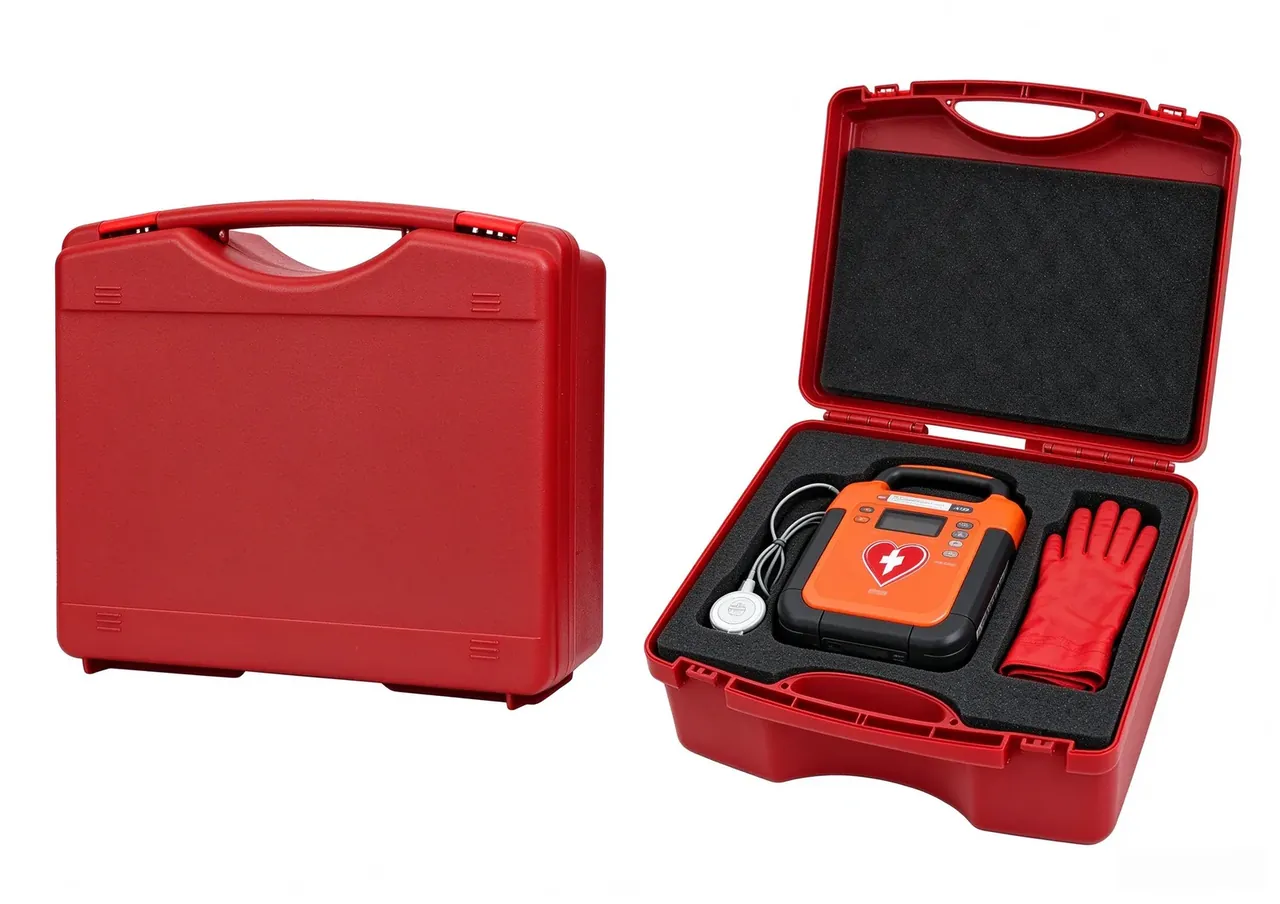
Quick answer: In joint development, give five deliverables a default owner under three models before arguing percentages; a matrix beats good intent.
Table of contents
- Fix the model before the ownership sentence
- Five deliverables, five kinds of right
- What the split buys
- Background and foreground: list first
- Grant-back and a two-step dispute ladder
- FAQ
1. Fix the model before the ownership sentence
A tooling invoice, a 3D model and a drawing set signed by both sides arrived at the same review, and none of them said who owned the outside shape. Six months later the buyer filed a design registration and the supplier quoted the same shell to a competitor, each side reading the file its own way.
Joint development fails there for a boring reason: the parties agreed on a word, not a rule.
Three structures work, each with its own default. In a commissioned build the buyer pays and takes the output while the supplier keeps general know-how but cannot reuse the dedicated shell or cavity layout. In a shared build both sides fund the work at 50/50 or 70/30, output is co-owned, and a filing by one side needs the other's written consent. In a buyer-led build the buyer fixes wall thickness and latch positions, the supplier only advises on manufacturability, and the contribution is priced once at 80,000 to 120,000 CNY.
The label flips outcomes: under a shared build a third-party licence needs two signatures, under a commissioned build one side signs alone.
2. Five deliverables, five kinds of right
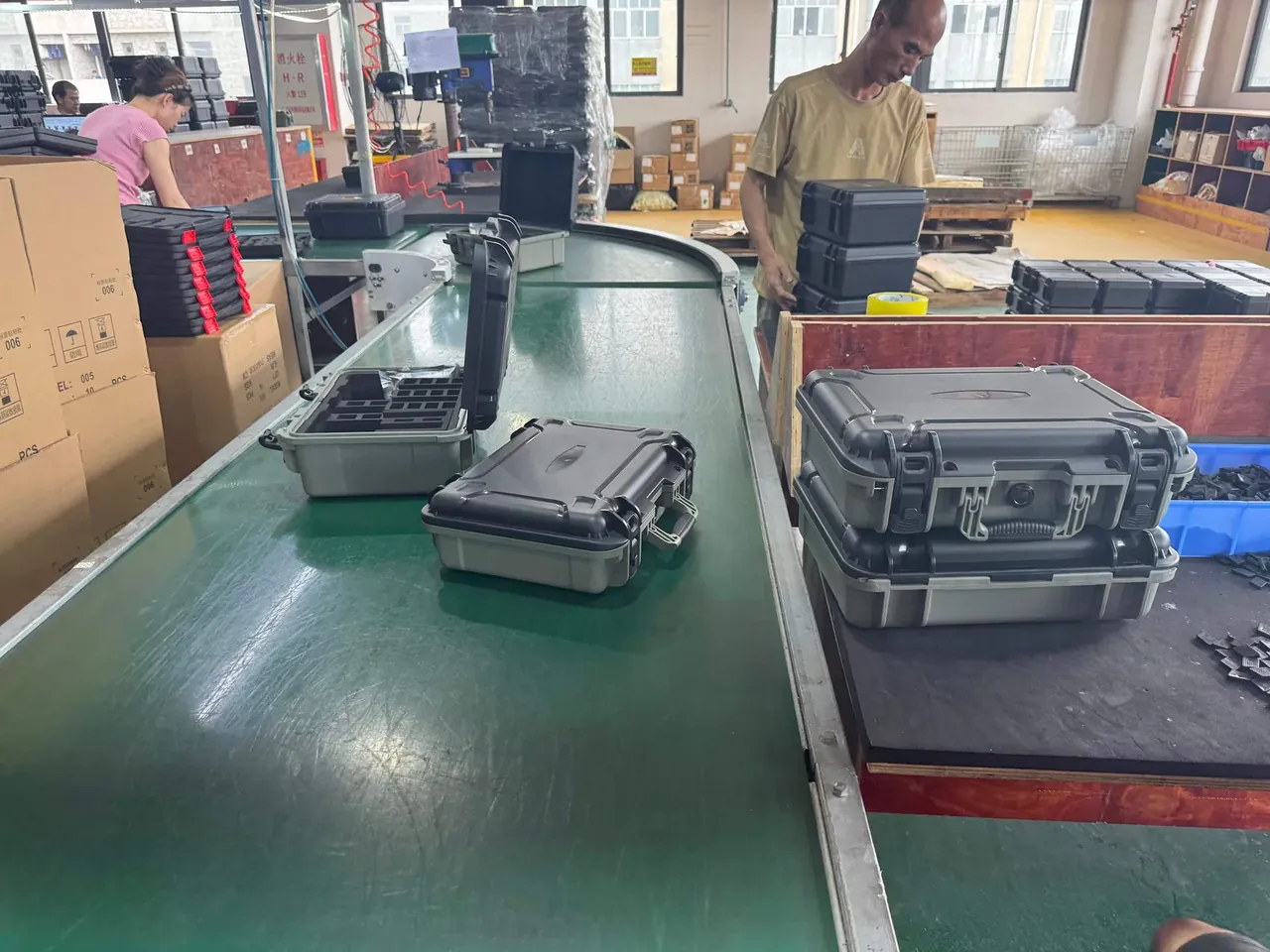
One project produces a shell shape, a structural feature, a mould, process parameters and test data. Those five sit on the same table but belong to five categories — a registrable design, a registrable technical solution, a physical asset, a trade secret, a dataset — so two of them always break when a single sentence is used.
| Deliverable | Commissioned | Shared | Buyer-led |
|---|---|---|---|
| Outer design | Buyer, no reuse | Co-owned, one filer | Buyer, this project |
| Structural feature | Buyer, know-how stays | Co-owned, two consents | Buyer, priced separately |
| Mould | Buyer, 30-day handover | Co-owned, joint disposal | Buyer, supplier maintains |
| Process parameters | Supplier, dedicated licence | Co-owned, 5-year secrecy | Supplier, may be sealed |
| Test data | Buyer, anonymised samples | Co-owned, one raw set each | Buyer, no reuse for 5 years |
The design row is where buyers overreach. A shape registers on six orthographic views plus three states of use; running three searches before submission and filing the full view set at once avoids about two months of office-action rounds.
The structural row is where categories blur. One latch position can carry both a visual impression and a functional effect, registered together or only one of them registered at all. "Third-party licence needs two written consents" does more work than "jointly owned".
The mould row follows money, not drawings. Whoever pays the tooling invoice, carries it on the fixed-asset register and collects it within 30 days of the last order should be one entity; split that and the gap surfaces at the first supplier change.
Process parameters usually stay with the supplier, which surprises buyers: the buyer receives a dedicated licence tied to the product life cycle, secrecy at 5 years, 10 for formulation settings. Test data runs the other way, so write "co-owned, anonymised samples for method research only".
3. What the split buys
Split and ownership must move together: 50/50 pairs with co-ownership and shared annuities, 70/30 pairs with buyer exclusivity and a non-exclusive supplier right, 100/0 means the buyer funds and owns everything. On licensing, the base outweighs the rate — at 3% of net sales on a case selling at 180 CNY the royalty is 5.4 CNY a unit, while 3% of net licence income can land near 0.9 CNY.
Filing, too, has a clock: submit within 10 working days of design freeze after three searches, because a design published elsewhere in the meantime can block your own registration.
4. Background and foreground: list first
Background IP is what each side already held at kick-off; foreground IP is what the project creates. The line is a list, not a date: a supplier that brought 12 proprietary techniques into the project cannot prove which were its own without one.
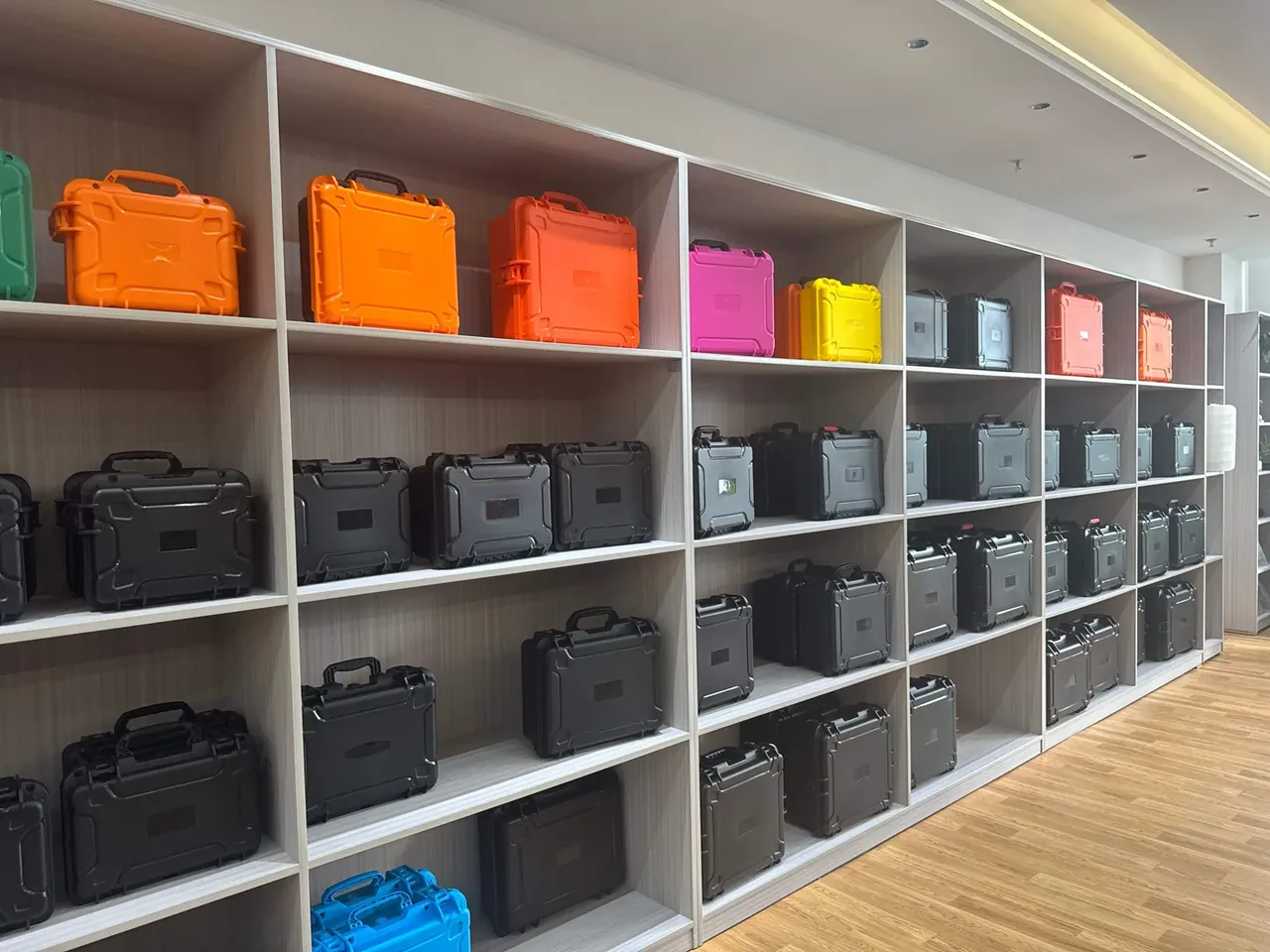
Record name, carrier, status and licensed scope for every entry at the kick-off meeting, then attach the signed page to the contract.
| Deliverable | Format | Secrecy | Held by |
|---|---|---|---|
| Outer design | 6 views, 3 states | 5 years | Buyer |
| Structural feature | 2 revisions, 3D model | 5 years | One set each |
| Mould | Unit, nameplate, log | Not applicable | Tooling payer |
| Process parameters | 14-item sheet, trial report | 10 years | Supplier |
| Test data | Raw records, report | 5 years | Buyer |
Technical material moves in four classes — 2D drawings, 3D models, parameter sheets, test reports — at 15 working days per transfer. When two revisions coexist, the title block must say which is live, or the trial run follows the old one.
Write secrecy as a term, never as perpetual. Five years covers drawings and reports; formulation and key parameters deserve 10, counted from termination rather than signature. Destruction or return follows within 30 days.
5. Grant-back and a two-step dispute ladder
The workable grant-back is mutual, non-exclusive and either free or priced at 3%: improvements are disclosed in writing within 12 months, the other party may practise them in its own products, and neither may sublicense. Grant-back is not assignment, so add that the receiving party may not file on the disclosed improvement.
Disputes close in two steps: 30 days of technical negotiation, then arbitration or litigation as agreed. Step one needs one named technical lead per side and minutes covering five fields — topic, data, conclusion, action, owner. Keep records 5 years, matching the secrecy term.
Conclusion
Joint development IP is not settled by the word co-owned. It is settled by a matrix giving five deliverables a default owner under three models, plus three clocks: filing within 10 working days of design freeze, grant-back within 12 months, and secrecy of 5 years or 10 for formulation work. Local contract terms and applicable law govern; this describes common practice.
This article covers case-side specifications only and does not address any handling, loading or use of the contents.
Related Reading
- IP clauses in case contracts
- Mould ownership: four clauses
- How tooling cost is calculated
- Where private label procurement stops
- Handing over moulds when a supplier exits
Related Products
- 8 Series — Gun Cases; Military Equipment Cases; Camera Equipment Cases; Drone Cases; Watch Cases; Knife Cases; First Aid Cases; Electronics Equipment Cases
- WL8-2812 PP Gun Case — model WL8-2812
- All protective cases and toolboxes: 7 series, 158 models