

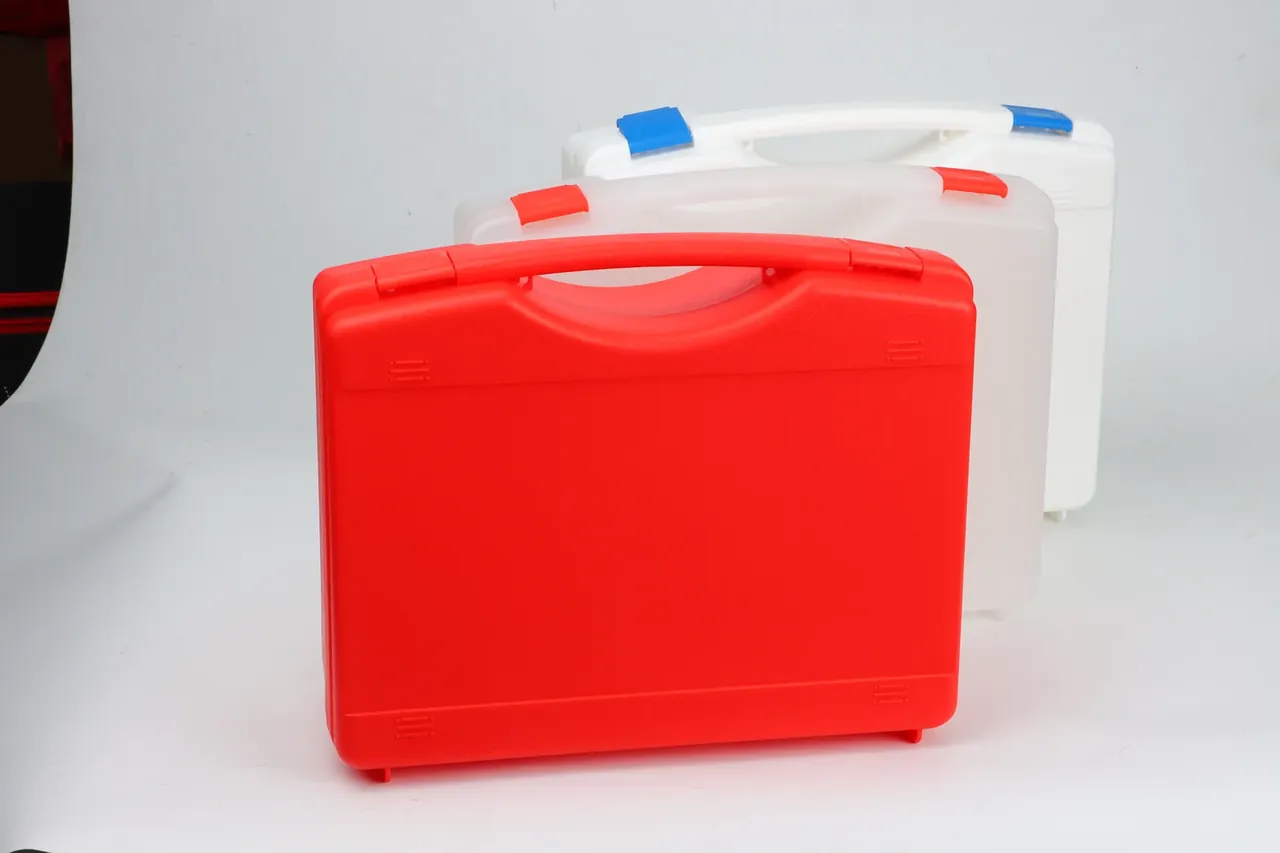
Quick answer: Switching case suppliers succeeds on the handover, not the pitch, so moulds, drawings, gauges and samples must change hands in a fixed order.
Table of contents
- Four asset groups to count before switching
- Moulds: the order they leave the old plant
- Drawings, BOM and gauges under control
- Three validation stages: first shot, 200 units, 30-day overlap
- A 75-day timeline and the cost basis
- FAQ
1. Four asset groups to count before switching
Most failed changeovers do not fail at the new plant. They fail because the old assets never arrived complete. Four groups move separately: moulds are physical, drawings and BOM are documents, jigs and gauges sit between them, and sealed samples are the reference for every judgement. Plan 75 days end to end, with roughly 22 of them on handover, and treat that block as fixed.
Missing groups cost different amounts. A mould held up costs a machine day. A drawing one revision behind guarantees a failed first shot. A gauge past calibration leaves 200 units judged by eye. That is why documents go first, hardware second, reference samples last.
| Asset | Document to hand over | What to check | Typical risk |
|---|---|---|---|
| Mould | Tool register, maintenance card | 7 physical items against the tool number | Inserts left behind, hot-runner controller kept |
| Drawings and BOM | Controlled drawing list, revision log | Sign for V3.2 drawings and the 3-level BOM | Drawing stale after a change, BOM a level short |
| Jigs and gauges | Gauge list, calibration reports | Number 12 gauges and recalibrate each | Calibration expired, gauge borrowed for parts |
| Sealed samples | Sample record, colour standard | Compare 3 samples, retain for 24 months | Faded sample, no signature |
Start before the set is complete and the old plant's problems move house.
2. Moulds: the order they leave the old plant
Moulds are the heaviest item. A single tool weighs 1.8 t, beyond a box van, so plan a 5 t crane and lift from the eyes on the frame rather than the cavity face. Below 60% remaining life, cut a new tool instead of moving the old one; transport plus repair usually costs more.
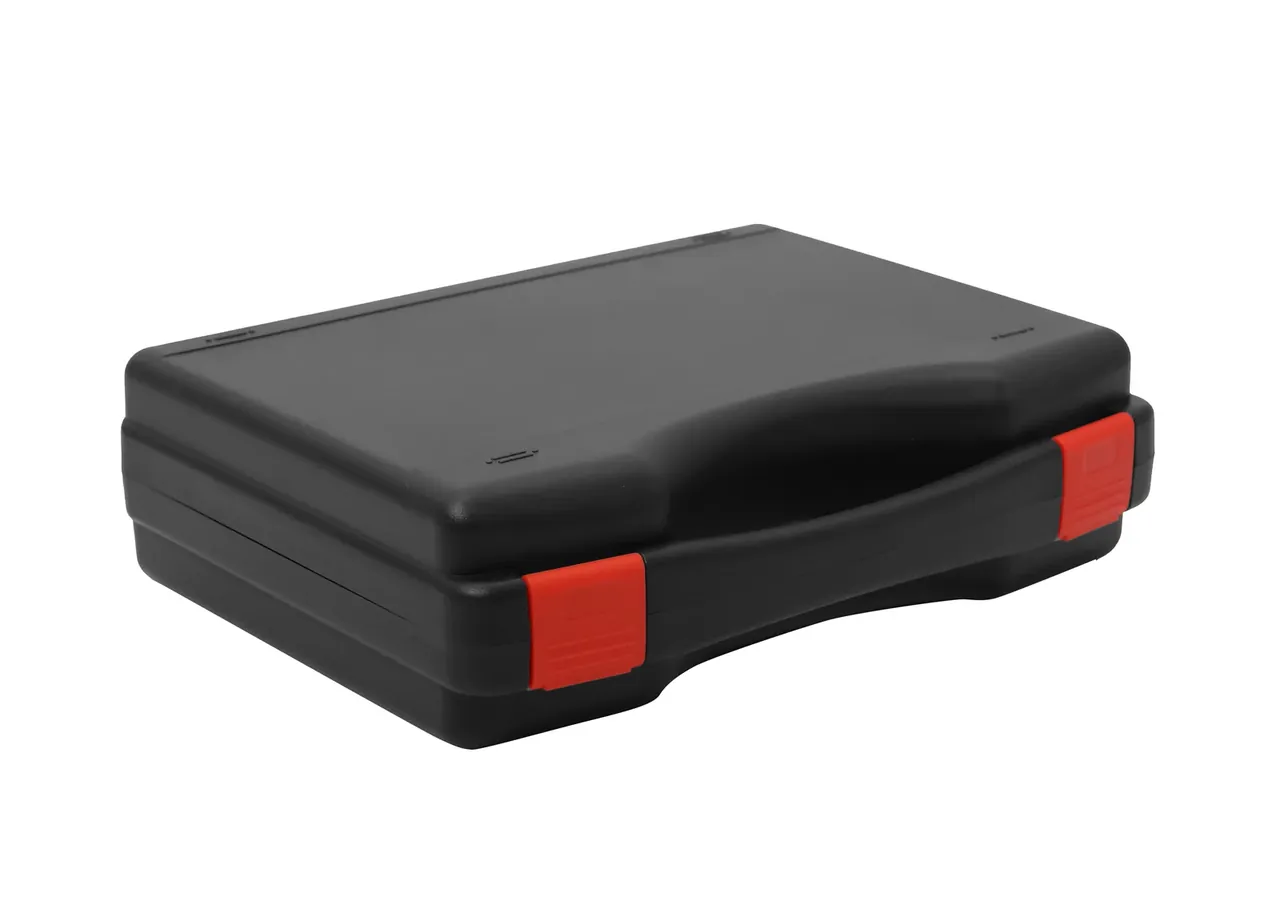
The sequence has four steps. Sign the handover sheet with tool numbers and storage position. Count 7 items on site: frame, cavity inserts, slides, hot-runner controller, water fittings, ejector plate, spare parts. Run 5 dry cycles once the tool lands, then seal the first sample against it as a baseline.
Freight runs at 0.8 CNY per kg, roughly 1400 CNY for 1.8 t before lifting and insurance. A scored cavity face adds 3 to 5 days of polishing, which costs more than the freight.
Ownership is a contract question, so this stays on the handover. What stalls a case suppliers switch is an old supplier under no duty to cooperate: write 2 clauses, one for the dismantling deadline, one for balances against asset release.
3. Drawings, BOM and gauges under control
Drawings are the underrated part of a case suppliers change. The controlled revision is V3.2, with a log of 3 modifications to ribs, latch seats and the drain channel. A tool cut to an old V3.0 sheet is how a first shot lands 0.8 mm out.
Issue the BOM in 3 levels: the case, components such as body, lid, latches, gasket and nameplate, then materials with grade, colour code and supplier. The third level is the one usually skipped, yet one PP grade change shifts shrinkage by 0.3% to 0.5%.
Number all 12 gauges, attach calibration reports and recalibrate what has expired. There is one gauge each for cavity length, latch seat spacing and hinge alignment; miss one and the 200-unit judgement drops back to eyesight.
Seal 3 samples for old plant, new plant and buyer, kept 24 months and signed, with a colorimeter reading on the colour standard.
4. Three validation stages: first shot, 200 units, 30-day overlap
Validation runs in three stages, each with a release condition: first shot for dimensions and appearance, 200 units for stability, 30-day overlap for delivery rhythm. With handover and transport they make up the 75-day total.
| Stage | Batch size | Release condition |
|---|---|---|
| First shot | 5 units | Cavity readings within 1.0 mm across 3 points, no colour shift |
| Small batch | 200 units | Defect rate at or below 1.5%, pressure drop at or below 2 kPa in 60 s |
| Parallel supply | 30 days of demand | On-time delivery at or above 95%, no batch-level defect |
The first shot is where corners get cut. It is not a beauty test but a comparison against the sealed sample: cavity dimensions at the same station, latch feel, gasket recovery. Sign-off should carry measured values, since a signature without numbers means nothing later.
The 200-unit batch proves stability. Injection drift starts after cycle 50: mould temperature climbs, ejector pins wear, and the defect rate moves from 0.3% to 2%. The 1.5% threshold sits there because full inspection above it eats whatever the switch saved.
Thirty days of parallel supply is the last net. The old plant keeps shipping while the new one ramps from 30% to 70% to full volume, so any stage falls back a notch. The risk is rarely capacity; it is both sides under-stocking material while the schedule knots in the middle.
5. A 75-day timeline and the cost basis
The 75 days break into five blocks: handover and documents 10, transport and reinstallation 12, first shot 13, the 200-unit batch 20, first delivery 20. The 30-day overlap runs across the last two rather than adding time, which keeps the least predictable step early.
Agree the cost basis once. Four items cover most of it: tool transfer at 0.8 CNY per kg, lifting and insurance per trip, gauge recalibration per piece, sample re-sealing per set. A fifth, tool repair, belongs in the clause and follows the inspection record.
Cooperation is the softest link: release within 10 working days of a dismantling request, assets freed once balances clear. Without both, the plan stalls around day 20 while the new line waits on tools it cannot use.
Conclusion
Switching case suppliers is decided before the switch begins: four asset groups handed over in the order of documents, hardware, then reference, a tool checked against 7 items and replaced rather than moved below 60% remaining life, drawings controlled at V3.2 with a 3-level BOM, 12 gauges recalibrated, 3 sealed samples kept for 24 months, then release gates at first shot, 200 units and a 30-day overlap holding defects under 1.5%. Of the 75 days, the expensive part is never freight; it is rework caused by an asset that never arrived.
This article discusses only the container (case body) side of specifications and design intent, and does not cover any handling, loading or use of the contents.
Related Reading
- Where tooling ownership meets intellectual property
- IP clauses inside a custom case contract
- Mould storage conditions and upkeep standards
- What a supplier audit actually checks on site
Related Products
- 8 Series — Gun Cases; Military Equipment Cases; Camera Equipment Cases; Drone Cases; Watch Cases; Knife Cases; First Aid Cases; Electronics Equipment Cases
- WL8-2812 PP Gun Case — model WL8-2812
- All protective cases and toolboxes: 7 series, 158 models