

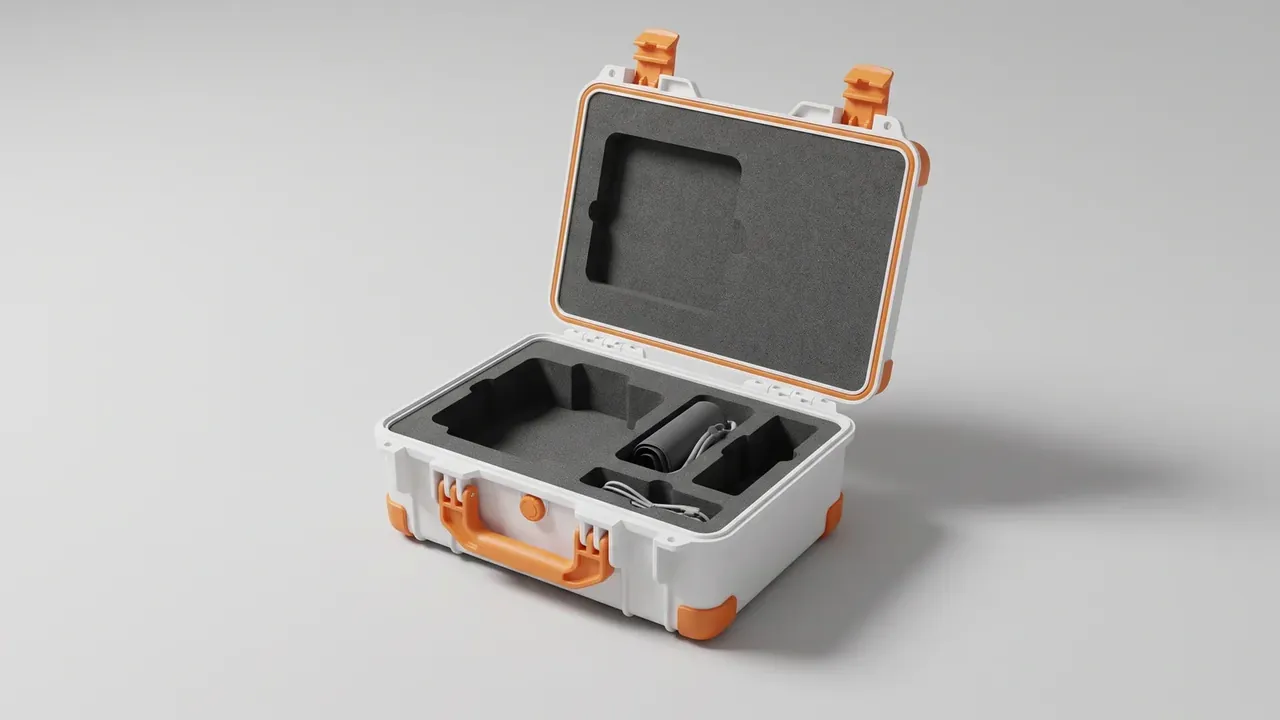
Quick answer: A Portable Tool Box is configured by the job, not the tool count. Repair work wants layering and a lid that holds 105 degrees, line inspection wants dust sealing and an insulated bay, sampling wants foam tolerance, camera gear wants damping, transfers want wheels. Decide the scenery first.
Table of contents
- Six scenarios a Portable Tool Box covers
- Layering and lid angle in on-site repair
- Dust and an insulated bay in line inspection
- Two foam routes for sampling and camera gear
- Wheels trays and stacking for transfers
- FAQ
1. Six scenarios a Portable Tool Box covers
A Portable Tool Box is chosen by working radius, not tool count. A radius inside one building rewards layering and a good handle; a radius across a plant with three transfers a week rewards wheels and stack strength. Twenty tools still need two different bodies.
Six scenarios cover most buying: on-site repair, line inspection, sampling, camera gear, roadside recovery, training benches. The first three live or die on pocket accuracy, the last three on load and drop resistance.
| Scenario | Load | Foam | Priority |
|---|---|---|---|
| On-site repair | 20 to 40 tools | trays plus loops | lid angle |
| Line inspection | meters, cables | pre-cut foam, pad | sealing |
| Sampling | bags, gauges | deep pockets | tolerance |
2. Layering and lid angle in on-site repair
On-site work is short of flat surface. A customer offers half a desk, so a lid standing at 105 degrees without falling back separates a workable bench from one that shuts at 90. A stop block in the hinge sets that angle.
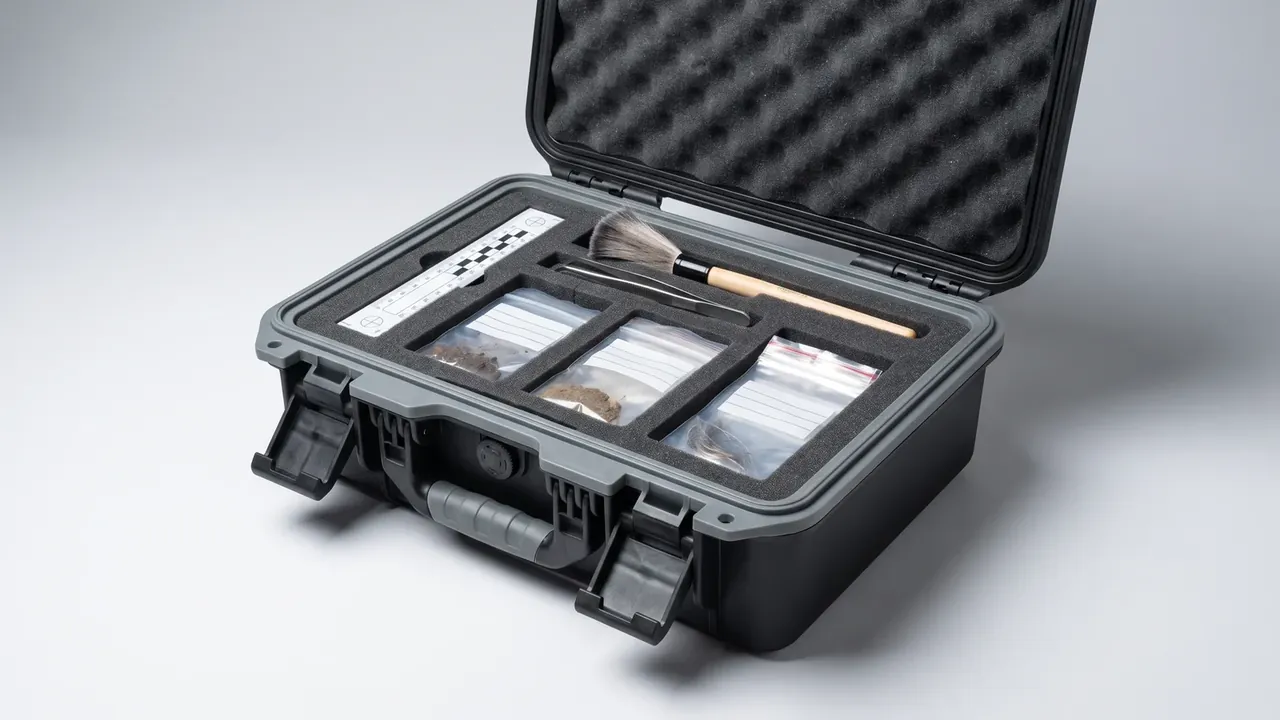
Layering sets how often you dig. One deep cavity means lifting a layer to reach a spanner; three trays keep common sizes on top and cut retrieval from six moves to two. Trays are rated 2 kg, and slides sag after a third overloaded pull.
Weight belongs on the route. An empty 3.5 kg body loaded to 12 kg decides whether the kit is split before a sixth-floor walk-up. A 28 mm handle spreads the load across the palm; below 22 mm, three floors is enough.
3. Dust and an insulated bay in line inspection
Line inspection fights dust and oil mist. A Portable Tool Box here needs IP54: five for dust keeps out particles above 1 mm, four for splash handles wash-down; graphite powder is finer, so the rim depends on a compressed gasket.
Live work adds a bay with a 3 mm epoxy plate, so the tester and gloves sit apart from steel, with 25 mm between divider and tools. Pocket numbers printed on foam outlast labels stuck to tools.
| Duty | Rating | Foam | Extra |
|---|---|---|---|
| Assembly line | IP54 | pre-cut PE | numbering |
| Live inspection | IP54 | epoxy plate | glove bay |
A bench near a curing oven reaches 55 °C, an outdoor cabinet minus 15 °C in winter; EVA stays flexible, plain PE foam hardens.
4. Two foam routes for sampling and camera gear
Foam comes cut or moulded. Cutting uses 38 kg/m³ EVA on a CNC table, holds plus or minus 1 mm and suits runs of 20 to 200 sets. Moulding presses the cavity on a 650 t machine, lowering piece price but putting tooling cost up front.
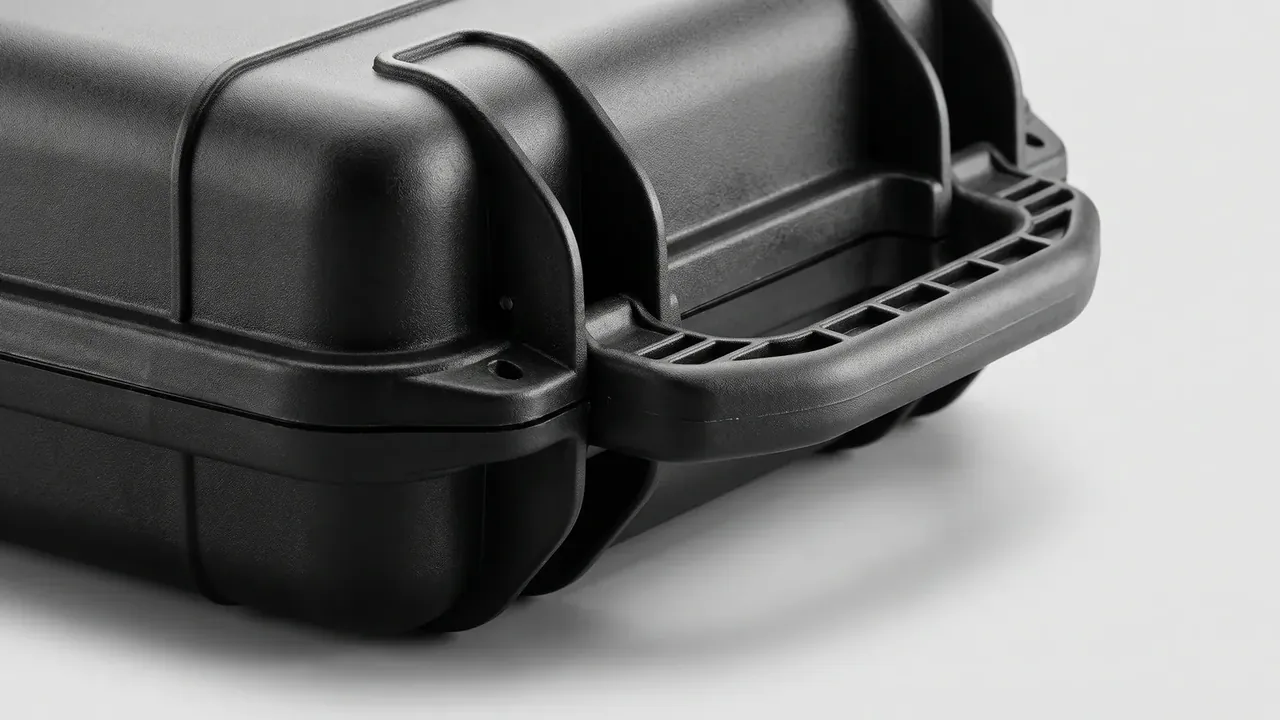
Sampling leans to deep pockets: 60 mm deep with a 5 mm radius at the base and 4 mm walls between, so vials stay apart on a rough road.
Camera gear leans to fit and damping. Bodies and lenses sit in dense EVA with 2 mm clearance, and a 10 mm slow-rebound layer under each pocket takes the first hit. This work usually carries a pressure valve for mountain transfers.
5. Wheels trays and stacking for transfers
Transfer frequency sets the wheels. Three moves a week justifies 60 mm wheels on a 10 mm axle rated 30 kg, which halves the pull; one move a week does not, since the housing adds 1.1 kg and a path for water.
Vehicle fit is about the base. Two straight ribs let a strap bite without slipping, and a three-high stack puts 45 kg on the bottom unit, so a lid sagging past 3 mm ends the stack. Twelve opens a day is 22,000 hinges in five years.
Conclusion
A Portable Tool Box has no universal configuration, only a scenario one: repair wants lid angle, inspection wants sealing, sampling wants tolerance, busy schedules want wheels. Choose the use first and the Portable Tool Box will carry, open and stack the way the job needs.
This article discusses only the container (case body) side of specifications and design intent, and does not cover any handling, loading or use of the contents.
Related Reading
- How to pick a portable tool box
- How tool box organisers are divided
- Hand tool case structure
- Setups for vehicle tool cases
Related Products
- 8 Series — Gun Cases; Military Equipment Cases; Camera Equipment Cases; Drone Cases; Watch Cases; Knife Cases; First Aid Cases; Electronics Equipment Cases
- WL8-2812 PP Gun Case — model WL8-2812
- All protective cases and toolboxes: 7 series, 158 models