

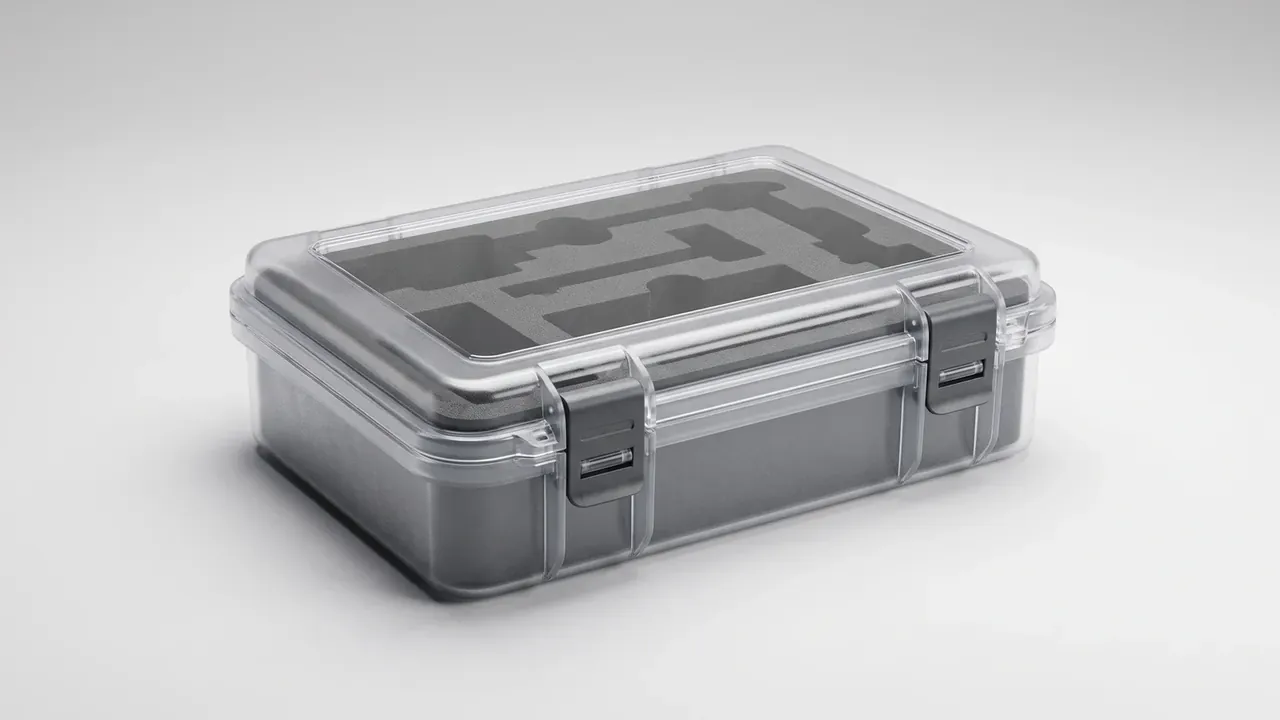
Quick answer: A waterproof travel case is judged in the order water reaches it: lid seam and zipper, then spray and immersion, then handle and wheels. A 0.8 mm seal compression, 12.5 L/min spray for ten minutes and a 0.5 g gain after 30 minutes at 1 m decide it.
Table of contents
- How Acceptance Items for a Waterproof Travel Case Are Graded
- Lid Seams and Waterproof Zippers
- Rain Spray and Immersion Values
- Handle, Wheel and Telescopic Load Checks
- Decision Rules and Inspection Records
- FAQ
1. How Acceptance Items for a Waterproof Travel Case Are Graded
Spec sheets for a travel case are generous; the floor reduces them to three questions: load, roll, and whether rain reaches the packing inside. A waterproof travel case turns the third into numbers.
Grading follows the path water takes: lid seam, zipper teeth and tube collars, each with own checks, plus spray and immersion as class A. Appearance and hardware sit in class B, markings in class C.
| Class | Items | Method | Disposition |
|---|---|---|---|
| A | Seam, zipper, spray, immersion | Gauge, spray rig, tank | Batch returned |
| B | Appearance, hardware, lining | Visual, feel, torque | Rework and re-check |
| C | Markings, tags, packaging | Against golden sample | Correct on site |
Class A work is destructive, so those samples are moulded separately.
2. Lid Seams and Waterproof Zippers
The lid seam is where leakage concentrates. A double-lip TPU gasket at 65 Shore A joins lid and base at 0.8 mm compression, checked with a feeler gauge every 100 mm, and a 0.05 mm blade must not enter.
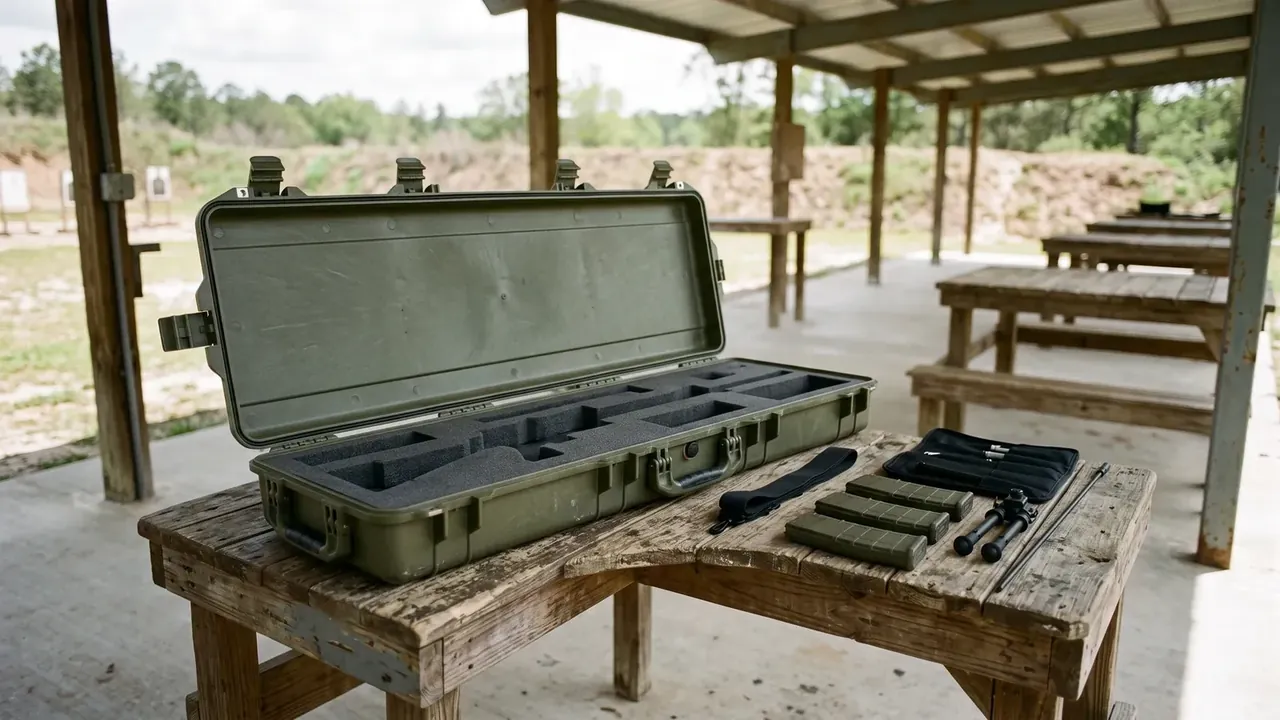
A waterproof zipper is judged closed and after wear: 2000 cycles over a 300 mm stroke, then five minutes of spray, with no wet spot wider than 3 mm on the paper inside. Where a tube passes the shell, a rubber collar carries 0.3 mm of interference, or water runs inside the tube to the base.
3. Rain Spray and Immersion Values
Spray uses an oscillating tube of 400 mm radius at 12.5 L/min, case at 45 degrees, 2.5 minutes per side, ten minutes total. Dry paper inside is the pass condition, with no beading on latches.
Immersion is stricter: 1 m depth for 30 minutes, gaining no more than 0.5 g, then weighed again after 24 hours.
| Test | Condition | Limit |
|---|---|---|
| Spray | 12.5 L/min, 2.5 min per side | No wet spot inside |
| Immersion | 1 m, 30 minutes | Gain ≤ 0.5 g |
| Second weighing | 24 h later | Gain ≤ 0.2 g |
| Thermal cycling | −20 to 60 °C, 4 h, 2 cycles | No hardening |
Thermal cycling runs first: two cycles of four hours at minus 20 °C and four at 60 °C will harden or craze a poor gasket, and a later spray result means nothing.
4. Handle, Wheel and Telescopic Load Checks
Sealing and load carrying must not fight each other. The telescopic handle runs 5000 cycles under 18 kg, and play may grow 1.5 mm; past that the case wobbles, the collar wears oval and water finds the gap.
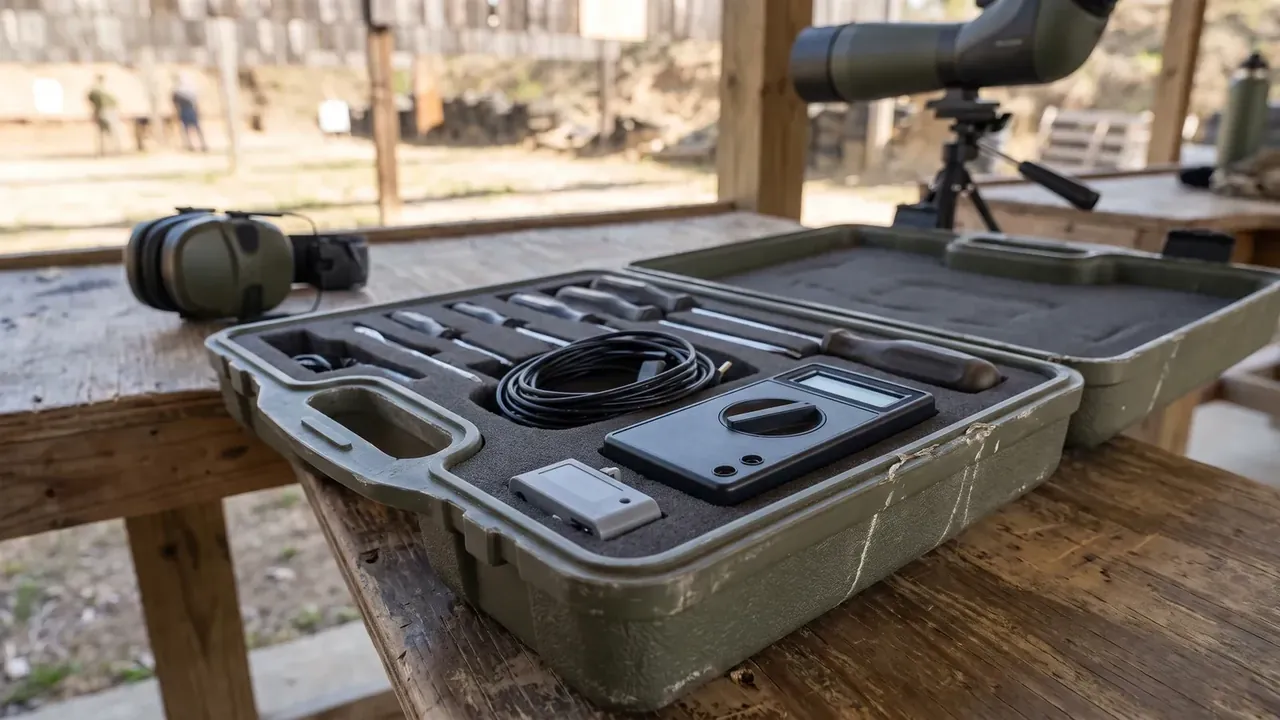
Wheels cover 32 km over 12 mm obstacles with tread wear inside 1.0 mm. The carry handle takes 40 kg for 30 minutes with residual set within 2 mm, and its four screws sit at 1.2 N·m.
| Item | Condition | Limit |
|---|---|---|
| Telescopic handle | 5000 cycles, 18 kg | Play ≤ 1.5 mm |
| Wheels | 32 km, 12 mm obstacles | Wear ≤ 1.0 mm |
| Carry handle | 40 kg, 30 min | Residual ≤ 2 mm |
5. Decision Rules and Inspection Records
Batches run by day, compound and cavity. Three units go through every class A item and one failure returns the batch; class B is sampled at level II with AQL 2.5, class C in full.
Records keep sample number, conditions and inspector. Disputes over a waterproof travel case surface months later, when the weighing sheet is the only evidence.
Conclusion
Accepting a waterproof travel case means turning one rainstorm into a handful of numbers: a feeler blade that will not enter, ten minutes of spray with dry paper, half a gram after immersion, no wobble after five thousand cycles. Those numbers tell the supplier what to change and the buyer what to reject, which is how a waterproof travel case keeps a stable floor on quality.
This article discusses only the container (case body) side of specifications and design intent, and does not cover any handling, loading or use of the contents.
Related Reading
- Travel case factory inspection: walk, drop and handle fatigue
- Carry-on luggage specifications: size, volume and weight
- How a waterproof hard case is built
- Wheeled protective case selection: wheels and handles
Related Products
- 8 Series — Gun Cases; Military Equipment Cases; Camera Equipment Cases; Drone Cases; Watch Cases; Knife Cases; First Aid Cases; Electronics Equipment Cases
- WL8-2812 PP Gun Case — model WL8-2812
- All protective cases and toolboxes: 7 series, 158 models