

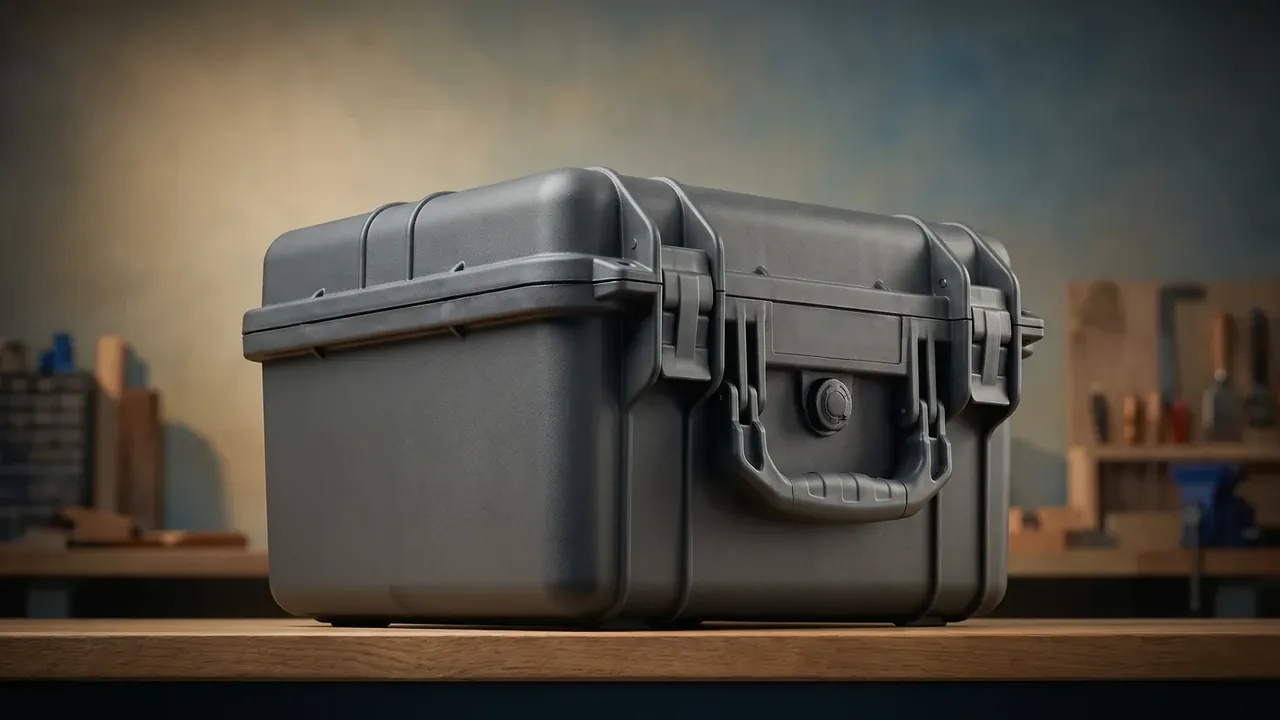
Quick answer: The difference is not a hole for a padlock but whether the lock point sits on load-bearing structure. An ordinary box has holes drilled after moulding, so a padlock only stops the lid lifting. A lockable storage box moulds seat, boss and bolt slot in one shot, with the flange still clamped by latches.
Table of contents
- What separates a lockable storage box from an ordinary one
- Lock points: from one padlock to three
- Structure: three reinforcements around the lock point
- Lock types and serviceability
- How to choose after the comparison
- FAQ
1. What separates a lockable storage box from an ordinary one
On an ordinary box the lock is two drilled holes with a padlock through both. That stops the lid lifting, not the flange being pried: the bar loads the plastic bridge, and a fifteen millimetre bridge fails early.
A lockable storage box moulds the lock point. Seat, boss and bolt slot share the flange with the latches, so force runs from lock to flange to wall over a short path, and the plastic carries compression rather than bending.
Three checks separate them: is the lock point on the latch flange line; is the wall thickened or steel-inserted; does compression still come from the latches. Let a lock press the gasket and a few cycles wear the bolt loose.
2. Lock points: from one padlock to three
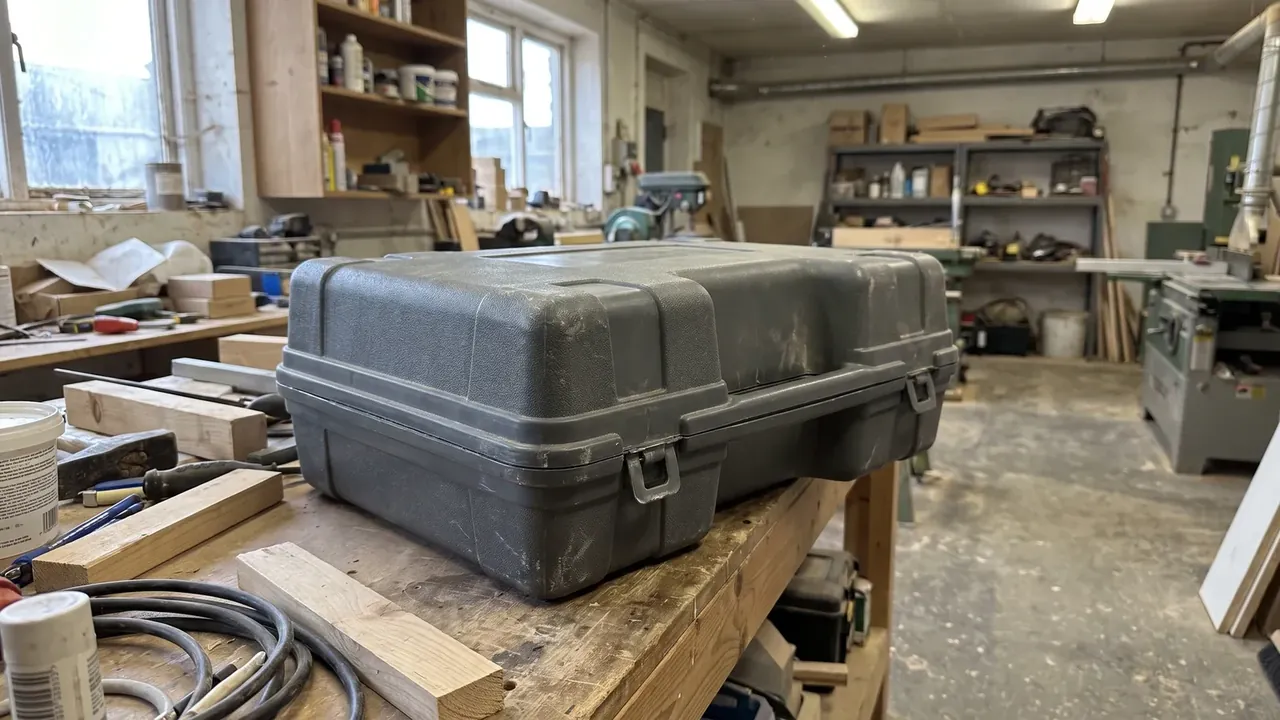
Lock point count sets the floor for pry resistance. One padlock leaves a pryable gap each side; three points split restraint between ends and middle.
Latches clamp, locks restrain. Latches take the gasket to set compression; the lock only stops lid-to-body movement. Confuse the two and the lid dishes while the gasket lifts at both ends. Spacing past a third of the long edge bulges the flange.
| Lock layout | Restraint | Load path | Fits |
|---|---|---|---|
| Single padlock | Centre of flange | Hole wall in bending | Casual theft |
| Two lock ears | Both ends | Flange into side wall | General storage |
| Three-point | Ends plus centre | Flange with ribs | High-value contents |
3. Structure: three reinforcements around the lock point
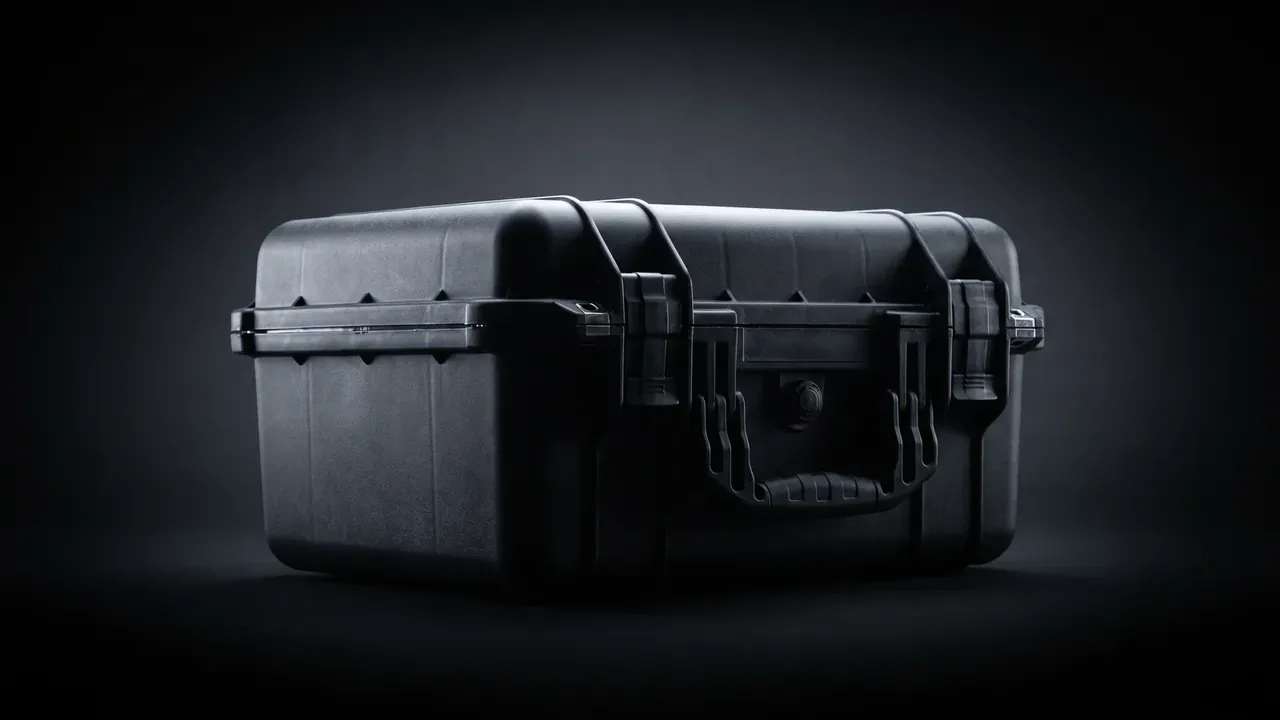
The lock seat comes first. On an ordinary box it is a thin boss that whitens then splits; a lockable storage box makes it a solid pad, wall rising from 3.4 mm to over 6 mm with a root radius.
The bolt slot comes second. Plain polymer wears oval, so the slot takes a stainless insert or a rib each side, and wear lands on metal.
The flange comes third. The lock point carries bending, so width grows from 12 mm to 18 mm with short ribs behind, compressing the gasket evenly.
| Part | Ordinary box | Lockable box | Failure mode |
|---|---|---|---|
| Lock seat | Thin boss | Solid pad with radius | Root whitening |
| Bolt slot | Plain polymer | Stainless insert | Loose bolt |
| Flange | 12 mm | 18 mm with ribs | Lifting and leaks |
4. Lock types and serviceability
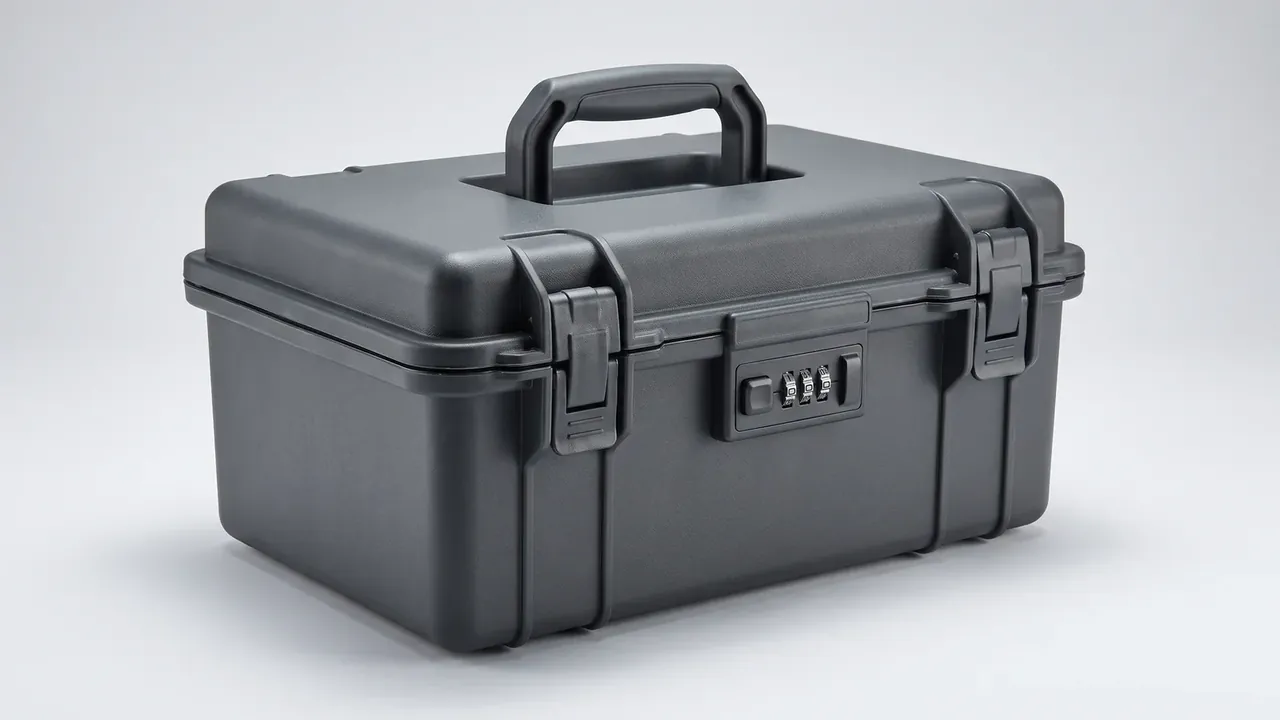
A built-in combination lock looks cleanest, but its polymer dial shaft stiffens within a year at the coast. A padlock ear is cheapest and lets you replace the lock, not the case. A steel latch sits between them, and in salt spray the core fails first.
5. How to choose after the comparison
Ask whether you are preventing a casual opening or a deliberate pry: one needs a padlock ear, the other three points and a steel slot. Ask how often it opens, since a daily inspection case wears its lock faster than a reserve case. Ask about environment, where salt spray hurts locks most and dust ruins slots. Ask whether several people need access, since a code serves a group and a key does not.
Conclusion
The difference comes down to one load path: an ordinary box makes the lock carry load alone, while a lockable storage box shares it between lock and latches across the flange. Pay for a lockable storage box whose lock points sit on load-bearing structure.
This article covers container-side specifications and design implications only, not the handling, loading or use of the contents.
Related Reading
- Custom lock options for cases
- Choosing latches and draw catches
- Outdoor case versus storage box
- Lock selection for steel military boxes
Related Products
- 8 Series — Gun Cases; Military Equipment Cases; Camera Equipment Cases; Drone Cases; Watch Cases; Knife Cases; First Aid Cases; Electronics Equipment Cases
- WL8-2812 PP Gun Case — model WL8-2812
- All protective cases and toolboxes: 7 series, 158 models