

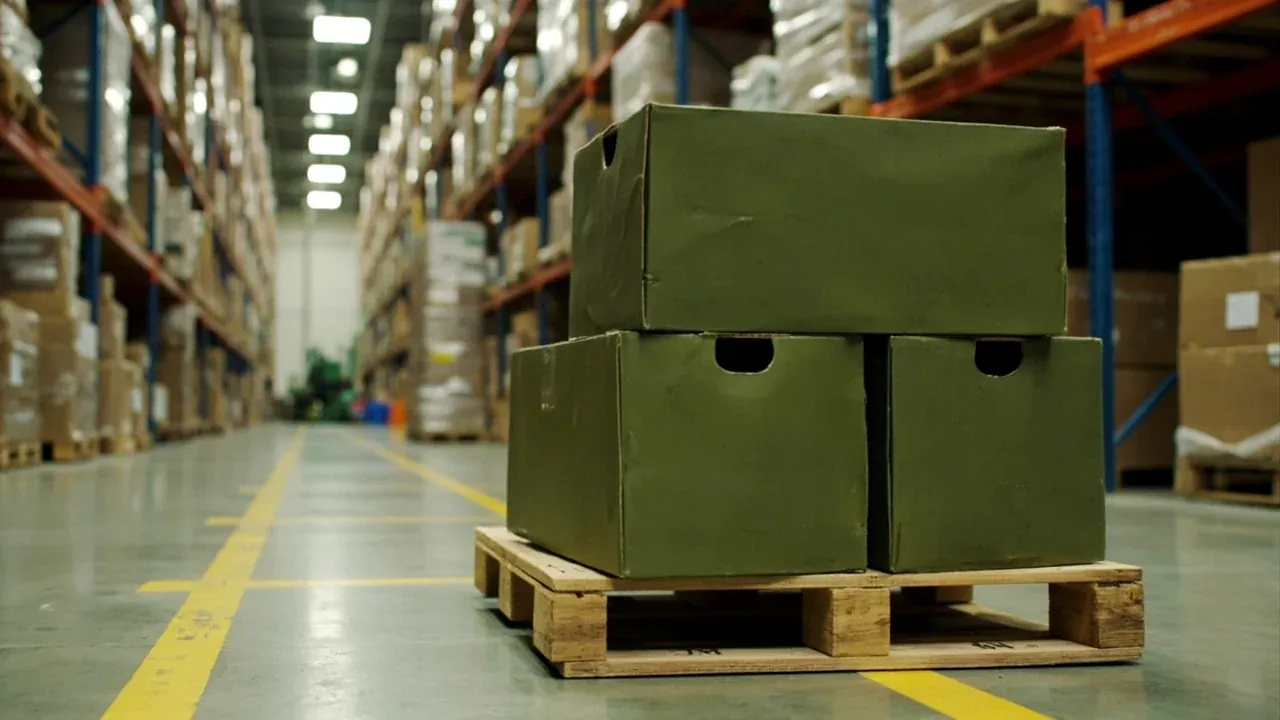
Quick answer: What a logistics support box does depends on where it sits in the three-level distribution chain: a storage and counting unit in the warehouse, an issue unit at the distribution point, an accompanying unit on field delivery. Turnover frequency drives the damage pattern, the stacking module drives handling efficiency, and the return flow drives life-cycle cost.
Table of contents
- Logistics support box roles across three distribution levels
- Turnover frequency and damage patterns
- Setting the standard stacking module
- Depot versus field delivery configuration
- Organising the return and repair flow
- FAQ
1. Logistics support box roles across three distribution levels
Three-level distribution means a central store, distribution points and field delivery, and the role of the logistics support box changes at each handover.
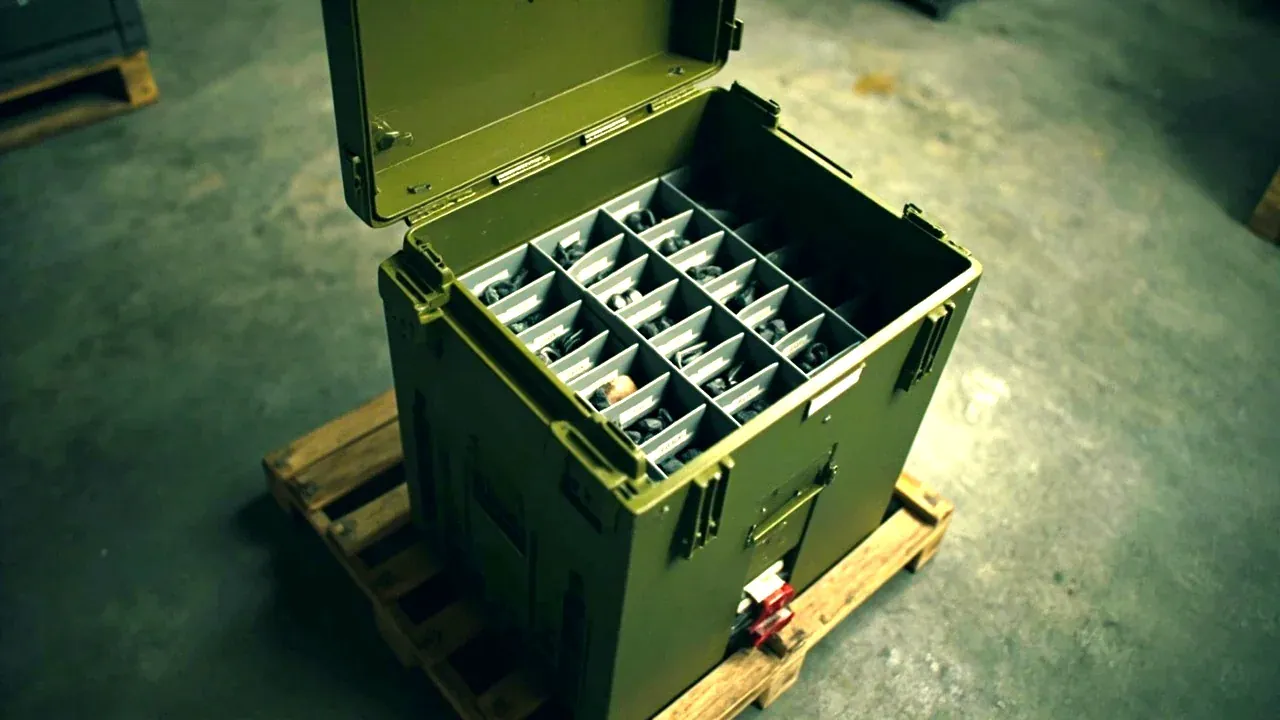
Central store: storage and counting unit. Mostly static. Boxes stack to module and shelve to bin. Counting runs per box by checking seal and number.
Distribution point: issue unit. Boxes open against an issue list and hand out in portions. Opening frequency beats the store, where foam compartments and a printed manifest pay off.
Field delivery: accompanying unit. The box travels with the support team. Rough roads, weather and short crews are the norm, so protection, quick opening and carry weight control the design.
One numbering and module system runs through all three levels.
2. Turnover frequency and damage patterns
Damage to a logistics support box is not evenly spread. It concentrates on a few hardware items and tracks turnover frequency closely.
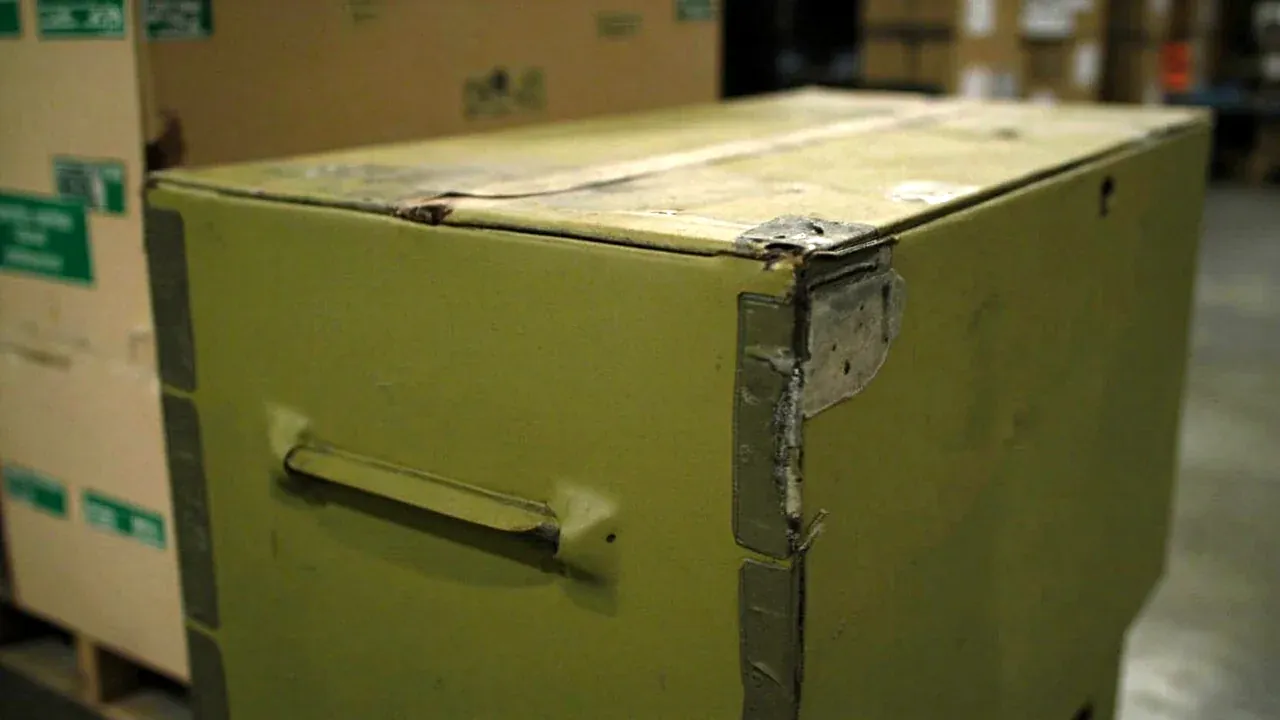
Boxes cycling fewer than fifty times a year fail mostly at rest: lids dented under stack load, paint scuffed in the bin, walls intact. Past two hundred cycles a year, handle bases tear out, latches strip, hinges sag and corner castings crack.
A practical rule: if damage clusters around corners and latches, that box ran a high-frequency loop, and budget should move from wall thickness to replaceable hardware.
3. Setting the standard stacking module
The stacking module decides whether a logistics support box can join mechanised handling: the external size must divide the pallet and vehicle module.
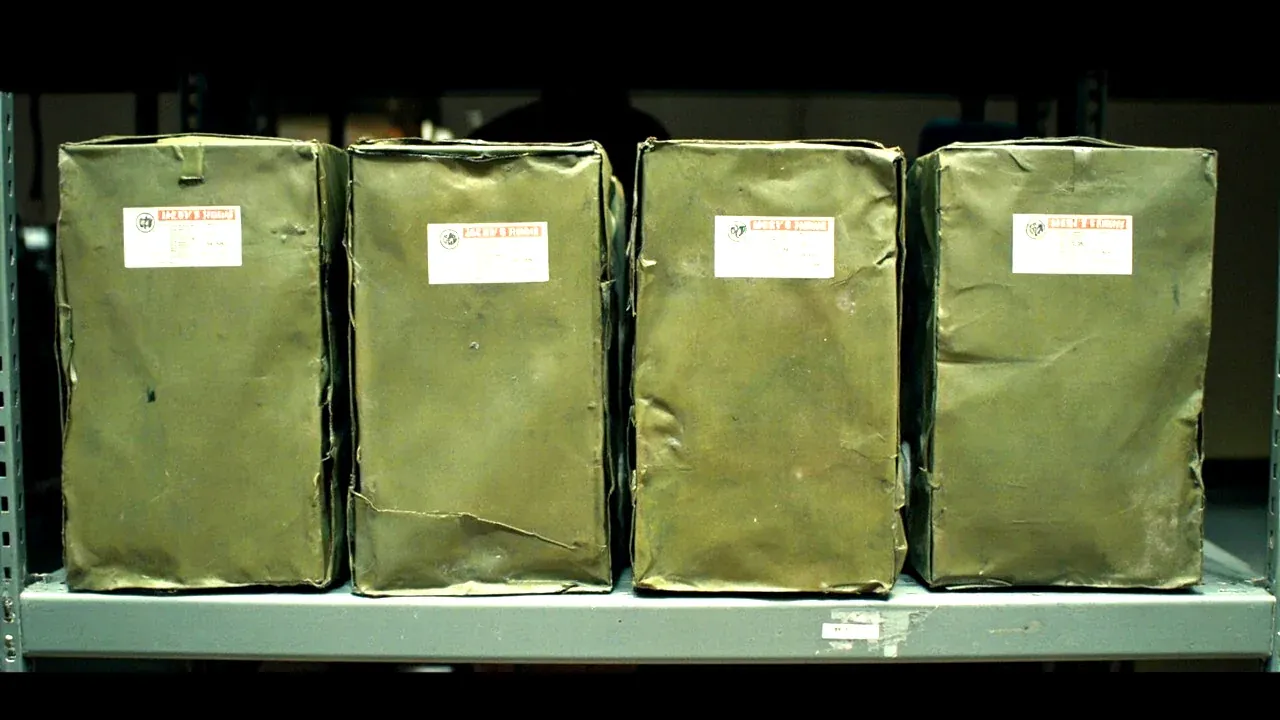
Three steps set the module:
- Fix the pallet base: derive box length and width from the main pallet so each pallet holds whole boxes;
- Fix the stack layers: set layers from rack height and stacking tests, since layers drive top-face and lower-box load;
- Fix the label rule: labels on the same side at the same height, facing one way, so scanning never turns a box around.
4. Depot versus field delivery configuration
The same logistics support box for a distribution point or for field delivery ends up with almost opposite priorities.
| Dimension | Distribution point | Field delivery |
|---|---|---|
| Main load | Static shelving | Vehicle vibration |
| Opening rate | Several times a day | Once per mission |
| Key hardware | Label recess, stacking face | Cushion liner, quick latch |
| Handling | Pallet truck, forklift | One-person carry |
At a distribution point, a logistics support box needs a solid label recess and stacking face; the field version adds a cushion liner, quick latches, and one-person carry weight. Sharing stock is the common mismatch.
5. Organising the return and repair flow
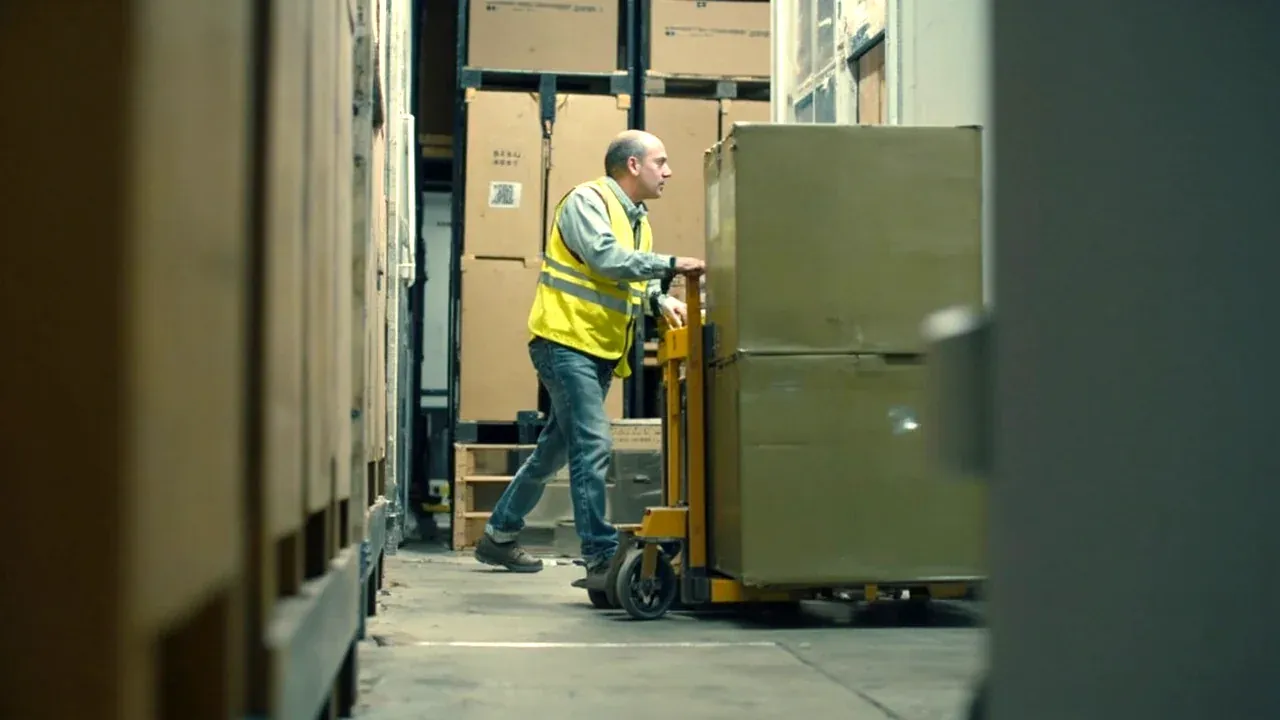
Empty-box return is the dividing line in life-cycle cost: without a return flow, boxes are consumables; with one, they are assets.
Three design points for the return flow:
- Return route: empty boxes ride the return leg of the delivery run and collect at the distribution point;
- Triage on arrival: hardware-serviceable boxes return to stock after part swaps, wall damage goes to repair, write-offs are retired;
- Repair-replace balance: when one repair costs more than a third of a new box, replacing wins; replaceable wear parts push the break-even later.
Conclusion
Application design for the logistics support box comes down to three things: role by node, durability by frequency, and handling by module. What ties the levels together is the numbering rule and the stacking module. Get those under control and the logistics support box becomes a standard unit.
The scope here is the container (case body) alone: its geometry, structure and configuration. Nothing about how items inside are handled, loaded or used falls within it.
Related Reading
- Military supply transport cases in support systems
- Selecting a military supply transport case
- Military Rotomolded Case: Adapting Rotationally Molded Cas…
- Storage and transport cases for warehouse links
Related Products
- 8 Series — Gun Cases; Military Equipment Cases; Camera Equipment Cases; Drone Cases; Watch Cases; Knife Cases; First Aid Cases; Electronics Equipment Cases
- WL8-2812 PP Gun Case — model WL8-2812
- All protective cases and toolboxes: 7 series, 158 models