

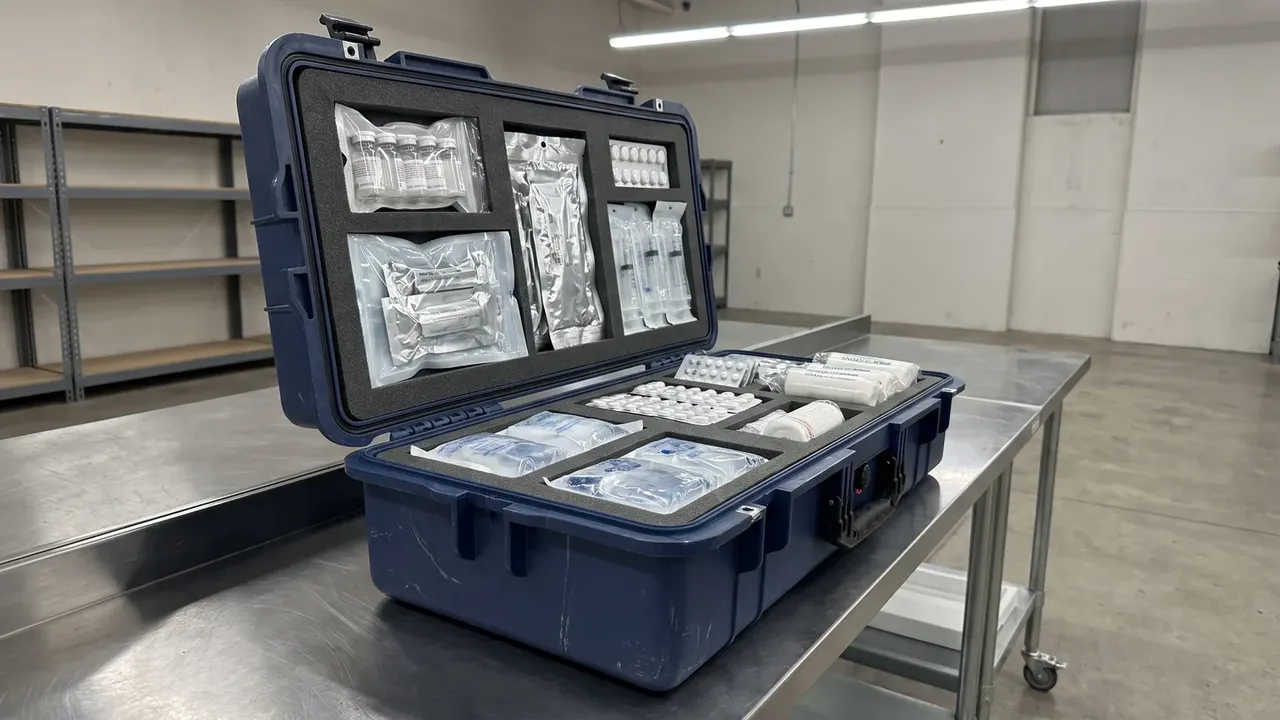
Quick answer: A logistics support box competes with steel bins, cartons, wooden crates and soft bags on five measures: tare, stack layers, life, cost per trip and repairability. It wins on protection and repair, loses on first cost and return volume.
Table of contents
- Where a logistics support box sits among four alternatives
- Tare weight and volume efficiency
- Stack layers and storage density
- Service life, cost per trip and repairability
- When a logistics support box is the wrong choice
- FAQ
1. Where a logistics support box sits among four alternatives
The five options do not solve the same problem: a carton moves goods from A to B, a returnable case brings them back in recognisable condition thirty times a year.
| Option | Trips | Strength | Weakness |
|---|---|---|---|
| Logistics support box | 800 to 1,000 | Protection, stacking | High first cost |
| Steel bin | 1,500 to 2,000 | Stiffness, puncture | Heavy, needs coating |
| Corrugated carton | One | Light, cheap | Moisture, no stacking |
| Wooden crate | One to three | Compression | Heavy, fumigation |
| Soft bag | 20 to 40 | Folds flat | No stacking |
Weighing case protection against carton price is a category error.
2. Tare weight and volume efficiency
At 60 litres: 6.8 kg for a logistics support box, 12.5 kg steel, 9.4 kg wood, 1.2 kg carton, 0.9 kg bag.
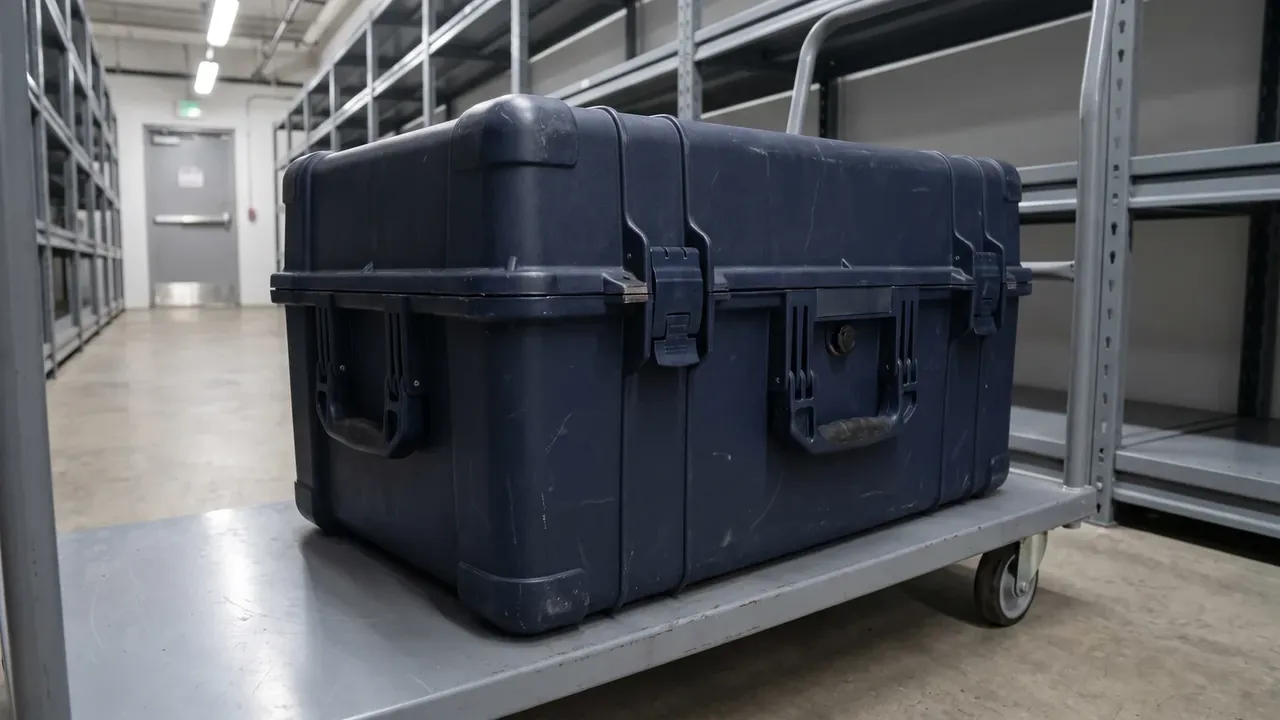
Tare matters as a share of payload. With 25 kg inside, the case adds 27 per cent and steel 50, so a carrier lifts half a box more every trip. Air freight bills gross weight, which sharpens it.
A nominal 60 litre case gives up 57 litres to radii, ribs and dividers; steel is straight-walled at 59, a carton uses all 60. Five per cent buys protection.
3. Stack layers and storage density
On one rack they stack differently: five layers for the case, four for steel, three for a carton, two for wood, one for a bag.
Steel stacks lower than plastic because of its welds: thin sheet buckles at the weld zone, the side bows by the fifth layer and the lid will not seat.
Cartons need a discount: at 85 per cent humidity for 48 hours, compressive strength falls 40 per cent, so three high runs as two high.
| Option | Layers | Palletisable | Units per cubic metre | Return ratio |
|---|---|---|---|---|
| Plastic case | Five | Yes | 18 | 1.0 |
| Steel bin | Four | Yes | 16 | 0.95 |
| Corrugated carton | Three | Edge boards | 34 | None |
| Wooden crate | Two | Sling only | 9 | 0.8 |
Cartons lead on density but drop out of the return column, so the advantage holds only one way.
4. Service life, cost per trip and repairability
Life runs seven years and 1,000 trips for the case, twelve years and 2,000 for steel with annual recoating, one to three trips for wood.
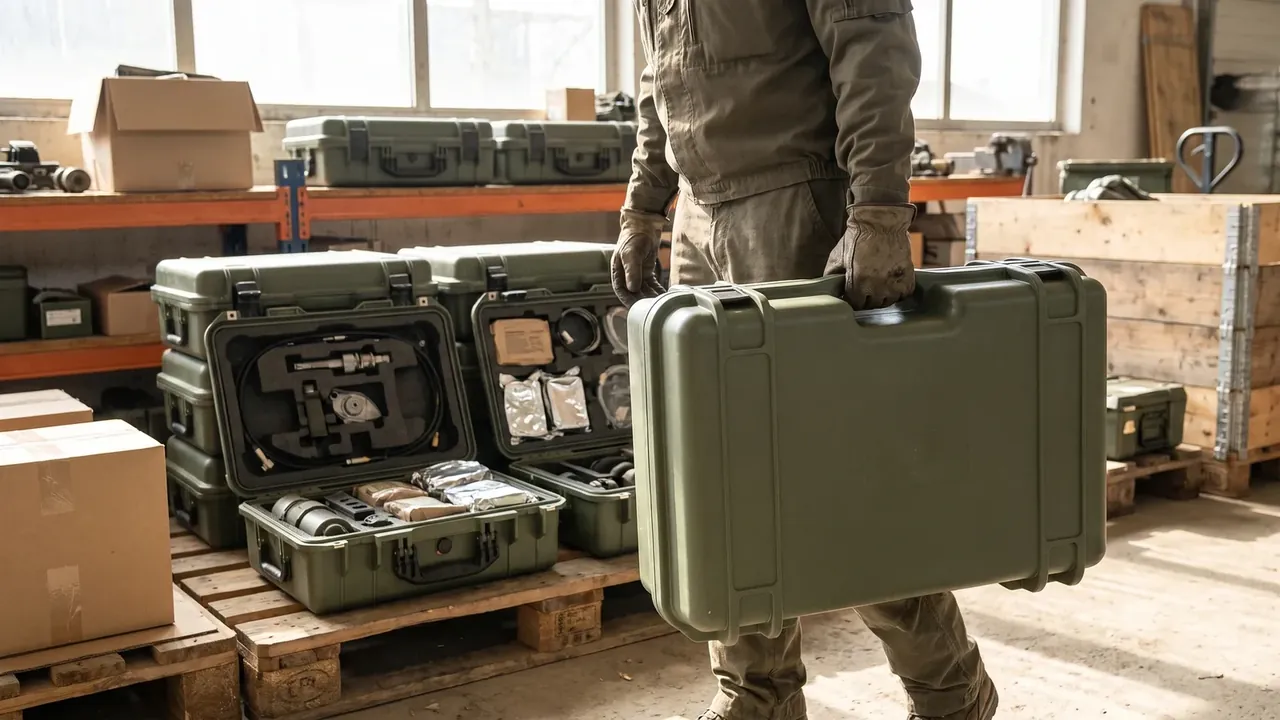
Cost per trip spreads price across trips and adds repair and return. Indexed at 100: steel 96, bag 180, carton 310, crate 420. Steel loses on tare and coating.
Repair divides them: a latch on a logistics support box swaps in 0.3 hours with no tools, a steel bin needs welding at 2.5 hours under a permit, a crate is re-nailed in 0.8 hours.
| Measure | Plastic case | Steel bin | Carton | Wooden crate |
|---|---|---|---|---|
| Tare at 60 litres | 6.8 kg | 12.5 kg | 1.2 kg | 9.4 kg |
| Design life | 7 years | 12 years | One trip | 1 to 3 trips |
| Cost per trip index | 100 | 96 | 310 | 420 |
5. When a logistics support box is the wrong choice
One-way shipment comes first: with no return flow, a returnable case leaves an asset in someone else's warehouse.
A heavy single item is second: above 80 kg the handling advantage disappears, and a steel bin on a sling is steadier.
Extreme cold is third: standard polyethylene loses toughness near minus 40 °C, so a cold-modified grade is needed.
Short-cycle work is fourth: below five trips, cost per trip runs twice a carton's and repair goes unused.
Conclusion
It ends not in better overall but in cheaper where goods return, need protection and must stack. The case loses to cartons on tare, narrowly to steel on cost and on density, yet wins on repair and return. Fix trips, return flow and item weight first, then decide whether a logistics support box belongs in the fleet.
This article discusses only the container (case body) side of specifications and design intent, and does not cover any handling, loading or use of the contents.
Related Reading
- Logistics support box applications in depots and field delivery
- Logistics support box selection: volume, load and handling
- Reusable shipping containers against single-trip packaging
- Military supply case structure and process points
Related Products
- 8 Series — Gun Cases; Military Equipment Cases; Camera Equipment Cases; Drone Cases; Watch Cases; Knife Cases; First Aid Cases; Electronics Equipment Cases
- WL8-2812 PP Gun Case — model WL8-2812
- All protective cases and toolboxes: 7 series, 158 models