

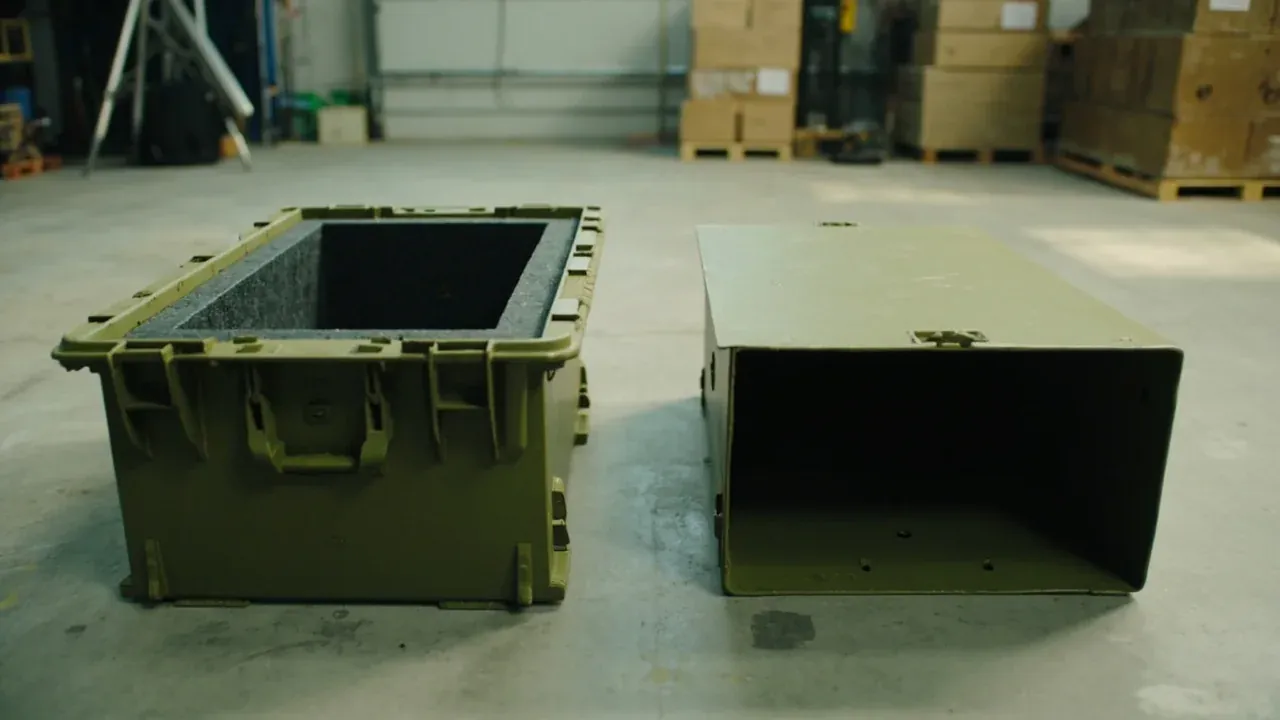
Quick answer: Selecting a logistics support box does not start from a catalogue of box types; it works back from three use conditions. Expected turnover cycles set liner form and latch durability. Stacking layers set top-face geometry and load structure. The return flow decides which parts are made replaceable. Ask the three questions first, compare prices second.
Table of contents
- Logistics support box selection: three premises first
- Turnover cycles: liner and latches
- Stacking layers: top-face geometry
- Return flow: repairability
- Three premises as one checklist
- FAQ
1. Logistics support box selection: three premises first
Forward selection browses box types and picks one that looks right for a logistics support box. Backward selection settles the use conditions first. The difference is whether every parameter has a source.
Each premise answers one question:
- Turnover cycles set service life and opening count, driving liner and latch choice;
- Stacking layers set static load, driving top-face geometry and load structure;
- Return flow decides where a broken box goes and which parts are replaceable.
2. Turnover cycles: liner and latches
Turnover is the hardest premise for a logistics support box: it converts into opening and vibration cycles.
| Annual cycles | Latches and hinges | Liner form |
|---|---|---|
| Under 50 | Standard draw latch | Full-cavity foam |
| 50 to 200 | Reinforced catch, metal hinge | Divider grid |
| Over 200 | Heavy-duty catch, replaceable lock | Replaceable folded liner |
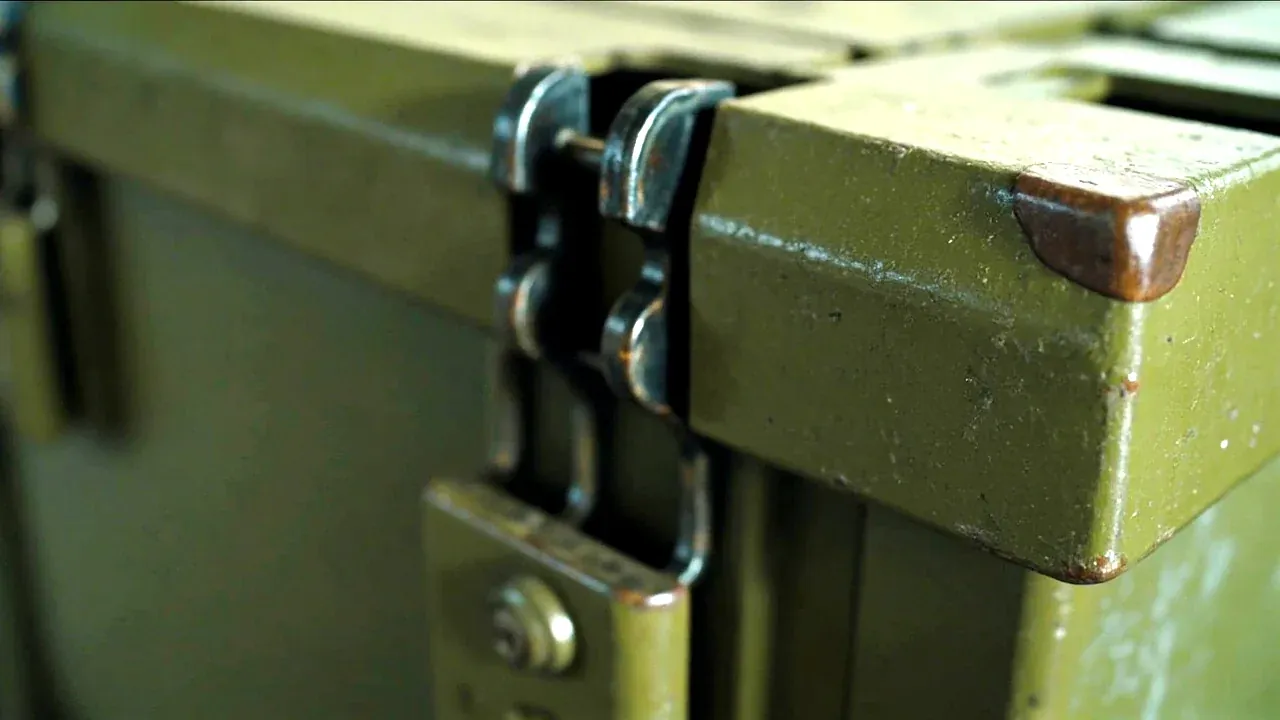
Under high turnover the logistics support box fails first at latches and handles, not wall panels. Budget moves from wall thickness to replaceable hardware; low-frequency boxes dent under static load instead.
3. Stacking layers: top-face geometry
Stacking layers set the static load on the top face, and so its geometry.
A flat top is fine up to two layers. Beyond three, the top face needs moulded recesses or load ribs so weight travels down the corner posts, not the lid centre.
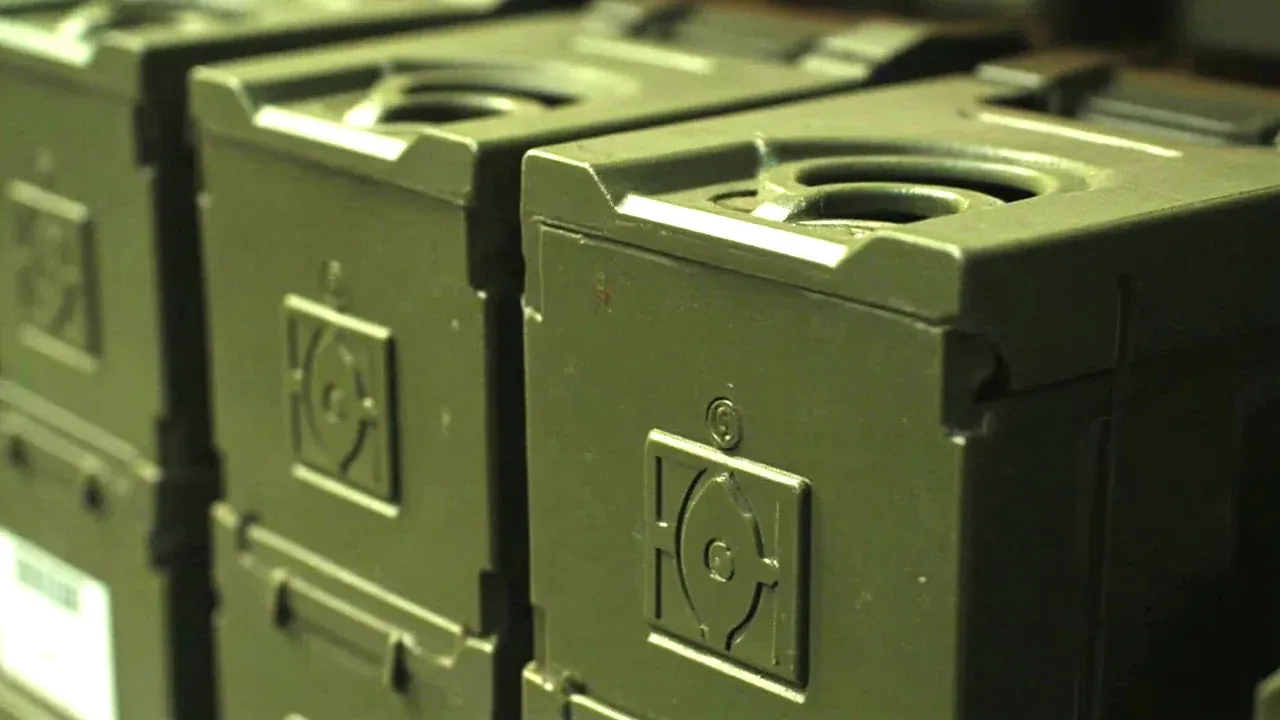
Layer count maps to top-face geometry:
- Up to two layers: a flat top with load ribs is enough;
- Three to five layers: shallow recesses or locating ribs, plus wall ribs;
- Beyond five layers: mating locating structures top and bottom, test data in the agreement.
To judge a stock logistics support box, compare accumulated static load on the bottom box with the marked stacking load. When the first exceeds the second, layers come down.
4. Return flow: repairability
The return flow answers where a broken logistics support box goes and who repairs it. It never shows in a parameter table, yet it drives life-cycle cost.
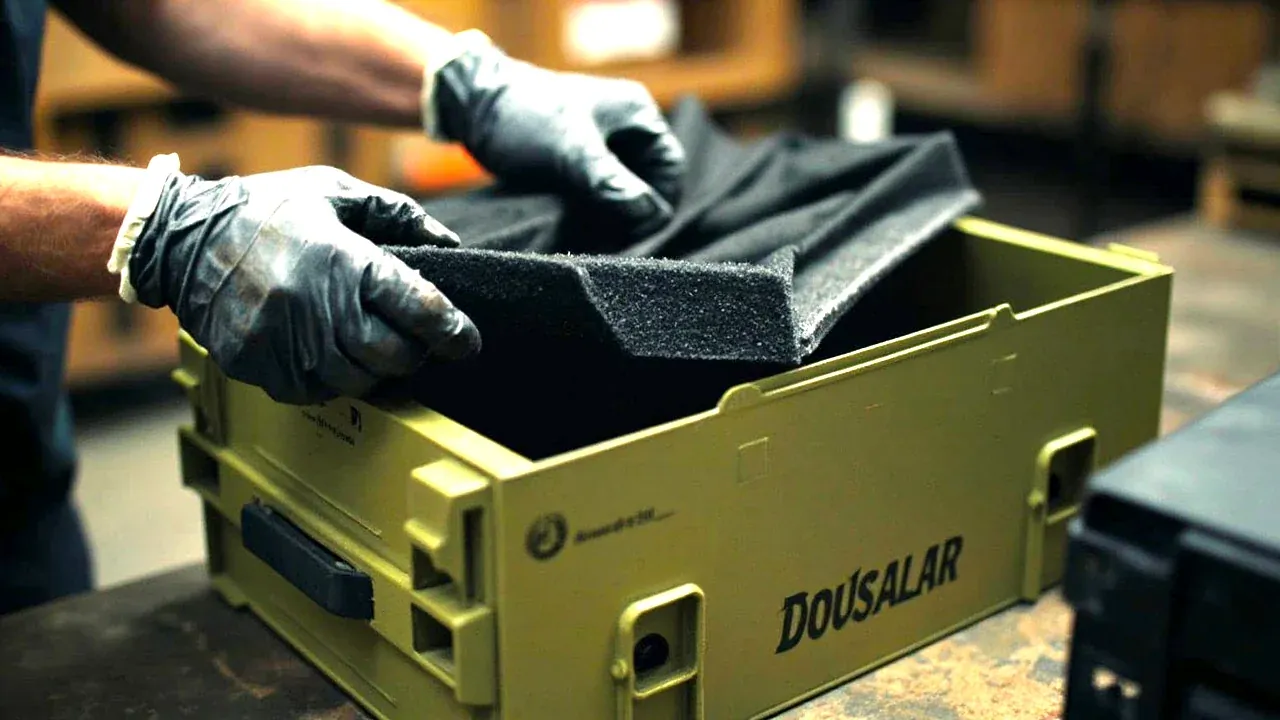
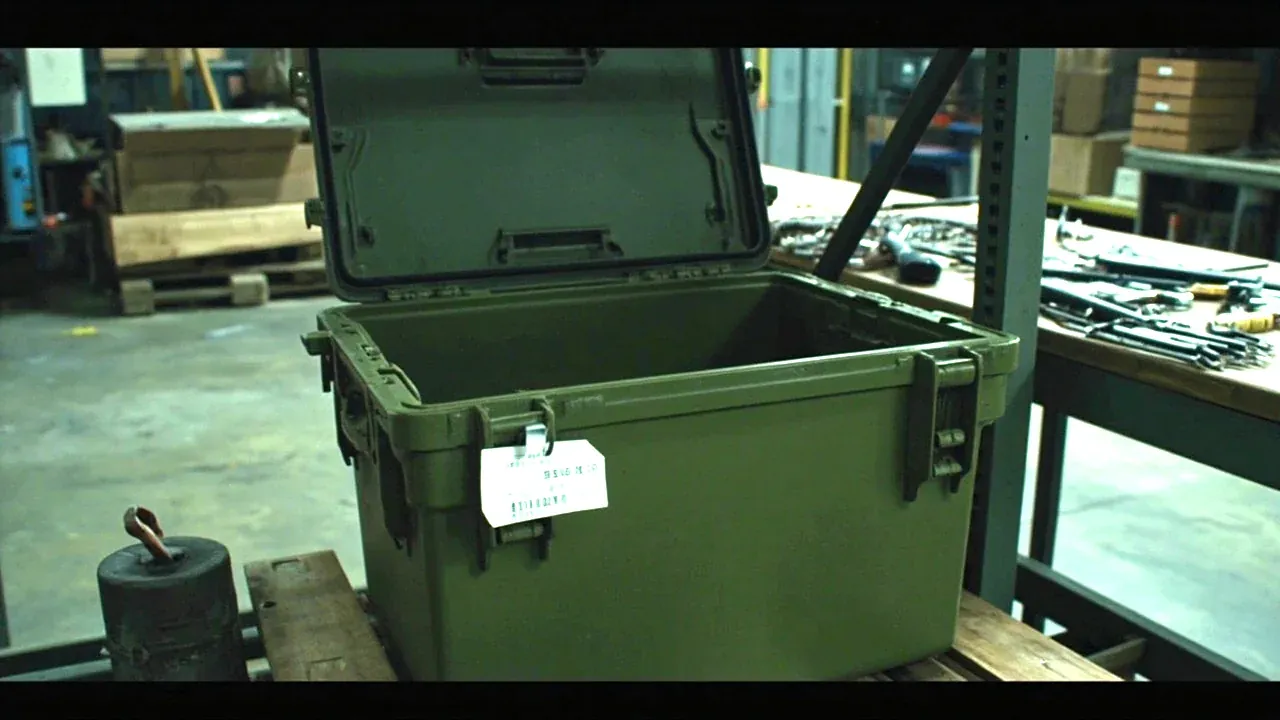
Without a return flow, a broken latch retires the whole logistics support box; with one, it is swapped. The difference is whether wear parts were designed as replaceable at selection time, and how many steps strip the box to hardware level:
- Latches and hinges: independent replaceable parts on common fasteners;
- Handle bases: riveted, not welded, so damage can be re-riveted;
- Liners: folded or divider liners replaced as a unit.
5. Three premises as one checklist
The three premises end up as one checklist for every logistics support box enquiry.
- Turnover cycles backed by history, latches and liner by grade
- Stacking layers from rack height and stacking tests
- Return flow clear to the repair point, wear parts replaceable
- Loaded weight matched to handling method, field delivery separate
- External size divides the main pallet, box count whole
- Stacking load supported by test data, in the technical agreement
With all six filled in, cavity, liner, hardware and price quote in one pass.
Conclusion
The order in logistics support box selection is turnover cycles first, stacking layers second, return flow third — landing on liner and latch choice, top-face geometry and repairability. Reversing it exposes rework after sampling. Write the premises into the checklist before comparing prices, and every parameter of the logistics support box has a source.
The scope here is the container (case body) alone: its geometry, structure and configuration. Nothing about how items inside are handled, loaded or used falls within it.
Related Reading
- Selecting a military supply transport case
- How to Choose a Military Firearm Case: Four Hard Metrics —…
- Military Equipment Boxes & Tactical Gear Boxes: Police/Mil…
- Military Rotomolded Case: Adapting Rotationally Molded Cas…
Related Products
- 8 Series — Gun Cases; Military Equipment Cases; Camera Equipment Cases; Drone Cases; Watch Cases; Knife Cases; First Aid Cases; Electronics Equipment Cases
- WL8-2812 PP Gun Case — model WL8-2812
- All protective cases and toolboxes: 7 series, 158 models