

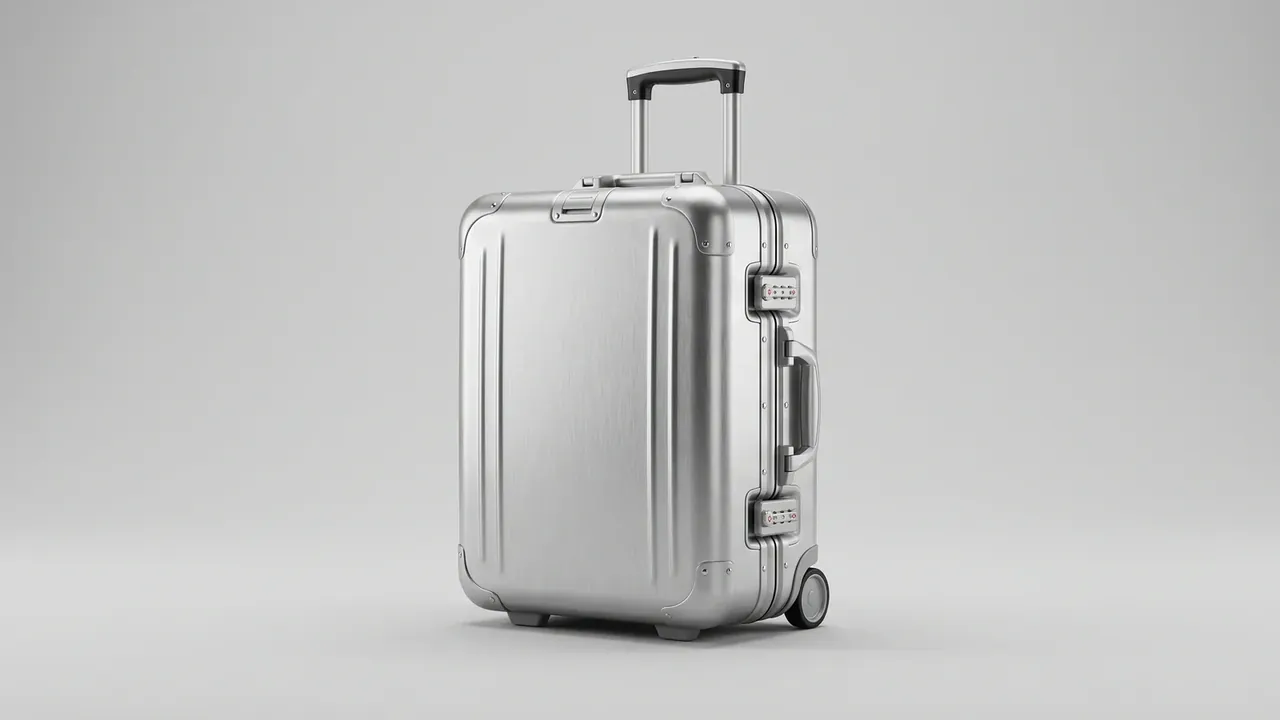
Quick answer: Judge a Long Weapon Case by opening the clause book before touching a sample. Clear cavity length runs between the two farthest support faces and holds to 2 mm, the second digit of an IEC 60529 rating is what seals, and a drop claim needs a MIL-STD-810H method number with an axis duration. Three checks take half an hour; the fourth is latch torque.
Table of contents
- The First Test Is Clear Cavity Length
- Sealing: How to Read Two Digits
- Drop and Vibration: What a Method Number Buys
- Latches and Handles: Torque and Cycles
- Scoring Four Measurable Items
- FAQ
1. The First Test Is Clear Cavity Length
The first move is a tape measure inside the cavity. Clear length is the distance between the two farthest support faces, excluding wall, ribs and guards. One mould can produce shells that differ by 40 mm here, and a quote listing only outer length hides that gap.
Measure with a batten at one face and a tape at the other, smallest of three readings; a 1 mm spread means the end face is no longer flat. Hold plus or minus 2 mm, since rotomoulded parts shrink as they cool.
| Item | On site | Fail signal |
|---|---|---|
| Clear length | batten and tape, smallest of three | over 2 mm off |
| End face | 0.5 mm feeler gauge | gauge slides through |
2. Sealing: How to Read Two Digits
In IEC 60529 the first digit covers dust and the second covers water: IP65 is a jet wash, IP67 is one metre for thirty minutes. Samples marked IP67 that only survive IP54 are common; the shortfall sits at corner transitions and latch spacing.
One sheet of A4 is enough: close the lid and draw the paper out every 200 mm around the perimeter; four or more easy pulls mean compression is short there. Gaskets are designed for 25 to 30 percent squeeze; past half they take a set, so the second closure seals worse. Then repeat both checks at minus 20 and 55 degrees Celsius.
3. Drop and Vibration: What a Method Number Buys
A method number turns a standard into an action someone can repeat. A contract saying the case passed MIL-STD-810H cannot be inspected: nobody knows which test runs or what counts as failure.
- Method 516.8, drop: 1.2 m, twenty-six drops across corners, edges and faces; no through-crack afterwards.
- Method 514.8, vibration: sixty minutes per axis; the fixture must be stiffer than the case.
- Method 509.7, salt fog: forty-eight hours neutral, judged on hardware and inserts only.
- Method 501.7, temperature: four hours at minus 20 and at 55 degrees Celsius, lid shut.
Pick by transport mode: air freight for vibration, sea freight for salt fog, road haulage for drop. Most disputes over a Long Weapon Case trace to a standard quoted without a method.
4. Latches and Handles: Torque and Cycles
Latches carry pressure, handles carry weight, and checking both at once hides defects. Ask for the torque on the draw latch adjuster: 2.5 N·m is a common start, and past 3.5 N·m the clamp load crushes the gasket.
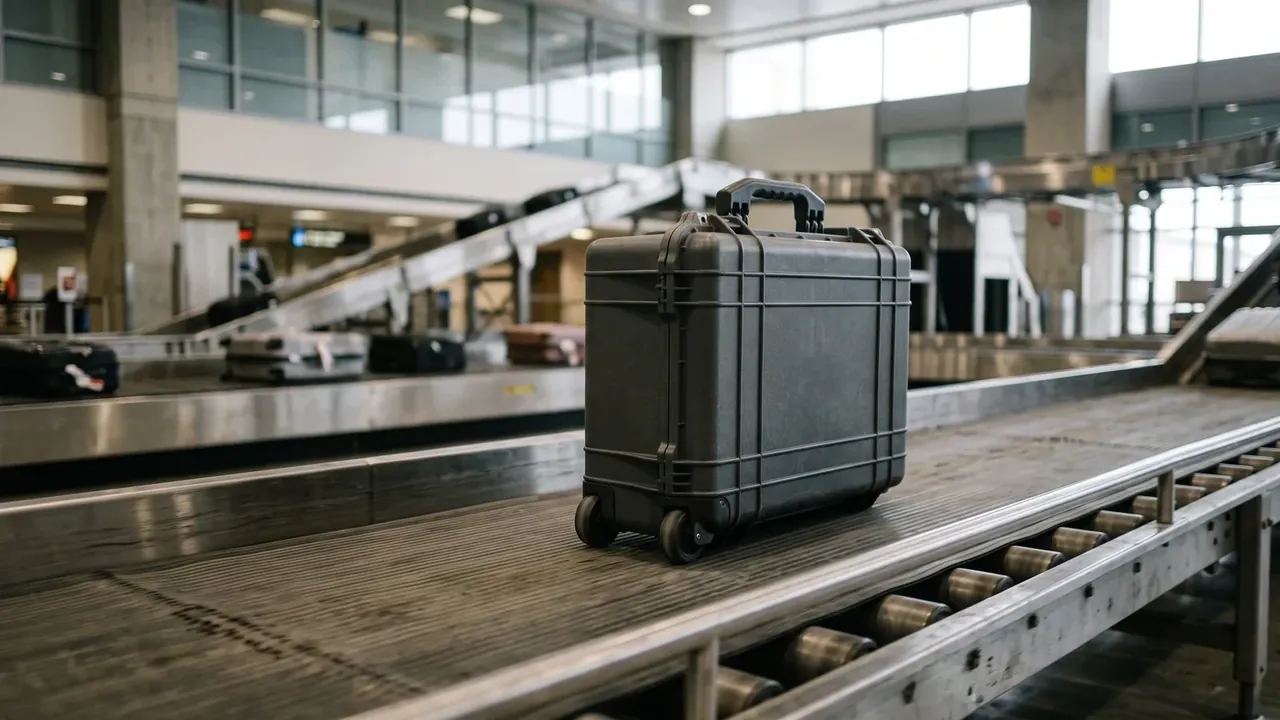
Load the handle at twice the working weight. A 45 kg build hangs 90 kg for ten minutes; movement past 0.5 mm at the handle root means an insert is pulling out. Hinge cycles are the other line, 5,000 openings being a fair floor.
5. Scoring Four Measurable Items
| Item | Weight | Full marks | Deduction |
|---|---|---|---|
| Clear length | 30 | within 2 mm | 5 points per extra mm |
| Sealing | 25 | no paper-test leaks at both temperatures | 6 points per leak |
| Drop and vibration | 25 | method numbers plus a third-party report | 10 points for a verdict alone |
| Latches and handles | 20 | 2.5 N·m torque, no residual set | 8 points without a torque record |
Eighty is the acceptance line; below seventy, discuss design, not price. The spread in Long Weapon Case quotations sits in wall thickness, gasket and hardware.
Conclusion
Selection means swapping adjectives for method numbers. Read clear length inside the cavity and hold it to 2 mm, decode the second digit of an IEC 60529 rating, tie drop and vibration claims to MIL-STD-810H methods, and close out latches and handles with torque and cycle counts. Four records on one page make the gap between suppliers visible without trusting how a sample feels. Filed with its clause numbers, that is what makes a Long Weapon Case comparable.
This article discusses only the container (case body) side of specifications and design intent, and does not cover any handling, loading or use of the contents.
Related Reading
- What a Long Weapon Case is: cavity length, support and carry
- Long Weapon Case versus a general-purpose long case
- Gun case selection: six on-site judgements
- Visiting a showroom: gauges, questions and records
Related Products
- 8 Series — Gun Cases; Military Equipment Cases; Camera Equipment Cases; Drone Cases; Watch Cases; Knife Cases; First Aid Cases; Electronics Equipment Cases
- WL8-2812 PP Gun Case — model WL8-2812
- All protective cases and toolboxes: 7 series, 158 models