

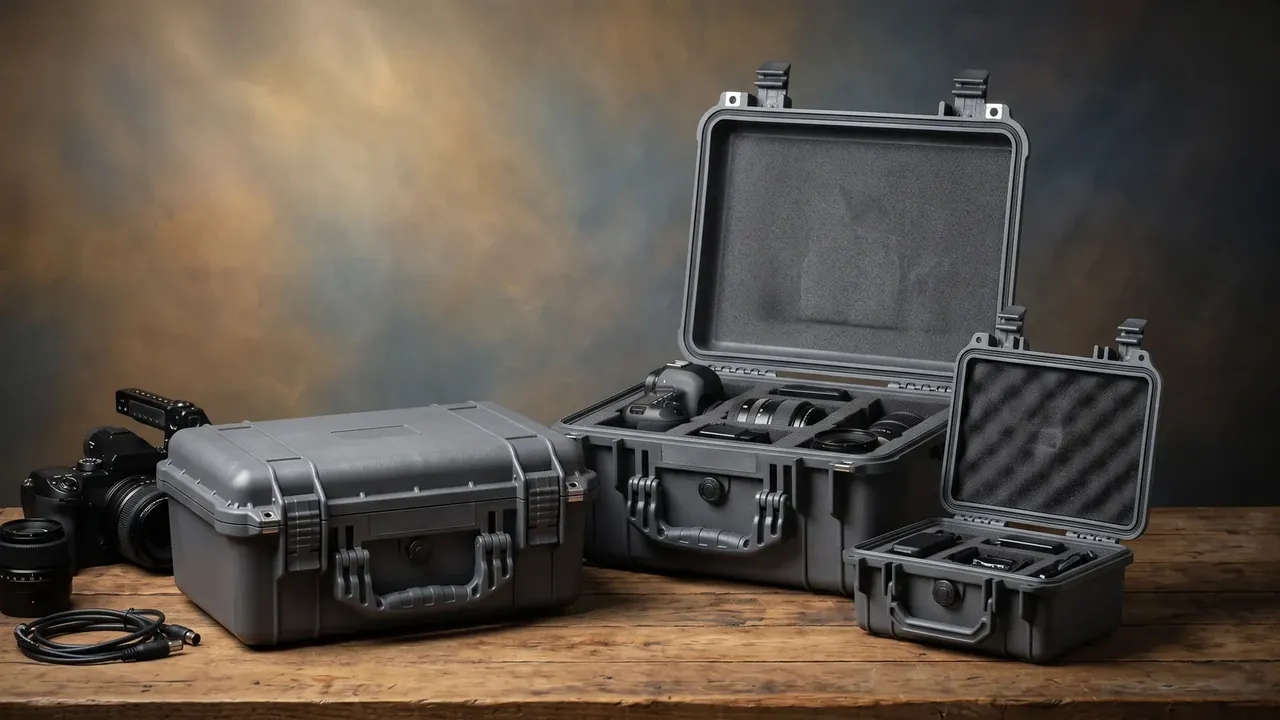
Quick answer: Acceptance of a Long Weapon Case starts with three documents, not a look at the shell: then five measurements, written limits, three dispositions.
Table of contents
- Start with documents, not appearance
- Five measurements and how to read them
- Where the limits can move
- Concession, rework or reject
- FAQ
1. Start with documents, not appearance
Most inspections stall on colour and scratches. Both matter, neither comes first: paperwork decides what every later number should be.
Three sets: the drawing, with datum, wall tolerance, nine points and hinge coordinates; the signed first article, with its date and changes; the material record, with grade, batch and oven curve.
When the three disagree, no measuring saves the batch: a signed sample with an extra rib against an unchanged drawing splits the line and the inspector.
Let the case settle: a fresh body sits above forty degrees and measures oversize, so hold it at 23 °C plus or minus 2 °C for four hours.
| Item | Reference | Tool | Limit |
|---|---|---|---|
| Cavity length | drawing datum | tape and square | within 3 mm |
| Nine wall points | tolerance band | ultrasonic gauge | 4.0 mm plus or minus 0.4 |
| Flatness | surface plate | feeler gauge | 2 mm max |
| Seal | pressure hold | vacuum gauge | minus 20 kPa for 60 s, drop under 1 kPa |
| Latch cycling | repeat use | hand and timer | 500 cycles, no bind |
2. Five measurements and how to read them
The five need no laboratory: tape, feeler, thickness gauge, force gauge.
- Cavity length between the furthest supporting faces, both sides, averaged
- Wall at nine points, three readings each, median taken, gauge zeroed first
- Flatness with the lid closed on a plate, feeler along the long side
- Offset with a straight edge on both faces, the larger figure counting
- Latch force on the tongue, between 80 and 120 N
Read a wall at the edge with a caliper and you measure the flange. Read flatness with the case loaded and the lid sits flat, hiding the error.
Sealing is where inspections turn theatrical. A vacuum hold beats pouring water: minus 20 kPa, sixty seconds, less than 1 kPa lost. A big drop with no visible leak usually means the Long Weapon Case latches were closed in the wrong order.
3. Where the limits can move
Split the limits into negotiable and fixed, or everything becomes negotiable.
Fixed: wall below the lower tolerance, any structural crack, a failed pressure hold. Each decides whether the body survives a trip.
Negotiable: colour and finish. Half a point of masterbatch is visible and harmless, so it passes as a concession with a price adjustment.
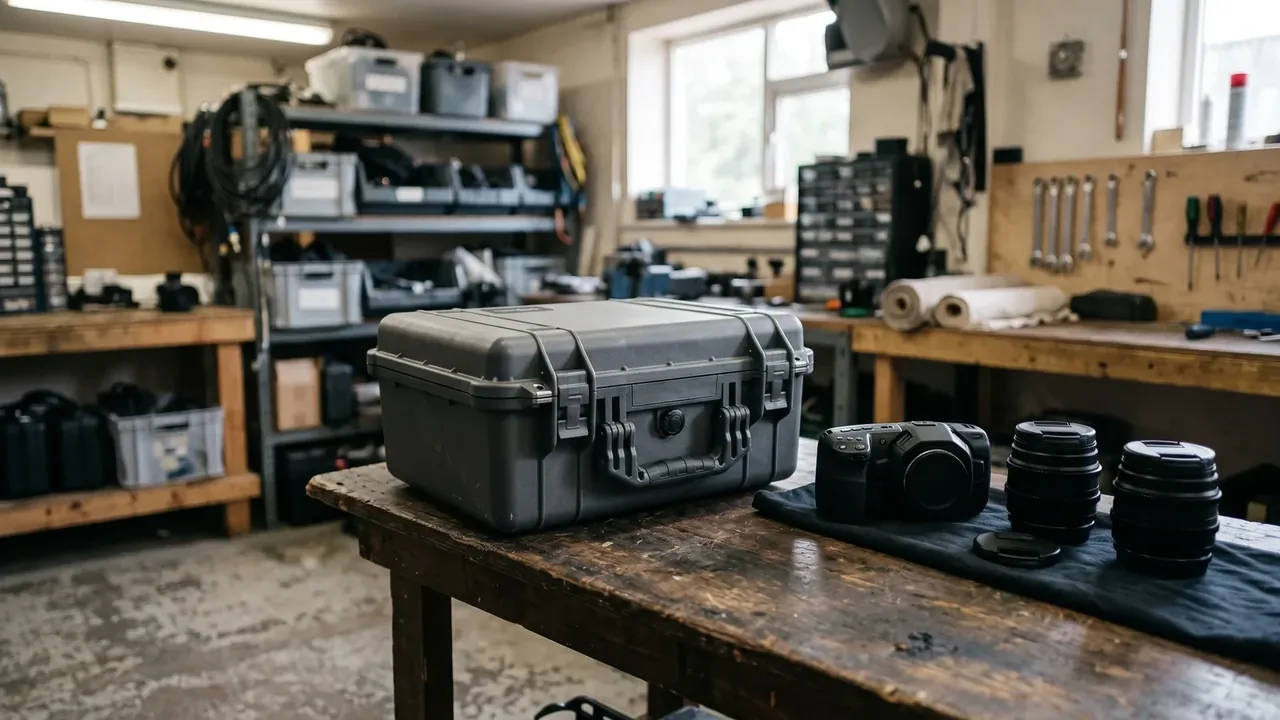
Environmental and strength tests run by batch: minus 25 °C and plus 60 °C for four hours each, thirty minutes of rain, ninety-six hours of salt spray, 500 kg stacked for a day, a 1.1 m corner drop.
| Test | Condition | Pass |
|---|---|---|
| Hot and cold | minus 25 °C and plus 60 °C, 4 h each | no crack, no set, latches work |
| Rain | 30 minutes | no water marks inside |
| Salt spray | 96 hours | no red rust, no blistering |
| Stacking | 500 kg for 24 hours | sag 3 mm max, recovers |
| Drop | 1.1 m on a corner, three faces | no through crack, hold passes |
Under two hundred units, sample eight for dimensions and two for tests, and put figures on the sheet, not the words meets requirements.
4. Concession, rework or reject
Only three dispositions exist for a Long Weapon Case, and the wrong one doubles the cost later.
Concession covers deviations that do not affect protection: colour, light flow marks, a label two millimetres off. It needs a signature, a price cut, an expiry date.
Rework covers replaceable failures: a loose latch, a flattened gasket, lifting liner. Retest the matching item, so a new latch means latch force and pressure hold again.
Reject covers structural faults: wall under the limit, a through crack, a mis-cut groove. A seal works as a closed loop, so a local repair only moves the leak.
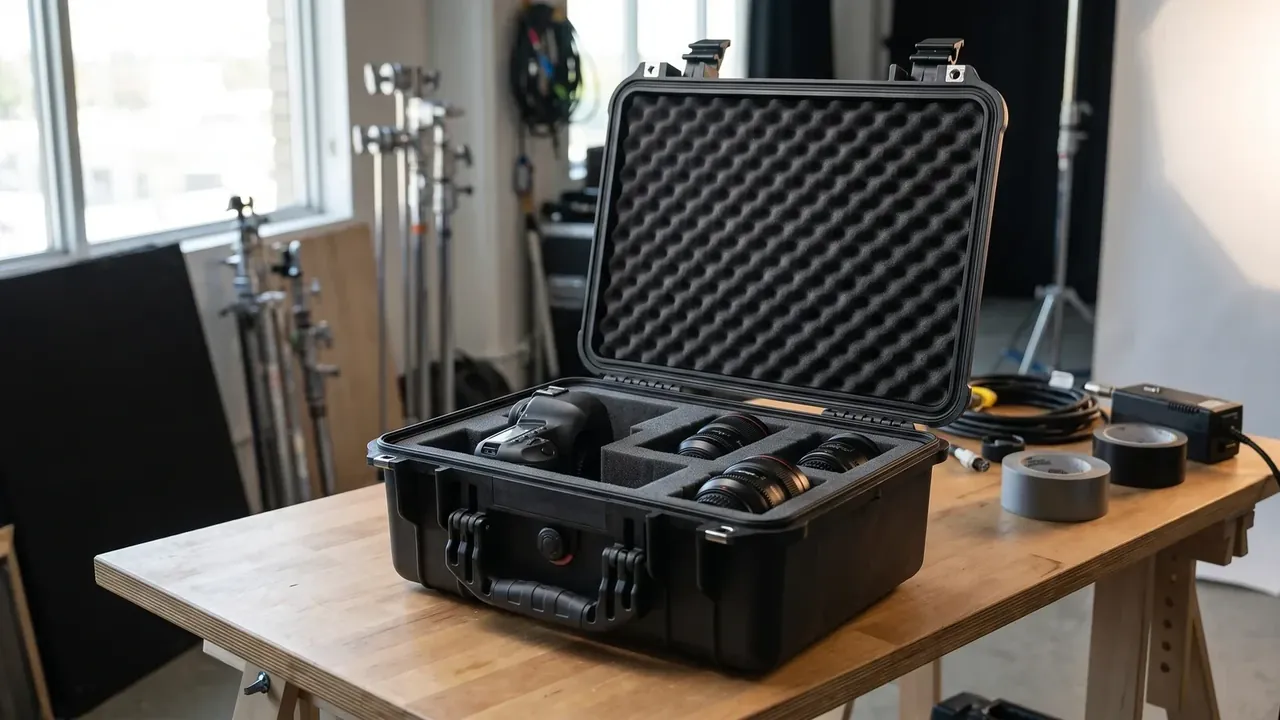
Keep three retention samples per batch for twelve months. In a dispute they are the only objects still on site.
Conclusion
Acceptance of a Long Weapon Case is a sequence anyone can repeat: align three documents, measure five items by fixed methods, sort against written limits, dispose along concession, rework and reject. The more the limits look like numbers, the less a Long Weapon Case batch depends on one inspector.
This article discusses only the container (case body) side of specifications and design intent, and does not cover any handling, loading or use of the contents.
Related Reading
- Cavity zones and support layout inside a Long Weapon Case
- Acceptance items and order of judgment for airdrop cases
- How to sequence inspection items for ammunition boxes
Related Products
- 8 Series — Gun Cases; Military Equipment Cases; Camera Equipment Cases; Drone Cases; Watch Cases; Knife Cases; First Aid Cases; Electronics Equipment Cases
- WL8-2812 PP Gun Case — model WL8-2812
- All protective cases and toolboxes: 7 series, 158 models