

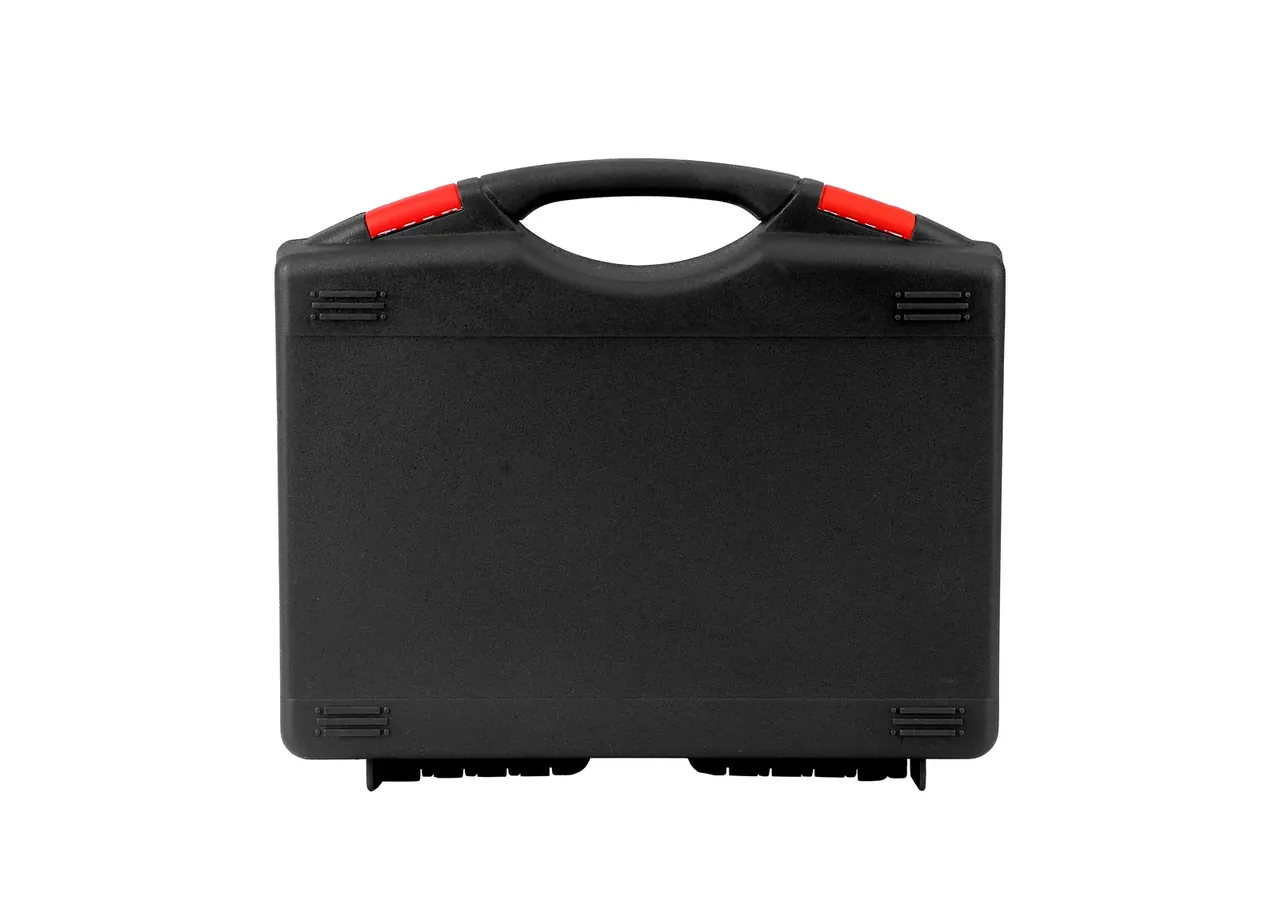
Quick answer: The line between a metal tool chest, a rotomolded plastic case and a steel cabinet is not price but three conditions: whether the site stays wet, whether static-sensitive parts are involved, and whether a loaded unit passes thirty kilograms. Plastic wins in wet and static-sensitive rooms, a metal tool chest wins on stiffness and load, and a cabinet wins when nothing moves.
Table of contents
- Where a Metal Tool Chest Fits: Three Tests
- Weather Resistance: Where Rust Starts
- Static and Grounding: The Quiet Edge
- Weight and Load: Stiffness You Carry
- Mixed Use: How Each Option Fails
- FAQ
1. Where a Metal Tool Chest Fits: Three Tests
Run the tests in order: moisture first, static second, total weight last. One negative answer cancels the other two, and buyers who compress all three into the word sturdy usually fail on the condition that mattered.
The strength of a metal tool chest is stiffness: a folded steel shell resists bending better and keeps its lid flat three tiers up. The weakness is equally clear, because rust starts at any bare edge.
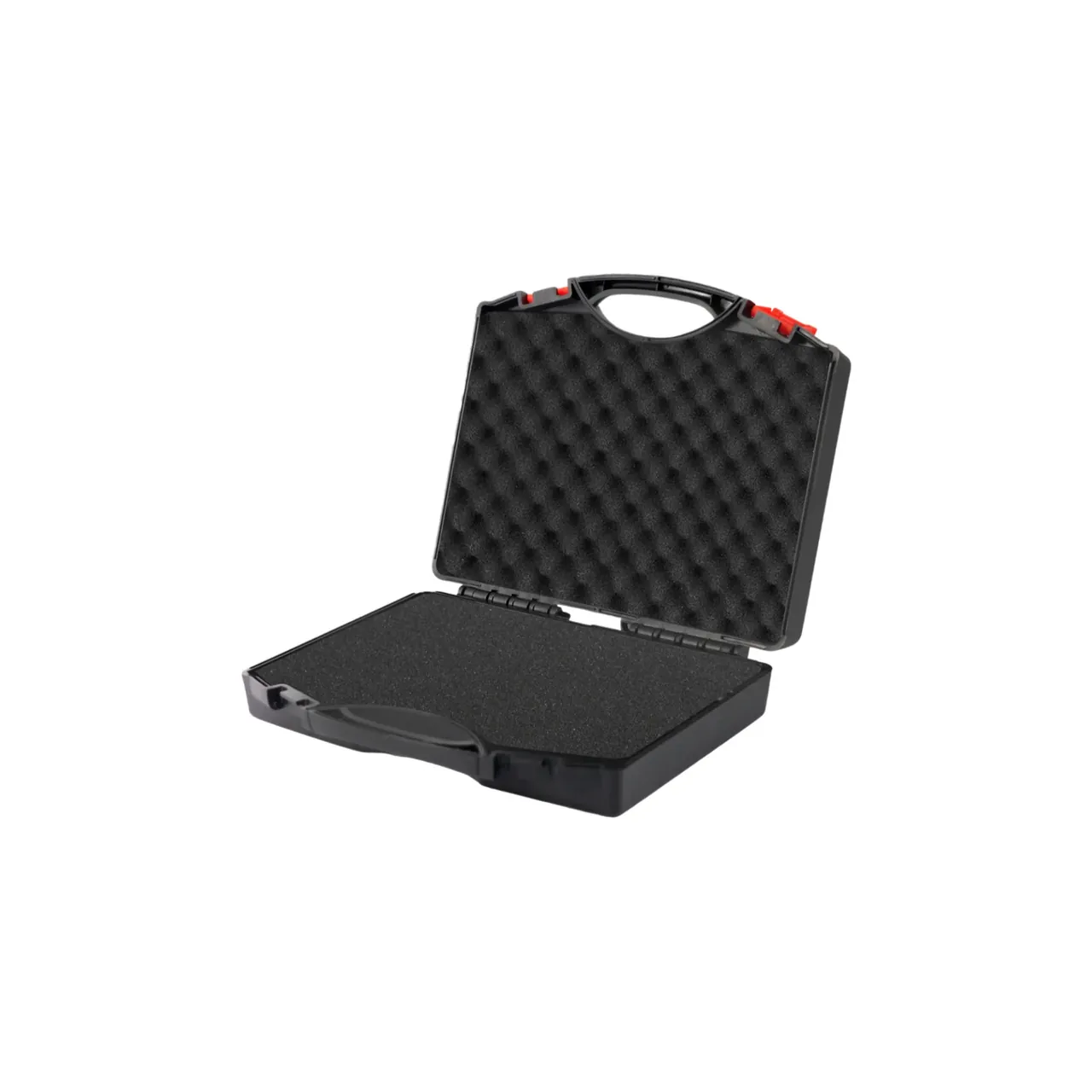
| Condition | Metal tool chest | Plastic case | Tool cabinet |
|---|---|---|---|
| Humidity above 80 percent | Coating plus venting | Suitable | Suitable, fixed |
| Static-sensitive parts | Suitable, grounded | Conductive type | Suitable, grounded |
| Load above 30 kg | Suitable | Thicker walls | Not applicable |
2. Weather Resistance: Where Rust Starts
Rust does not begin across a whole panel. It begins at sheared edges, punched holes and scratches, which carry no coating, so exposed steel corrodes once humidity passes sixty percent. Judge a metal tool chest by edge and hole treatment, not coating on the face.
Thermal cycling does more damage than steady damp. Warm air condenses on the inner wall overnight and never dries, so the inside rusts while the outside still looks perfect. Seal it tighter and you trap the water; fit a pressure valve instead.
Plastic fails differently: UV chalks the surface, and impact below minus twenty degrees can split a corner.
3. Static and Grounding: The Quiet Edge
Plain steel sits between ten to the minus two and ten to the second ohm and conducts; plain plastic sits above ten to the fourteenth and insulates. A conductor drains charge to ground; an insulator needs conductive filler.
Grounding a metal tool chest is easy to get wrong. Coating and foam liner sit in series on the discharge path, so one bare metal bonding point must remain and survive repeated opening, usually inside the hinge.
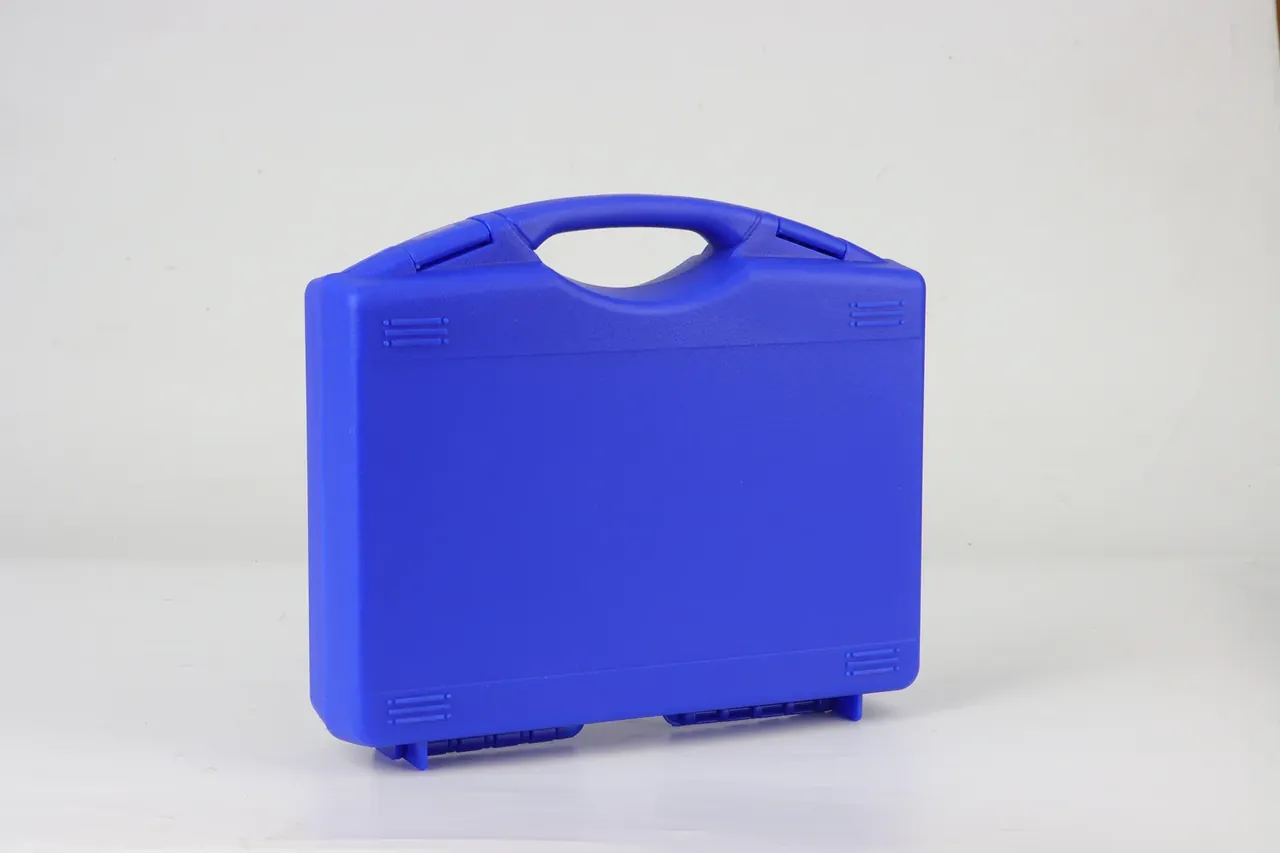
| Metric | Metal tool chest | Plain plastic | Conductive plastic |
|---|---|---|---|
| Surface resistance | 10^-2 to 10^2 ohm | Above 10^14 ohm | 10^4 to 10^6 ohm |
| Color limits | None | None | Dark only |
4. Weight and Load: Stiffness You Carry
At equal volume steel runs thirty to fifty percent heavier, and that mass buys stiffness. Matching a steel shell in plastic needs walls of four to six millimeters, which eats half the advantage, so the gap narrows above forty liters.
Load has to be judged in a stack, because the bottom unit carries everything above it. A steel lid under two hundred kilograms usually deflects less than two millimeters, while plastic spreads that load to four walls through its top rib grid.
5. Mixed Use: How Each Option Fails
The commonest mismatch is a metal tool chest in a wash bay. Moisture plus detergent blisters the coating within two weeks, and respraying only hides the surface.
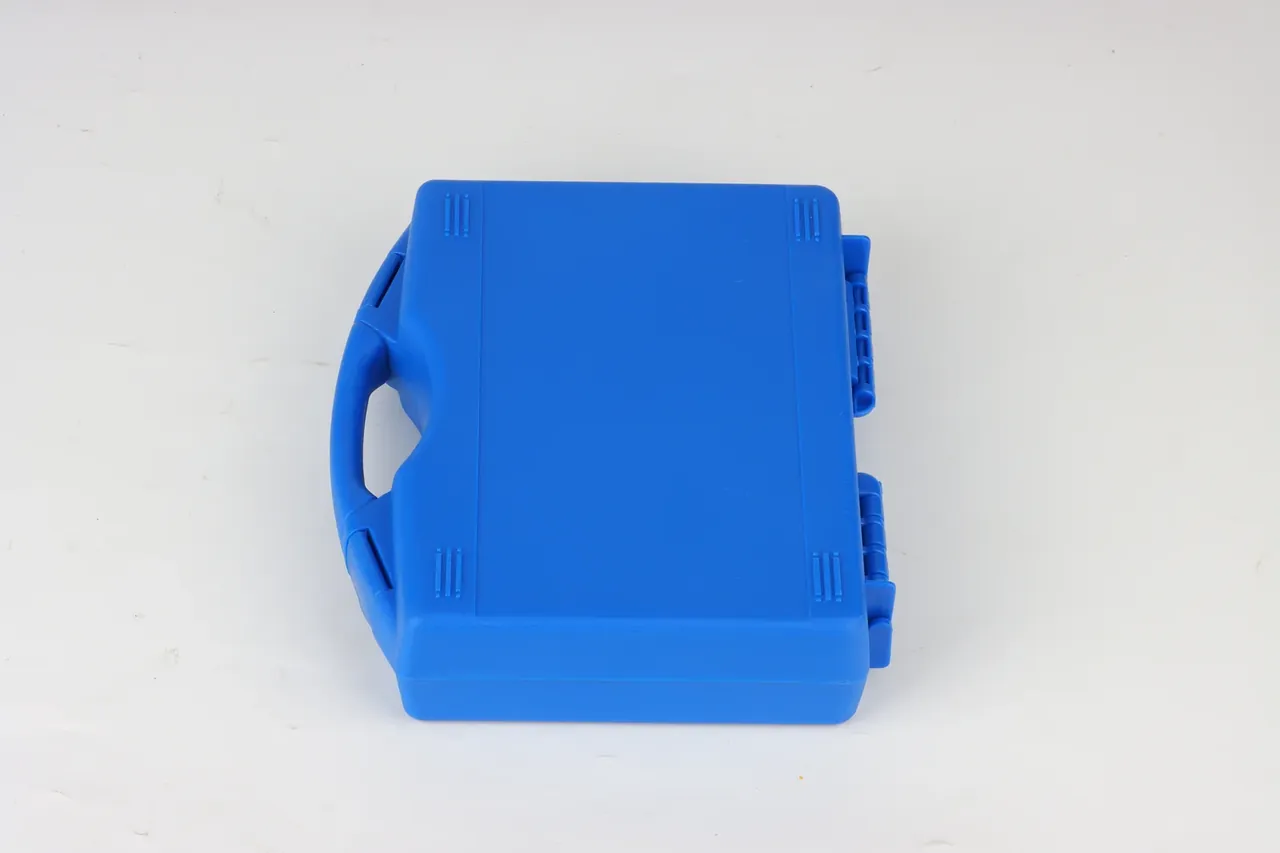
The second is a plastic case loaded with heavy parts. Sockets above twenty kilograms hit the base as a point load, and the rib roots whiten before they split, because plastic ratings describe distributed load.
The third is treating a cabinet as a mobile box. Slides are rated for static load, so pushing a loaded cabinet fifteen meters misaligns the runners.
Conclusion
None of the three is better in the abstract. Wet rooms point to plastic, load points to a metal tool chest, a fixed workstation to a cabinet. Ask about edges, grounding and venting before price.
This article covers container-side specifications and design intent only. It does not address any handling, loading or use of the contents.
Related Reading
- Tool Kit Chest: Set-Based Organization Logic
- Tool Box Cover and Lid: Protection and Replacement
- Rust prevention for metal toolboxes
- Plastic versus metal toolboxes
Related Products
- 8 Series — Gun Cases; Military Equipment Cases; Camera Equipment Cases; Drone Cases; Watch Cases; Knife Cases; First Aid Cases; Electronics Equipment Cases
- WL8-2812 PP Gun Case — model WL8-2812
- All protective cases and toolboxes: 7 series, 158 models