

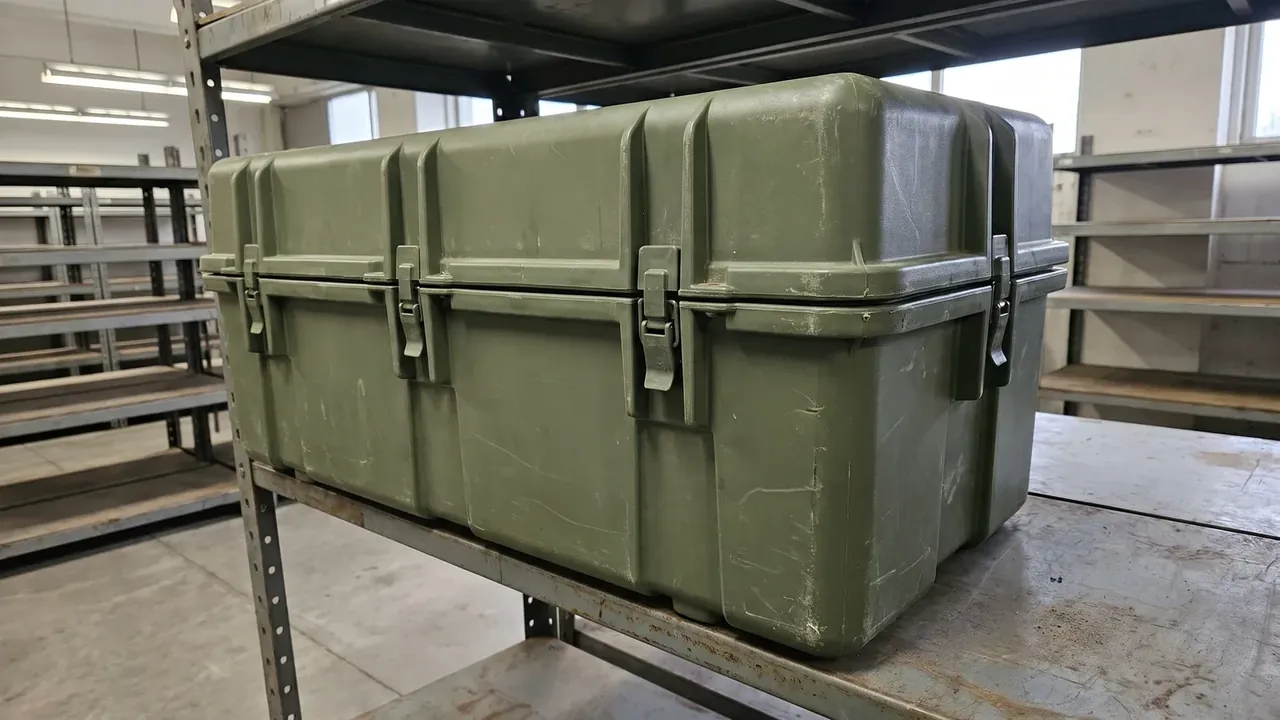
Quick answer: Microphone shockproof protective mini hard case combines a 340×250×130 mm shell, 10 mm lid-frame clearance and 28 mm foam for 4.0 g at 5–200 Hz.
Table of contents
- Lid-frame clearance in the Microphone shockproof protective mini hard case
- Base-foam slot depth tolerance and slot-wall support
- Transmitted acceleration readings across the sweep band
- Reading slot-wall collapse after a drop
- Slot-depth rejection line for small-case batches
- FAQ
1. Lid-frame clearance in the Microphone shockproof protective mini hard case
The Microphone shockproof protective mini hard case uses the inner lid frame as the first restraint on displacement. Clearance runs from the frame edge to the cavity floor against a 10 mm height. Outer 340×250×130 mm, cavity 305×215×95 mm and wall 2.8 mm fix geometry, so the frame clears the foam at close. Empty shell 1.6 kg and rated load 3.2 kg are baselines.
More clearance is not better: a tall frame weakens the lid, a short one misses the slots. The Microphone shockproof protective mini hard case splits 10 mm into a flat panel and a raised boss, so a 1.0 m drop sends shock into the ribs first. Four feeler readings within 0.5 mm pass.
2. Base-foam slot depth tolerance and slot-wall support
The base foam is one EVA block at 42 kg/m3 milled into six 28 mm slots at ±0.5 mm. Wall support comes from the solid thickness beneath each slot: a shallow cut reduces the wrap, a deep one thins the wall, and the thinnest wall collapses first after a drop. The Microphone shockproof protective mini hard case logs results by slot group, not one average.
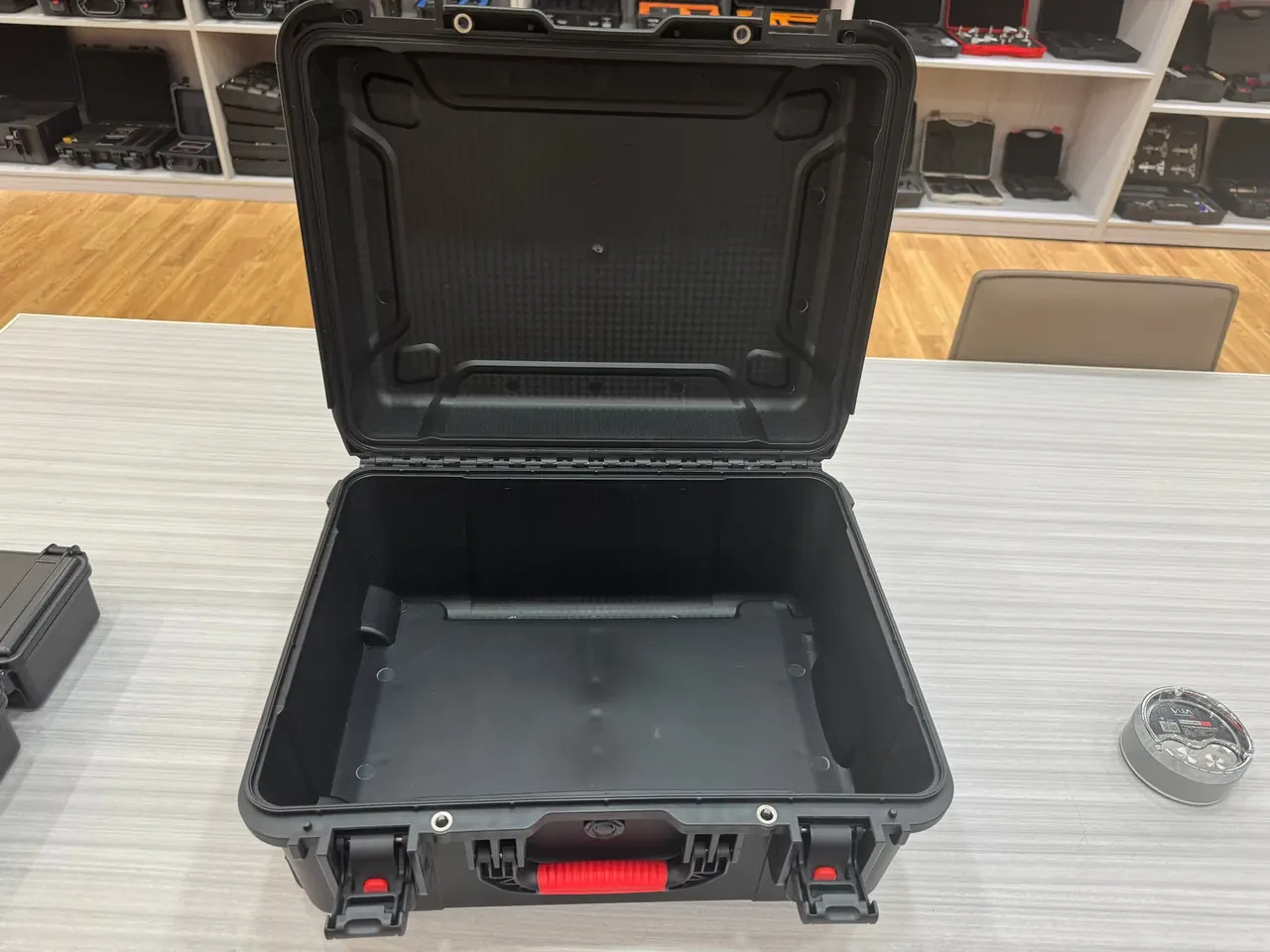
Group A near the hinge sees more thermal distortion, group B at the mouth takes latch compression directly, and group C sits centre as reference; any group beyond ±0.5 mm triggers a full re-mill. The table covers static dimensions only; rebound is checked on first runs.
| Slot group | Measured depth | Wall support verdict |
|---|---|---|
| Group A (hinge side) | 27.8–28.4 mm | Pass |
| Group B (mouth side) | 27.6–28.5 mm | Pass |
| Rejection line | Beyond ±0.5 mm | Re-mill batch |
3. Transmitted acceleration readings across the sweep band
The sweep runs over 5–200 Hz with the bench ballasted to 8 kg, one accelerometer per corner, and the highest peak reported. A transmitted acceleration of ≤4.0 g is the release line for the Microphone shockproof protective mini hard case; a breach points back to foam density and wall support, not shell thickness. The 8 kg ballast above the rated 3.2 kg forces margin into the open.
From 5–40 Hz the shell moves in phase with the bench; from 40–120 Hz the first resonance appears and the 42 kg/m3 EVA flattens the peak; from 120–200 Hz the result depends on frame clearance, which lifts the reading once loosened. The Microphone shockproof protective mini hard case archives each curve for overlay rechecks.
| Sweep band | Frequency range | Acceleration reading |
|---|---|---|
| Low band | 5–40 Hz | ≤2.1 g |
| Resonance band | 40–120 Hz | ≤4.0 g |
| Full peak | 5–200 Hz | ≤4.0 g |
4. Reading slot-wall collapse after a drop
The Microphone shockproof protective mini hard case is checked wall-first after a 1.0 m six-face drop: a visual check that edges stay continuous, a depth-gauge remeasure of all six slots, then another 5–200 Hz sweep. Collapse is often a pressed-flat edge, and a before-after difference above 0.5 mm at one slot is logged as abnormal.
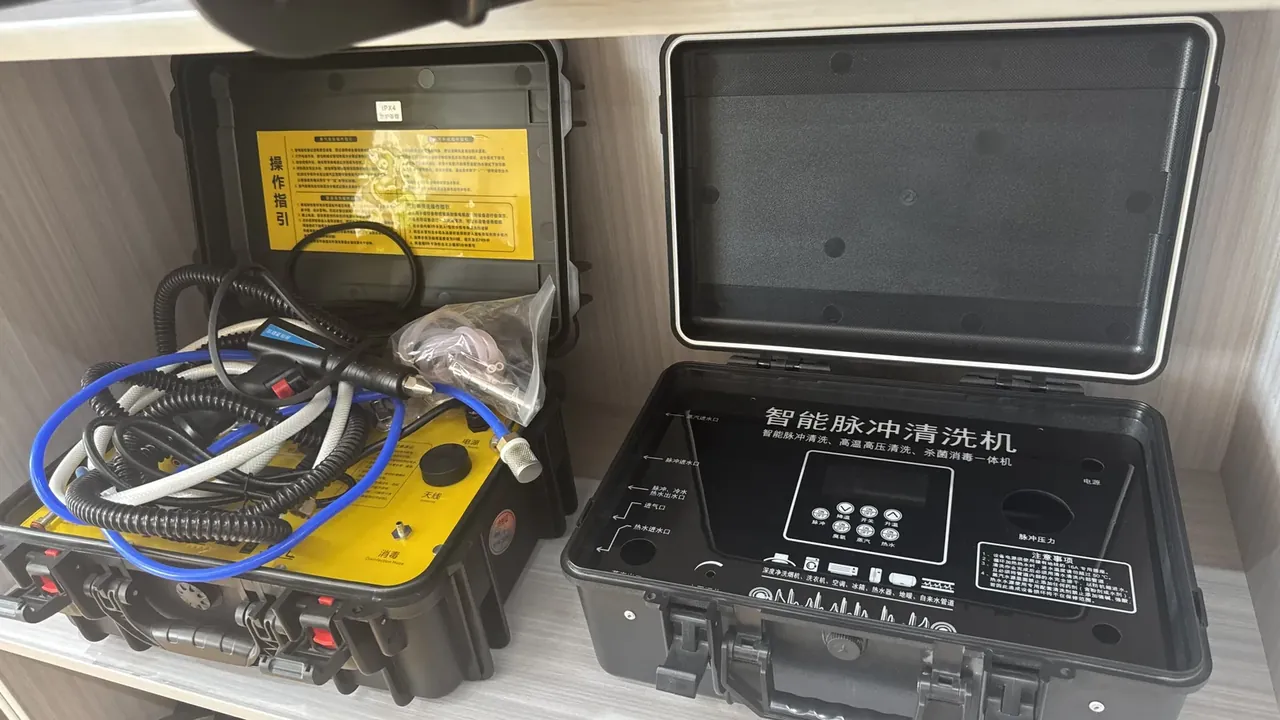
Acceleration after the drop says more than static dimensions: a collapsed wall adds free travel and lifts the resonance peak. Keeping the post-drop full peak inside ≤4.0 g is indirect evidence the walls held for the Microphone shockproof protective mini hard case; a static pass with a failed re-sweep is treated as wall failure.
| Acceleration reading | Before drop | Post-drop re-sweep |
|---|---|---|
| Resonance peak | 3.8 g | 3.9 g |
| Full peak | ≤4.0 g | ≤4.0 g |
The lid sealing face is reviewed at the same time, with both latches still at 260 N each.
Drop recheck is often treated as an optional tail, yet it validates frame clearance, slot depth and wall support in one pass. A visual check misses a wall that has lost only a few tenths of a millimetre. The depth gauge gives a static difference and the sweep a dynamic one; the stricter verdict governs. JUNZHIJIA writes both onto one batch sheet. The shell is the only object measured repeatedly, and the contents are outside the record. In this way the 1.0 m drop is a closed loop reclaiming every tolerance decision made earlier.
5. Slot-depth rejection line for small-case batches
The batch line sits at ±0.5 mm, one notch stricter than single-piece inspection: one crossed slot means the whole foam batch is re-milled. The six slots of the Microphone shockproof protective mini hard case share one milling programme, so rejection runs by group, which prevents wall support from ending up soft in one place and hard in another.
The cycle bench runs 4500 open-close cycles, pausing every 900 to remeasure, with both latches left at 260 N. IP65 is a benchmark phrase only, for a gasket that keeps compression after cycling; the Microphone shockproof protective mini hard case is described by test method, with JUNZHIJIA named and no certificate numbers invented. A borderline batch gets one extra 1.0 m re-sweep.
Conclusion
The Microphone shockproof protective mini hard case links frame clearance, slot-depth tolerance and wall support into one chain: 10 mm sets the upper bound, ±0.5 mm the lower, and a 5–200 Hz sweep plus a 1.0 m drop re-sweep check it once each. The ≤4.0 g under 8 kg is how JUNZHIJIA turns margin into numbers. Ask for the batch sheet before shell colour.
Related Reading
- Choosing a hard shell microphone protective case
- Sealing structure of a wireless microphone sound card moisture-proof case
- Latch force allocation in a stage audio accessories hard case
- Cooling and damping structure of an audio rack case
Related Products
- 8 Series — Gun Cases; Military Equipment Cases; Camera Equipment Cases; Drone Cases; Watch Cases; Knife Cases; First Aid Cases; Electronics Equipment Cases
- WL8-2812 PP Gun Case — model WL8-2812
- All protective cases and toolboxes: 7 series, 158 models