

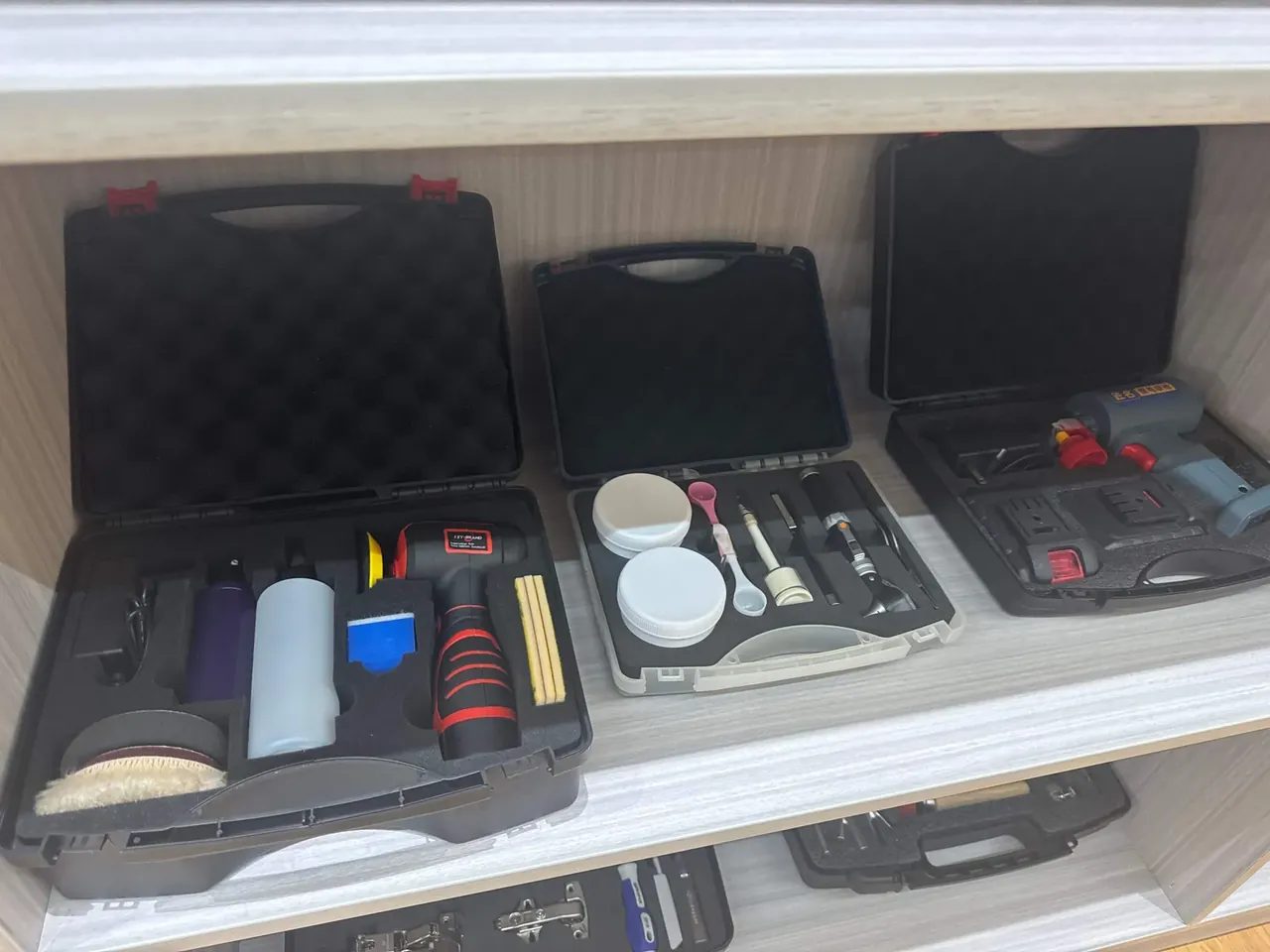
Quick answer: A military packing box is five parts meshed together: shell, ribs, gasket, latches with hinges, and insert. Rotational moulding suits large thick-wall bodies, injection suits precision and volume. Read those five and strength, sealing and loading efficiency stop being guesses.
Table of contents
- What Layers Make Up a Military Packing Box
- Moulding Route: Rotational or Injection
- How Sealing and Latching Work
- Fixing Equipment With Foam Inserts
- Inspection and Process Records
- FAQ
1. What Layers Make Up a Military Packing Box
The wall of a military packing box is not one solid lump of plastic but stacked layers, each with a job.
| Layer | Material | Typical size | Job |
|---|---|---|---|
| Shell | High density polyethylene | 4–6 mm | Impact resistance |
| Ribs | Same resin, moulded in | 6–10 mm high | Limits face bulge |
| Gasket | Silicone or EPDM cord | 6–8 mm section | Blocks moisture and dust |
| Insert | Cross-linked PE foam | 20–30 mm | Locates and absorbs shock |
| Hardware | Stainless steel or nylon | Per latch size | Closure and load |
Ribs are the underrated layer. At the same 4 mm wall, a lid ribbed every 120 mm can halve the sag of an unribbed one under static load. Press a lid centre: a crisp return means ribs and wall are matched.
2. Moulding Route: Rotational or Injection
Rotational moulding fills a tool with polyethylene powder, heats it to 260–300 °C on two axes, holds for 12–18 minutes and cools. Wall thickness comes from powder mass and time. It handles large bodies, thick walls and hollow ribs in one piece, so a 120 L body holds even wall thickness with no weld line at the corners. The cost is cycle time.
Injection forces melt into steel, with 800–1,300 tonne machines covering mid-size bodies at a 90 second cycle. It gives tight dimensions and metal inserts, but tooling is costly and thick sections sink.
Three tests decide: a diagonal above 800 mm with 5 mm walls points to rotational moulding; flatness within 2 mm per metre at high volume points to injection.
3. How Sealing and Latching Work
Sealing is compression ratio, clamp distribution and rim stiffness working together.
A 6–8 mm cord is normally compressed to 25–30%. Too little leaves no rebound margin when temperature swings; too much deforms the cord and sealing fails within a few cycles. Each latch gives roughly 300 N, and a span wider than 300 mm lets the rim lift, which is why large cases carry four.
Hinge life is a 5,000 cycle figure, tested loaded while watching bore wear and lid droop; latches run 2,000 cycles then 1,000 drops and must still close. The weak point is the hinge root.
4. Fixing Equipment With Foam Inserts
The insert locks equipment on three axes and spreads impact energy over a wider area.
Cross-linked polyethylene foam around 45 kg/m³ is standard, with cavities 0.5–1 mm smaller per side than the outline so the material grips. Depth usually reaches two thirds of equipment height, and lid foam closes the rest for a top-to-bottom clamp; a 1.2 m drop then shifts equipment by no more than 3 mm.
Die cutting suits sheet up to 20 mm and one die runs thousands of pieces; CNC milling handles deep cavities at 0.2 mm tolerance. Leave a finger recess, or crews enlarge the cavity to unload it and lose the grip.
5. Inspection and Process Records
Process records, not appearance, show whether one batch matches the next.
| Check | Method | Reference |
|---|---|---|
| Wall thickness | Ultrasonic, 8 points | Range within 0.8 mm |
| Flatness | Plate and feeler gauge | 2 mm per metre |
| Sealing | 20 kPa air, hold 60 s | Drop no more than 5% |
| Latch | 2,000 cycles under load | No cracks, still closes |
| Salt spray | Neutral, 96 h | No red rust |
Records must trace to machine and shift: mould number, powder batch and oven curve for rotational parts; machine number and barrel temperature for injected parts. Flatness is the check most often waved through, and slight lid warp only shows as a lean three high on a pallet.
Conclusion
Performance in a military packing box comes from five parts working together, not one inflated number. Layered walls set the strength margin, the route sets accuracy, sealing and latches hold the rim, and the insert locks equipment on three axes. Put those five into drawing and acceptance sheet, and the military packing box behaves as predicted.
This article discusses only the container (case body) side of specifications and design intent, and does not cover any handling, loading or use of the contents.
Related Reading
- How to choose a military packing box
- Military packing box material comparison
- Military packing box standards
- Foam insert installation points
Related Products
- 8 Series — Gun Cases; Military Equipment Cases; Camera Equipment Cases; Drone Cases; Watch Cases; Knife Cases; First Aid Cases; Electronics Equipment Cases
- WL8-2812 PP Gun Case — model WL8-2812
- All protective cases and toolboxes: 7 series, 158 models