

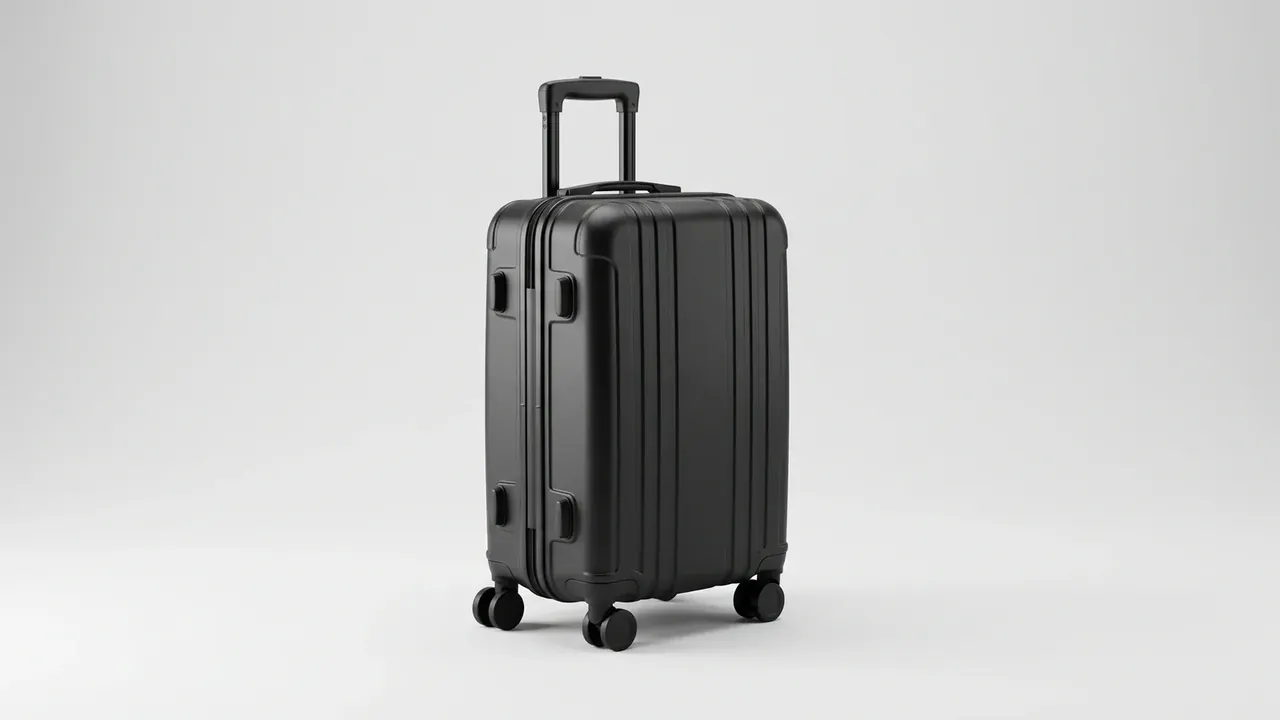
Quick answer: A Military Transit Case is chosen on five numbers: drop height and stack layers, IP rating and salt-spray hours, wall and rib thickness, latch and hinge cycles, batch colour and weight tolerance. Get each in writing; a verbal promise is where rework lands.
Table of contents
- Five Numbers Behind a Military Transit Case
- Criterion One: Drop Height and Stack Layers
- Criterion Two: Sealing Class and Salt Spray
- Criterion Three: Wall Thickness and Resin Grade
- Criteria Four and Five: Hardware and Batch Consistency
- FAQ
1. Five Numbers Behind a Military Transit Case
Long sheets are hard to compare, so each criterion asks for one number for the specification. Structure decides whether the case survives handling, sealing the interior, moulding whether the structure can be built, hardware how often it is repaired, documentation whether the next batch matches.
Documentation counts because many returns are mismatched pairs, not broken cases: a 200-unit reorder at ΔE 2.4 fails beside older stock.
| Criterion | Number to request | What a vague answer costs |
|---|---|---|
| Structure | Loaded drop height, stack layers | Split lid edge |
| Protection | IP rating, immersion time | Damp interior |
| Moulding | Wall and rib thickness | Base sag |
| Hardware | Latch and hinge cycles | Latch swap |
| Documentation | Colour and weight tolerance | Reorder mismatch |
2. Criterion One: Drop Height and Stack Layers
A drop figure is a set of conditions: 1.2 m loaded over corners, edges and faces for ten drops, plus 0.9 m face drops empty. Check whether the case was loaded and whether it landed on a corner; passed 1.2 m alone proves little.
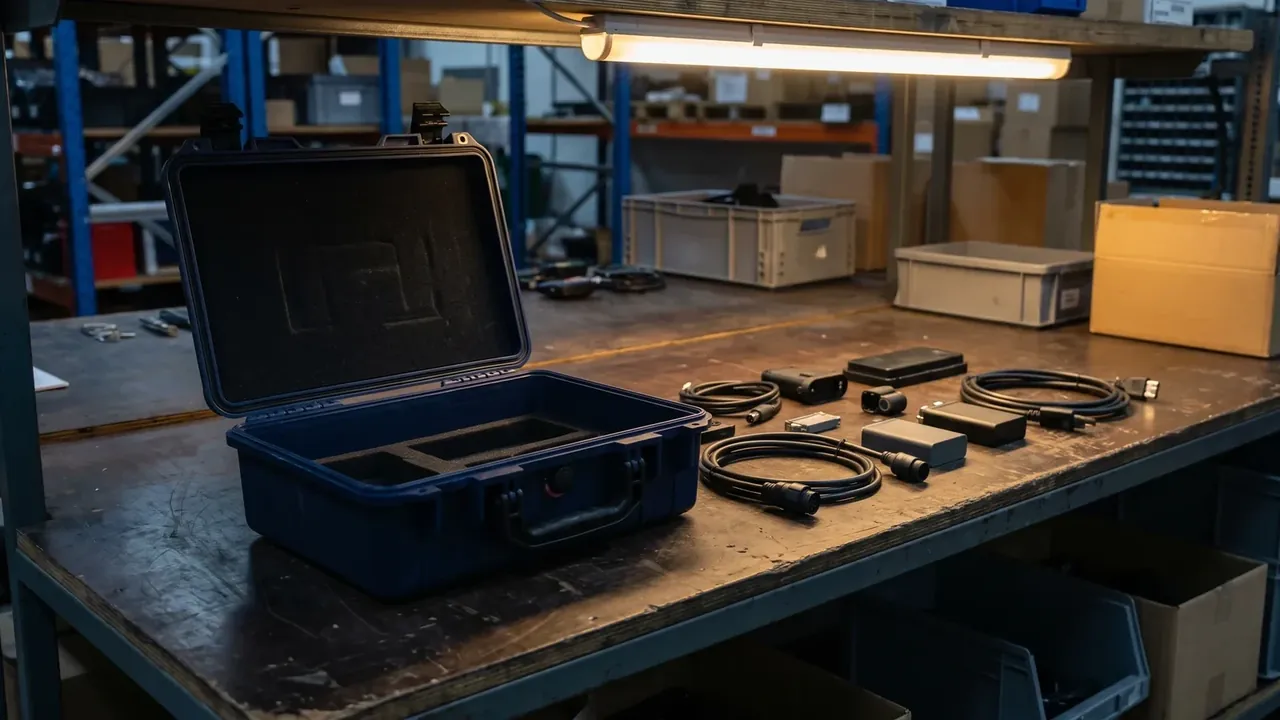
The rule belongs in the order: lid still opens and closes, latches do not release, hinges do not crack, interior shows no through-crack.
Stacking runs at real height plus 0.2 m: three layers for 48 hours, 25 kg per case, so the bottom unit carries 50 kg with base deflection under 2 mm. Deflection matters more than breakage.
3. Criterion Two: Sealing Class and Salt Spray
Many suppliers print IP67; few can show the conditions: 1 m of water for 30 minutes without ingress, where IP65 covers jet spray and washdown. Sea freight justifies IP67 on a Military Transit Case; short road cycles do not.
Air testing is faster: 20 kPa for 60 seconds, no more than 2% loss; a rising figure means gasket compression lost at assembly.
Salt spray follows the neutral test: 48 hours without white rust, no more than 2 mm scribe creep at 96 hours. Name the parts; latches, hinges and valves fail first.
4. Criterion Three: Wall Thickness and Resin Grade
Wall thickness belongs in three places: wall, load rib and corner. A stable build runs a 3.5 to 4.0 mm wall, 6 mm ribs and 8 mm corners; a single 4 mm figure without rib values says nothing.
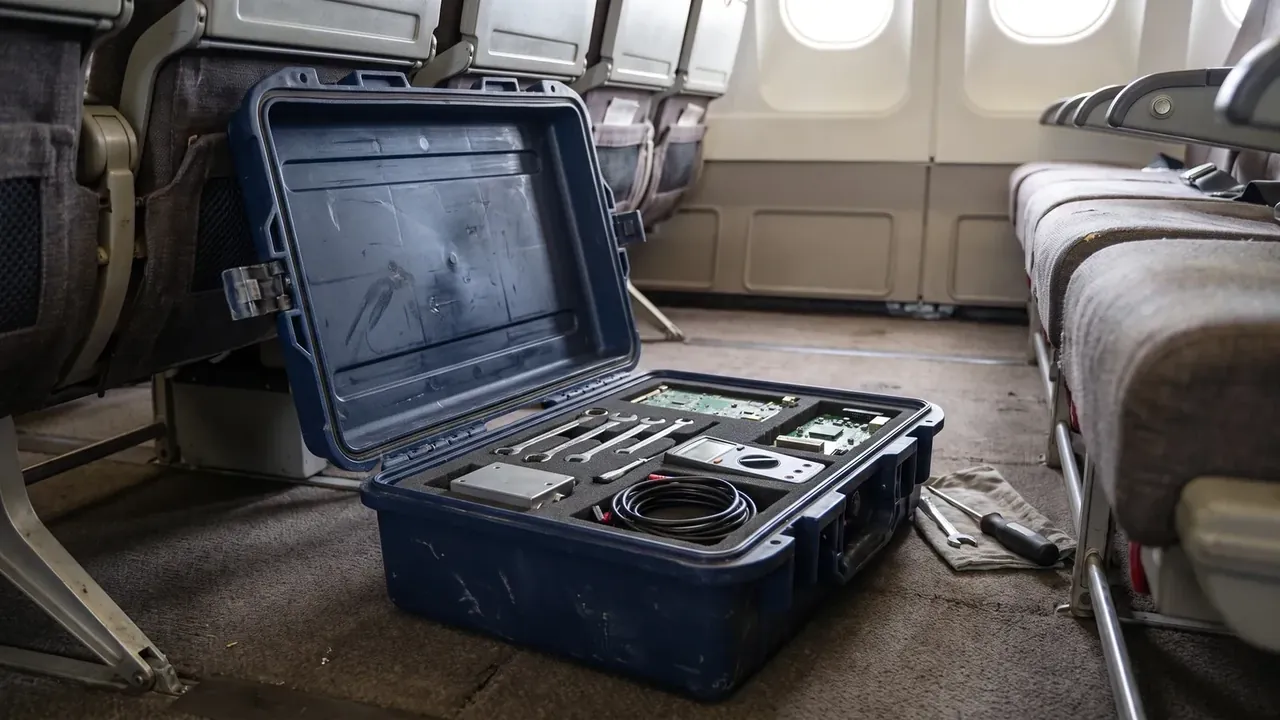
Ask for the grade, not the letters PP. Copolymer PP holds impact strength from -40 °C to +71 °C, homopolymer PP is stiffer but brittle in cold, and rotomoulded HDPE at 6 to 8 mm resists stress cracking.
Thickness and mass are one account: 3.5 mm to 4.5 mm adds about 12% to the weight of a Military Transit Case. Specify a minimum wall and a maximum finished weight.
5. Criteria Four and Five: Hardware and Batch Consistency
Hardware life needs cycle counts: latches at 2000 cycles with no more than 15% clamp loss, hinges at 5000 without cracking, handles at twice load for 10 minutes.
| Check | Limit | Action if it fails |
|---|---|---|
| Latch cycles | 15% clamp loss at 2000 | Trace lot, replace |
| Hinge cycles | No cracking at 5000 | Check pin material |
| Handle static | Twice load, 10 min | Add backing plate |
| Colour | ΔE within 1.5 | Re-make master |
| Unit weight | Within ±3% | Re-check wall |
Batch consistency is the last gate: ΔE within 1.5, weight within ±3%, dimensions within ±2 mm, five units per batch at AQL 2.5. A Military Transit Case specified on structure alone gets renegotiated on colour at every reorder.
Conclusion
Selection is not filling a specification sheet but one testable number per criterion. The first three decide whether the case works, the last two whether it keeps working. A dependable Military Transit Case shows a report and a retained sample for each.
This article discusses only the container (case body) side of specifications and design intent, and does not cover any handling, loading or use of the contents.
Related Reading
- Military supply transport case selection: volume, load and handling
- Air transport requirements for military cases
- How to read military flight case specifications
- Transit case structure and common types
Related Products
- 8 Series — Gun Cases; Military Equipment Cases; Camera Equipment Cases; Drone Cases; Watch Cases; Knife Cases; First Aid Cases; Electronics Equipment Cases
- WL8-2812 PP Gun Case — model WL8-2812
- All protective cases and toolboxes: 7 series, 158 models