

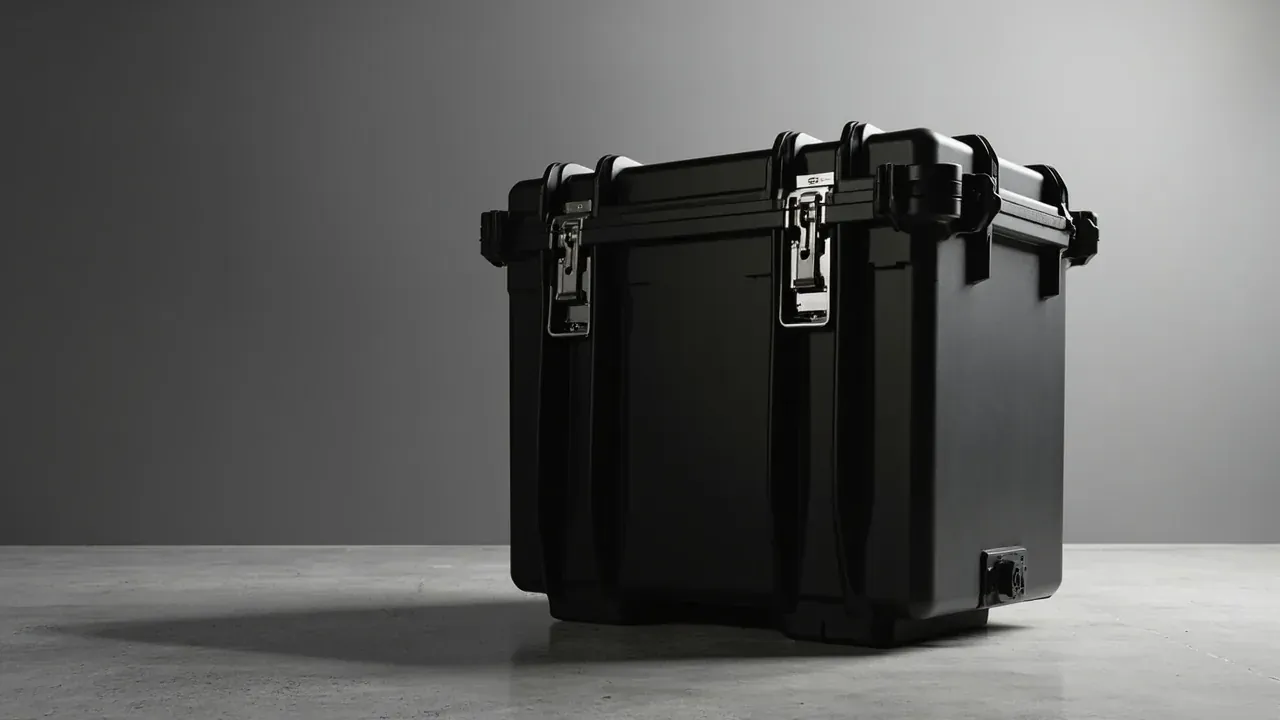
Quick answer: A transit case is a rigid case built for short-cycle, high-frequency transfer and temporary holding. It neither stores goods long term nor makes the final delivery; it moves them one handover at a time. Three traits identify one: the lid opens often, the case is shifted repeatedly on site, and it is left unlatched for hours. Those traits shift design emphasis toward latch endurance, stack geometry and handling hardware rather than a thicker shell.
Table of contents
- Where a transit case sits in the logistics chain
- The boundary with shipping and storage cases
- Design drivers: frequent opening
- Structural features
- When a dedicated case is justified
- FAQ
1. Where a transit case sits in the logistics chain
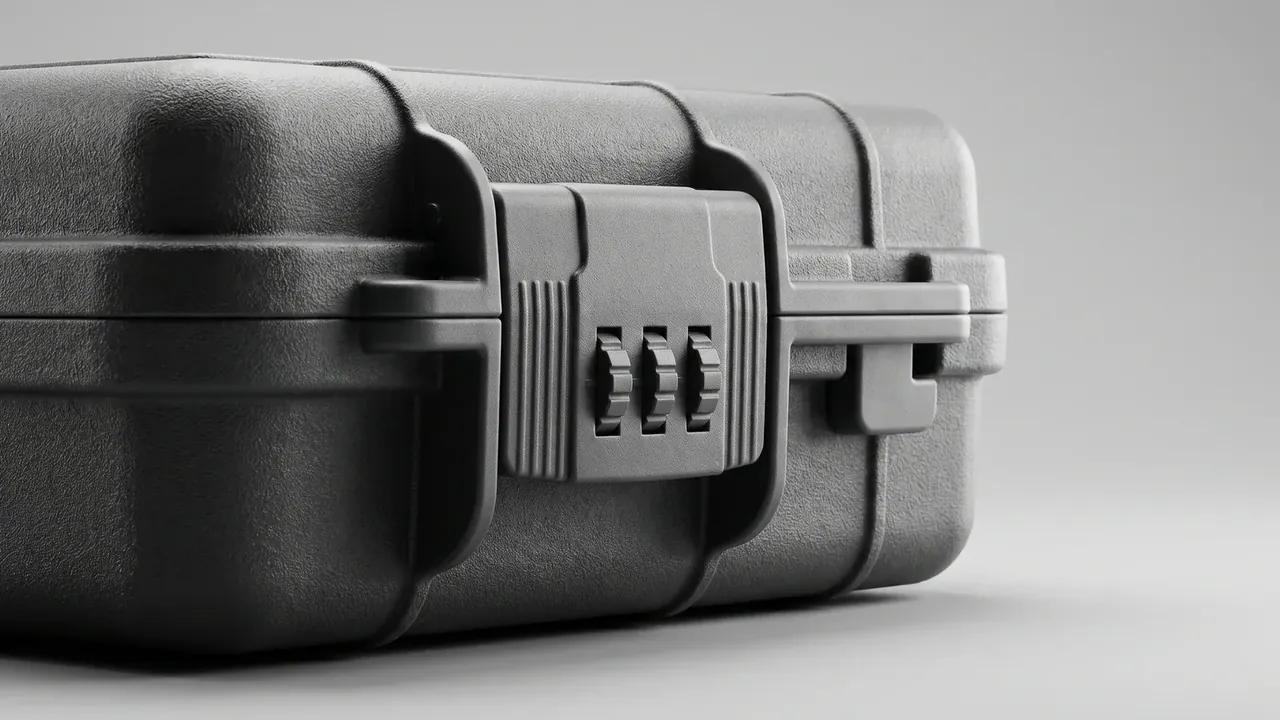
The same case meets different conditions at each node. Set dwell time, opening count and load type side by side and the middle segment stops resembling either extreme.
| Stage | Dwell | Openings | Dominant load |
|---|---|---|---|
| Factory packing | Days | One | Vibration, static stack |
| Transit and sorting | Hours to days | Every stop | Opening, short moves, temporary stack |
| Long-term storage | Months | Very few | Static load, humidity cycles |
| Final delivery | One-off | One | Handling impact |
Transit combines all three at moderate intensity: a shipping case carries unused margin, a storage case opens too slowly. Wear here is underestimated: a case may be dropped once but opened dozens of times, making latch fatigue the real limit.
2. The boundary with shipping and storage cases
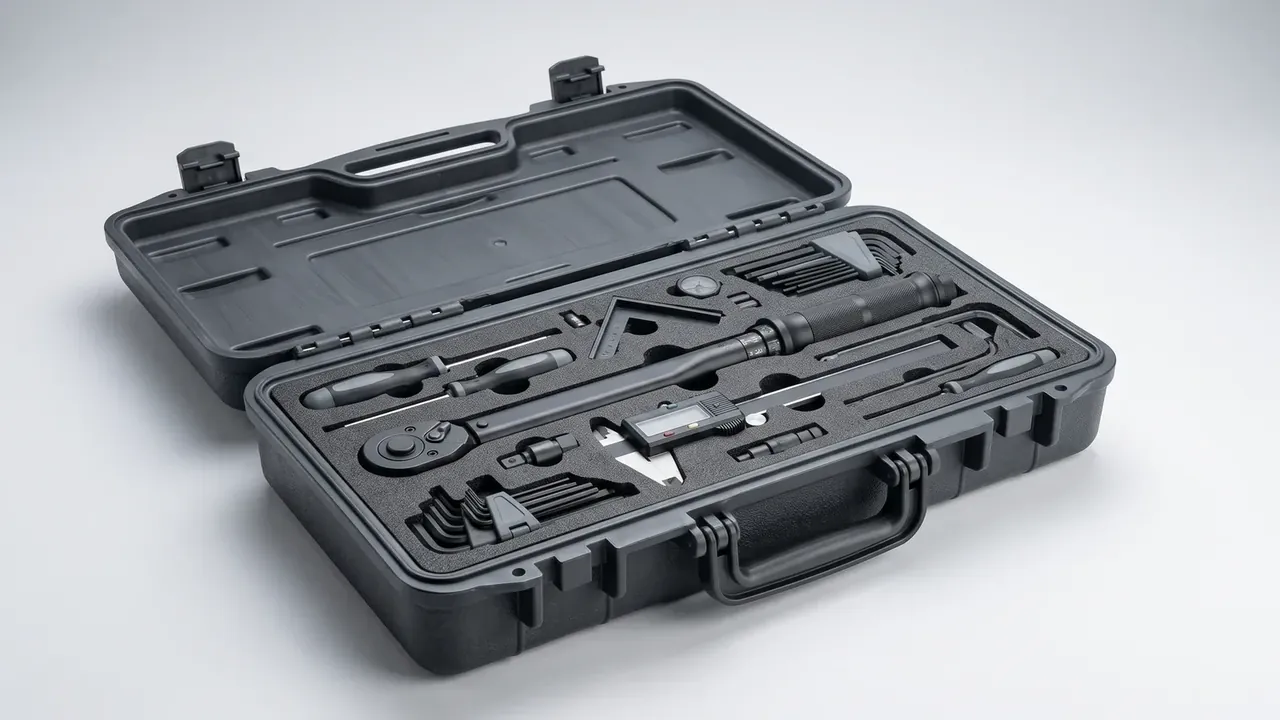
The three names get used interchangeably, yet the design inputs differ. A shipping case is specified for one pack and one trip, weighted toward impact and stacking. A storage case is specified for years of static duty, weighted toward sealing and isolation. A transit case sits between them, weighted toward opening speed and hardware life under repeated handling.
Liner strategy follows. Storage types favour a continuous sealed liner to limit air exchange; shipping types favour item-by-item foam cut-outs to stop movement; transit types divide the cavity into zones with a few loose dividers, trading location precision for speed. The difference is one of weighting: a transit case still seals and stacks, just not to storage grade.
3. Design drivers: frequent opening
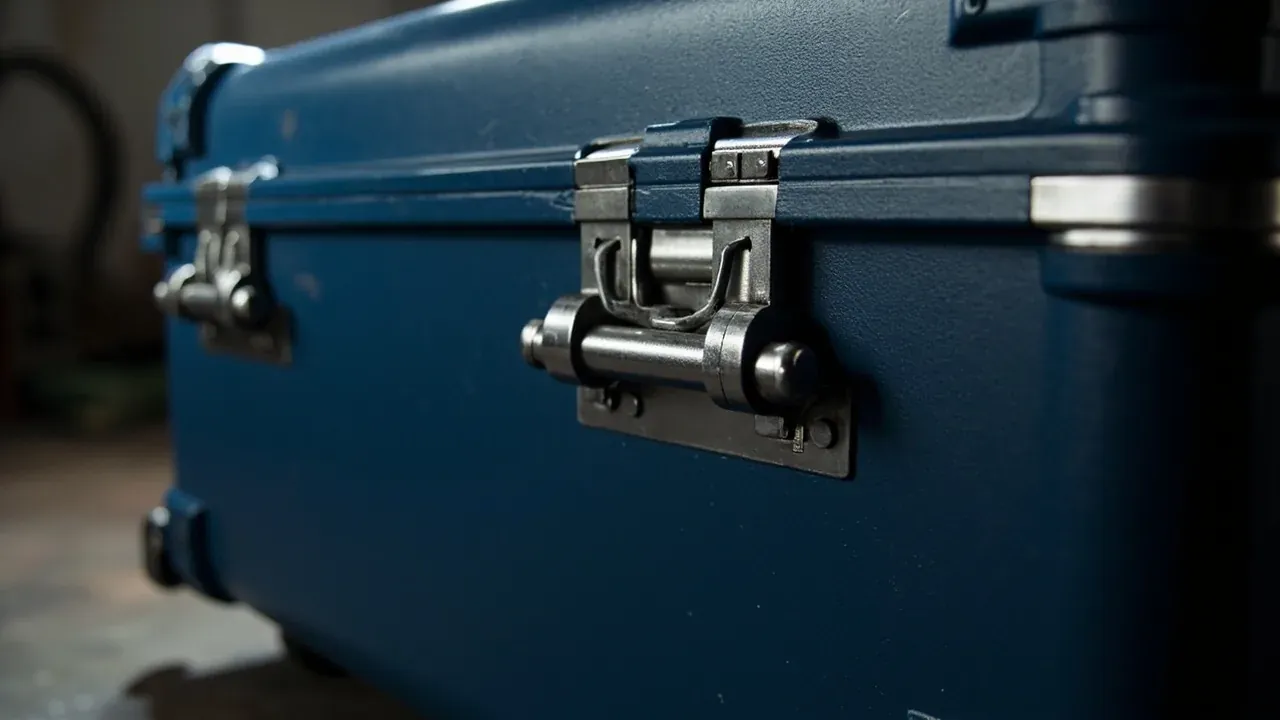
Frequent opening produces three constraints. First, latch fatigue life outranks clamping force: a harder clamp seals better but demands more force every cycle and wears the latch body, keeper and pin faster, so mid-range force with a wider contact area is usual. Second, opening style sets throughput, since a full-width lid gives the fastest access but needs a stay, twin lids suit narrow cases, and drawers work on shelving where headroom is short. Third, the case must live half-open, so hinges need damping or a limit and the opening wants a dust flap.
Stacking in transit is low but changes often on uneven ground, so top-face interlocking matters more than ultimate load; misaligned stacks collapse sideways before they overload.
4. Structural features
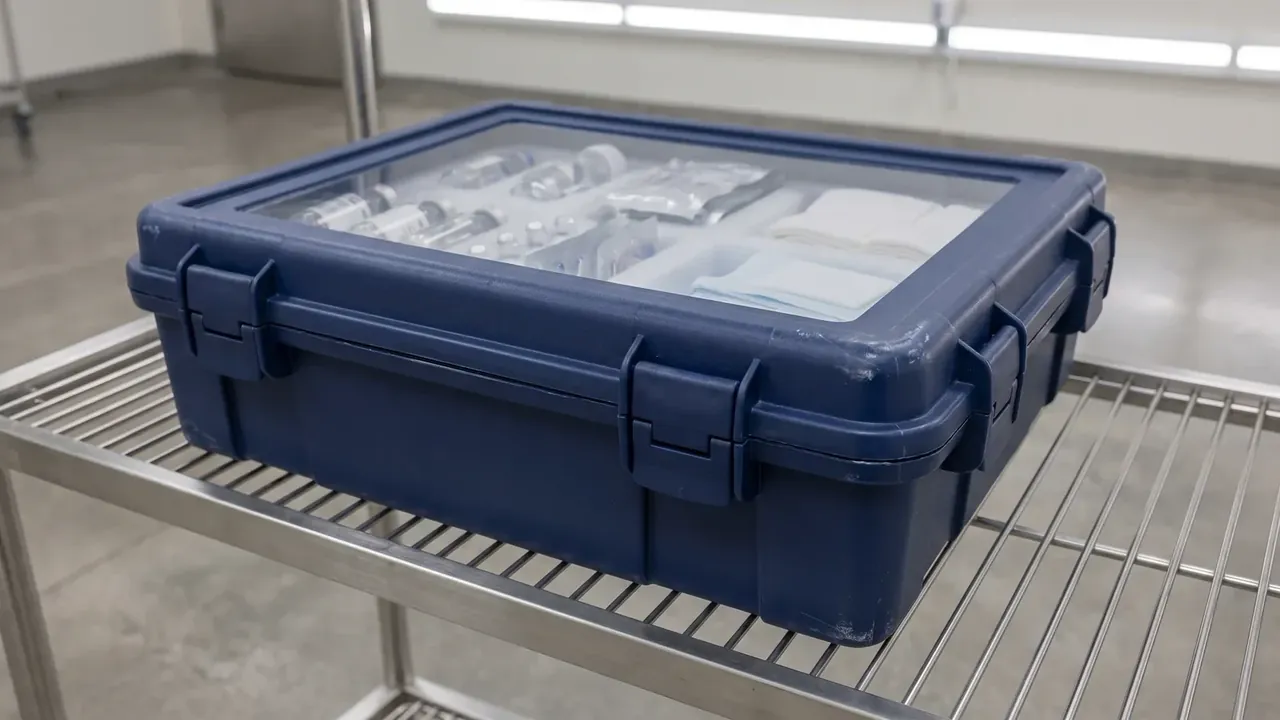
Applying those constraints to hardware gives a short feature matrix.
| Element | Typical approach | Purpose |
|---|---|---|
| Latches | Mid force, wider body, one-handed | Raise the opening-count ceiling |
| Hinges | Long or twin, with a limit | Stop the lid falling, allow half-open work |
| Handles | Paired, recessed | Two-person carry, fewer snags |
| Stack faces | Lid recesses matching base bosses | Fast alignment, limit slip |
| Liner | Loose dividers plus a thin pad | Zoned access, no item-by-item seating |
A clear viewing lid lets a checker confirm contents without opening, but window and shell expand differently, so the joint weakens the seal. Fit one where every stop needs a count; elsewhere an external label is safer. Corner wear is unavoidable, so make those areas replaceable or locally thicker and treat a worn-through corner as a replacement trigger.
5. When a dedicated case is justified
A dedicated case earns its cost when most of these hold:
- Goods pass three or more handover points on one site
- Every point involves opening the case
- Dwell runs from hours to days and is not fixed
- Cases sit on shelving with short headroom
- Two people carry it on a fixed route
- Labels must change with the site
Where transit is a through-stop with no opening, a shipping case is enough. Where the case goes straight into long-term storage, a storage case is right. Mixing them fails predictably: shipping cases lose the latch first, storage cases get pried open.
Conclusion
A transit case is defined by duty, not shape: frequent opening, many short moves and holding periods of uncertain length. Those drivers move design emphasis from shell strength to hardware endurance, which shows up as wider mid-force latches, limited-travel hinges, paired recessed handles and a zoned liner. Check handover count, opening at each stop, fixed or unfixed dwell, rack storage and two-person carrying; when most hold, the dedicated case pays for itself.
This article covers container-side specifications and design implications only.
Related Reading
- Transit case configurations in sorting and field transfer
- Shipping case selection: load, stacking, forklift and lifting
- Stackable case stacking design: load, interlock and stability
- Reusable versus one-way shipping cases: life-cycle cost
Related Products
- 8 Series — Gun Cases; Military Equipment Cases; Camera Equipment Cases; Drone Cases; Watch Cases; Knife Cases; First Aid Cases; Electronics Equipment Cases
- WL8-2812 PP Gun Case — model WL8-2812
- All protective cases and toolboxes: 7 series, 158 models