

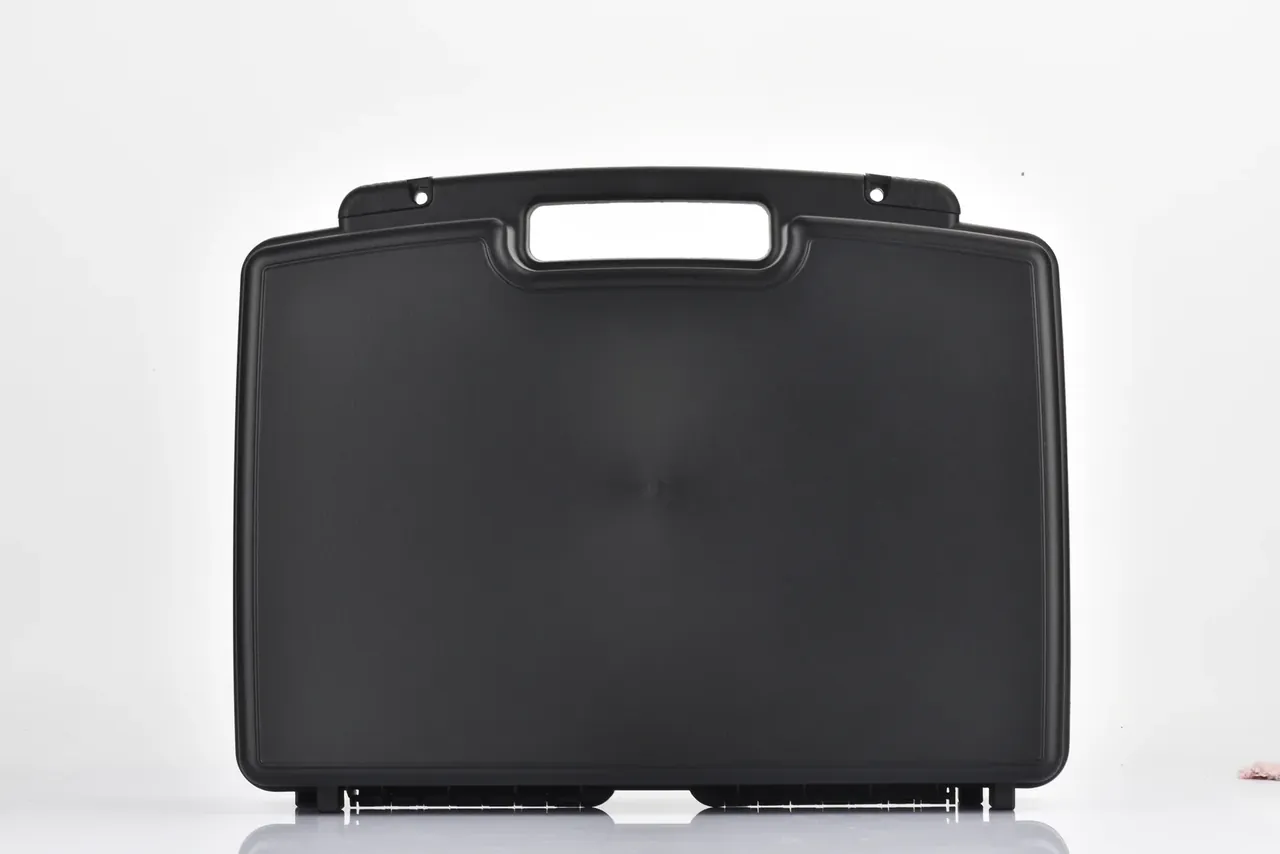
Quick answer: A missile box starts from three numbers: outside size, cavity size, lid depth. Their difference sets how much cushioning fits, and cushioning sets how flat the shock curve becomes. Thermal control comes from the air layer, phase-change placement and the pressure valve, not from thicker walls.
Table of contents
- Where the missile box dimension chain starts
- Cavity, lid depth and usable space
- Cushioning: foam thickness and remaining gap
- Wall, ribs and sealing
- Thermal control and stacking
- FAQ
1. Where the missile box dimension chain starts
Outside size decides which vehicle and hatch the box fits; cavity size decides what goes in; lid depth decides what is left after closing. The outside is bounded by transport limits, the cavity by the load.
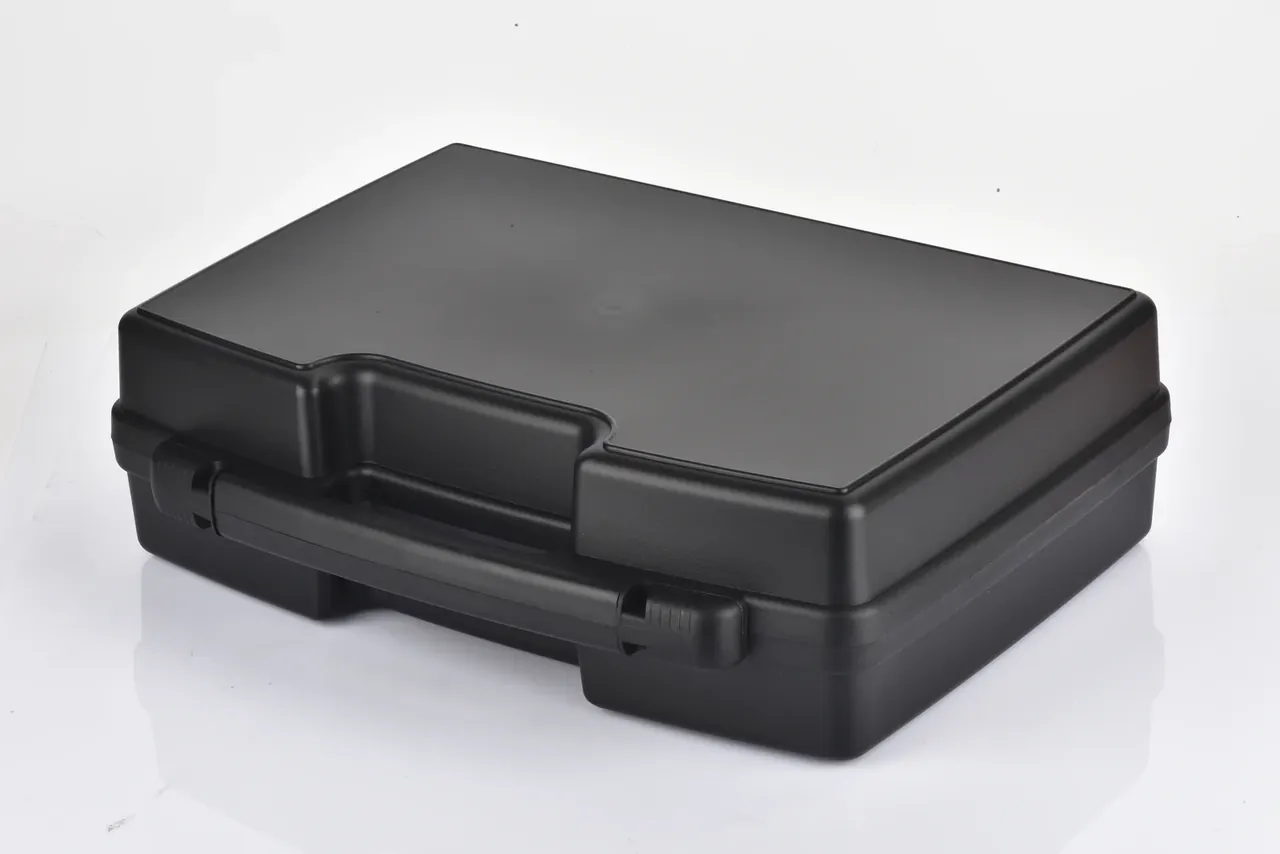
The usual error is confusing nominal with usable. A cavity marked 308mm loses corner radii, ribs and foam, so the real length may be 290mm. Drawings should carry both bare cavity and clear space.
2. Cavity, lid depth and usable space
A rotomolded cavity is not a box. Walls carry draft, corners are radiused, the base often has a grid of pads. State whether a figure is the largest inscribed rectangle or an average section; the two can differ by ten millimetres.
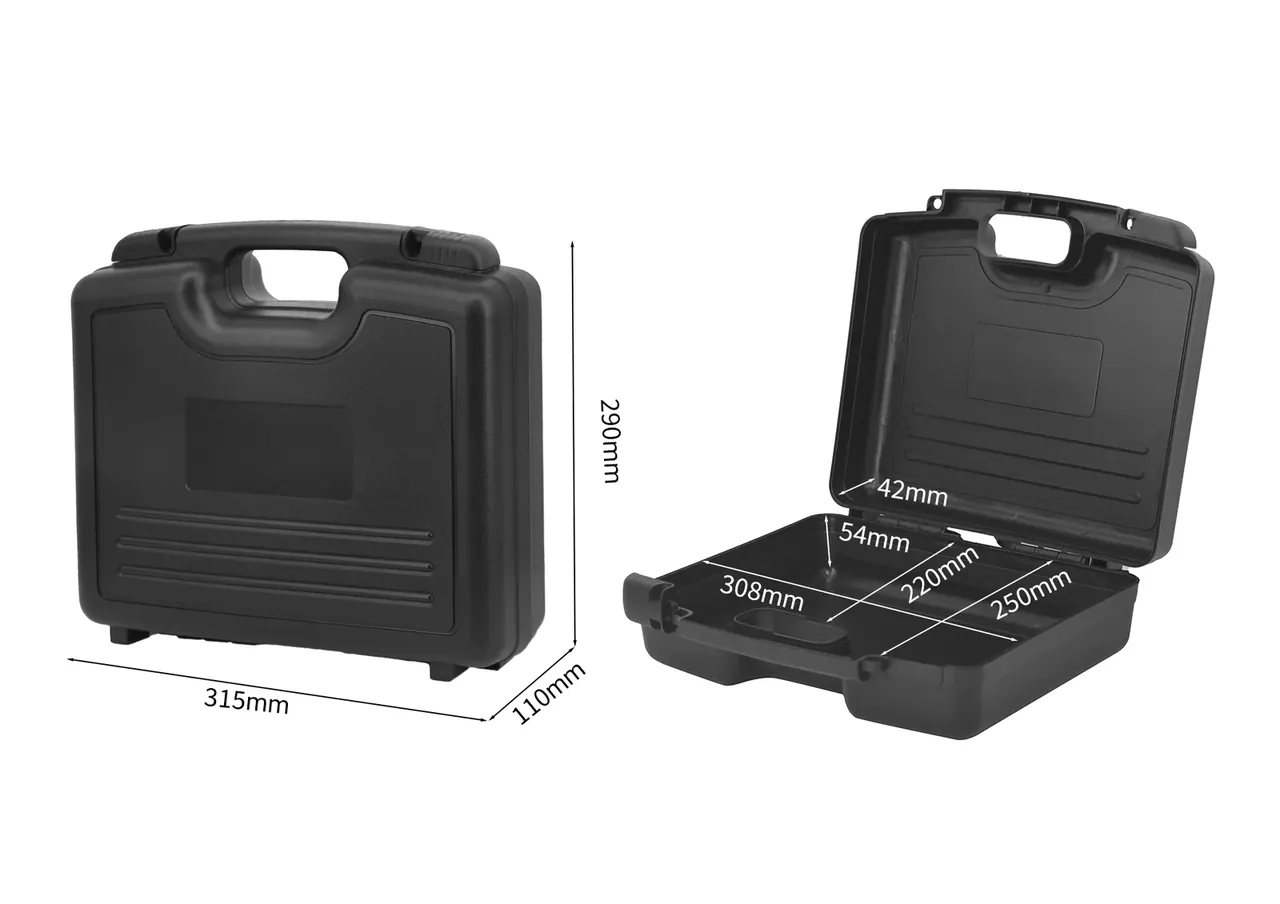
Lid depth also discounts. A marked 42mm runs from the parting line to the lid face, and gasket compression takes one or two millimetres back. Count that margin when foam is stacked.
Clearance for handling is part of usable space. A liner cut to zero clearance means the load has to be tipped out, so two or three millimetres a side is normal.
3. Cushioning: foam thickness and remaining gap
Cushioning lowers the peak acceleration and stretches its duration. For the same change in momentum, a lower peak means less force into the load. Thickness and density shape that curve: too thin and the foam bottoms out; too stiff and it bottoms early.
Compute the remaining gap first, then choose foam. Outside minus cavity minus wall gives a total gap, split across six faces, more on the loaded ones. If the foam compresses less than half, it is too stiff; if it bottoms, it is too thin.
Liners usually run a carrier against the wall and a locating layer against the load. With the same foam in both, the curves add, so stiffness is higher than a single-layer estimate.
4. Wall, ribs and sealing
Thicker is not stronger. Added wall raises mass and stiffness at once, and the transmitted peak rises with them; thin walls absorb energy by bending but puncture easily. Put thickness on the load path: handle root, latch bosses, base corners.
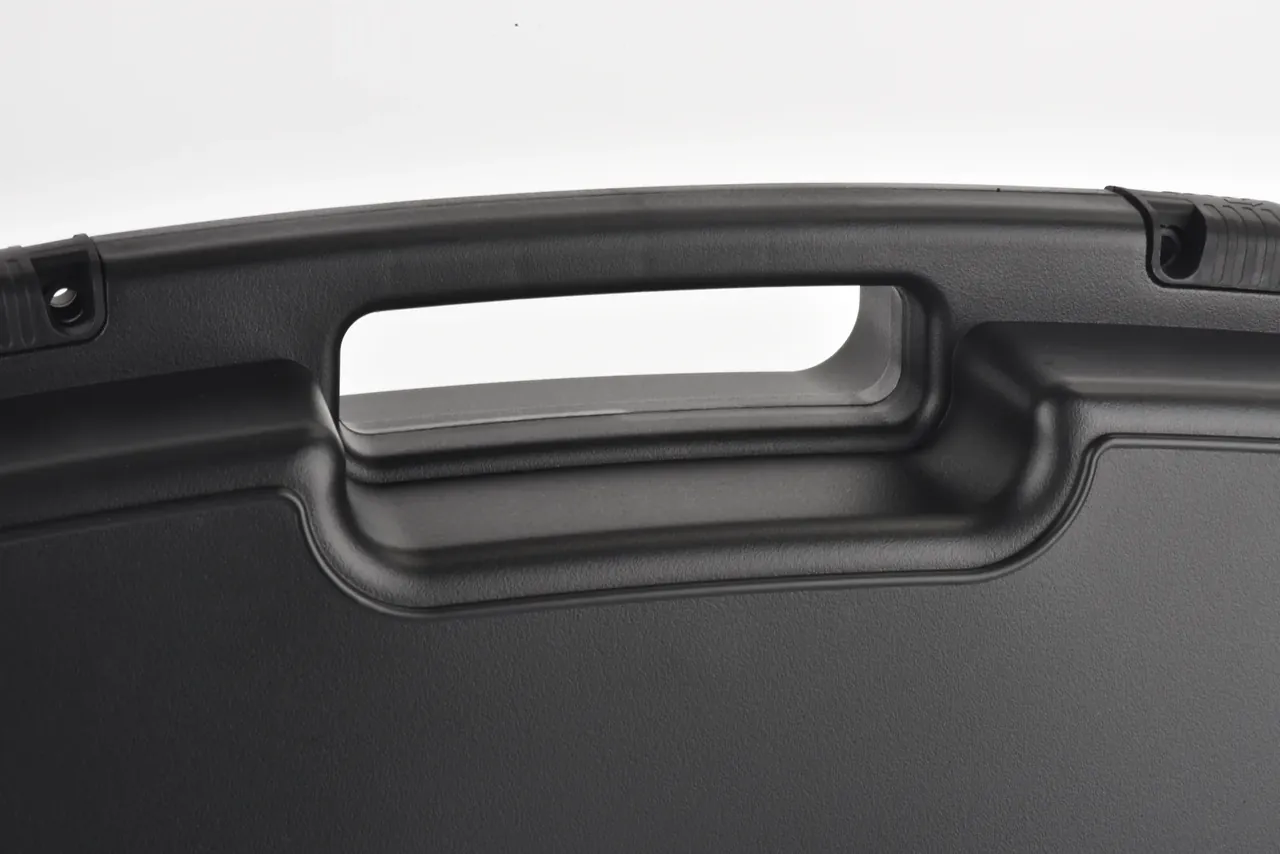
The handle is the only load point in manual carry. A moulded handle feeds load into the lid and saves a fastener, but needs a long root transition. Judge root thickness and the chamfer at the lower lip, not the opening size.
Sealing and wall thickness are a pair. A thin wall lets a latch pull distort the rim, and the gasket then compresses unevenly. Seal clauses set rim stiffness and latch count together.
5. Thermal control and stacking
The first thermal layer is air. Still air between cavity and load insulates, and thicker air raises resistance while cutting usable space. The second is the liner: closed cells insulate, open cells cushion. The third is phase-change material, where position matters more than mass.
Stacking is the underestimated case. Storage applies a long load, and plastic modulus falls as temperature rises, so the same stack deforms more in summer. Check stack strength at the highest storage temperature.
The stacking face also has to be flat. Lid ribs, label recesses and handle bosses become high points, and load concentrates there. Sinking the ribs works better than thickening the lid.
Conclusion
The dimension chain gives space, cushioning flattens the shock, and thermal control with stacking decides how much margin is left after six months in store. When specifying a missile box, ask for a drawing that marks both bare cavity and clear space.
This article discusses the case body only: interior, load points, handling features, marking and fixing. It does not cover any operation or filling of the contents.
Related Reading
- Military Box vs Military Case: Selection Boundaries for Mi…
- Rotomolded Cases: Rotational-Moulded Shell Structure & Pro…
- Dimensions and cushioning for a warhead container
- Ammunition Chest vs Ammunition Box: Selection Boundaries f…
Related Products
- 8 Series — Gun Cases; Military Equipment Cases; Camera Equipment Cases; Drone Cases; Watch Cases; Knife Cases; First Aid Cases; Electronics Equipment Cases
- WL8-2812 PP Gun Case — model WL8-2812
- All protective cases and toolboxes: 7 series, 158 models