

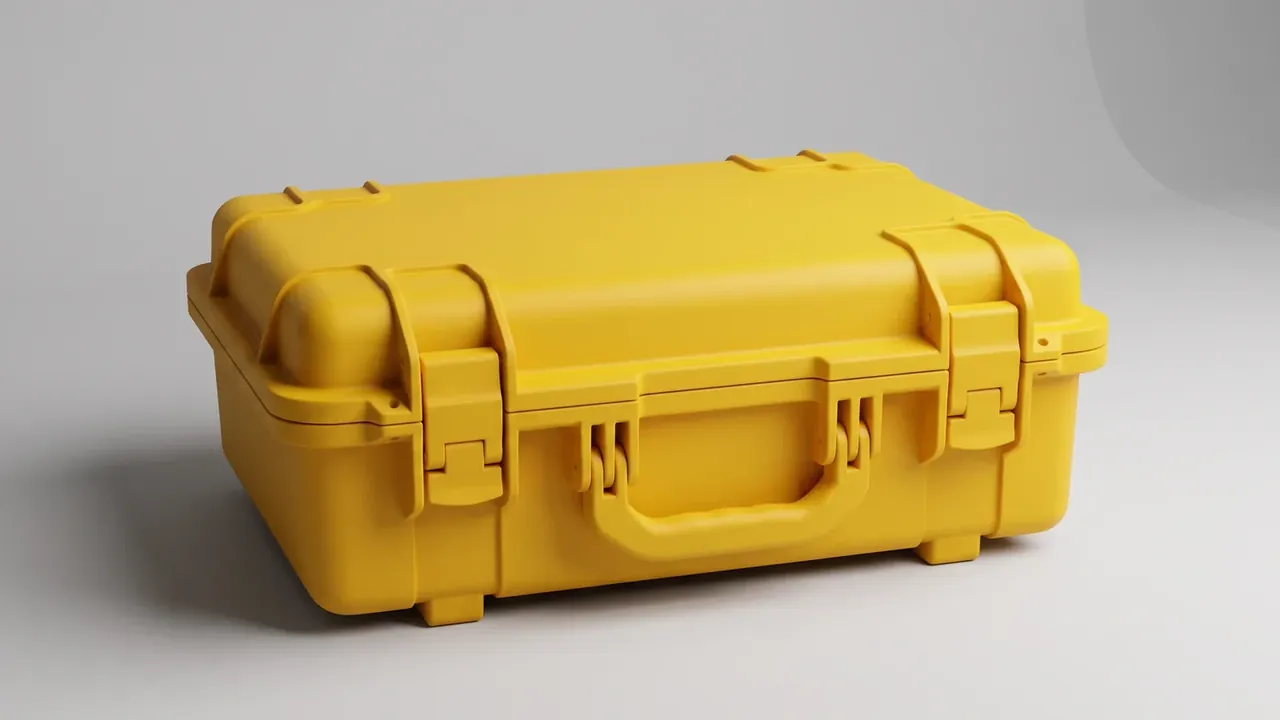
Quick answer: A mobile tool cabinet is maintained by measuring four values on a schedule: tread diameter, castor-plate end play, gasket compression and lock bolt travel. Each has a published limit, so parts change when a number crosses it.
Table of contents
- Setting Four Intervals for a Mobile Tool Cabinet
- Measuring and Greasing Castors
- Lubrication Points on Hinges, Latches and Slides
- Replacement Criteria for Locks and Gaskets
- Spare Parts Stock and Annual Records
- FAQ
1. Setting Four Intervals for a Mobile Tool Cabinet
The line in mobile tool cabinet upkeep is not whether something broke, but whether one of four numbers crossed its limit: tread diameter, castor-plate end play, gasket compression, lock bolt travel.
Intervals for a mobile tool cabinet follow actions, not the calendar, and two counters override the dates: 500 lid cycles or 1 km of travel, whichever comes first, pulls the quarterly job forward.
| Level | Interval | Duration | Actions | Output |
|---|---|---|---|---|
| Shift | Every shift | 30 seconds | Tread wrap, latch seating | Fault tag |
| Monthly | 30 days | 15 minutes | Tread, plate play | Two readings |
| Quarterly | 90 days | 45 minutes | Grease, re-torque, rebound | Four readings |
| Annual | 365 days | 2 hours | Strip inspection, trend | Replacement list |
2. Measuring and Greasing Castors
Tread diameter reaches its limit first on a mobile tool cabinet. A 100 mm castor is scrapped at 98.5 mm, a wear of 1.5 mm, and changed in pairs: one new castor beside a worn one wears unevenly and is at the limit within six months.
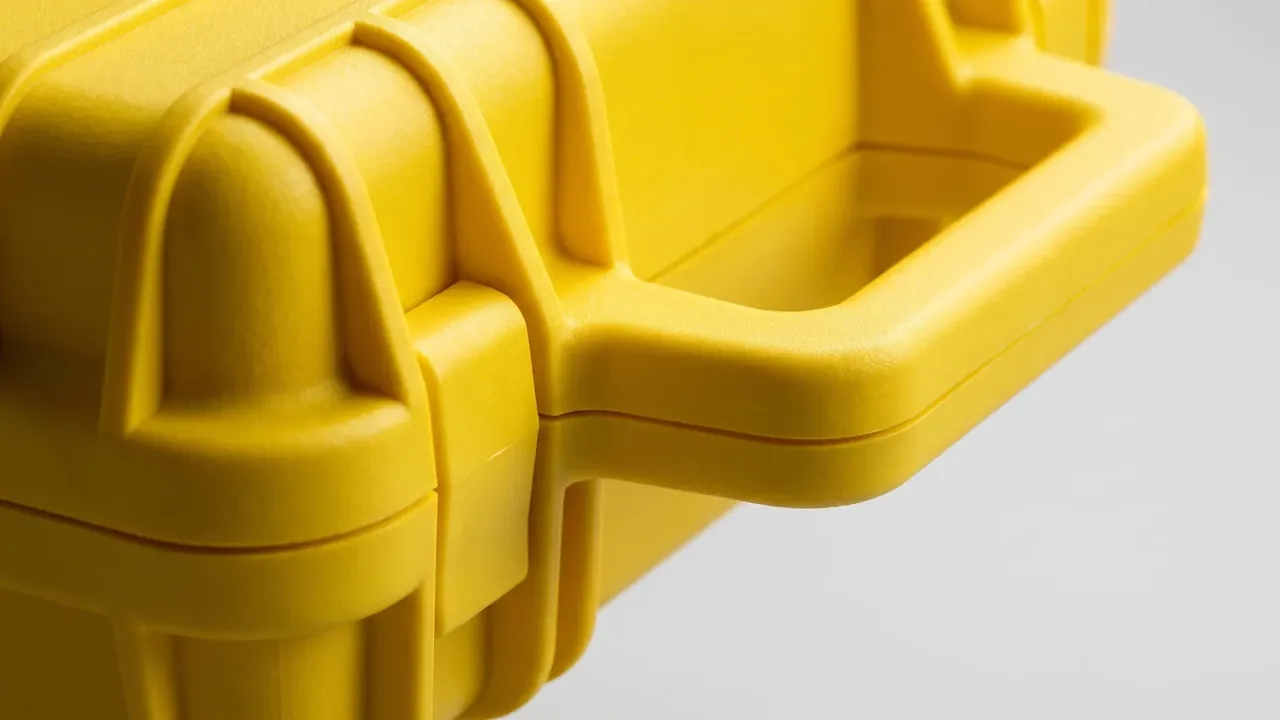
Plate end play takes a feeler gauge. New assemblies sit under 0.2 mm; past 0.8 mm the race is pitted. Re-torque M8 plate bolts to 12 N·m and M6 base bolts to 8 N·m quarterly, and fit a locking washer if torque drops 20 percent.
Grease goes into the bearing only: 0.5 g of NLGI 2 lithium every 90 days, 2 g across four wheels. Brake pivots take dry PTFE, since grease traps grit that eats 2 mm off the pad in three months. Below minus 20 degrees Celsius, push force climbs from 85 N past 145 N.
3. Lubrication Points on Hinges, Latches and Slides
The hinge pin fails second. At 4 mm it is replaced at 3.7 mm and the lid kept, with 0.3 g of grease every 90 days or 500 cycles. At 0.3 mm of play the lid sits crooked, one gasket side compresses first and the other leaks.
Latch and lock pivots take dry lubricant only. Petroleum jelly and silicone become lapping paste within two weeks, wearing the pivot oval.
Ball-bearing slides are brushed every six months and given 0.2 g of low-viscosity grease, never compressed air. Do not fully extend a slide while a mobile tool cabinet leans past 3 degrees.
4. Replacement Criteria for Locks and Gaskets
A new lock bolt projects 6 mm and is replaced at 4.5 mm, where it no longer seats; check quarterly after 5,000 key cycles. Latch pull drops from 250 N to 180 N before it pops open on rough ground.
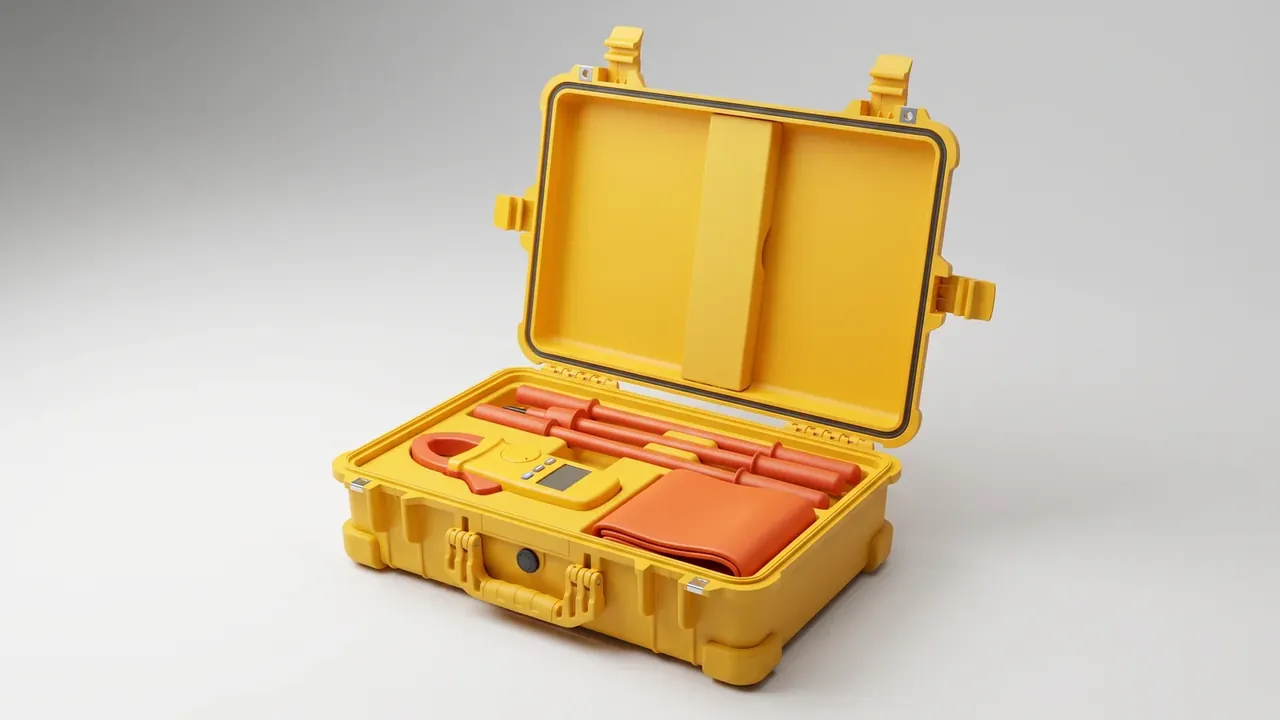
Gaskets are judged on compression and rebound. An 8 mm section compressed to 4.8–5.6 mm, or 30 to 40 percent, seals correctly; squeezing harder accelerates permanent set.
After 24 hours off the case, a section returning to under 6.4 mm has passed 20 percent set and the whole gasket goes. A rise from Shore A 55 to 70 hardens the rubber, and corners crack first. Fit with 2 mm slack, press 24 hours, then water test. A 48 hour salt spray gate applies to hinge pin batches.
5. Spare Parts Stock and Annual Records
| Part | Measured value | New | Replace at | Action |
|---|---|---|---|---|
| Castor | Tread diameter | 100 mm | 98.5 mm | Pairs |
| Castor plate | End play | 0.2 mm | 0.8 mm | Plate |
| Hinge pin | Pin diameter | 4 mm | 3.7 mm | Pin only |
| Gasket | Rebound | 8 mm | 6.4 mm | Full length |
| Lock | Bolt travel | 6 mm | 4.5 mm | Cylinder |
Stock one kit per ten mobile tool cabinet units: four castors, one gasket, two latches, one cylinder.
Review trends, not single readings. Plot twelve months of four values and strip-inspect whichever unit climbs fastest.
Conclusion
Most of the cost of mobile tool cabinet upkeep sits in four measurements, not in the parts. A schedule fixes the actions, the readings the timing, and the log the trend.
This article discusses only the container (case body) side of specifications and design intent, and does not cover any handling, loading or use of the contents.
Related Reading
- Maintenance checks for wheeled protective cases
- Service intervals for metal tool chests
- Gasket and lock care on hard shell suitcases
- Selection checkpoints for a mobile tool cabinet
Related Products
- 8 Series — Gun Cases; Military Equipment Cases; Camera Equipment Cases; Drone Cases; Watch Cases; Knife Cases; First Aid Cases; Electronics Equipment Cases
- WL8-2812 PP Gun Case — model WL8-2812
- All protective cases and toolboxes: 7 series, 158 models