

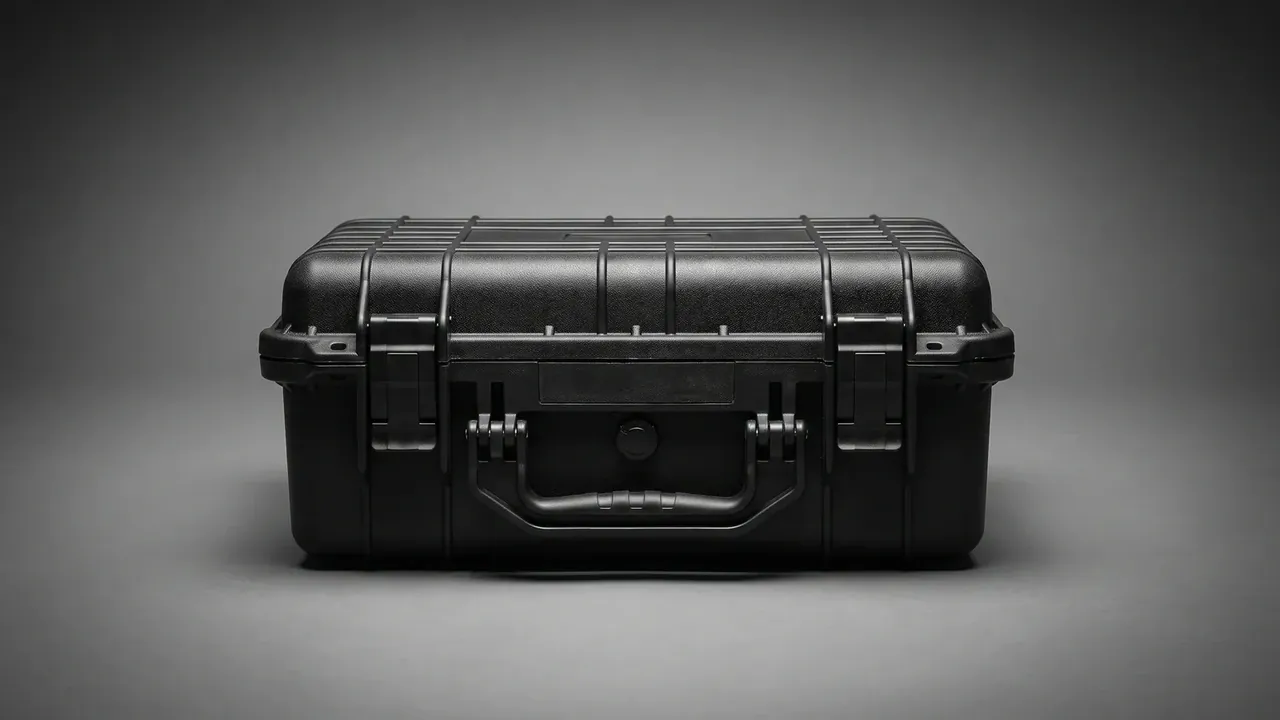
Quick answer: Maintenance has three parts: wheels by wear depth and bearing play, the handle by sideways play, corner rails by remaining thickness. Replace at three millimetres of tread loss, five millimetres of handle play, or 1.5 mm of remaining rail. Wheels expire first, not the shell.
Table of contents
- Quarterly checklist for a Wheeled Protective Case
- Wheels: wear depth and bearing play
- Handle: three sources of play
- Corner rails: when to replace
- Cleaning, lubrication and storage
- FAQ
1. Quarterly checklist for a Wheeled Protective Case
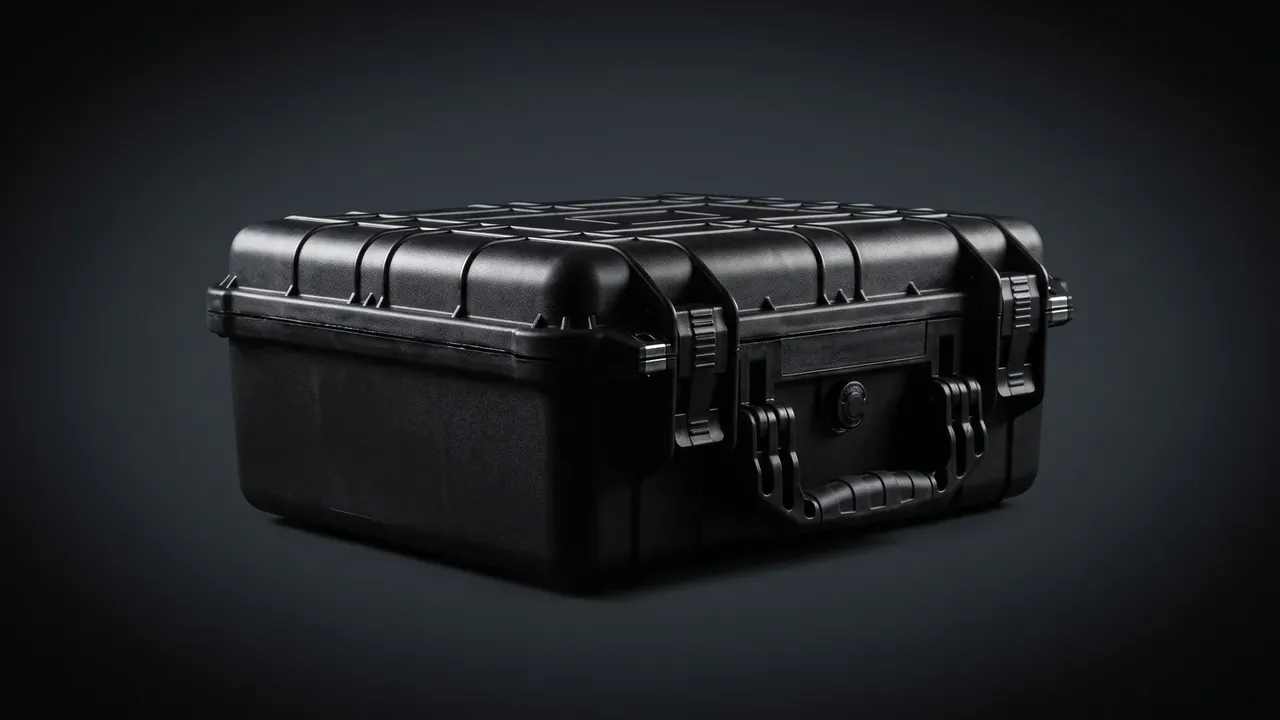
Walk five positions in a fixed order: tread, axle, handle, corner rails, latches. Check with the case empty, or the readings lie.
| Position | Look for | Threshold | Action |
|---|---|---|---|
| Tread | flattening, edge wear | 3 mm lost | replace as a pair |
| Axle | play, rust, noise | 0.5 mm axial | replace wheel set |
| Handle | play, locking | 5 mm fore and aft | replace |
| Corner rail | wear-through, lifting | under 1.5 mm | replace rail |
| Latches | drag, cracks | gap when closed | replace |
2. Wheels: wear depth and bearing play
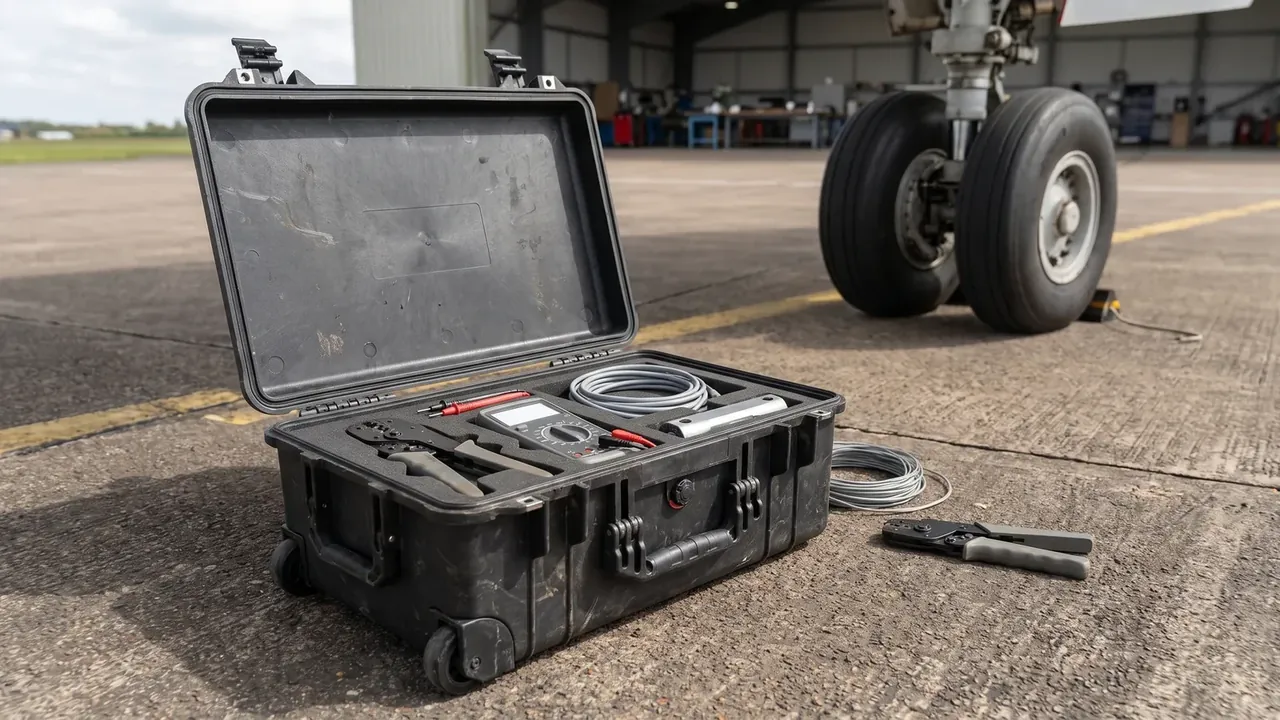
Failure runs in three layers: tread, bearing, axle. Tread is visible, the axle is not, and the axle is dangerous: an oval axle makes the wheel thump once per turn until the mount tears out of the base.
| Symptom | Threshold | Action |
|---|---|---|
| Tread flattened | 3 mm off diameter | replace both wheels |
| One-sided wear | 1.5 mm difference | check tilting habit |
| Bearing play | 0.5 mm axial | replace wheel set |
| Oval axle | 0.3 mm between axes | replace wheel set |
As tread flattens, the contact patch widens and drag climbs. Replacing one wheel is the worst move: the height difference tilts the case and the other three fail within months.
3. Handle: three sources of play
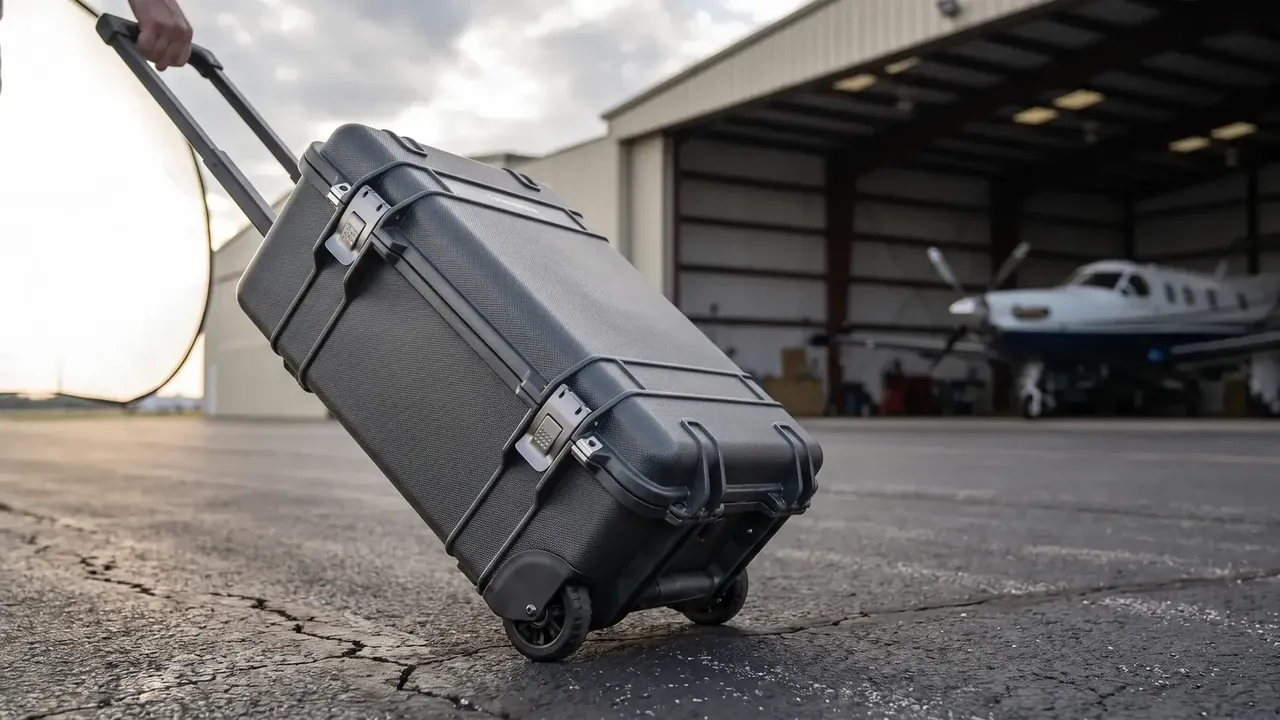
Play comes from thin tube walls, a worn locking pin, or a mounting plate too small for the shell. Extend fully, hold the case still and push the grip fore and aft.
| Play | Verdict | Action |
|---|---|---|
| under 3 mm | normal | clean grit from tubes |
| 3–5 mm | watch | retighten mount screws |
| over 5 mm | failed | replace assembly |
Grit inside the tubes is the hidden cause: pull a cloth through the joint.
Retighten the mount screws every six months to three or four newton metres; once loose, play grows and threads strip.
4. Corner rails: when to replace
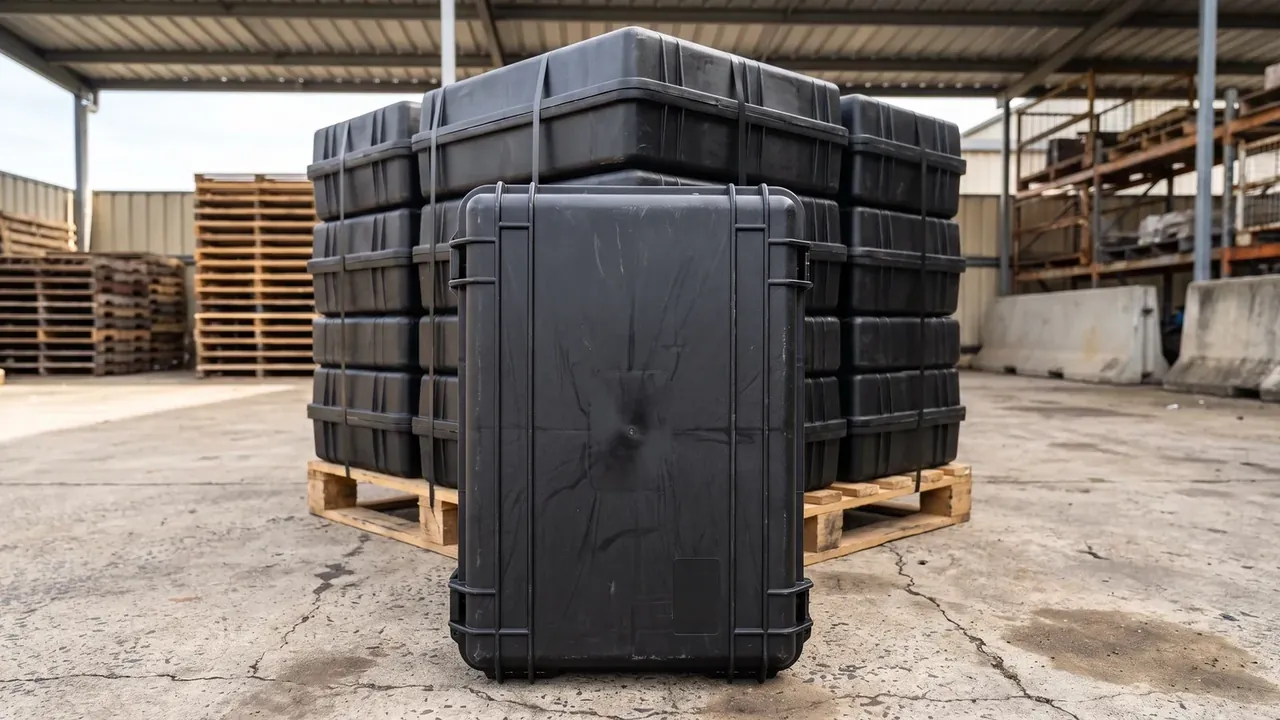
Corner rails are the only part that takes abrasion on the shell's behalf. They are thicker than the wall and meant to be consumed. Judge by remaining thickness: 3 mm when new, replace at 1.5 mm, because what is left cannot absorb an impact.
| Remaining | State | Action |
|---|---|---|
| over 2.5 mm | good | continue in service |
| 1.5–2.5 mm | worn | schedule replacement |
| under 1.5 mm | failed | replace now |
| worn through | unsafe | replace and inspect shell |
Clear grit from the groove, or a new rail sits proud and loosens within a month. Where rail and wheel mount are one piece, remove wheel, then mount, then rail.
Lifting matters more: a lifted rail catches on the ground and tears away.
5. Cleaning, lubrication and storage
Clean with water and neutral detergent on a soft cloth, never a pressure washer, which drives water into axle and handle tubes. Brush the wheels dry and spin them to listen.
Use only silicone oil or dry PTFE; engine oil holds dust and becomes lapping paste. Lubricate the exposed axle and handle stages quarterly.
Store upright and off the wheels: polyurethane takes a permanent set, so three months of standing produces a flat spot. Below minus twenty, let it stand indoors for two hours.
Conclusion
Maintenance for a Wheeled Protective Case is three sentences: wheels by wear and play, handle by sideways movement, corner rails by thickness. What retires a Wheeled Protective Case early is never the shell, but the wheel nobody looked at.
This article covers container-side specifications and design implications only, not the handling, loading or use of the contents.
Related Reading
- Case repair and spare parts
- Building a spare parts stocking list
- How to clean a protective case
- Protective case maintenance overview
Related Products
- 8 Series — Gun Cases; Military Equipment Cases; Camera Equipment Cases; Drone Cases; Watch Cases; Knife Cases; First Aid Cases; Electronics Equipment Cases
- WL8-2812 PP Gun Case — model WL8-2812
- All protective cases and toolboxes: 7 series, 158 models