

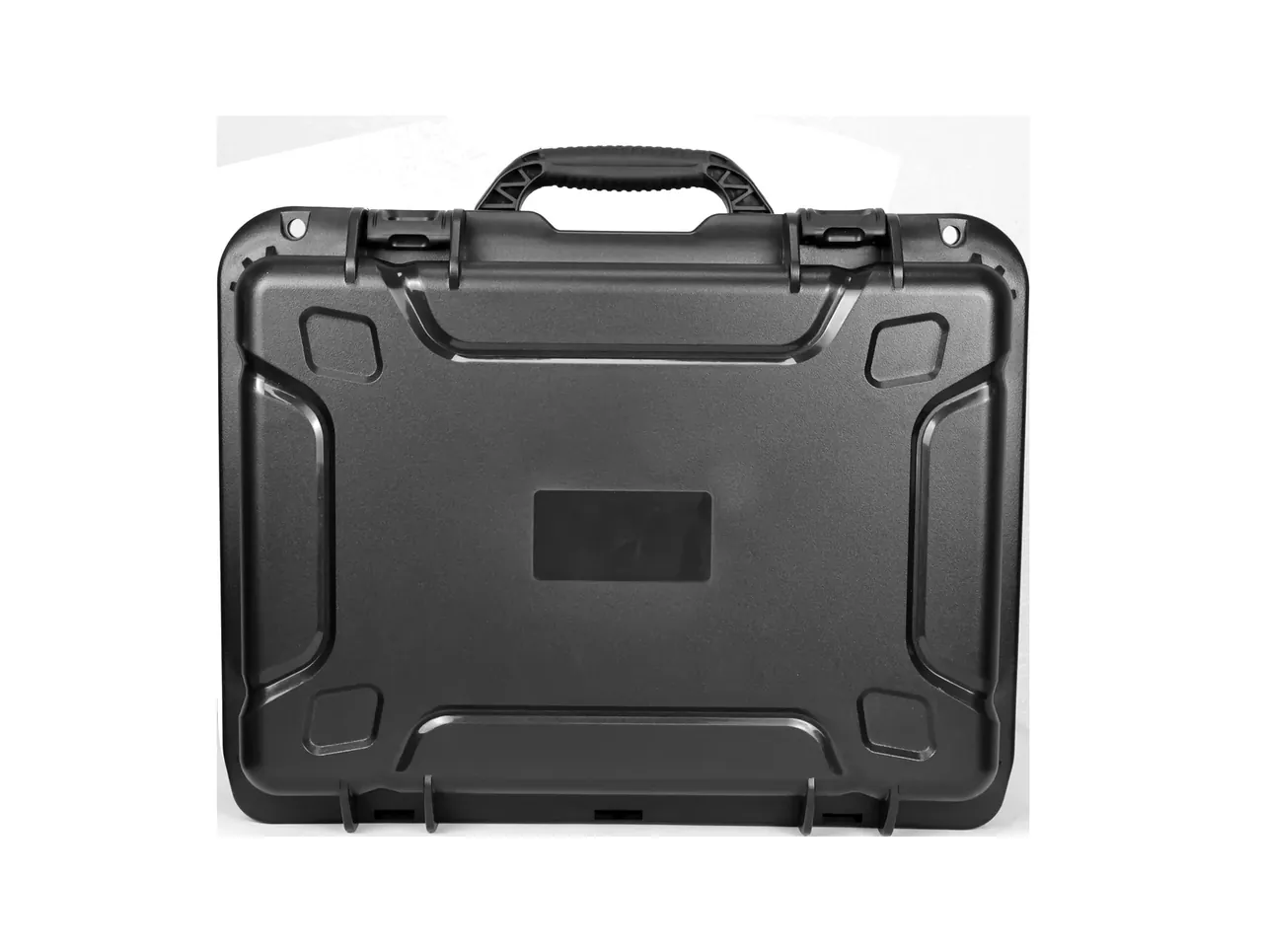
Quick answer: Three numbers decide a moisture-proof case: the last digit of the IP rating, desiccant grams per litre, and replacement months. They pull against each other, so fix two and calculate the third instead of guessing all three.
Table of contents
- Three numbers before anything else
- Sealing grade: IP65, IP67 or IP68
- Desiccant dose: grams against litres
- Replacement interval from the indicator
- Size, wall thickness and stacking
- FAQ
1. Three numbers before anything else
Three numbers decide whether a case is adequate: the sealing grade, taken from the last IP digit; the dose, internal volume times one to two grams per litre; the interval, back-calculated from the indicator threshold and the total desiccant.
They interact: one grade down can double ingress and raise the dose; triple the volume and the air swapped at each opening rises too, shortening the interval.
| Parameter | Common setting | Effect on the others |
|---|---|---|
| Sealing grade | IP65, IP67, IP68 | One grade down adds half again to the dose |
| Dose | 1 to 2 g per litre | More dose lengthens the interval, eats cavity |
| Interval | One quarter to one year | A shorter interval is a hidden dose increase |
2. Sealing grade: IP65, IP67 or IP68
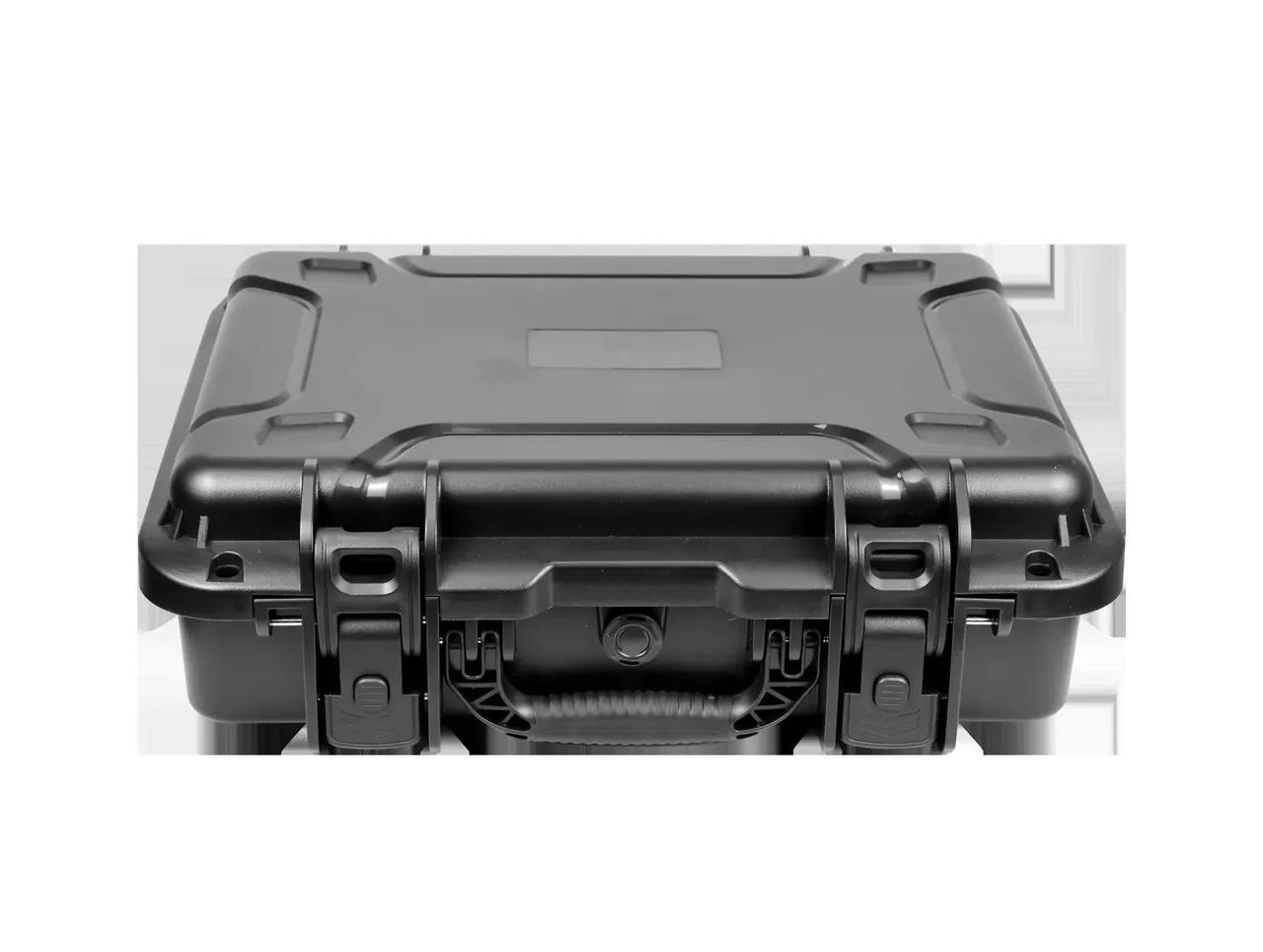
IP65 resists water jets, IP67 survives a metre for thirty minutes, and IP68 means continuous immersion at a depth the two parties agree. Warehouse and truck need IP65; open storage and short water transport need IP67; flood risk alone justifies IP68.
The grade covers liquid only. Vapour crosses the gasket and the PP wall, which no immersion test measures: a five-millimetre wall passes a trace daily, an under-compressed gasket an order more.
So test the joint: run thin paper around the seam, then charge to twenty kilopascals, hold sixty seconds, allow one kilopascal of drop. A tight IP65 case beats a soft IP67.
3. Desiccant dose: grams against litres
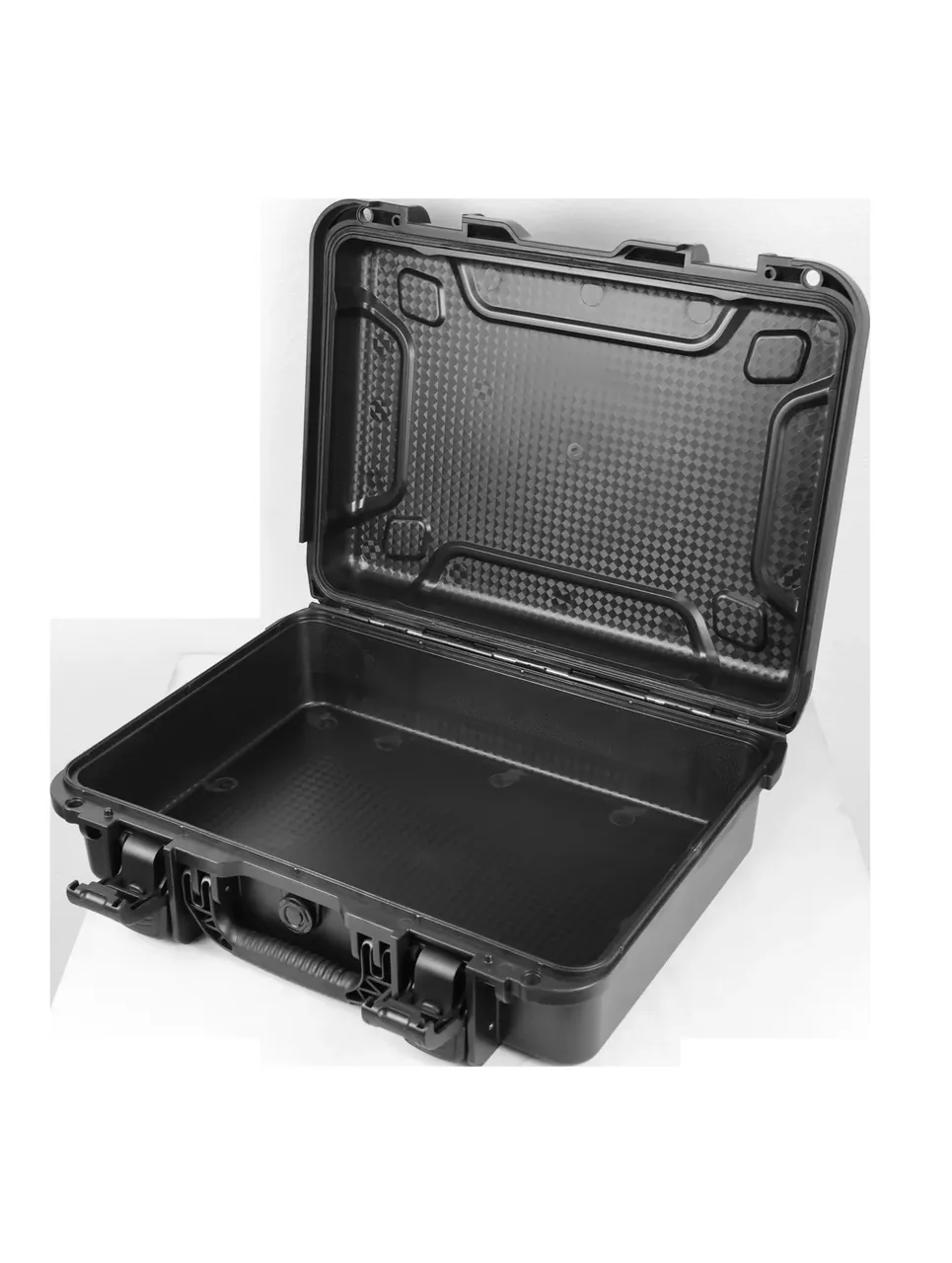
Start at one to two grams per litre for room temperature and one or two openings a day, and take the upper figure below a thirty percent target. A fifty-litre case at two grams needs a hundred grams of gel, which eats cavity space.
Then apply an opening factor. Each opening swaps half the air, which at eighty percent humidity carries twenty-four milligrams per litre, so a fifteen-litre case takes in 180 milligrams; four openings a day is twenty grams a month.
Form matters: sachets swap easily but release slowly, loose beads spill, boards suit shallow lids and are rated by area. Confirm the sachet lies flat against a wall.
4. Replacement interval from the indicator
The interval is arithmetic: total desiccant times usable uptake, divided by the daily load. A hundred grams at twenty-five percent holds twenty-five grams; at 0.2 grams a day that is 125 days, and eighty percent of it a hundred.
The indicator turns theory into a rule: pick a card with a dot at the target, mount it where the lid opens, recharge when that dot changes. Cards passivate in six months, so log the date.
Add a quarterly card check and an annual decay test to the same sheet. An interval without a check hands the decision to luck, and maintenance cost sits in recharging, not in the price.
5. Size, wall thickness and stacking
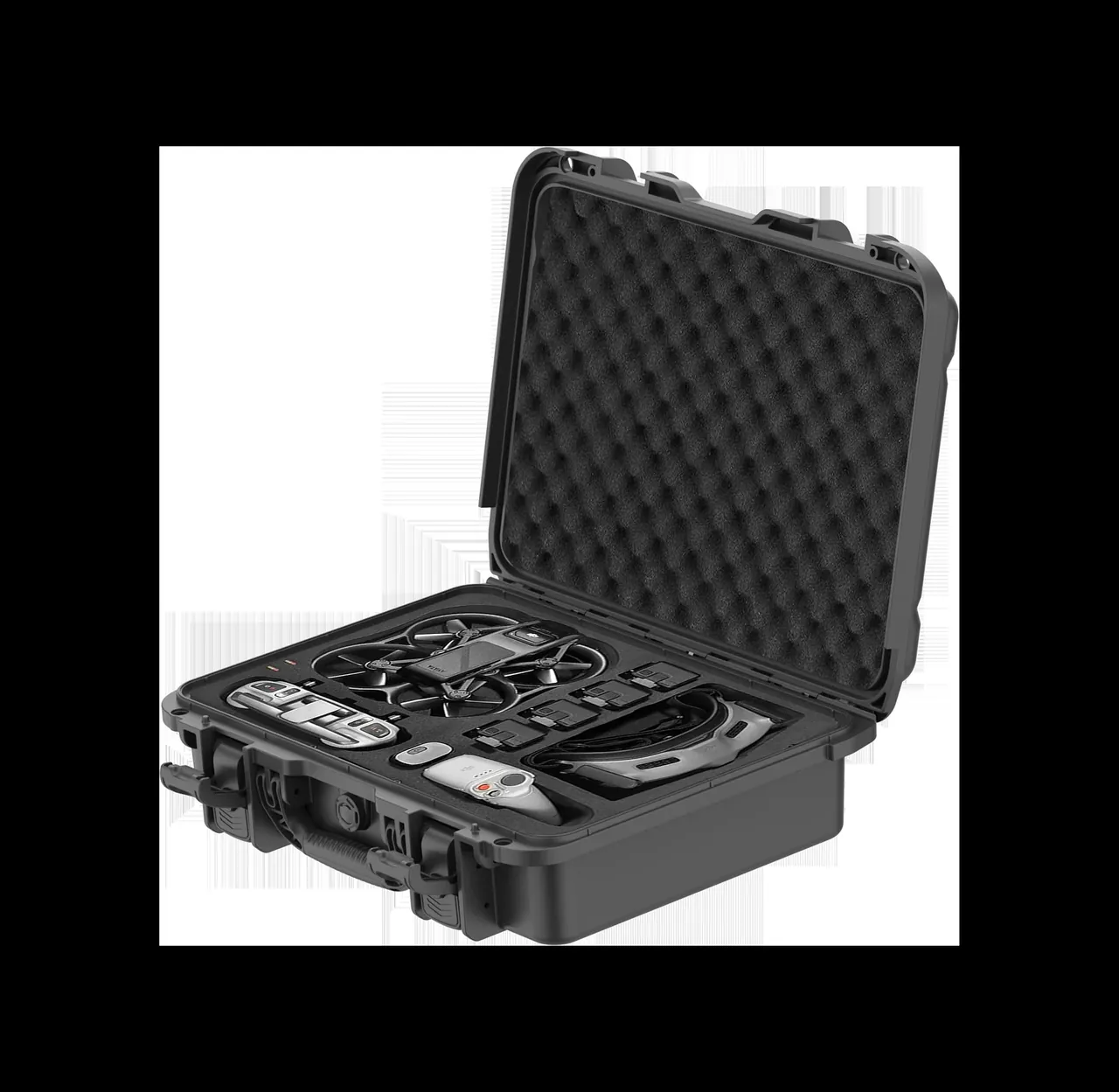
Measure the cavity, not the outline. Two cases at 410 millimetres differ by litres when the wall goes from five to seven, and ribs and foam take more. Catalogues quote outside dimensions; packing lists quote inside.
Wall thickness buys crush strength and costs weight. Five millimetres gives a 2.5-kilogram case stacking three high if the ribs sit well; seven adds thirty percent and steadies the stack, but daily carrying is judged by the handle.
Stacking also loads the seal: a bottom case bows, compression falls below twenty percent and ingress rises. Rotate bottom cases to the top instead of thickening the lid.
Conclusion
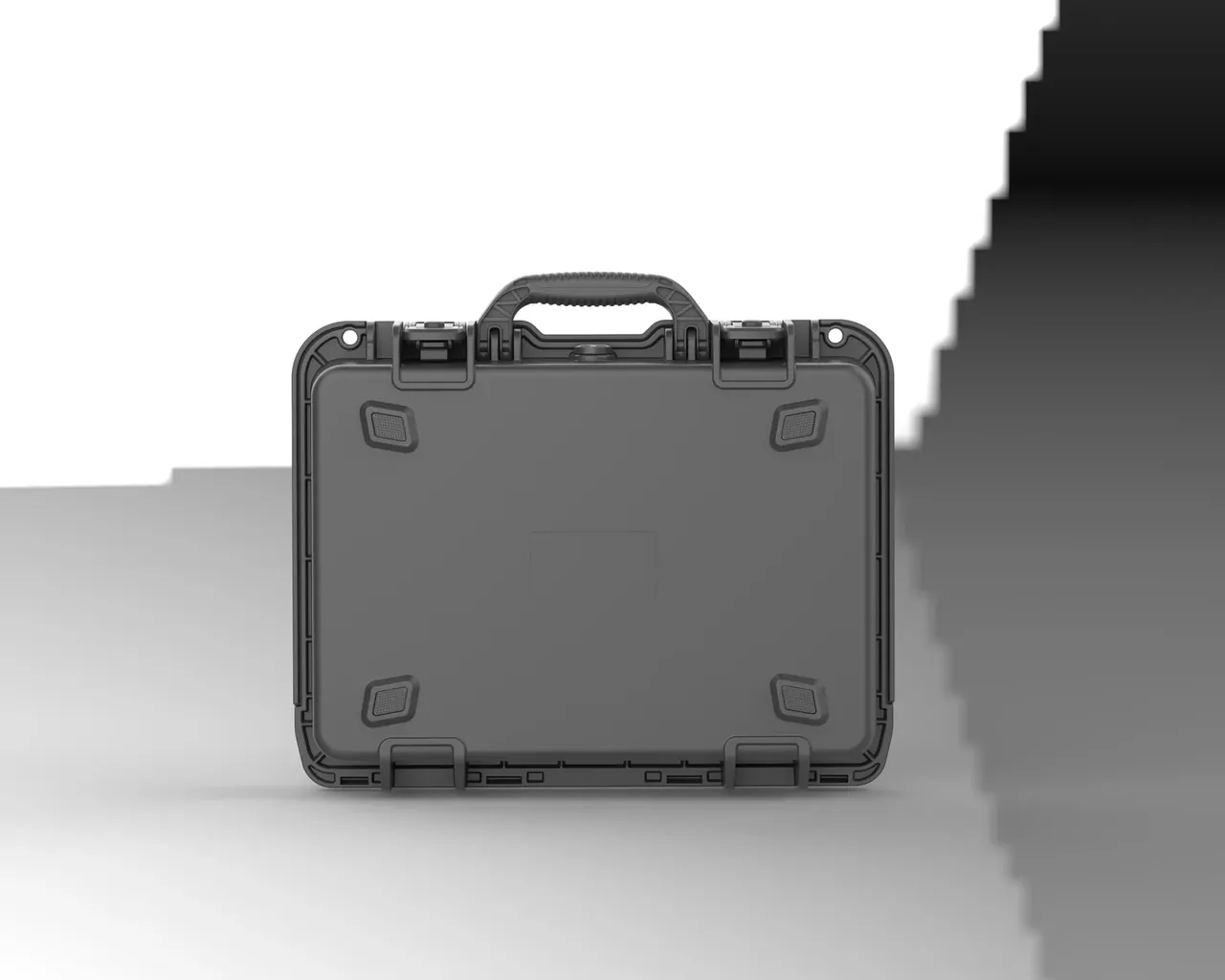
Choosing a moisture-proof case compresses to three steps: IP digit by scene, desiccant grams by cavity volume, interval from the card. Size, wall thickness and stacking follow, and a moisture-proof case is only as good as those three numbers.
This article covers container-side specifications and design implications only, not the handling, loading or use of the contents.
Related Reading
- IP67 versus IP68 explained
- Gasket material selection for cases
- Where condensation inside cases comes from
- Stacking and moisture in warehouses
Related Products
- 8 Series — Gun Cases; Military Equipment Cases; Camera Equipment Cases; Drone Cases; Watch Cases; Knife Cases; First Aid Cases; Electronics Equipment Cases
- WL8-2812 PP Gun Case — model WL8-2812
- All protective cases and toolboxes: 7 series, 158 models