

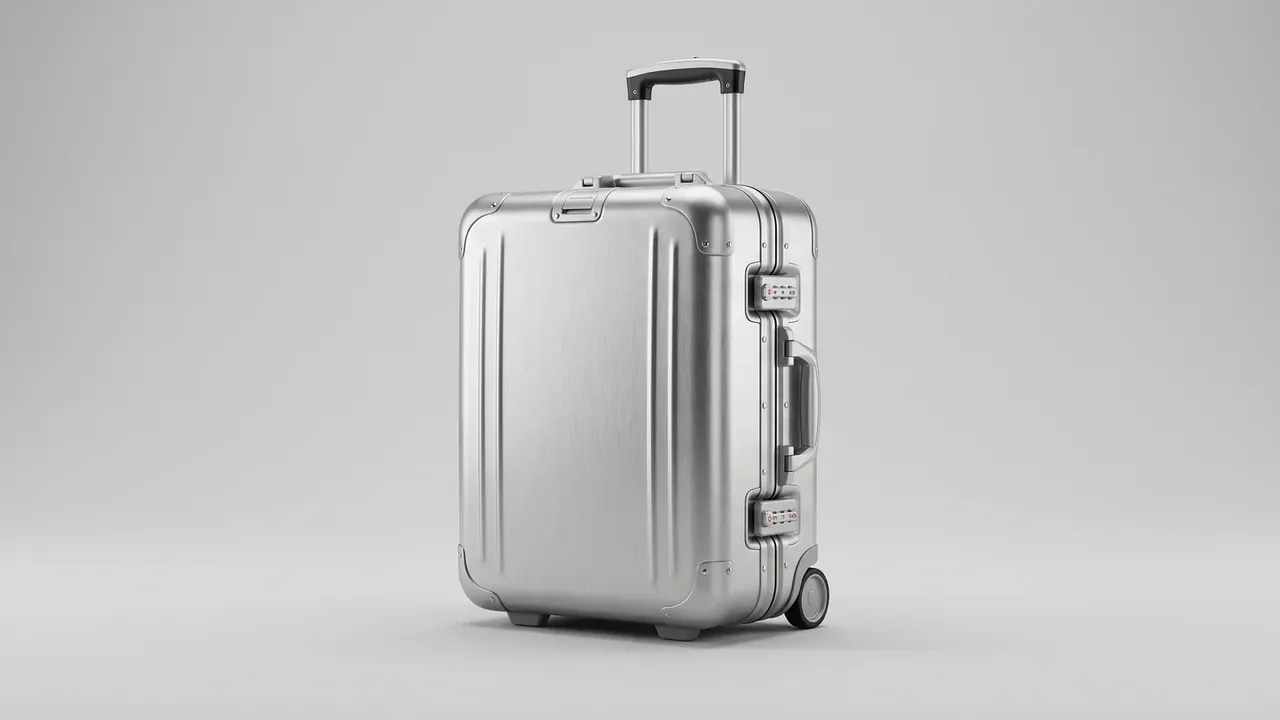
Quick answer: A multi-layer plastic tool chest at a bench is judged by four things, not by drawer count: height division, load per drawer, travel, and labelling. Time one pick, cut heights by palm thickness and tool length, then settle load and stops. That order separates a 12 percent misplacement rate from a 4 percent one.
Table of contents
- The action chain around a multi-layer plastic tool chest
- Cutting drawer height by palm thickness and tool length
- Per-drawer load and base deflection
- Travel, stops and labels
- FAQ
1. The action chain around a multi-layer plastic tool chest
An assembly bench is often only 1.2 m wide, with the chest underneath and the operator working from one spot. There a drawer is part of the cycle itself. Break one pick into four stages and clock it, and most shops find nine to fourteen seconds, with sixty percent spent searching.
| Stage | Measured time (s) | Typical failure |
|---|---|---|
| Locating the layer | 2 to 3 | Similar heights, memory only |
| Pulling the drawer | 1 to 2 | Short travel, back unreachable |
| Selecting the part | 3 to 6 | Mixed storage, label inward |
| Pushing to the stop | 1 to 2 | Not closed, next hand catches |
What stretches the cycle is bending. The third drawer opens above the knee and the wrist does the work; the fourth drops to shin level and forces a knee bend; from the fifth the operator half-squats and the motion splits.
Drawer count is therefore not free. On a 1.2 m bench, four layers is the comfortable ceiling; beyond that, move to a side cabinet or lift low-frequency stock to a shelf.
One signal shows a chest is misconfigured: whether the operator takes a step. Such a layer settles at twenty seconds per pick and usually ends up empty.
2. Cutting drawer height by palm thickness and tool length
Usable opening height is not the nominal internal height. Base thickness and the rim lip eat about 12 mm, cut-resistant gloves add 8 to 12 mm at the fingers, and the grasp needs 15 mm above the part. What remains is working clearance.
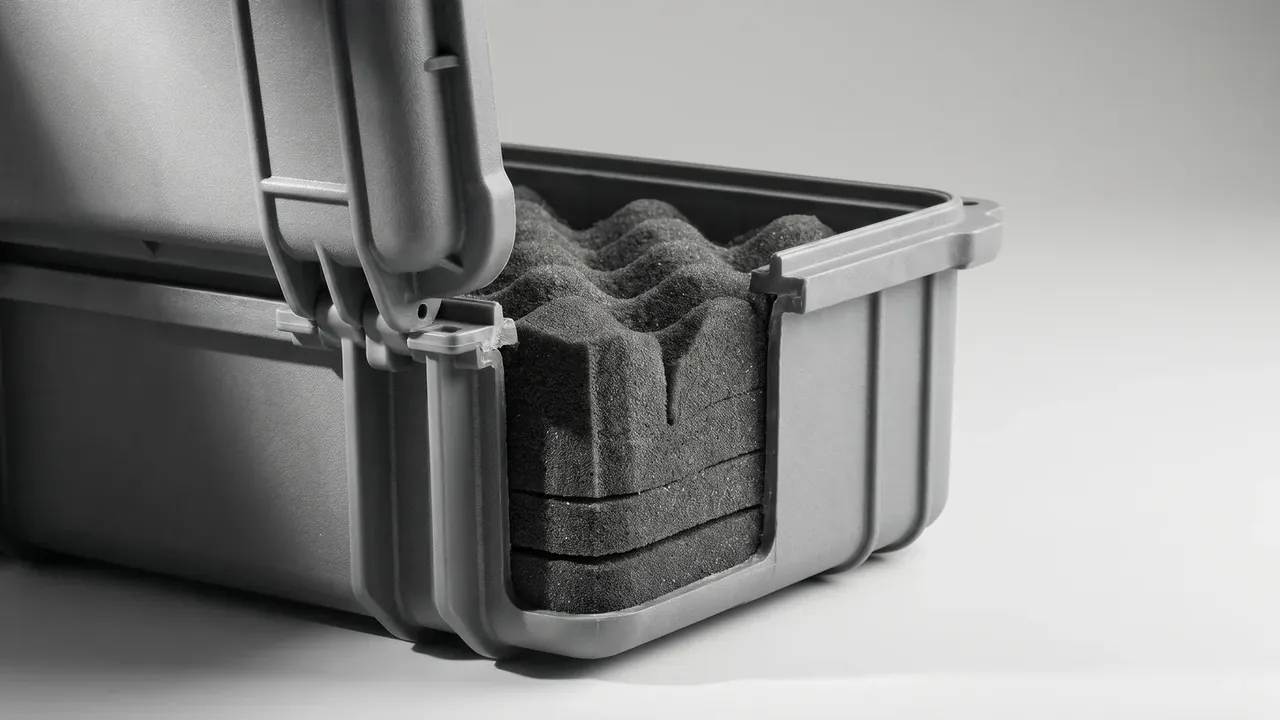
Three bands cover almost everything. Forty-five millimetres takes bits, taps and feeler gauges; eighty takes open-end wrenches and circlip pliers, since a 250 mm wrench flat needs 78 mm; 120 mm takes drills, discs and gauge boxes standing upright.
| Layer | Clearance | Typical load | Common mistake |
|---|---|---|---|
| Top | 45 mm | Bits, taps, gauges | Wrenches forced in, lid will not close |
| Upper middle | 80 mm | Wrenches, circlip pliers | Stored upright, topple on pull |
| Lower middle | 80 mm | Sockets, hex keys | Oil can added, leaks through |
| Bottom | 120 mm | Drill, discs, gauge box | Stacked two deep, lid crushed |
Equal heights are the usual error. Four layers at 80 mm cannot take a wrench set upright, leave the bottom half empty, and push the drill sideways into a middle drawer. A 45 mm top over a 120 mm bottom gains about fifteen percent usable volume in the same external size. Then order layers by frequency, not size.
3. Per-drawer load and base deflection
A multi-layer plastic tool chest rated 12 kg per drawer starts to sag at the base centre once it carries 18 kg, and 1.5 mm is the line. Past it, rubbing faces close up, pull resistance rises about thirty percent, and the drawer stops returning with one push.
Rib height matters more than wall thickness. A base with 6 mm ribs at 90 mm pitch deflects about 1 mm under a uniform 16 kg; the same layout at 3 mm reaches 2.4 mm, a visible bow.
Heat amplifies this. In a 40 °C shop, polypropylene under continuous load creeps another 0.6 mm over three months, and it does not come back. The field test is crude: load for twenty-four hours, hold a steel rule on edge under the base, feeler-gauge the centre gap. Above 1.5 mm, drop a height band.
4. Travel, stops and labels
Travel decides whether a hand reaches the back. With 380 mm drawers, the body must come out 300 mm before the last 50 mm of corner clears the frame; at 240 mm of travel that strip is dead space.
Stops are not interchangeable. A partial stop near eighty percent relies on a block and suits fast benches. A full-extension stop needs a release tab, suiting monthly stocktakes. On a fast bench nobody pulls all the way, so the rear collects parts.
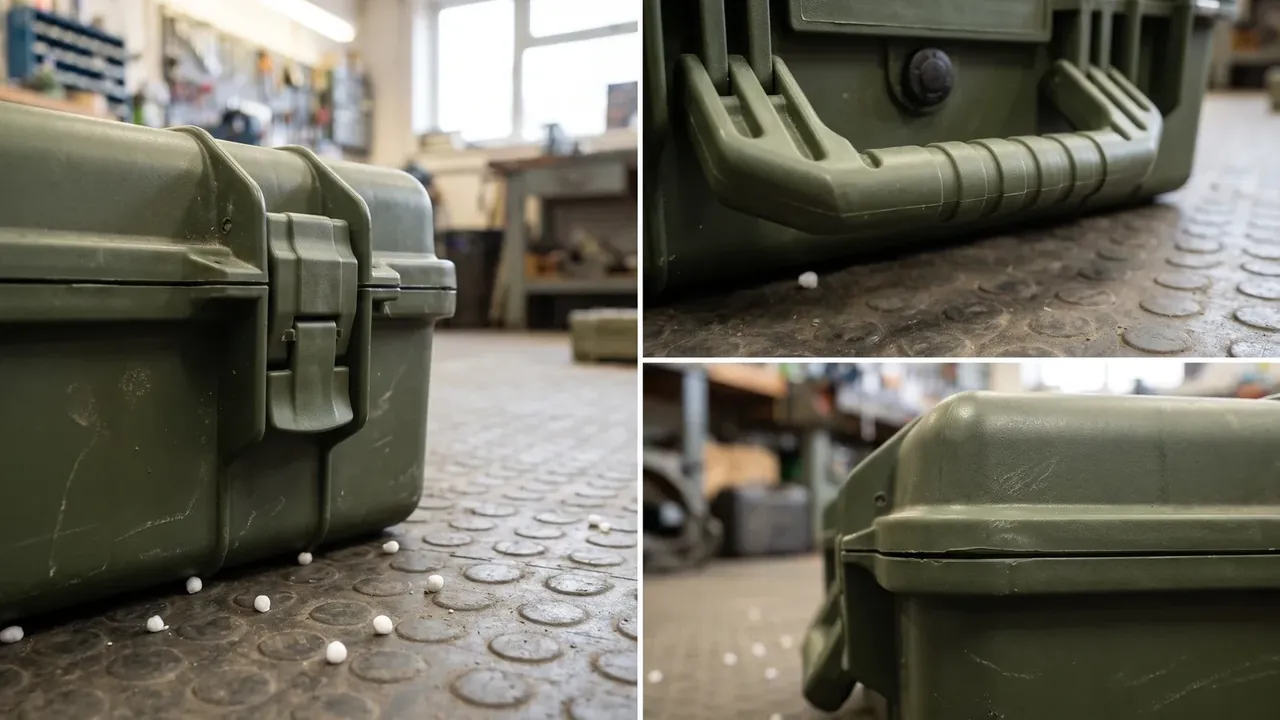
Label position matters more than content. The working zone is within 15 mm of the face top edge, characters at least 8 mm, number plus pictogram. Text-only labels measured 12 percent misplacement in shop trials; adding both markings brought it to 4 percent.
Conclusion
At the bench, the value of a multi-layer plastic tool chest is the few seconds of picking that need no footwork, not the volume squeezed into a smaller footprint. Divide height by clearance, leave margin against measured deflection, set travel at eighty percent of depth, and label with number plus pictogram. Build it the other way round and the third month finds the bottom layer empty and the top one unable to close. Choosing a multi-layer plastic tool chest means choosing a sequence of motions.
This article discusses only the container (case body) side of specifications and design intent, and does not cover any handling, loading or use of the contents.
Related Reading
- Metal tool chests on assembly benches
- Metal tool chests against alternatives
- How a metal tool chest is built
- The maintenance cycle for metal tool chests
- How metal tool chests are quoted
Related Products
- 8 Series — Gun Cases; Military Equipment Cases; Camera Equipment Cases; Drone Cases; Watch Cases; Knife Cases; First Aid Cases; Electronics Equipment Cases
- WL8-2812 PP Gun Case — model WL8-2812
- All protective cases and toolboxes: 7 series, 158 models