

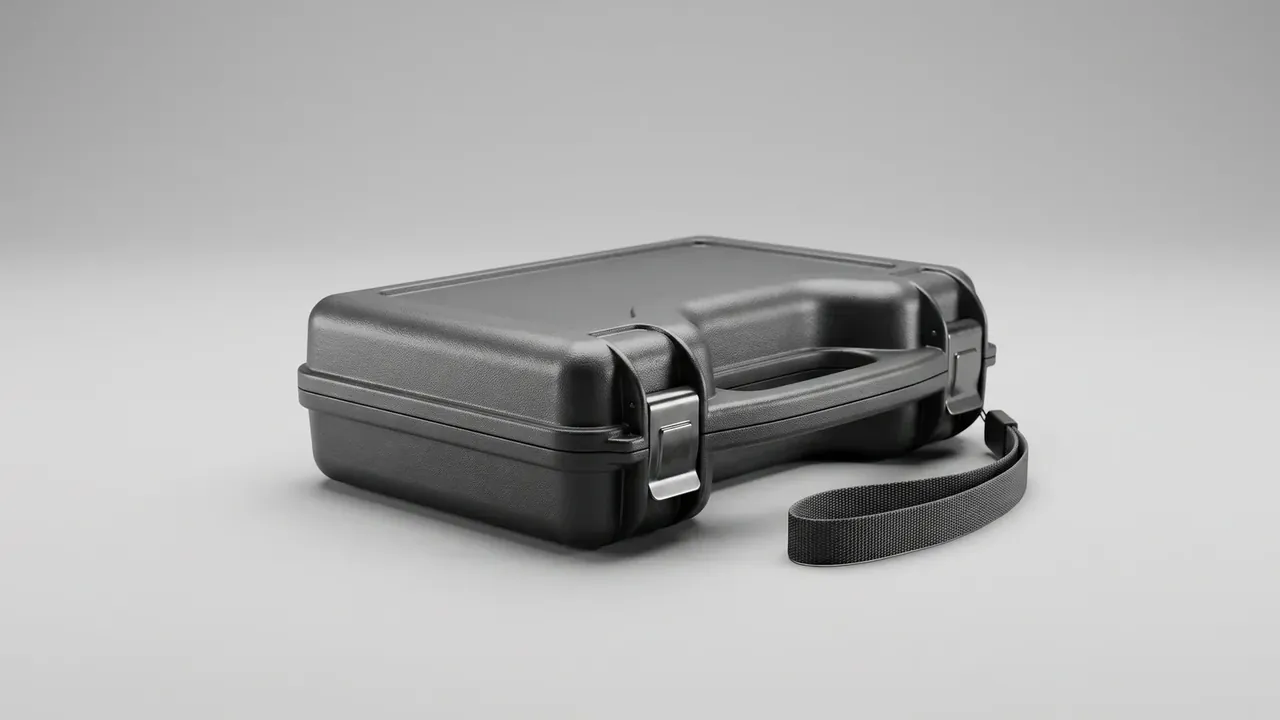
Quick answer: A munitions shipping and storage container lasts as long as its quarterly check is measured rather than guessed: water over 2 mm in the lid groove gets mopped, a seal with over 35 percent compression set gets replaced, foam rebounding to under 90 percent stops cushioning.
Table of contents
- Three Checkpoints on a Munitions Shipping and Storage Container
- Cleaning: Water Temperature, Detergent Ratio, Drying Time
- Replacement: Three Thresholds for Seals and Foam
- Service Life: Refurbish, Replace or Retire
- FAQ
1. Three Checkpoints on a Munitions Shipping and Storage Container
The visit was in mid-March at a depot in northern Jiangsu, where 180 munitions shipping and storage containers stood in rows, the oldest fourteen months in service. The storekeeper's log had forty-one entries in three months: nineteen read only "water at the lid rim", three had a figure in millimetres.
Three checkpoints kept getting skipped: the lid seal groove, the draw latches and keepers, and the ribs under the base. At nine the first case came down with 5 mm of water in the groove and a seal pale where it had soaked. At eleven the base survey found seven units with white hairline marks at the rib roots, all on the short side near the door. The findings follow the order this design fails in: water collects, the seal softens, the latches lose bite, and the load lands on ribs that crack at the root.
| Checkpoint | Interval | Threshold | Action |
|---|---|---|---|
| Lid seal groove | 30 days visual, 90 days opened | Water over 2 mm, or grit | Wipe dry, thin silicone film |
| Latches and keepers | 90 days | Holding force below 180 N | Reset keeper, replace worn set |
| Base ribs | 90 days | White marks or root cracks | Radius corner, bond stiffener |
| Cushion blocks | 90 days | Rebound under 90 percent | Replace block, no shimming |
The seven marked units were sanded and given a 2 mm bonded stiffener, then ran two more quarters.
2. Cleaning: Water Temperature, Detergent Ratio, Drying Time
Cleaning is not cosmetic: it returns the sealing face to a geometry that can be compressed, since fine sand makes the seal press on grains first and opens a path for moisture.
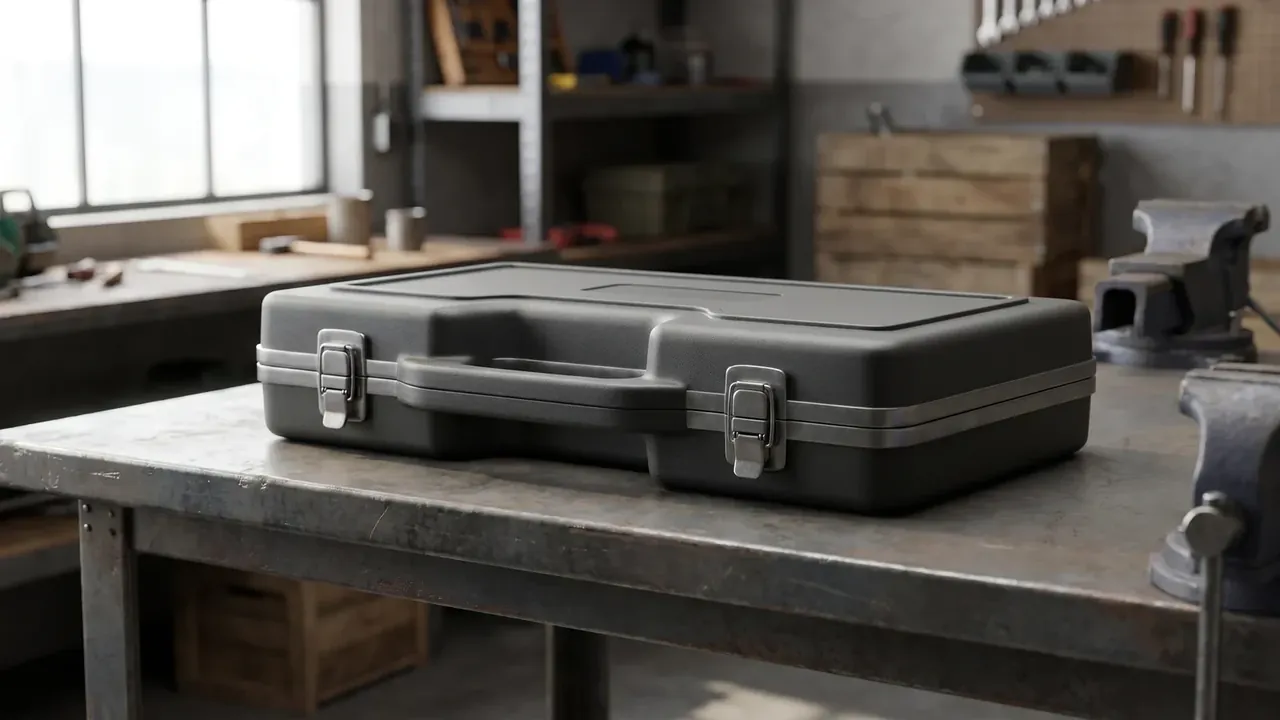
Work through the sequence without skipping:
- Brush dust and sand off dry; hosing a dirty case grinds grit across the face
- Dilute neutral detergent at 1:40, hold pH 6.5 to 8, since alkaline products chalk an EPDM seal
- Keep water under 40 degrees Celsius, washer output at 4 MPa, nozzle 150 mm away
- Wipe the groove twice, then blow residual water out with air
- Air-dry 45 minutes below 60 percent humidity, or use a dehumidified room
- Apply a thin silicone film, wait ten minutes, then close the lid
Two habits do the damage. Laundry detergent replaces a neutral cleaner and looks fine for a quarter, after which the seal blooms white. The other is closing the lid straight after washing, which traps water that reaches the cavity by the next opening.
3. Replacement: Three Thresholds for Seals and Foam
Replacement should not rest on feel: the same hardened seal retains very different capability in a monsoon and a dry store, so the decision must land on a measurable quantity.
| Item | Material | Threshold | Interval |
|---|---|---|---|
| Lid seal | EPDM rubber | Set over 35 percent after 24 h at 70 degrees Celsius | 3 years |
| Cushion blocks | High-density EVA | Rebound under 90 percent after 24 h | 2 years |
| Latches | 304 stainless | Arm deformed after 500 N pull, or rust after 480 h salt spray | On wear |
Cushion blocks get waved through most often. A 30 mm pad crushed to 24 mm still looks whole and springs back under a thumb, but the reserve is gone, so the next impact reaches the wall. Calipers plus hand pressure found two.
Keep removed parts and log their serials to see which seal batch hardened early.
4. Service Life: Refurbish, Replace or Retire
Refurbishing one munitions shipping and storage container runs about 22 percent of a new unit of the same size, covering seal, cushions, paint touch-up and retest. By the second refurbishment thickness is out of the new-case band and the arithmetic changes.
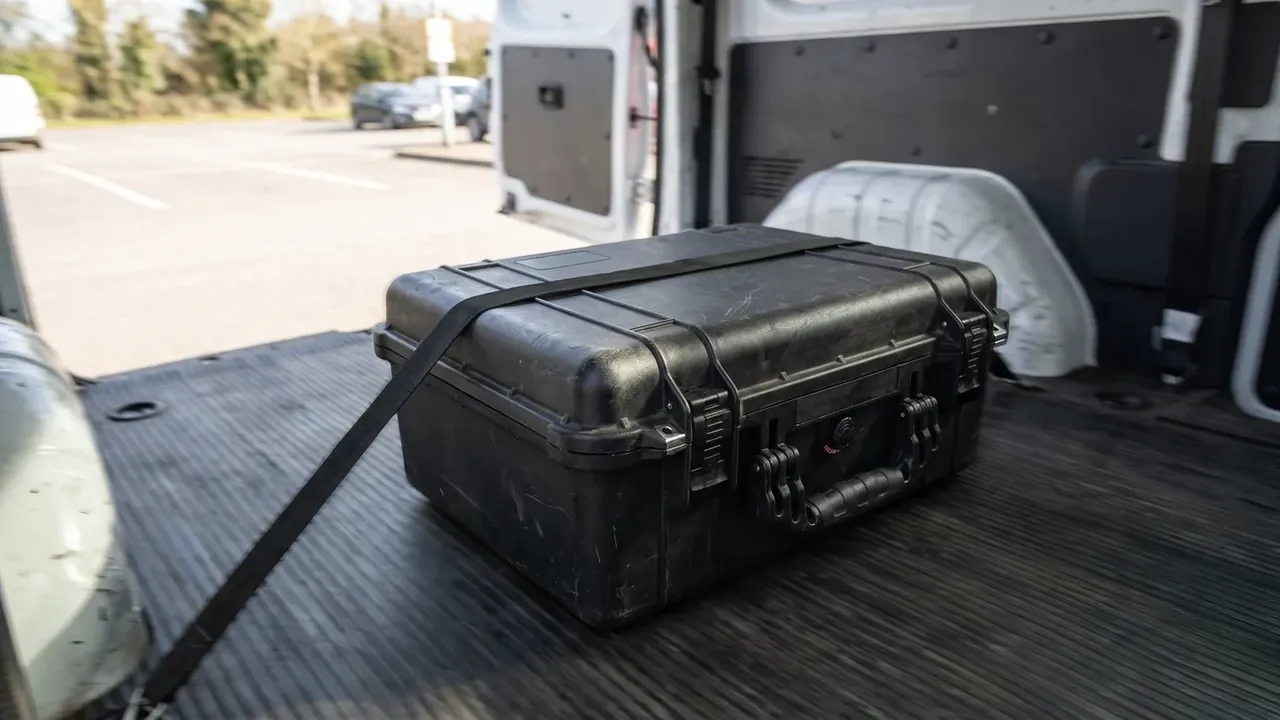
The order is thickness first, structure second, appearance last. An ultrasonic gauge takes three points per face: above 5.2 mm the case keeps its original duty, between 4.6 and 5.2 mm it drops to short-haul rotation, below 4.6 mm it retires. That band brackets where the wall buckles first in a drop test, taking the sealing path with it. By that order, twelve cases moved to short-haul duty although they looked better than units still on long routes; their walls measured 4.8 mm.
Appearance tells the least and gets consulted most.
Half of service life sits in transport. A single strap belongs at one third of case height; laid across the lid rim it presses a dish into the cover and the seal beneath loses preload. We moved every strap to mid-body and added two 10 mm rubber pads.
Conclusion
Of the 180 units, 161 stayed in service, twelve went to short-haul duty and seven retired. The split came not from the wall thickness they shipped with but from fourteen months of measuring and replacing against a written threshold. With millimetres and newtons on the sheet, the life of a munitions shipping and storage container becomes a calculation.
This article discusses only the container (case body) side of specifications and design intent, and does not cover any handling, loading or use of the contents.
Related Reading
- Load, sealing and cushioning design
- Seal replacement rhythm for ammunition cases
- Cleaning and refurbishment routine
Related Products
- 8 Series — Gun Cases; Military Equipment Cases; Camera Equipment Cases; Drone Cases; Watch Cases; Knife Cases; First Aid Cases; Electronics Equipment Cases
- WL8-2812 PP Gun Case — model WL8-2812
- All protective cases and toolboxes: 7 series, 158 models